When homeowners deal with recurring drain odors, slow drainage, or failed inspections, the issue often comes down to what trap was used. At Whale Worth It! Plumbing, Heating & Air, we see this regularly during inspections, repairs, and remodels. Although plumbing traps look simple, the difference between an S trap and a P trap affects drainage, odors, and code compliance. Because of that, understanding the S trap vs P trap helps homeowners avoid sewer gas smells and repeated plumbing problems.
What a Plumbing Trap Does in Your Home
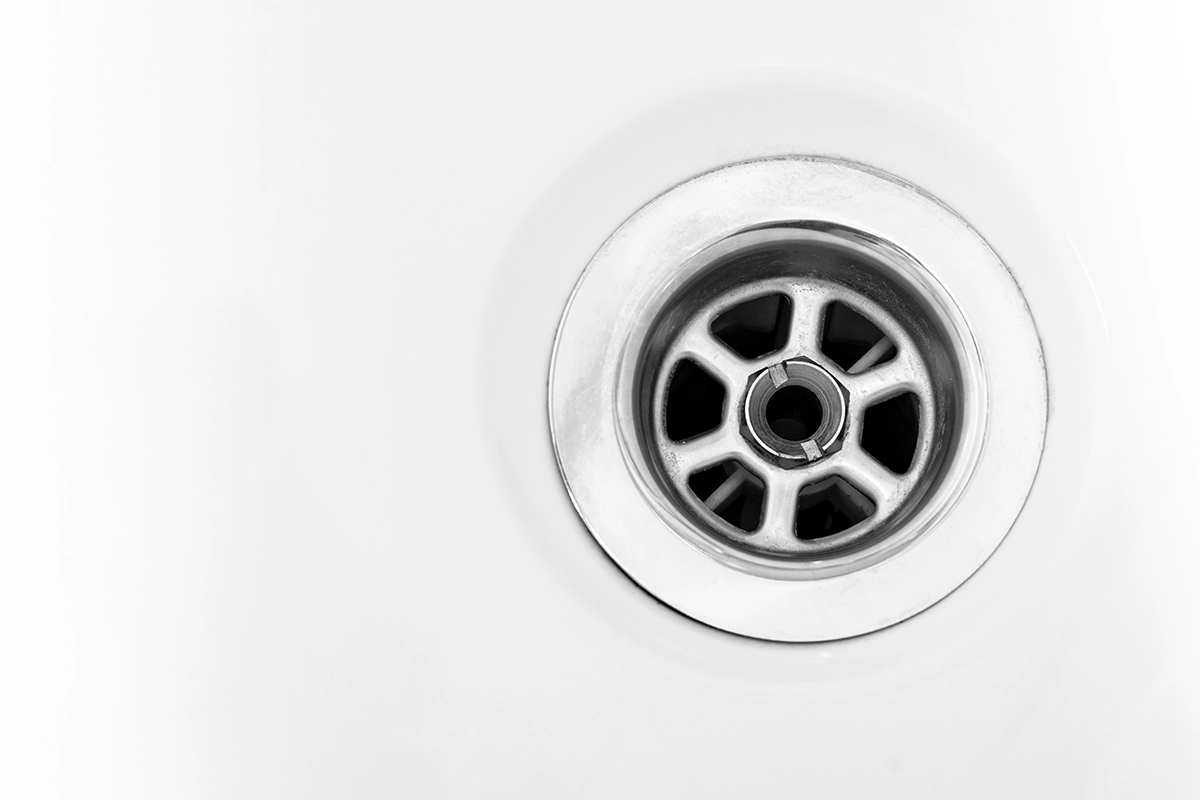
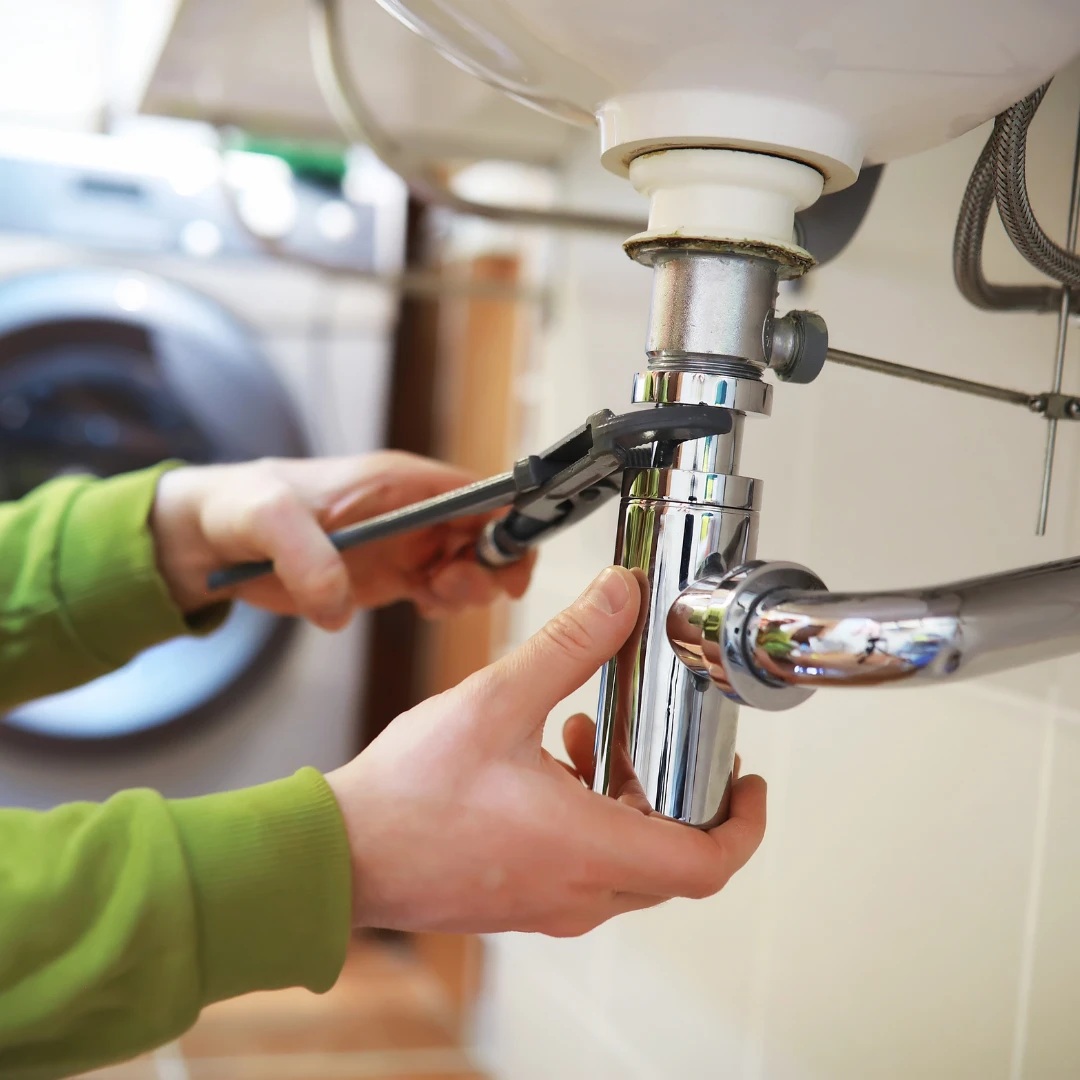
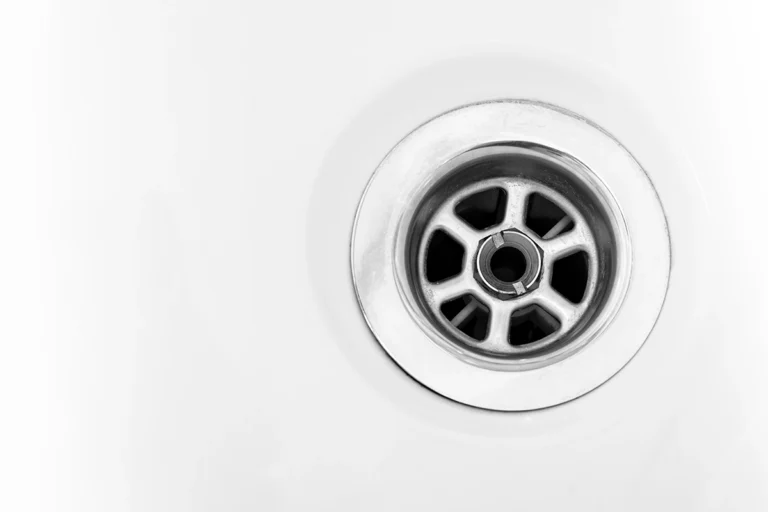
A plumbing trap is designed to hold a small amount of water, which creates a seal that blocks sewer gases from entering the home and helps protect indoor air quality. Without that seal, unpleasant odors can move freely through the drain and linger inside the home.
Although every fixture needs a trap, not every trap design performs the same way, which is why some setups are more prone to odor and drainage issues than others.
S Trap vs P Trap: How the Designs Differ
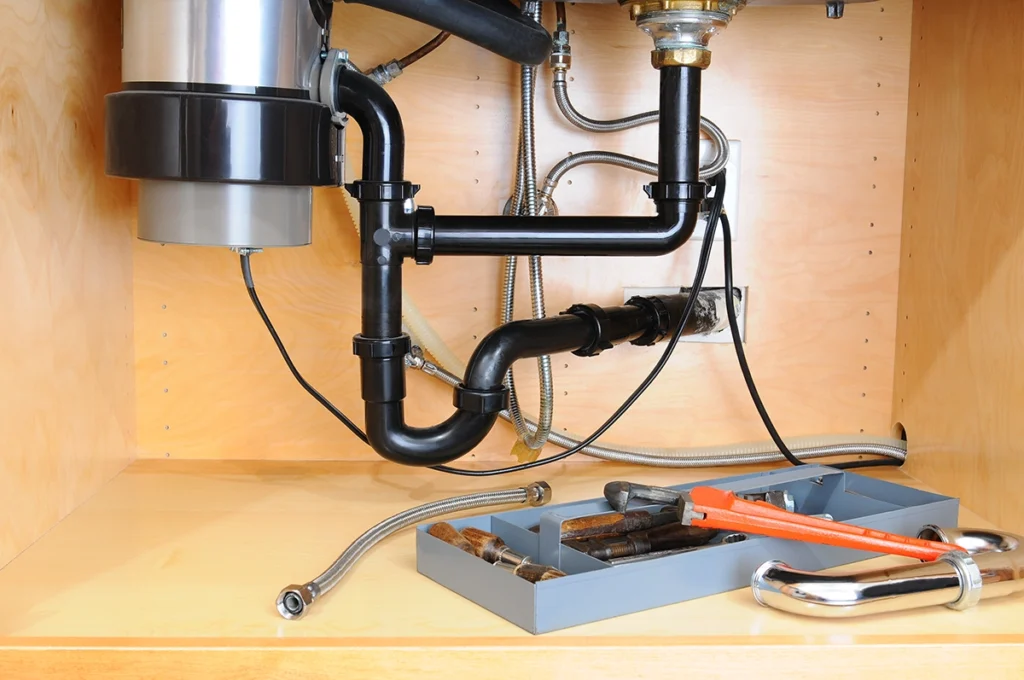
The main difference in the S trap vs P trap comes down to airflow and direction. An S trap curves downward and drops directly into the drain line. A P trap curves horizontally before connecting to a vented pipe.
That horizontal section matters. It allows air to balance pressure as water drains. Without proper airflow, water can be pulled out of the trap entirely. When that happens, sewer gases have a clear path into the home.
Because of this design difference, P traps perform more reliably in modern plumbing systems.
Why S Traps Commonly Cause Odors
S traps were once widely used under earlier plumbing standards. Over time, however, a major flaw became apparent.
When water flows quickly through an S trap, it can siphon out the standing water that normally creates the seal. Once that happens, the trap dries out, allowing sewer gases to move freely back through the drain and into the home.
Homeowners often describe these smells as random or intermittent. In reality, the trap design is usually the cause, which is why inspectors frequently flag S traps during evaluations.
S Trap vs P Trap and Plumbing Code Rules
Modern plumbing codes require traps to remain sealed and properly vented. Because S traps lack reliable venting, they typically fail current standards.
That’s not just a technical requirement. Without proper venting, a trap can lose its water seal, which allows sewer gases to enter the home.
The International Plumbing Code explains how traps and venting are regulated in modern plumbing systems, which helps explain why S traps are no longer accepted in most installations.
P traps meet these requirements when installed correctly. That’s why plumbers almost always recommend them during upgrades.
From what we see at Whale Worth It! Plumbing, Heating & Air, replacing an S trap with a P trap often resolves odor complaints quickly.
How S Trap vs P Trap Affects Drain Performance
Beyond odors, the difference between S traps and P traps also comes down to how drains perform day to day. S traps are more likely to gurgle or drain slowly because air struggles to move through the system.
P traps, on the other hand, allow smoother pressure balance. Because of that, fixtures drain more evenly over time, reducing stress on the plumbing system and helping prevent clogs.
Trap Issues and Toilet Performance
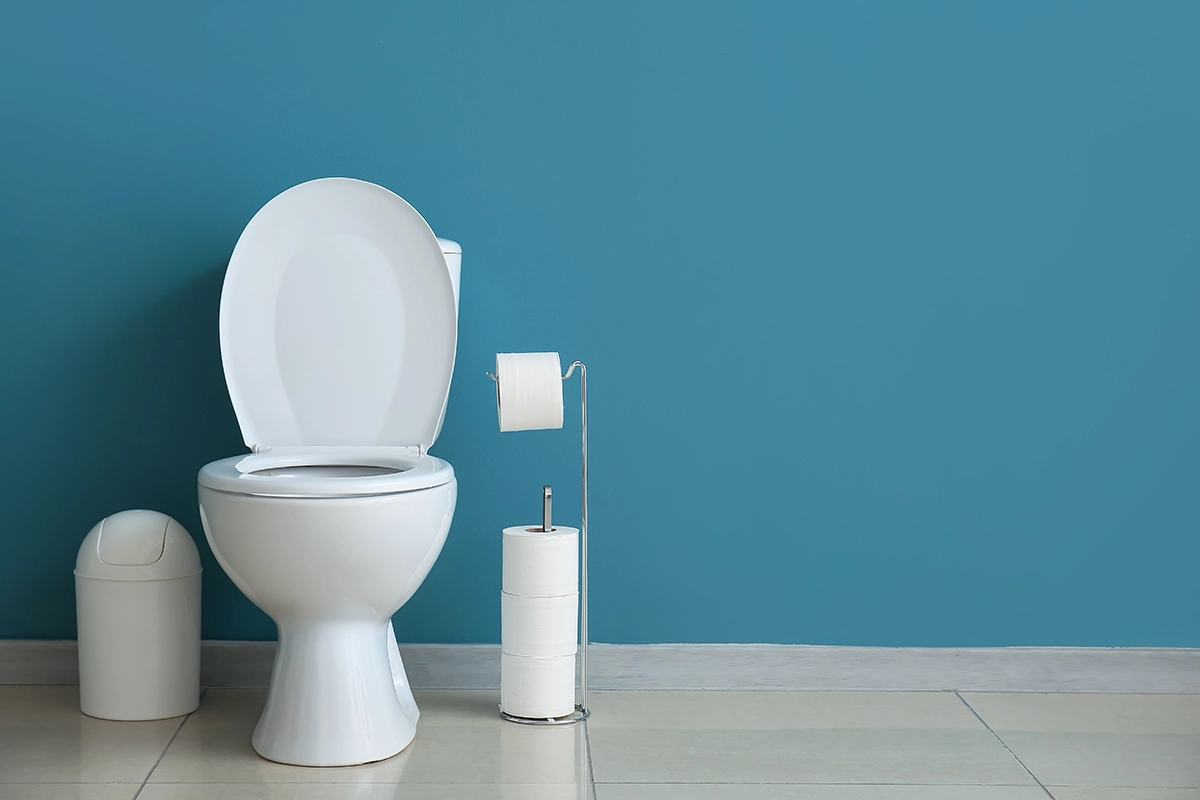
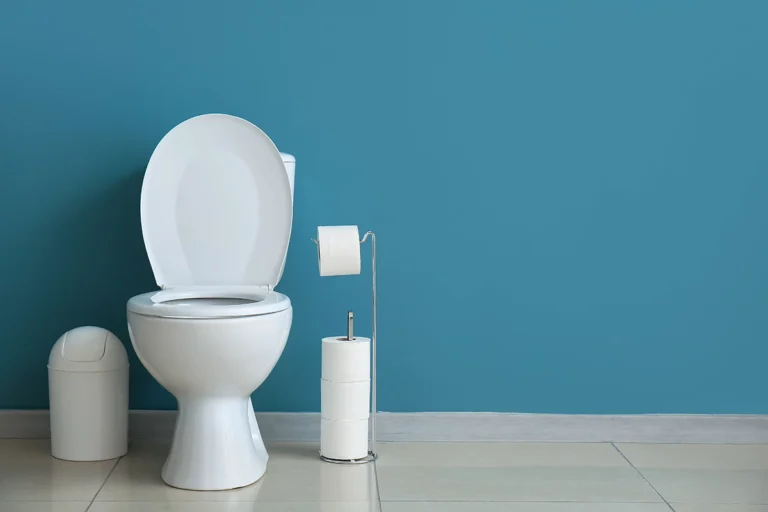
Drain airflow problems can sometimes show up in unexpected ways. For example, weak flushing or inconsistent refilling can be connected to broader drainage issues.
In those situations, it helps to look beyond the fixture itself. Problems like a toilet tank not filling properly can sometimes point to airflow or pressure issues elsewhere in the system, and addressing the full picture helps prevent repeat problems.
S Trap vs P Trap and Sewer Gas Concerns
One of the biggest concerns when comparing S traps and P traps is sewer gas exposure. These gases don’t just smell bad; they can also affect air quality inside the home.
Prolonged exposure to sewer gas odors may contribute to symptoms like headaches or nausea for some people, which is why persistent drain smells shouldn’t be ignored.
However, not all odors come from sewer gas. Some smells originate from water quality issues, which is why we often help homeowners understand sulfur-like smells in household water before assuming the drain is the problem.
Why Plumbers Recommend P Traps Today
From a professional standpoint, P traps work more reliably. They maintain a proper water seal, meet modern code requirements, and integrate cleanly with venting systems.
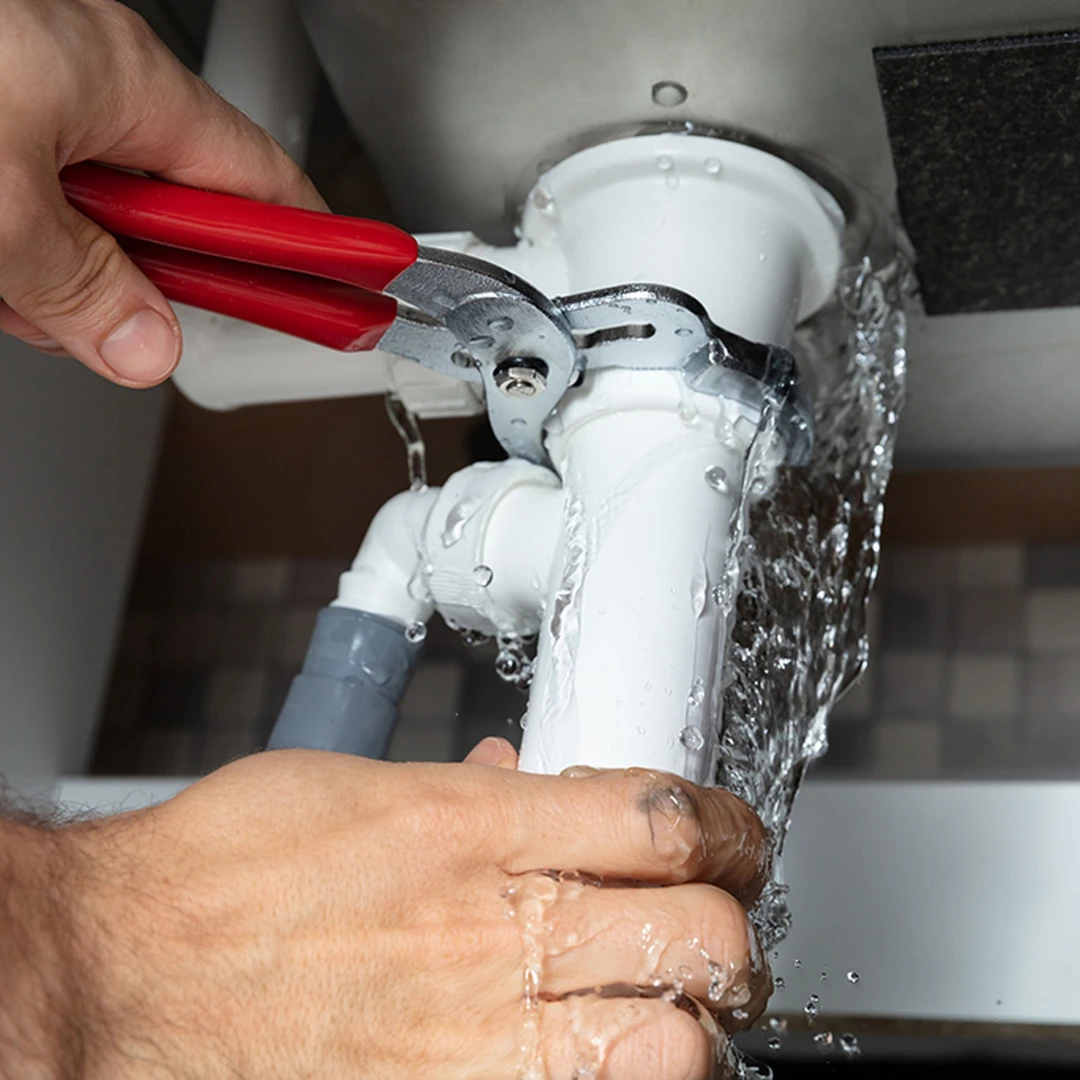
At Whale Worth It! Plumbing, Heating & Air, we don’t recommend replacements unless there’s a clear reason. When we do, it’s usually because an outdated trap is causing ongoing problems that won’t resolve on their own.
When Replacement Makes Sense
Trap replacement is often smart during remodels, fixture upgrades, or repeated odor complaints. It can also help during home sales, where outdated plumbing may delay inspections or require corrections.
Sewer system behavior can place added stress on drainage infrastructure. When sewer lines become overwhelmed or obstructed, sanitary sewer overflows (SSOs) can occur, leading to backups, odors, and health concerns. The U.S. Environmental Protection Agency explains how SSOs develop and why proper plumbing system design matters.
Final Thoughts on the S Trap vs P Trap
Understanding the S trap vs P trap gives homeowners clarity about a problem that often stays hidden. While both designs once had a place, only one meets modern expectations. When traps function correctly, they protect air quality and comfort. When they don’t, problems tend to linger.
If recurring drain odors or slow drainage continue, professional plumbing repair can help identify whether an outdated trap or venting issue is the root cause. At Whale Worth It! Plumbing, Heating & Air, we help homeowners correct these issues before they turn into larger problems. Contact us today to schedule an inspection.
We proudly serve homeowners across the North Shore, including surrounding communities throughout Massachusetts.
FAQs About Plumbing Traps
Here are a few common questions we hear when discussing trap design.
A P trap maintains its seal with proper venting, while an S trap can siphon dry.
Most modern codes prohibit them, though older homes may still have them installed.
Yes. Once the water seal is lost, sewer gases can enter the home.
Yes. Homes built before modern plumbing codes sometimes still have them, especially if plumbing hasn’t been updated. What is the main difference between an S trap and a P trap?
Are S traps still allowed under plumbing code?
Can an S trap cause sewer gas smells?
Are S traps more common in older homes?