Low water pressure in the shower frustrates homeowners fast. We see it all the time. One day everything feels normal. The next, rinsing shampoo suddenly takes forever. From our experience at Whale Worth It! Plumbing, Heating & Air, this problem almost always has a clear cause. And more often than not, it’s fixable once you know where to look.
While a weak shower might seem like a small annoyance, it often points to something going on behind the scenes. Sometimes the issue is isolated to the shower. Other times, it’s an early warning sign of a bigger plumbing concern. That’s why understanding what causes low water pressure in the shower can help you prevent more serious problems down the road.
Common Causes of Low Water Pressure in a Shower
Having low water pressure in your shower rarely happens without a reason. In fact, most causes fall into a few predictable categories.
Mineral Buildup in the Showerhead
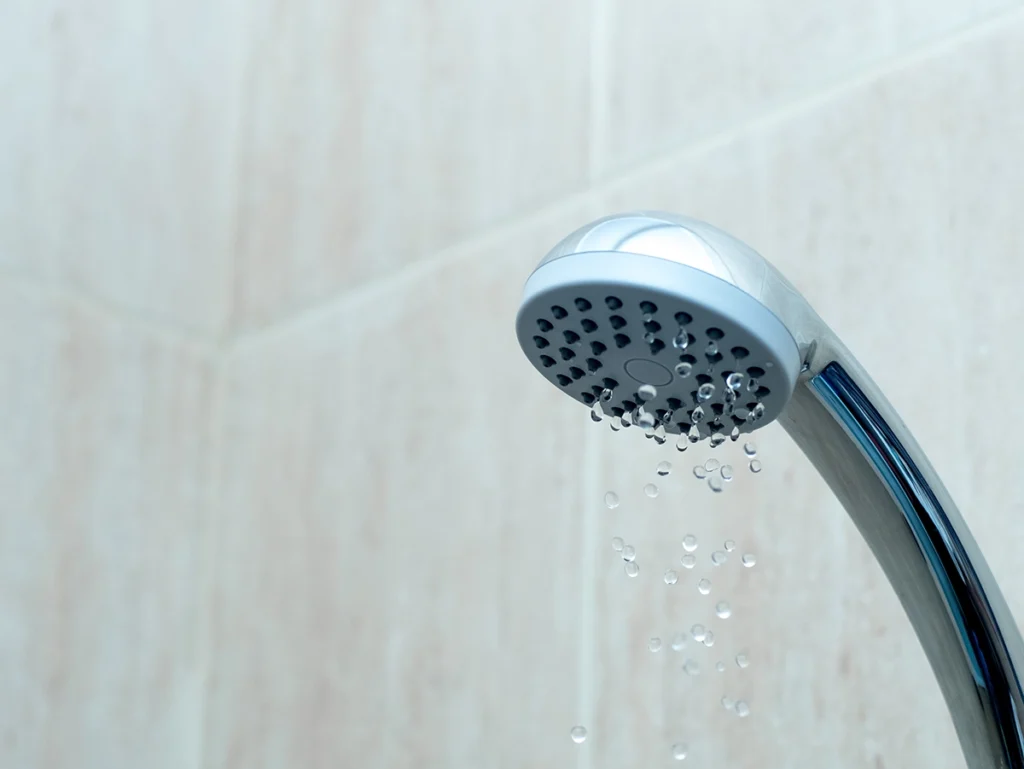
Over time, minerals collect inside showerheads, especially in areas with hard water. As deposits build, water flow narrows. As a result, pressure drops even though the water supply itself hasn’t changed.
According to the U.S. Geological Survey, hard water contains high levels of dissolved calcium and magnesium. These minerals can form scale buildup inside fixtures and pipes, restricting water flow and contributing to lower water pressure.
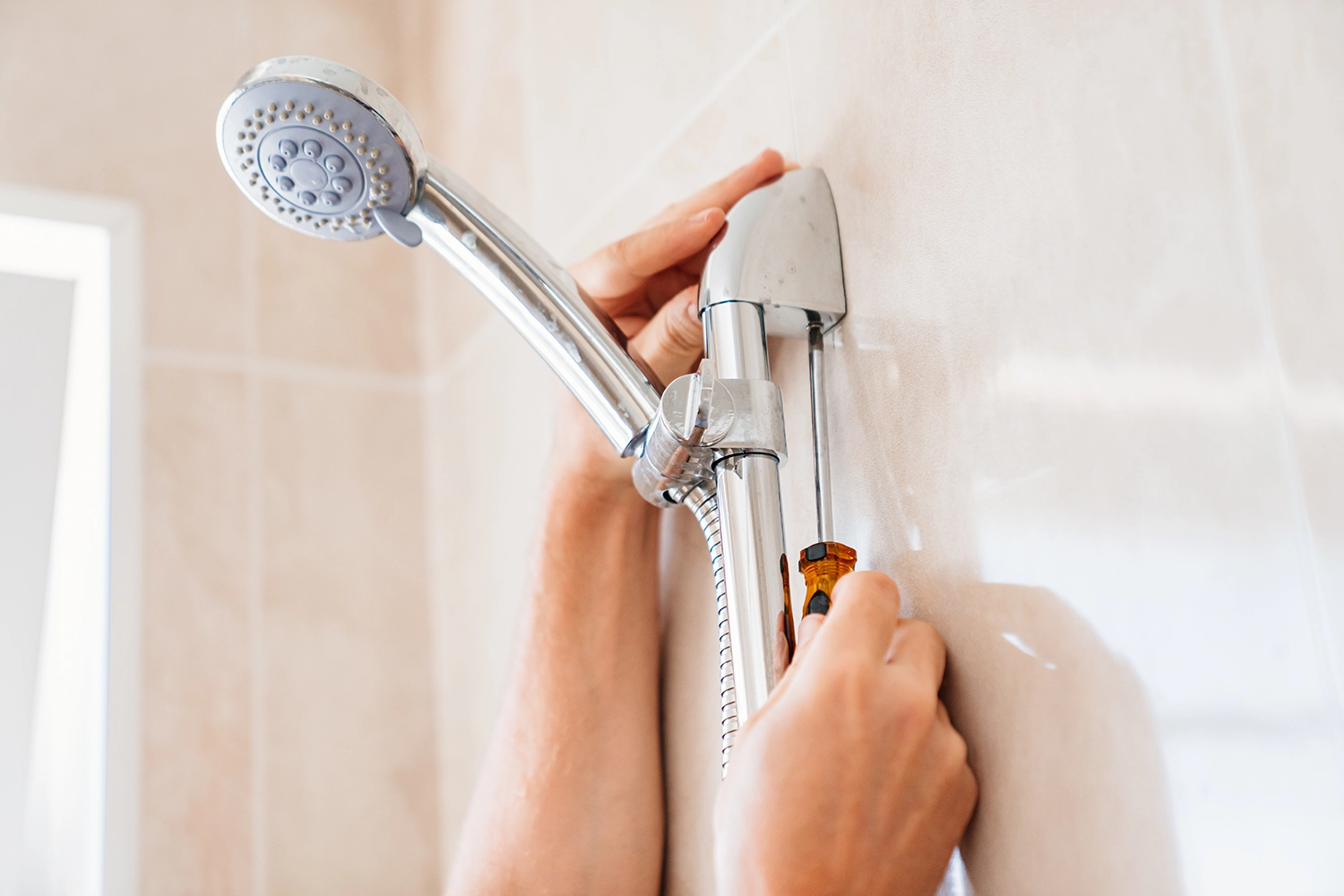
Thankfully, cleaning or replacing the showerhead often restores normal flow.
Low Water Pressure in the Shower but Not Elsewhere
When low water pressure shows up in your shower but not at sinks or toilets, the issue is usually localized. For example, a partially closed valve near the shower can restrict flow. Similarly, worn mixing valves may limit pressure on one temperature side.
However, if you’ve noticed other fixtures acting up—like a toilet tank not filling properly—that points to a broader supply issue worth addressing.
Sudden Drops in Shower Water Pressure
Sudden changes deserve attention. If pressure drops overnight, something in the system likely changed.
Frozen or Partially Frozen Pipes
Cold weather can restrict water flow quickly. Even partial freezing reduces pressure before a full blockage occurs. That’s why homeowners often ask us how to tell if pipes are frozen when shower pressure drops in winter.
Pressure Problems Tied to Hot Water Only
Sometimes, low water pressure only affects the hot water in your shower. In those cases, the water heater or mixing valve often plays a role.
If pressure drops when you turn the handle toward hot, it can be an early sign that the home’s hot water supply is failing. Mineral deposits inside the water heater can restrict output long before hot water disappears entirely.
According to EPA WaterSense, flushing a water heater once a year helps reduce sediment buildup that can decrease efficiency and affect hot water performance over time.
Low Water Pressure in the Shower vs. Whole-House Pressure Problems
Having low water pressure in your shower doesn’t always mean the entire home has pressure issues. However, it’s important to rule that out.
Check Other Fixtures
Before assuming the worst, test sinks and outdoor spigots. If pressure feels weak everywhere, the issue may involve the main shutoff valve or pressure regulator.
Additionally, exterior fixtures matter. A partially closed outdoor valve or damaged connection can affect interior pressure. That’s why understanding exterior fixtures—like hose connections—and knowing when to drip faucets in cold weather plays a role in preventing pressure loss.
When Low Water Pressure in the Shower Means It’s Time to Call a Plumber
Although some fixes are simple, others aren’t. If cleaning fixtures and checking valves don’t help, professional diagnostics become important.
At Whale Worth It! Plumbing, Heating & Air, we check:
-
Pressure regulators
-
Supply line restrictions
-
Hidden leaks
-
Valve failures behind walls
Because pressure problems can overlap, we also look for related symptoms. For example, if a homeowner mentions slow-filling toilets or inconsistent hot water, we investigate the system as a whole.
How We Diagnose and Fix Low Shower Pressure
We don’t guess. We test.
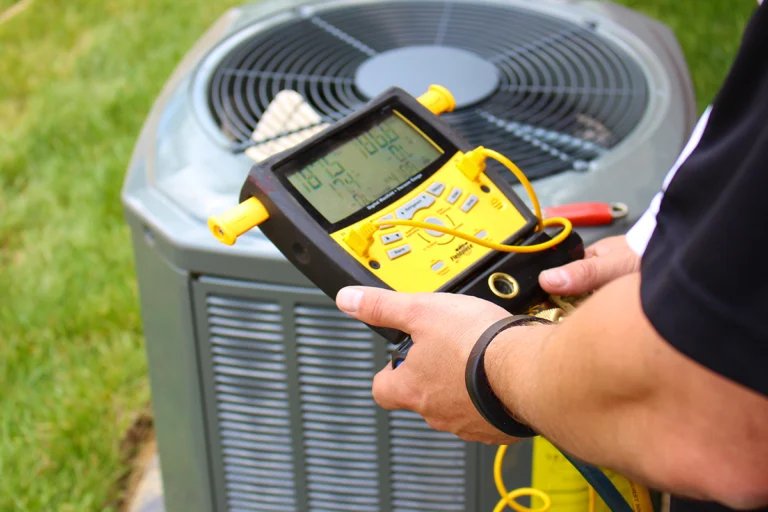
Our team uses pressure gauges, flow checks, and visual inspections to pinpoint the cause. Then, we explain the issue clearly before recommending repairs. That approach helps homeowners avoid unnecessary work while restoring reliable pressure.
If repairs are needed, our plumbing repair services focus on fixing the root cause—not just masking symptoms. That’s how we prevent repeat issues.
What to Do About Low Water Pressure in the Shower
Low water pressure in the shower can quickly turn everyday routines into a frustration. If basic checks haven’t helped, it’s time to bring in professionals.
Contact us at Whale Worth It! Plumbing, Heating & Air to restore comfortable water pressure without guesswork. If you’re in North Shore, MA or one of the surrounding areas, our team is ready to schedule plumbing service and help you get answers you can trust.
FAQs About Low Water Pressure in Your Shower
Homeowners ask us the same questions often. Here are clear answers to the most common ones.
This usually means the issue is localized. Mineral buildup in the showerhead, a partially closed valve, or a worn mixing valve can restrict flow while other fixtures work normally.
Yes. Ongoing pressure issues can signal valve wear, sediment buildup, or developing supply restrictions. Left unchecked, these problems may begin affecting other fixtures.
In most cases, no. Pressure problems tend to stay the same or slowly worsen unless the underlying cause is corrected.
Yes. Replacing or cleaning the showerhead is a simple first step. If pressure doesn’t improve, the cause is likely deeper in the plumbing system. Why is my water pressure low only in the shower?
Can low water pressure in the shower cause other plumbing problems?
Will low water pressure in the shower go away on its own?
Should I replace the showerhead first?