If you’ve ever stood at the sink and asked yourself, “How long does a water heater take to heat up?” you’re probably waiting longer than you expected. It’s one of the most common questions we hear. Whether it’s after a shower, a power outage, or a full tank drain, waiting for hot water can feel endless.
At Whale Worth It! Plumbing, Heating & Air, we’ve worked on every type of system. So let’s break down what’s normal, what’s not, and when you should be concerned.
How Long Does a Water Heater Take to Heat Up on Average?
The answer depends largely on the type of water heater you have.
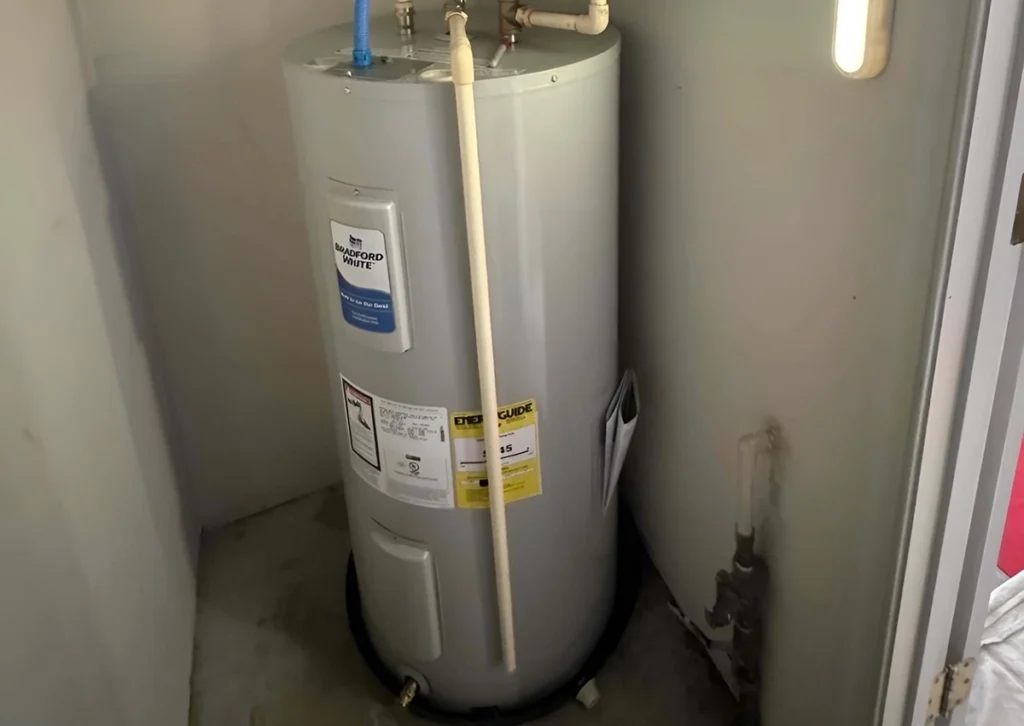
A standard 40–50 gallon gas water heater usually reheats in about 30 to 40 minutes. An electric water heater, however, often takes 60 to 80 minutes for full recovery.
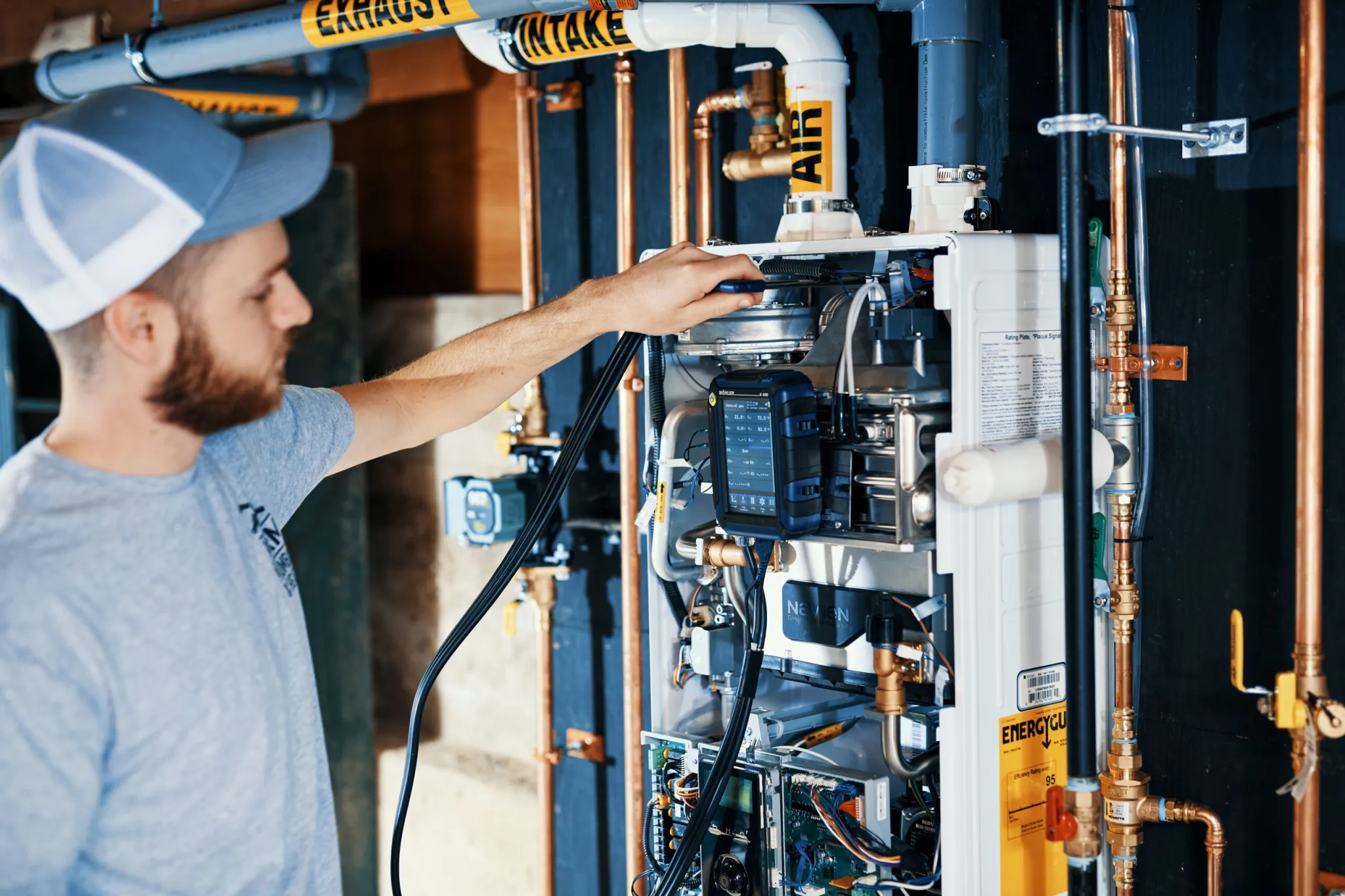
Tankless water heaters work differently. Instead of reheating stored water, they heat water on demand, so there is no traditional recovery time. Flow rate limits can still affect how much hot water is available at once.
According to the U.S. Department of Energy, water heating accounts for about 18% of a home’s energy use, making it the second-largest energy expense in most households. That makes heating time more important than many homeowners realize.
If your unit is taking significantly longer than these ranges, there may be an underlying issue.
Factors That Affect How Long a Water Heater Takes to Heat Up
Several factors directly affect how quickly your system heats water.
Tank Size
Larger tanks naturally take longer to heat. A 75-gallon system requires more time than a 40-gallon unit.
Fuel Type
Gas systems heat faster because burners produce higher BTUs. Electric systems rely on heating elements, which operate more slowly.
Incoming Water Temperature
In colder climates, groundwater temperatures drop significantly during winter months. That means your water heater starts with colder incoming water, which increases the amount of heat required to reach your set temperature. As a result, reheating takes longer in winter than in warmer seasons.
Sediment Buildup
Mineral deposits collect at the bottom of tank systems over time. That sediment acts like insulation, forcing the burner or element to work harder.
Tankless systems also require routine flushing to prevent mineral buildup. Proper maintenance, including annual descaling, is essential for performance — especially in hard water areas. Learning how to clean a tankless water heater properly helps maintain performance and efficiency.
How Long Does a Water Heater Take to Heat Up After Draining?
After a full drain, the system has to start from scratch.
Gas systems often refill and heat within 30 to 40 minutes. Electric systems may take over an hour, while a partially depleted tank reheats much faster.
If you’re waiting much longer than that, something may be wrong. What feels like slow heating can sometimes point to a different issue, such as a failed heating element or gas supply interruption.
Why Your Water Heater Might Be Heating Slowly
When homeowners ask us how long a water heater takes to heat up, they’re often concerned about noticeable delays.
Several common issues can slow heating performance.
Aging Heating Elements
Electric heating elements degrade over time, especially in areas with hard water. As they weaken, the system takes longer to bring water up to temperature.
Failing Gas Burners
Gas systems depend on consistent flame output. If burners become dirty or partially clogged, heating performance drops and recovery slows.
Thermostat Issues
A malfunctioning thermostat may misread water temperature or cycle incorrectly, causing inconsistent heating.
Hard Water Conditions
According to the U.S. Geological Survey, hard water contributes to mineral buildup inside plumbing fixtures and water heaters. Over time, that buildup reduces efficiency and forces the system to work harder.
If you also notice a rotten egg smell in your hot water, anode rod corrosion may be contributing to both odor and performance issues.
When It’s Not a Heating Issue at All
Sometimes the heater is working exactly as it should, but delivery issues make it seem slow.
Low water pressure in the shower can delay hot water arrival, even when the tank is fully heated. Reduced flow doesn’t change recovery time — it simply affects how quickly hot water reaches the fixture.
Long pipe runs in larger homes can also increase wait time. In those cases, the delay has more to do with plumbing layout than the heater itself.
How Long Does a Water Heater Take to Heat Up Before It Needs Repair?
In most homes, recovery should stay within normal ranges — roughly 30 to 60 minutes, depending on system type. If your water heater consistently takes significantly longer than that, especially compared to previous performance, it may indicate a developing issue.
Heating time often increases gradually as units age. Most traditional tank systems last between 8 and 12 years, and internal components naturally wear down over time.
If heating delays become noticeable and consistent, professional inspection can determine whether maintenance will restore performance or if a repair is needed to prevent further decline.
Signs It’s Time to Call a Professional
If you notice any of the following issues, it may be time for a professional evaluation:
-
Recovery consistently exceeds 90 minutes
-
Water never fully reheats
-
Popping or rumbling sounds come from the tank
-
Hot water runs out unusually fast
-
Utility bills spike without increased usage
Some delays are normal, especially after heavy demand. However, consistent or worsening symptoms usually indicate an underlying problem.
Final Thoughts: How Long Does a Water Heater Take to Heat Up?
In most homes, how long does a water heater take to heat up depends on system type and tank size. Gas models typically recover within 30 to 40 minutes, while electric units often take closer to an hour.
If recovery time starts stretching well beyond those ranges, it may indicate a developing issue. Addressing small problems early can help prevent larger failures later.
At Whale Worth It! Plumbing, Heating & Air, we help homeowners across North Shore, MA diagnose slow heating problems and restore dependable hot water. If your system isn’t performing the way it should, scheduling professional water heater repair can help restore normal heating performance.
Contact our team today to schedule service and get your hot water back on track.
Frequently Asked Questions
Homeowners researching how long it takes a water heater to heat up usually want quick, clear answers. Here are the most common ones.
Gas models typically take 30 to 40 minutes. Electric models usually take 60 to 80 minutes for full recovery.
Sediment buildup, failing heating elements, thermostat problems, or hard water conditions can all slow recovery time.
This may indicate a broken dip tube, failing heating element, undersized tank, or excessive household demand.
Most manufacturers recommend flushing once per year. Homes with hard water may require more frequent maintenance. How long should a 40-gallon water heater take to heat up?
Why is my water heater taking so long to heat up?
Why does my hot water run out so fast?
How often should I flush my water heater?