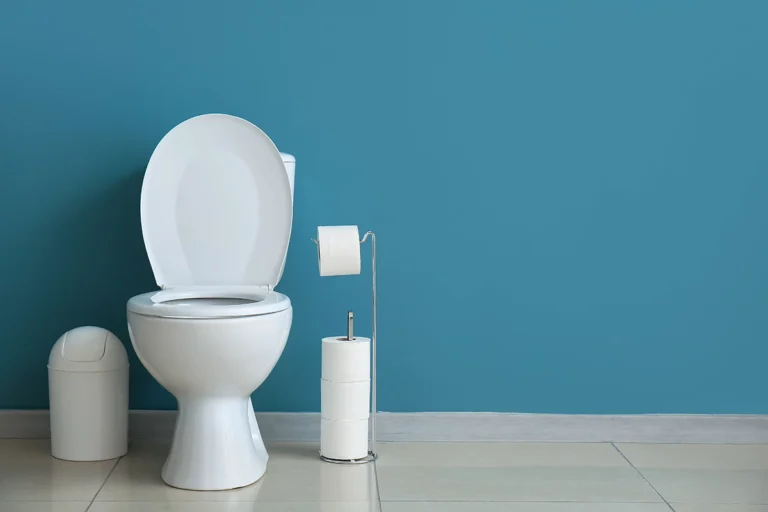
When a toilet won’t flush, the first question is simple: is the problem inside the tank or in the drain? The answer determines everything that comes next. In our experience at Whale Worth It! Plumbing, Heating & Air, most flushing problems fall into a few predictable categories. Either the tank isn’t releasing enough water, or something is restricting the flow out of the bowl. Figuring out which one you’re dealing with prevents unnecessary mess and wasted effort.
Before you panic, pause and take a quick look inside the tank. The behavior of the water tells you almost everything.
When a Toilet Won’t Flush, Start by Checking the Tank
Lift the tank lid carefully. First, look at the water level.
If the tank is empty or very low, the toilet simply has nothing to push into the bowl. A flush depends on the volume of water released from the tank, not just gravity alone.
Without enough water in the tank, the toilet bowl won’t flush properly.
Common causes include:
-
A stuck fill valve
-
A float set too low
-
A shutoff valve partially closed
-
Supply line restriction
If the tank never refills after flushing, that’s a separate issue. It usually traces back to the fill valve or water supply, which requires a different set of checks than a standard flush problem.
According to the U.S. Environmental Protection Agency, toilets account for nearly 30% of an average home’s indoor water use, which is why tank problems tend to become noticeable quickly.
Toilet Won’t Flush but Tank Is Full
If the tank is full yet nothing happens when you press the handle, you’re dealing with a mechanical failure inside the tank.
Open the lid again and press the handle while watching.
You should see the flapper lift. If it doesn’t, the chain is either disconnected or too loose. This is very common.
Other possibilities:
-
Broken flush handle arm
-
Chain too long or tangled
-
Flapper warped or stuck
-
Flush valve worn out
A worn flapper can also cause weak flushing. Water leaks into the bowl slowly, so there’s never enough water stored in the tank for a proper flush.
If the Toilet Won’t Flush and the Bowl Fills Up
This is the situation people dread.
The handle works. Water moves. However, the bowl rises instead of draining. Now you’re likely dealing with a blockage.
Start with a plunger — a flange plunger, not a sink plunger. The extended rubber collar creates a seal in the toilet trap.
If plunging temporarily works but the problem returns, the obstruction is probably deeper. A toilet trap can hold paper, wipes, or foreign objects surprisingly easily. “Flushable” wipes are a frequent cause because they don’t break down like toilet paper — a point Consumer Reports has noted.
Signs the Blockage Is Beyond the Toilet
Sometimes the toilet bowl won’t flush because the problem isn’t the toilet at all.
Watch for:
-
Slow bathtub draining
-
Shower backing up
-
Water appearing in a nearby drain
-
Bubbling sounds
Bubbling or air noises from the toilet usually means the issue involves the drainage system rather than the toilet itself.
Toilet Won’t Flush and You Hear Gurgling
Bubbling and gurgling are closely related symptoms. Both happen when the plumbing system can’t move air through the vent properly. Instead of pulling air from the roof vent, the system pulls air through the toilet bowl.
If you notice your toilet gurgling after a flush, the drainage system is struggling to equalize pressure.
Plumbing drains rely on vent pipes to balance air pressure inside the pipes. Without proper airflow, water cannot move smoothly through the line. Instead, the system pulls air through the nearest opening — often the toilet bowl.
That’s why the bowl may not empty completely. The drain line isn’t flowing freely.
Gurgling shouldn’t be ignored. A restricted vent or main drain can push sewer gas or wastewater back toward fixtures inside the home. Sewage backups aren’t just messy — the EPA notes they can threaten public health and cause property damage.
How Trap Design Affects Flushing
Toilets include a built-in trap, but nearby fixtures matter too.
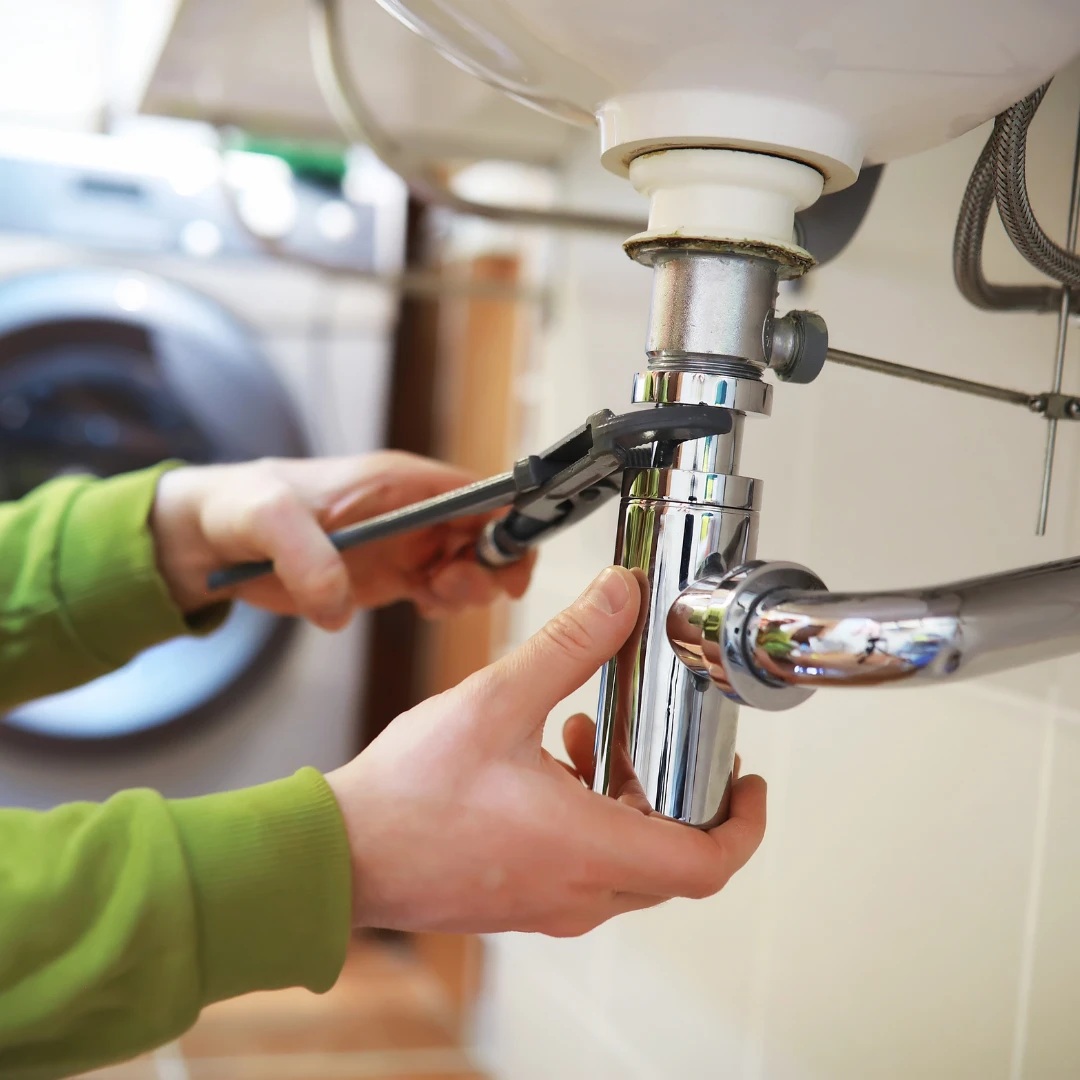
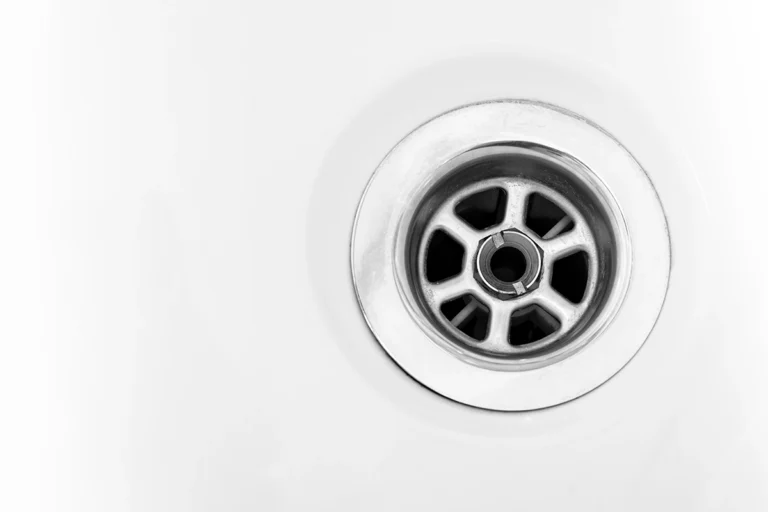
Bathroom sinks and tubs rely on a curved drain that holds water to block sewer gas. That same trap design affects how air moves through the plumbing system and helps explain why toilets can struggle to flush when pressure isn’t balanced.
In other words, your toilet’s performance depends on the entire system, not just the fixture.
What NOT to Do When a Toilet Won’t Flush
We see a few repeated mistakes:
-
Repeated flushing (causes overflow)
-
Chemical drain cleaners (can damage seals)
-
Using a wire hanger (scratches porcelain)
-
Ignoring recurring clogs
Repeated flushing actually forces more water into a blocked system. Instead, shut off the toilet’s supply valve behind the base if the water level rises.
When It’s Time for Professional Plumbing Repair
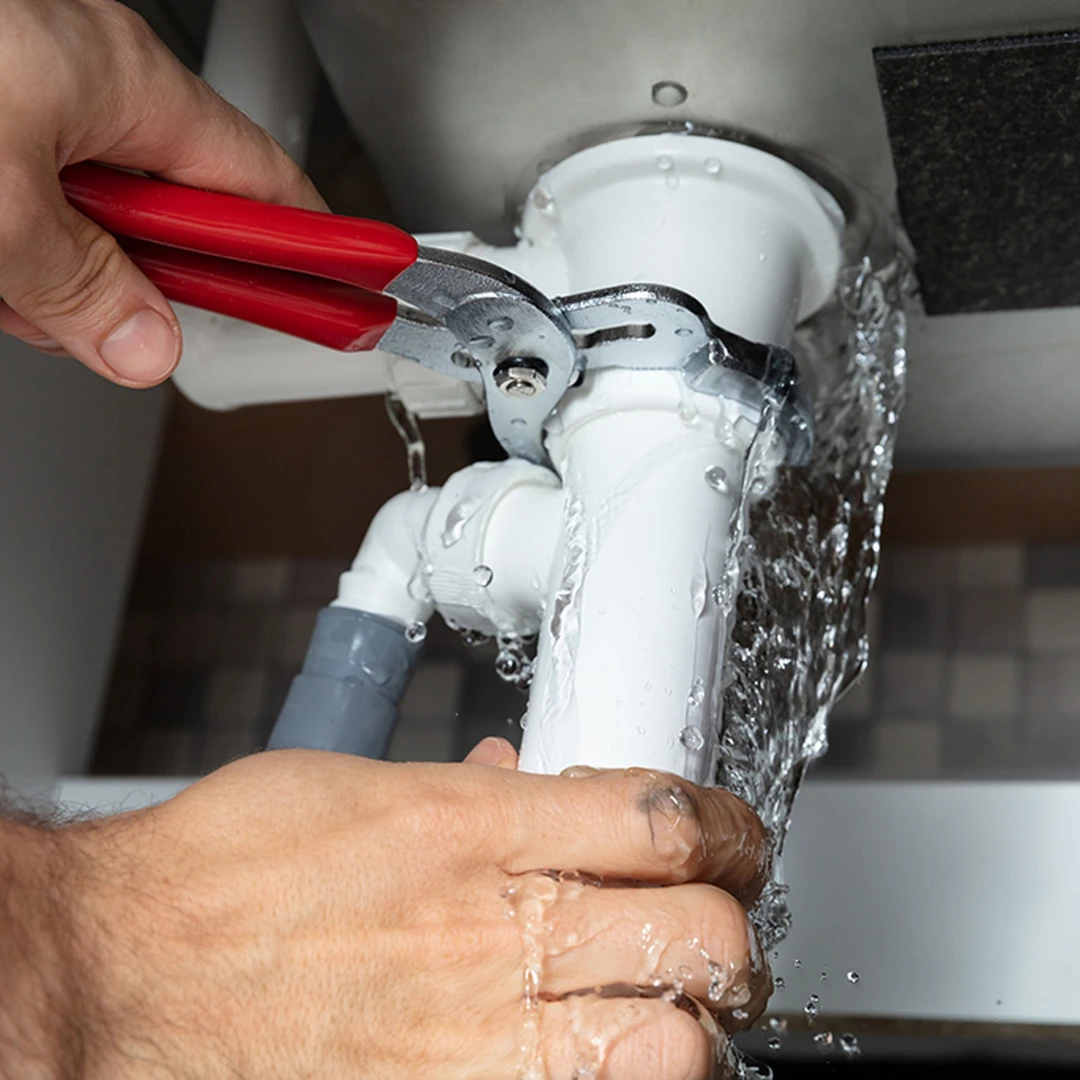
If plunging doesn’t restore normal flow, the blockage may sit in the branch line or main sewer line. At that point, tools like augers or drain inspection cameras are needed.
When homeowners call us, we locate the restriction first instead of guessing, which helps avoid repeat clogs.
At Whale Worth It! Plumbing, Heating & Air, we handle everything from simple flapper repairs to main line clearing.
Preventing Future Toilet Flush Problems
Small habits make a big difference.
Only flush:
-
Toilet paper
-
Human waste
Avoid:
-
wipes
-
paper towels
-
hygiene products
-
cat litter
Also, replace worn tank parts every few years. Rubber components age even when the toilet seems fine.
Final Thoughts
A toilet that won’t flush rarely means you need a new toilet. Most of the time, it’s a refill issue, internal mechanism failure, or a blockage that can be corrected once properly diagnosed. If you’re in the North Shore, MA area and the problem keeps returning, Whale Worth It! Plumbing, Heating & Air can help you figure out exactly what’s happening and fix it safely. Contact us today to schedule service.
Frequently Asked Questions
Below are quick answers to common flushing problems homeowners search for:
Usually the flapper, chain, or handle isn’t lifting the flush valve. The water is there but never released into the bowl.
Stop flushing immediately and shut off the supply valve behind the toilet. Then use a flange plunger to clear a likely clog.
Yes. A blockage in the branch line or main sewer line prevents water from leaving the bowl, so it backs up instead.
If plunging fails or the problem keeps returning, a deeper drain obstruction or venting issue is likely and needs professional tools. Why won’t my toilet flush even though the tank is full?
What should I do if the toilet won’t flush and the water rises?
Can a clogged drain line cause a toilet not to flush?
Do I need a plumber if my toilet won’t flush?