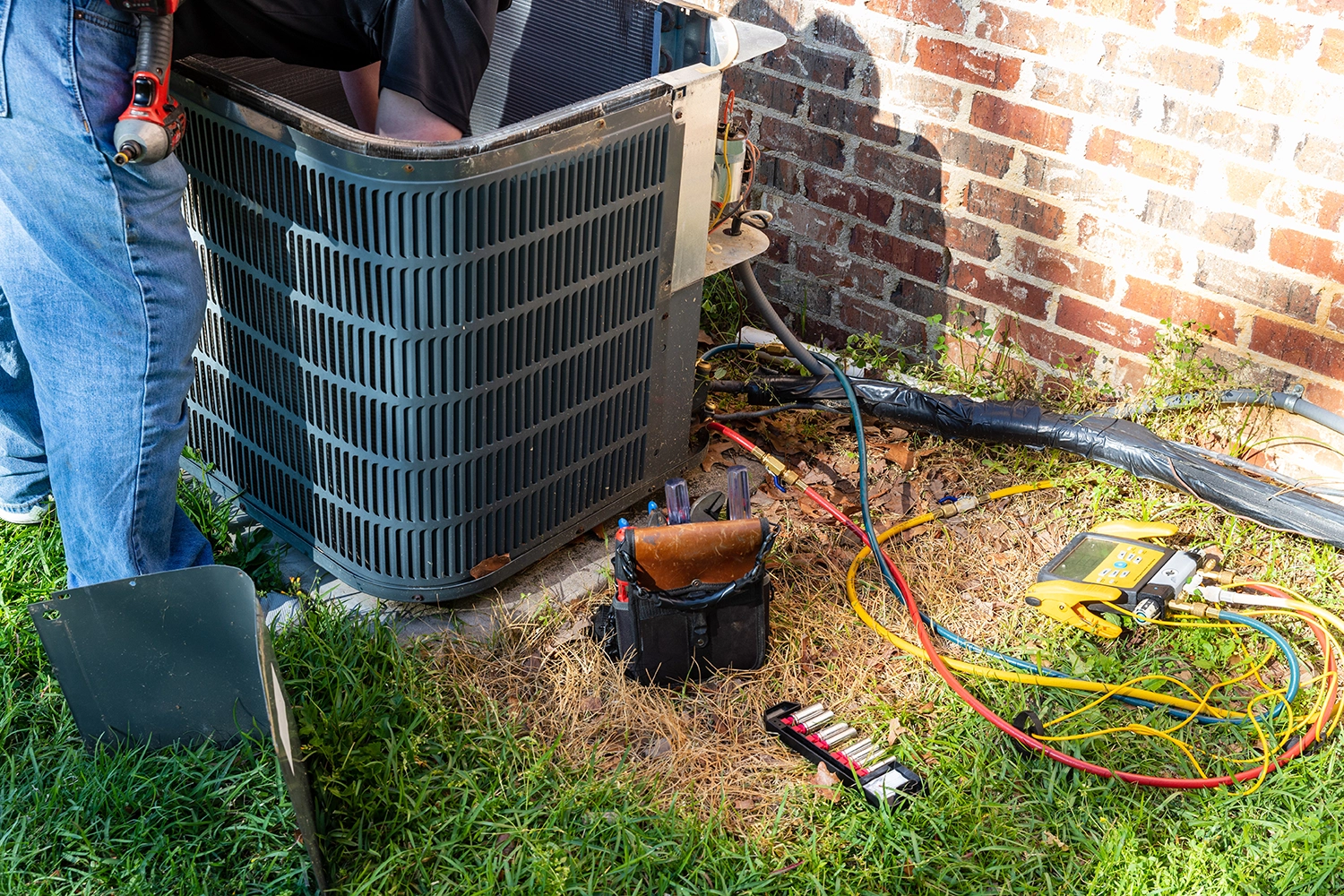
When someone calls us about an outside AC unit not turning on, the situation is usually pretty similar. The thermostat is set to cool, the indoor fan is moving air, yet the outdoor condenser sits completely quiet. Whether it’s a house, retail shop, office, or small warehouse, the symptom feels the same — air is moving, but the building is not cooling.
We see this across both residential and commercial service calls at Whale Worth It! Plumbing, Heating & Air. Fortunately, most no-start problems leave clues before a repair visit. So first, let’s walk through the safe things you can check and what they actually mean.
Why the Outside AC Unit Not Turning On Matters
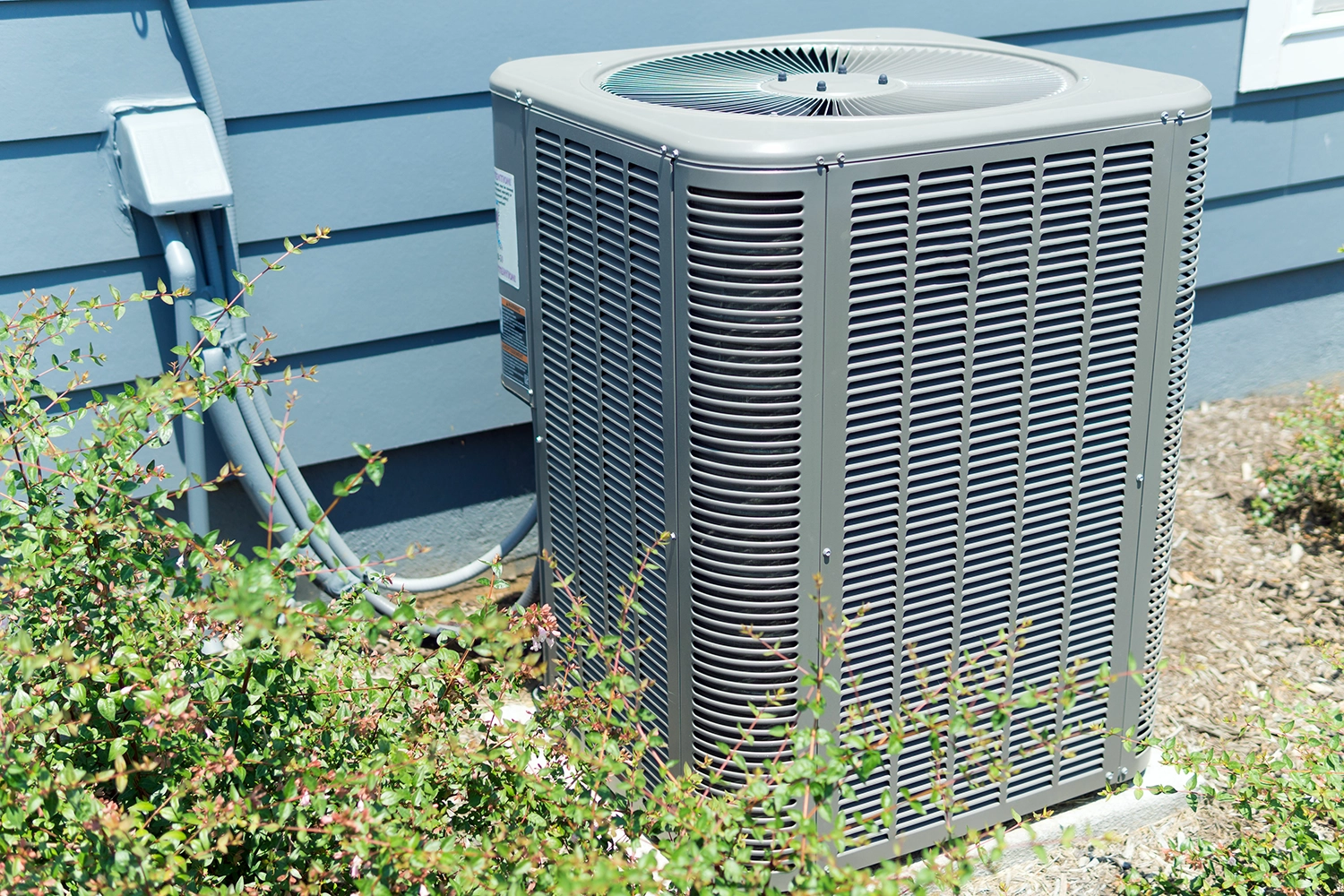
Your air conditioning system is a split system. The indoor equipment circulates air, while the outdoor condenser removes heat from the building. If the condenser never starts, you’re only recirculating room-temperature air.
In other words, airflow does not equal cooling.
Because of that, a condenser that won’t start quickly becomes a comfort and productivity problem — whether it’s a living room or a workspace.
What to Check First When the Outside AC Unit Is Not Turning On
Before going outside, always start inside.
Thermostat Settings
Make sure:
-
Mode is set to Cool
-
Setpoint is lower than the room temperature
-
Fan is set to Auto
If the fan is set to “On,” the blower will run continuously even if the condenser never receives a cooling signal. This alone explains many service calls in both homes and light commercial buildings.
Electrical Breakers
Air conditioners typically use two separate electrical circuits:
-
indoor air handler or furnace
-
outdoor condenser
If the outdoor breaker trips, the blower still runs. That makes it look like the AC works, even though cooling has stopped.
Reset the breaker once. If it trips again, stop there. Repeated resets can damage the compressor.
Checking the Outdoor Disconnect
Near the condenser, you’ll find a small metal box mounted to the wall. This is the disconnect.
Sometimes:
-
The pullout handle is not fully seated
-
A fuse blows
-
Corrosion interrupts power
If the disconnect isn’t supplying electricity, the unit cannot start, even if everything inside is operating normally.
Common Causes of an Outside AC Unit Not Turning On
After verifying power, the remaining causes usually involve components that start the condenser.
Contactor Failure
The contactor is an electrical relay. It receives a low-voltage signal and allows high-voltage power to flow to the compressor and fan.
You may hear a click but see no movement. That’s a very typical failure.
Capacitor Problems
Capacitors help motors start. When they weaken, the fan or compressor can’t spin.
Refrigerant Safety Lockout
Low refrigerant pressure triggers a protective switch. The system refuses to start to prevent compressor damage.
So the thermostat calls for cooling, but the condenser stays off.
Why the Indoor Fan Still Runs When the Outside AC Unit Is Not Turning On
This part confuses many people.
The cooling call starts indoors. The thermostat first activates the blower. After that, the indoor control board sends a signal outside to start the condenser.
If any safety or electrical interruption occurs, the blower keeps running but cooling never begins.
We explain this frequently on both residential and commercial calls at Whale Worth It! Plumbing, Heating & Air. The outdoor unit is actually the final step in the startup sequence.
Another Cause: Drain Line Safety Switch
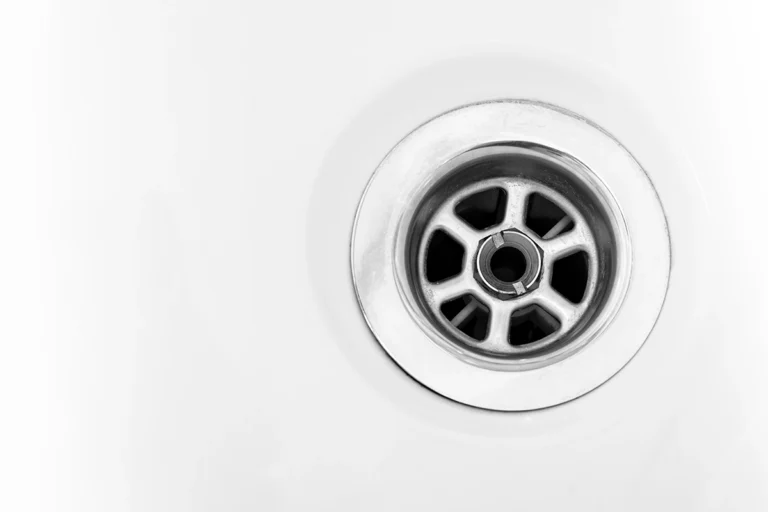
Many modern systems include a float switch in the condensate drain. Its job is to stop cooling when water backs up, helping prevent overflow and property damage.
The U.S. Department of Energy notes that clogged condensate drains can cause AC equipment to shut off until the drain is cleared. In practice, that means a drain issue can shut down cooling even though the symptom looks like the outside unit won’t start.
So while the shutdown is intentional, the symptom you notice is still the same: the outdoor condenser does not start.
When to Stop Troubleshooting an Outside AC Unit Not Turning On
Do not:
-
Open electrical panels
-
Push in the contactor
-
Test wiring
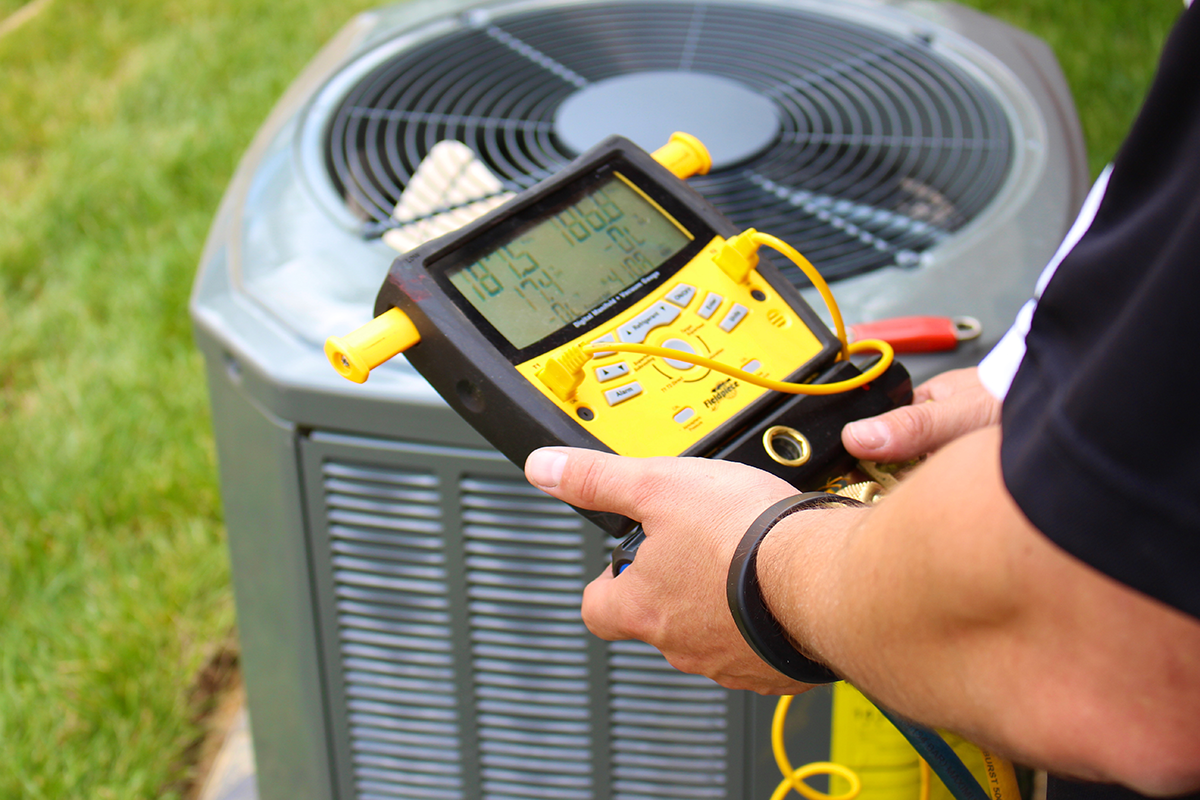
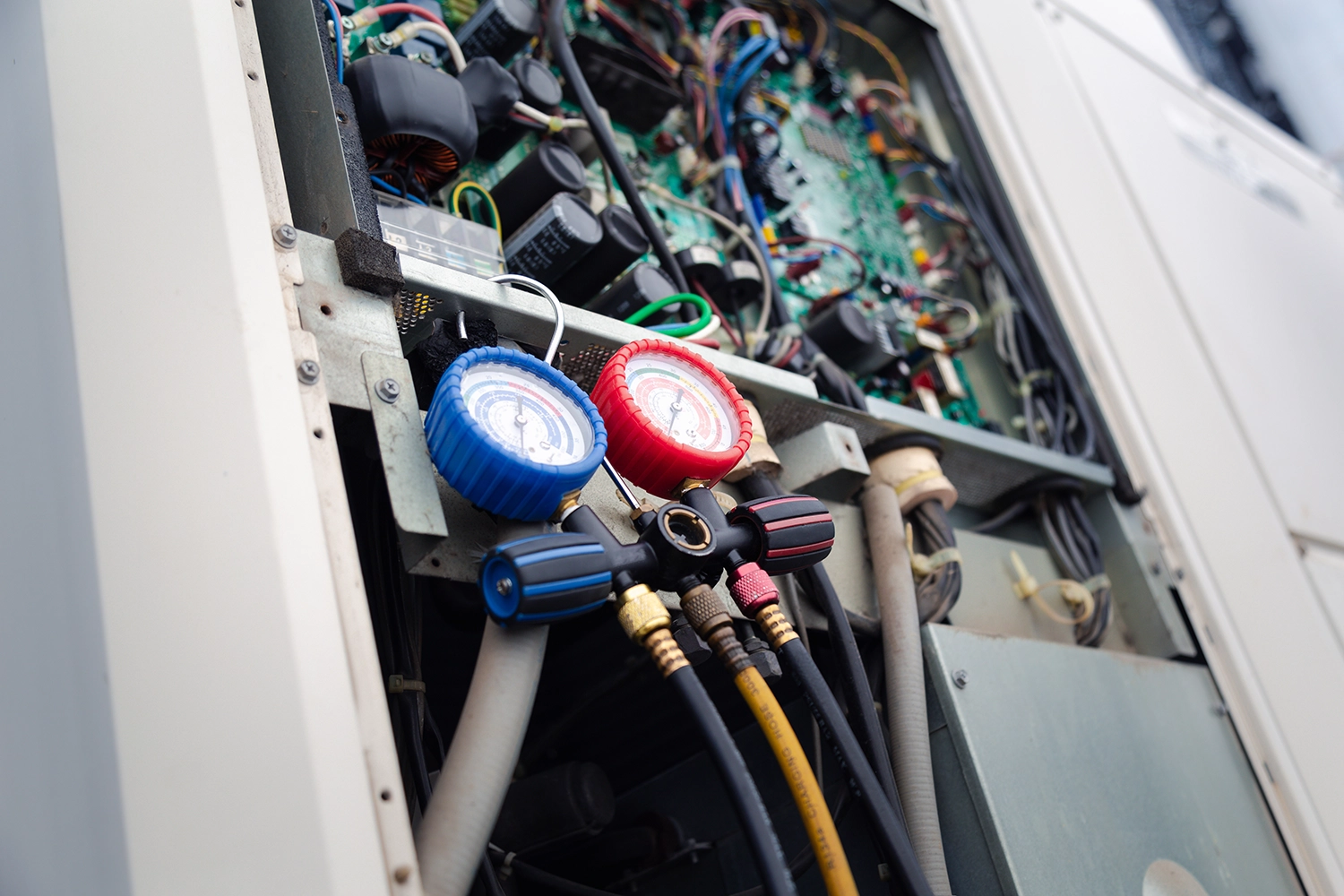
Air conditioners operate at high voltage. Once you’ve confirmed the thermostat settings, breaker position, and disconnect are all in the correct state, the remaining checks require instruments and training.
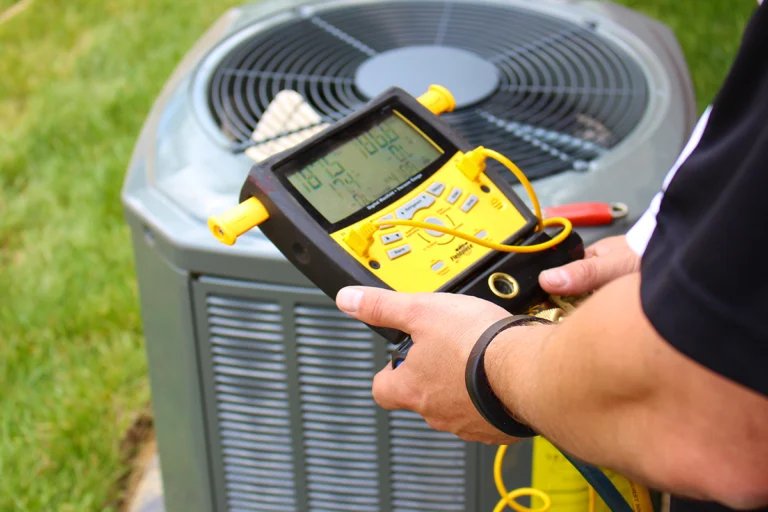
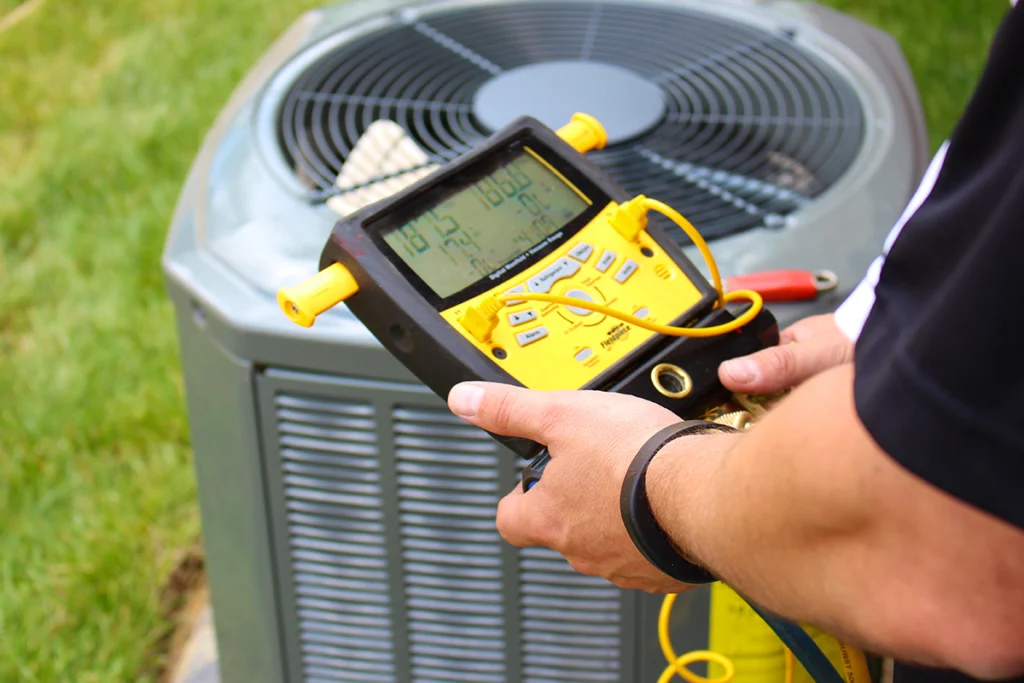
At that point, professional diagnosis is faster and safer. Our technicians test starting circuits, verify voltage, and measure refrigerant pressure to determine the real cause. If the basic checks don’t restore cooling, the next step is a professional AC repair visit to diagnose the no-start condition correctly.
Preventing Future No-Start Problems
Many startup failures happen after equipment sits unused through winter.
Helpful prevention:
-
Replace filters regularly
-
Keep debris off the condenser
-
Flush drain lines
-
Schedule seasonal maintenance
Filter maintenance matters more than people think. The U.S. Department of Energy notes that routinely replacing or cleaning air filters can lower an air conditioner’s energy consumption by 5–15%, which is one reason basic upkeep supports better airflow and system performance.
Regular service also helps catch failing capacitors before peak cooling season, which can reduce downtime in both homes and workplaces.
We’re Here to Help
If you’re dealing with an outside AC unit not turning on, a few basic checks can rule out simple issues, but the remaining causes usually need proper testing.
At Whale Worth It! Plumbing, Heating & Air, we service both residential and commercial cooling systems and diagnose the full cause of the no-start problem — not just the outdoor unit. We’ll explain what’s wrong clearly and get the system operating safely again.
If you’re in the North Shore, MA area and your air conditioner won’t start, contact us for a proper diagnosis and fast, reliable cooling repair.
FAQs When Your Outside AC Unit Is Not Turning On
Here are quick answers to questions we hear often:
The blower received the thermostat signal, but the condenser didn’t. A tripped breaker, bad capacitor, safety switch, or contactor is the usual cause.
No. It will only circulate room-temperature air and can overwork the blower motor.
Usually not. Many no-start problems involve a capacitor or electrical part. Waiting, however, can damage the compressor.
Both use the same cooling process. If the control signal fails anywhere between thermostat and condenser, cooling stops. Why is my outside AC unit not turning on but the inside fan runs?
Can I run the AC if the outside unit won’t start?
Is an outside AC unit not turning on an expensive repair?
Why does this happen in both homes and commercial buildings?