When your garbage disposal starts acting up, it can quickly turn kitchen cleanup into a frustrating ordeal. Learning how to unclog a garbage disposal is essential knowledge for homeowners, though understanding how to properly identify and diagnose the problem is the first step toward getting your kitchen back to normal.
At Whale Worth It, we’ve helped countless North Shore homeowners deal with stubborn disposal clogs. The key is knowing what warning signs to watch for and when it’s time to call in the professionals for safe, effective repairs.
Common Signs Your Garbage Disposal Is Clogged
Recognizing the early warning signs of a clogged disposal can save you from bigger headaches down the road. Knowing how to unclog a garbage disposal starts with identifying these symptoms in your kitchen:
Water Backing Up in the Sink
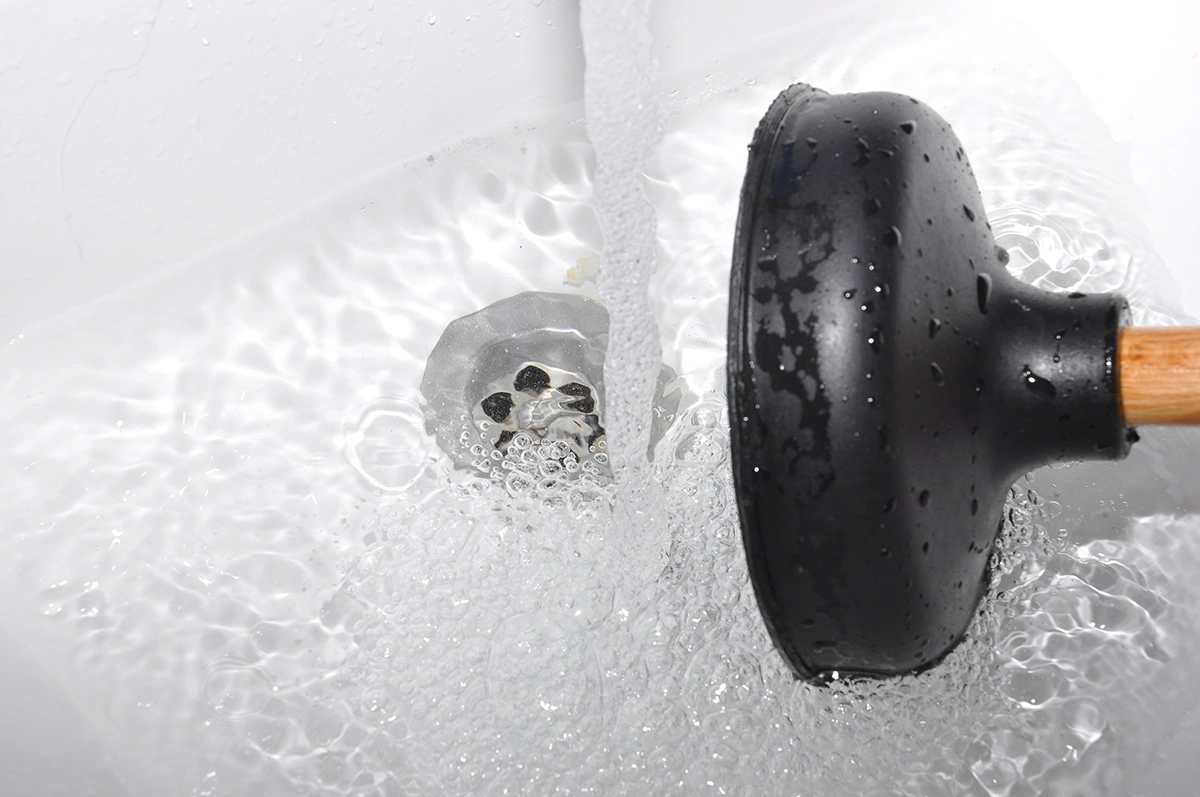
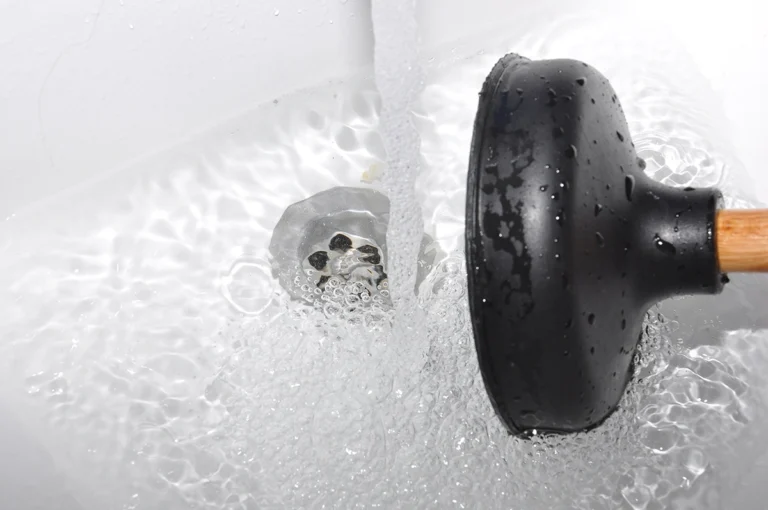
The most obvious sign of a disposal clog is water that won’t drain properly. You might notice water pooling in the sink basin, draining very slowly, or backing up entirely when you run the disposal. This typically indicates food debris has created a blockage somewhere in the system.
Strange Grinding or Humming Sounds
A healthy garbage disposal should run with a consistent grinding noise. If you hear unusual humming, rattling, or grinding sounds that seem different from normal operation, this often points to objects stuck in the grinding chamber or impeller arms that can’t move freely.
Unpleasant Odors Coming from the Drain
Persistent bad smells emanating from your disposal usually mean food particles are trapped and decomposing inside the unit. These odors often get worse over time and may spread throughout your kitchen.
Disposal Won’t Turn On at All
Sometimes a clog can cause your disposal to stop working completely. The unit might not respond when you flip the switch, or it may hum briefly but fail to start grinding.
What Causes Garbage Disposal Clogs
Understanding why disposals get clogged helps you recognize when you’re dealing with a blockage versus other mechanical issues. This knowledge is crucial when learning how to unclog a garbage disposal:
Improper Food Waste
Certain foods are notorious for causing clogs. Grease and cooking oils solidify in pipes, creating stubborn blockages. Fibrous vegetables like celery and corn husks can wrap around the impeller blades. Starchy foods like pasta and rice expand with water and create thick, paste-like obstructions.
Insufficient Water Flow
Many clogs develop when people don’t run enough water while operating their disposal. Water helps flush food particles through the system, and without adequate flow, debris accumulates in the grinding chamber and drain pipes.
Built-Up Grease and Fat
How Professional Technicians Address Disposal Clogs
When you contact a licensed plumber for a clogged disposal, they follow a systematic approach to diagnose and resolve the issue safely. Understanding how to unclog a garbage disposal professionally involves several critical steps:
Safety Assessment and Power Disconnection
A certified technician will first ensure the disposal is properly disconnected from power sources to prevent any risk of injury during the repair process. This includes checking both the electrical switch and any reset buttons on the unit itself.
Visual Inspection and Diagnosis
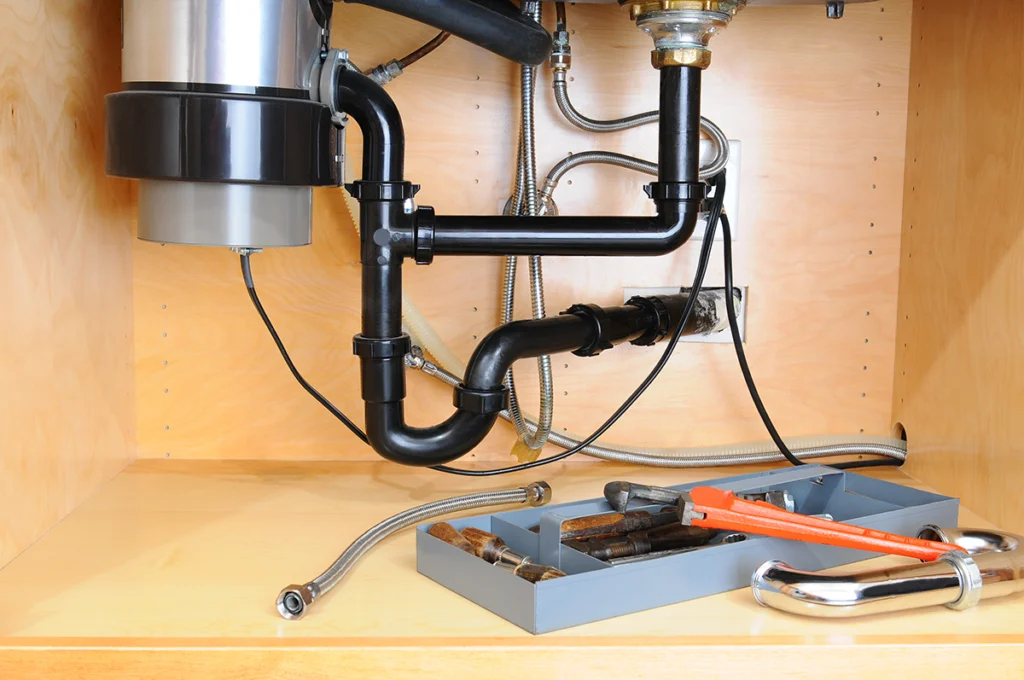
Professional plumbers use specialized tools and techniques to inspect the disposal mechanism, drain connections, and surrounding plumbing. They can identify whether the problem is in the disposal itself, the drain trap, or further down in the plumbing system.
Professional Cleaning and Debris Removal
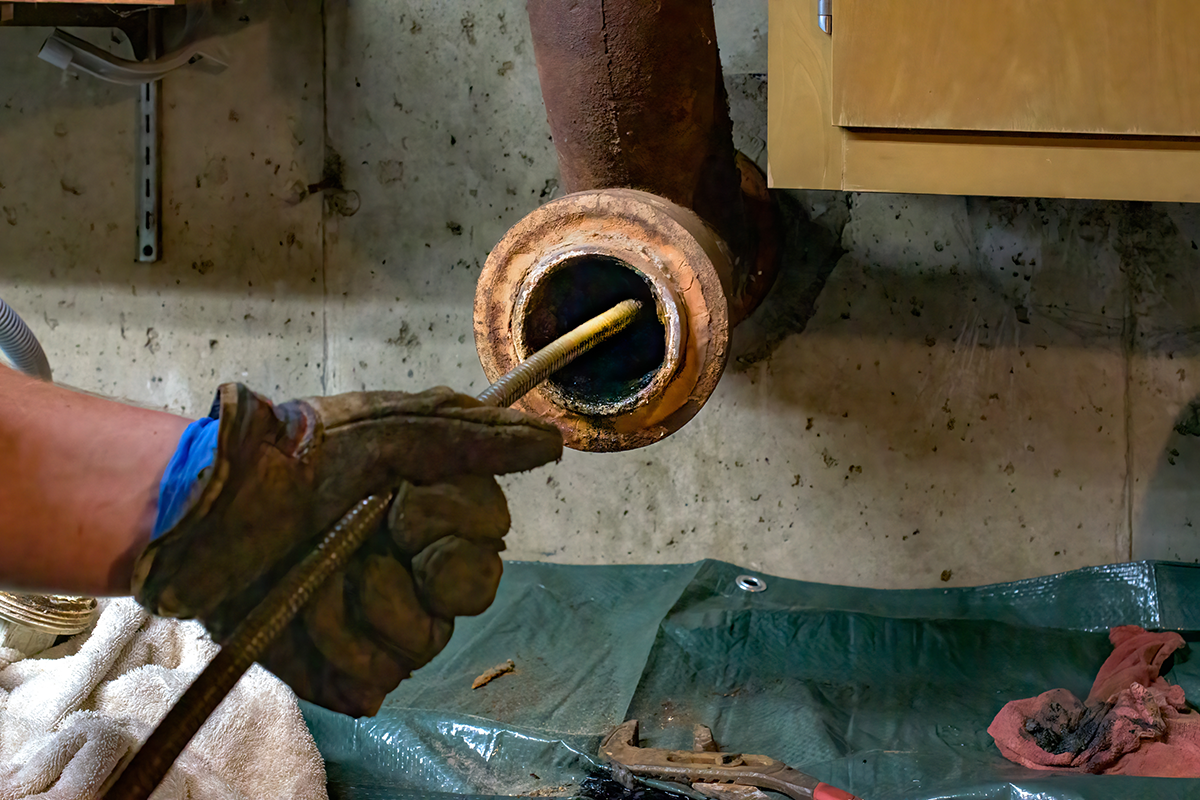
Experienced technicians have access to professional-grade tools for safely removing clogs without damaging the disposal’s internal components. This might involve specialized extraction tools, high-pressure water jetting, or other methods tailored to the specific type of blockage.
System Testing and Prevention Advice
After clearing the clog, your plumber will test the entire system to ensure proper operation and water flow. They’ll also provide valuable advice on preventing future clogs and maintaining your disposal for optimal performance.
When to Call Whale Worth It for Professional Help
While some homeowners are tempted to tackle disposal clogs themselves, certain situations always require professional intervention. Learning how to unclog a garbage disposal safely means knowing when to call the experts:
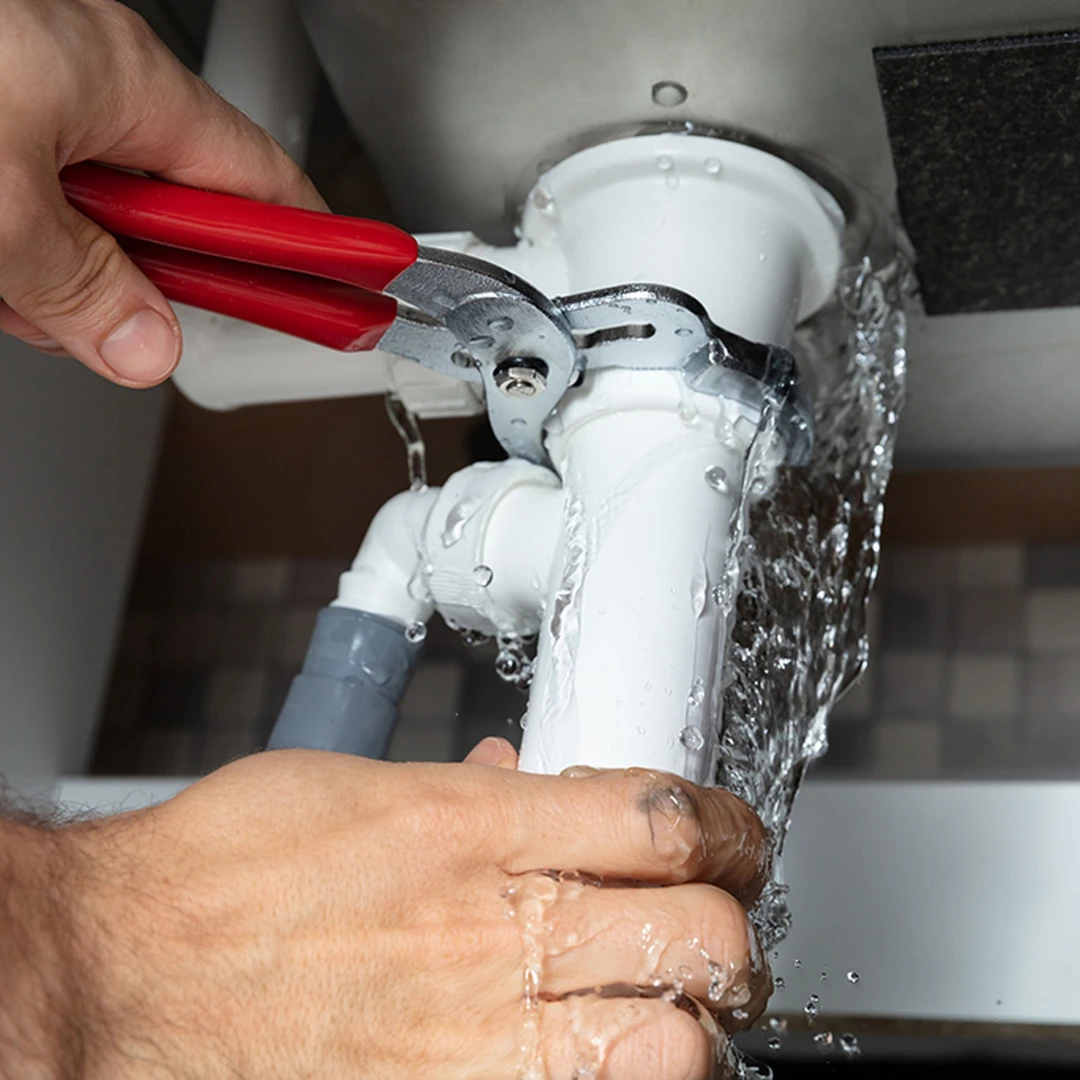
If your disposal won’t turn on at all, makes unusual electrical buzzing sounds, or if you smell gas near the unit, stop using it immediately and call a licensed professional. Similarly, if water is backing up into your sink consistently or you notice signs of leaking around the disposal unit, professional diagnosis is essential.
Attempting to fix these issues yourself can lead to electrical hazards, damaged plumbing, or even personal injury. Professional plumbers have the training, tools, and experience to handle these situations safely and effectively.
Preventing Future Garbage Disposal Clogs
Understanding prevention strategies helps you avoid repeat problems and is an essential part of knowing how to unclog a garbage disposal responsibly:
- Run plenty of cold water before, during, and after using your disposal
- Avoid putting grease, oils, and fats down the disposal
- Keep fibrous and starchy foods out of your disposal
- Use your disposal regularly to prevent rust and corrosion
- Clean your disposal weekly with approved methods
Regular maintenance and proper usage habits go a long way toward keeping your disposal running smoothly and avoiding unexpected clogs.
Trust the North Shore’s Disposal Experts
When your garbage disposal shows signs of clogging, don’t wait for the problem to get worse. The experienced team at Whale Worth It understands the unique plumbing challenges North Shore homeowners face, and we’re equipped to handle everything from simple clogs to complex disposal repairs.
Our owner Kyle McEachern and his team bring years of local experience to every job, ensuring your disposal problems are resolved quickly and correctly. We also provide valuable guidance on proper disposal maintenance to help prevent future issues.
If you’re dealing with a stubborn disposal clog or want to learn more about when your disposal needs professional attention, contact Whale Worth It! today. We’re here to keep your North Shore kitchen running smoothly with honest, reliable plumbing services you can trust.
Step-by-Step Guide
Check Power Connection
Verify the disposal is getting power by testing the wall switch and checking if the reset button on the bottom of the unit has popped out.
Listen for Operating Sounds
Turn on the disposal briefly to identify whether it hums, makes grinding noises, or remains completely silent, which helps pinpoint the type of problem.
Test Water Drainage
Run water in the sink without the disposal on to see if water drains normally or backs up, indicating whether the clog is in the disposal or drain pipes.
Inspect for Visible Blockages
Use a flashlight to look into the disposal opening for obvious obstructions, but never put your hands inside the unit.
Professional Assessment Begins
A certified technician will safely disconnect power and use specialized tools to inspect the internal components and identify the exact location of the blockage.
Technician Removes Obstruction
Your plumber will use professional extraction tools and techniques to safely remove the clog without damaging the disposal’s grinding mechanism or drain connections.
Frequently Asked Questions: How to Unclog a Garbage Disposal
Can I use drain cleaner to unclog my garbage disposal?
No, chemical drain cleaners can damage your disposal’s metal components and rubber seals. They can also create dangerous fumes when mixed with food debris.
Why does my garbage disposal smell even after I clean it?
Persistent odors usually indicate food particles trapped deep in the unit or drain pipes that surface cleaning can’t reach. This typically requires professional cleaning.
Is it normal for my disposal to make loud grinding noises?
Some grinding noise is normal, but unusually loud or rattling sounds often indicate objects stuck in the impeller or worn internal components that need professional attention.
How long should I run water when using my garbage disposal?
Run cold water for at least 15 seconds before turning on the disposal, during use, and for 30 seconds after turning it off to ensure proper flushing.