Discovering water pooling around the base of your water heater can be alarming. A water heater leaking from the bottom is one of the most common issues homeowners face, and understanding the warning signs and causes can help you determine when it’s time to call a professional.
Warning Signs Your Water Heater Is Leaking from the Bottom
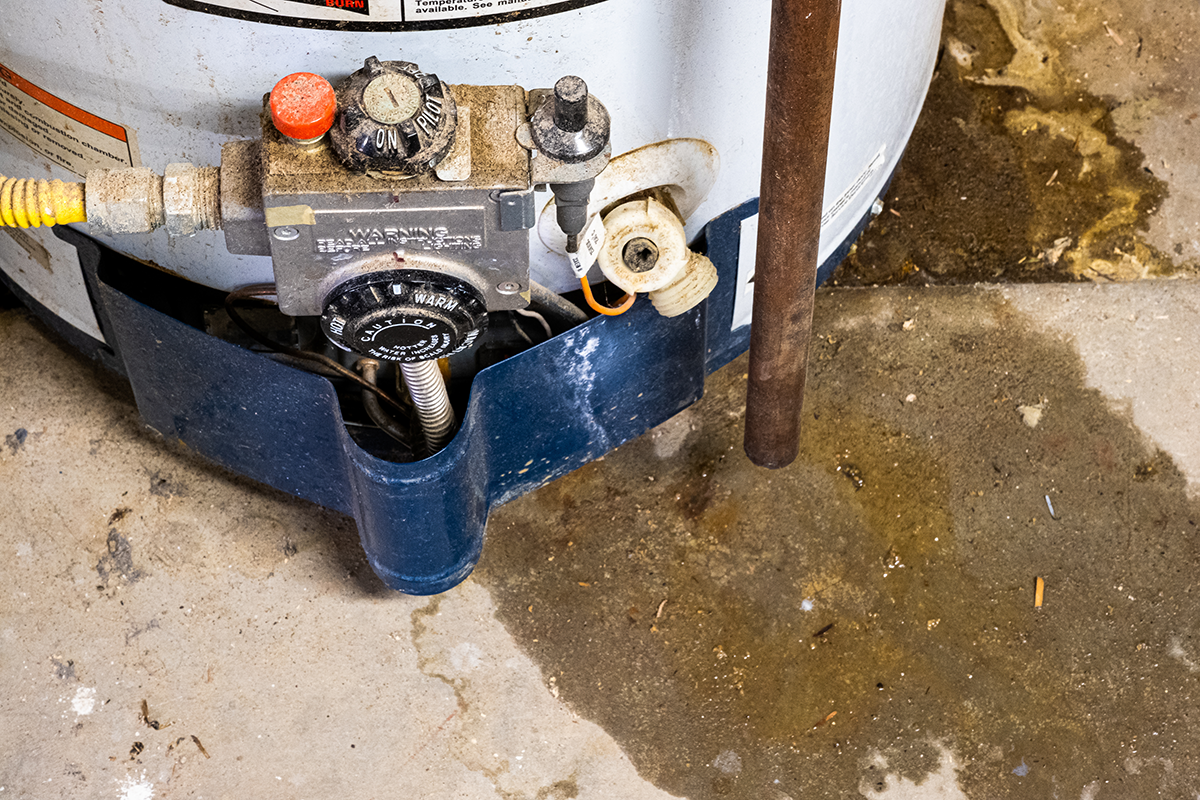
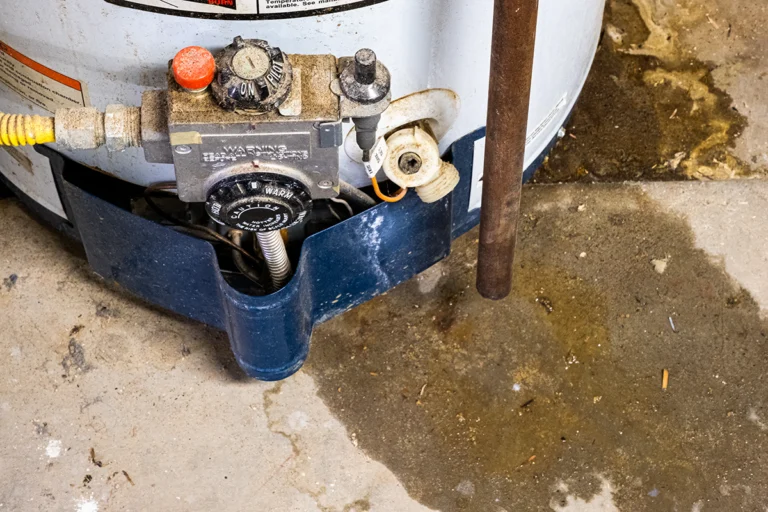
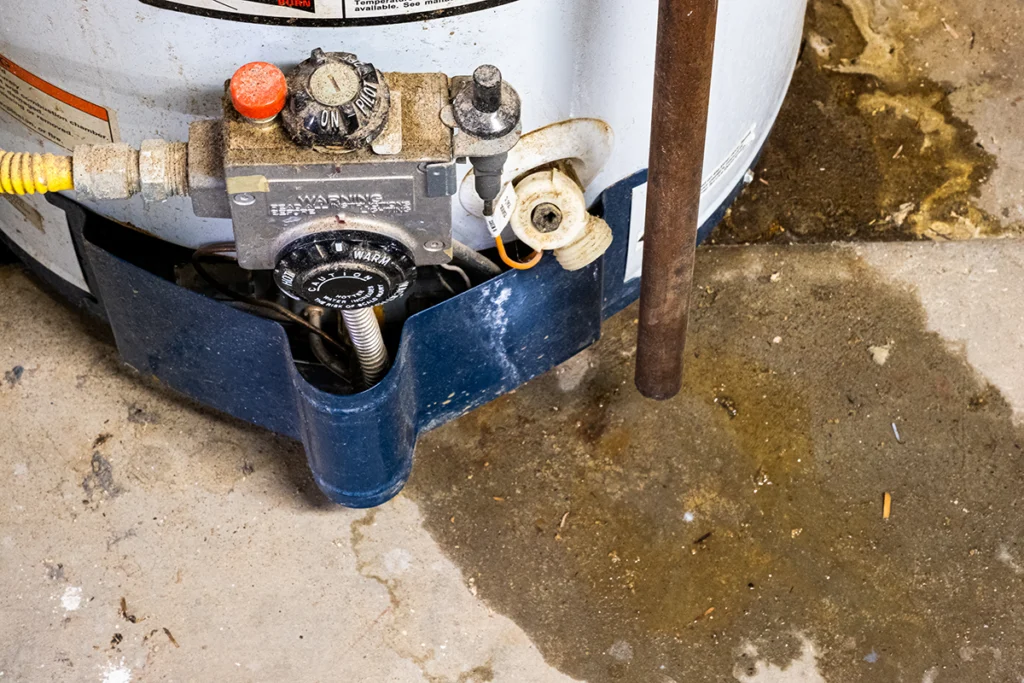
The most obvious sign is visible water accumulation around the base of your unit. However, there are other indicators that suggest your water heater needs attention:
- Puddles or water stains on the floor around the water heater
- Rust or corrosion visible on the tank bottom or nearby pipes
- Mineral deposits or white chalky buildup around the base
- Dampness or moisture on the tank exterior
- Reduced hot water supply or inconsistent water temperature
- Higher than normal utility bills indicating the unit is working harder
If you notice any of these signs, it’s important to have a certified technician evaluate your water heater promptly to prevent further damage.
Common Causes of a Water Heater Leaking from the Bottom
Understanding what causes water heaters to leak from the bottom can help you communicate effectively with your plumbing professional:
Tank Corrosion and Deterioration
Over time, the steel tank can corrode from the inside out due to mineral buildup and chemical reactions. This is especially common in older units or homes with hard water. When the tank wall develops small holes or cracks, water seeps through and collects at the bottom.
Drain Valve Issues
The drain valve at the bottom of the tank can develop leaks due to loose connections, worn seals, or valve deterioration. This valve is used for maintenance and flushing, and regular wear can cause it to fail over time.
Temperature and Pressure Relief Valve Problems
The T&P relief valve, designed as a safety feature, can leak when it malfunctions or when there’s excessive pressure in the system.
Loose Pipe Connections
The water supply lines connecting to your water heater can develop leaks at the joints or fittings. These connections may loosen over time due to thermal expansion and contraction or vibration from the unit’s operation.
Sediment Buildup
Mineral deposits that accumulate at the bottom of the tank can cause the steel to deteriorate faster, leading to small leaks. This sediment also reduces efficiency and can cause the unit to overheat.
What to Do When Your Water Heater Is Leaking from the Bottom
If you find water around your water heater, take these immediate steps:
Turn off the power supply to your water heater. For electric units, switch off the breaker. For gas units, turn the gas valve to the “pilot” position.
Shut off the water supply to prevent additional water from entering the tank. The cold water supply valve is typically located on top of the unit.
Document the situation with photos for your insurance company and plumbing professional.
Contact a licensed plumber immediately. A certified technician will assess whether the leak can be repaired or if replacement is necessary.
How Plumbers Fix a Water Heater Leaking from the Bottom
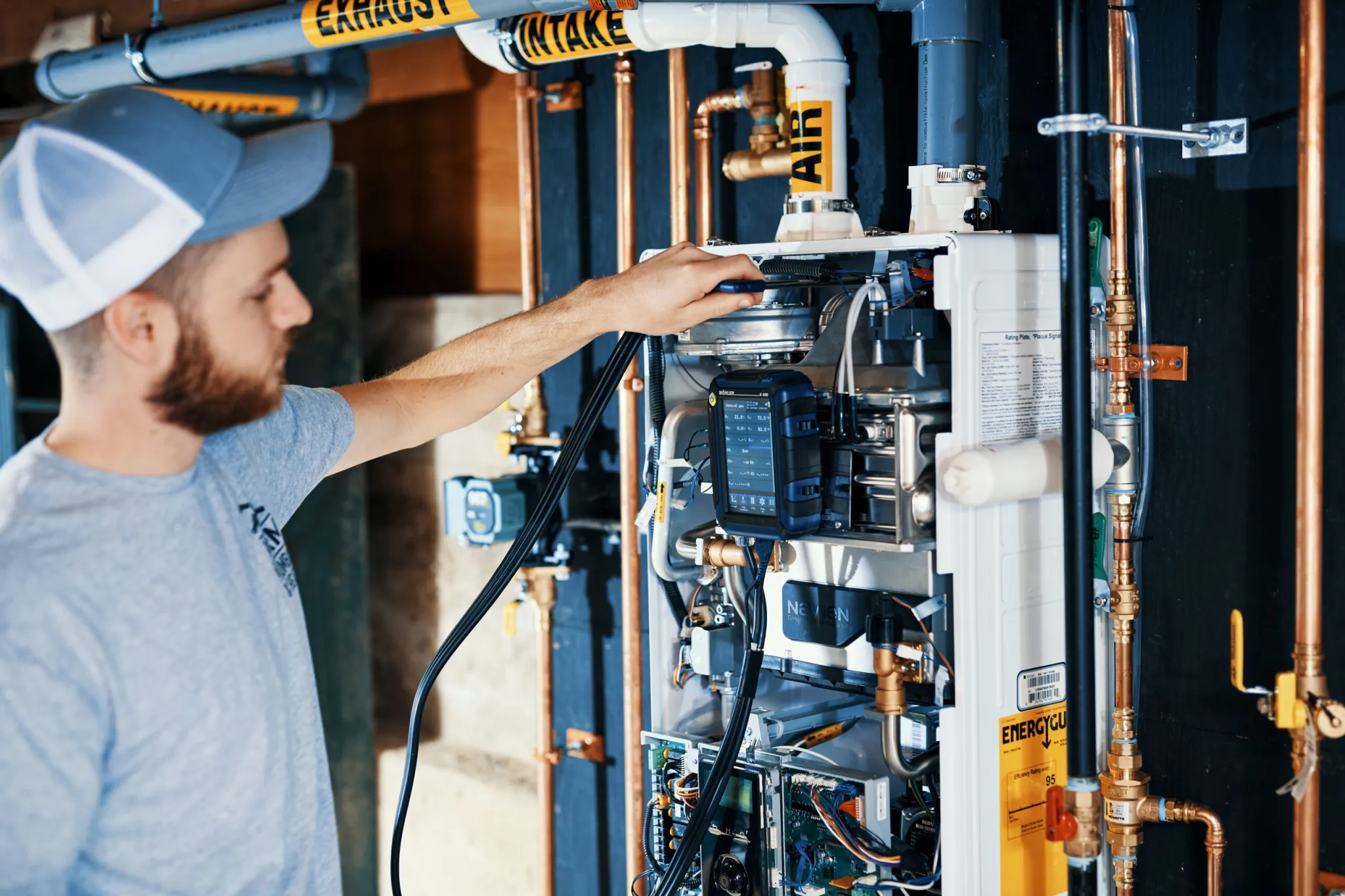
When you call Whale Worth It for a bottom leak inspection, our certified technician will perform a comprehensive evaluation. We’ll check all connections, examine the tank condition, test the pressure relief valve, and assess the overall system integrity.
Depending on the diagnosis, your pro will recommend either targeted repairs for issues like loose connections or valve replacements, or discuss replacement options if the tank itself has failed. We’ll explain all options clearly and help you make the best decision for your home and budget.
Some leaks, particularly those from corroded tanks, cannot be effectively repaired and require full unit replacement. However, connection issues, valve problems, and minor component failures can often be addressed with professional repairs.
Prevention and Maintenance
Regular maintenance can help prevent many bottom leak issues. Annual professional inspections allow technicians to identify potential problems before they become major leaks. Understanding your water heater’s performance can also help you spot issues early.
Professional maintenance includes flushing the tank to remove sediment, checking all connections, testing safety valves, and inspecting the anode rod. The EPA recommends that homeowners visually inspect your water heater for leaks, aged gaskets or loose connections, and corrosion on a regular basis. The U.S. Department of Energy also notes that routine maintenance may include checking the temperature and pressure valve every six months and inspecting the anode rod every three to four years. These services help extend your water heater’s lifespan and improve efficiency.
If you’re experiencing issues with other plumbing fixtures, such as low water pressure in your shower, it may indicate broader plumbing system problems that should be addressed alongside your water heater concerns.
When to Call Whale Worth It
Don’t wait if you suspect your water heater is leaking from the bottom. Early intervention can prevent water damage to your home and potentially save your water heater if the issue is caught in time.
Our North Shore plumbing experts provide honest assessments and quality repairs. We’ll help you understand your options and ensure your home’s hot water system operates safely and efficiently.
For reliable water heater diagnosis and repair throughout the North Shore, including Newburyport and surrounding communities, contact Whale Worth It today. Our experienced team is ready to restore your hot water supply with the dependable service you deserve.
Frequently Asked Questions When You Have a Water Heater Leaking from the Bottom
Is a water heater leaking from the bottom dangerous?
While not immediately dangerous, a bottom leak can cause water damage to your home and may indicate failing safety components. Turn off power and water supply, then call a professional immediately.
Can I fix a water heater bottom leak myself?
Water heater repairs involve electrical, gas, and plumbing connections that require professional expertise for safety and effectiveness. DIY attempts can void warranties and create safety hazards.
How much does it cost to fix a water heater leaking from the bottom?
Repair costs vary depending on the cause, ranging from simple valve replacements to full unit replacement. A professional assessment will determine the most cost-effective solution for your situation.
How long do I have before a bottom leak becomes serious?
Bottom leaks can worsen quickly, especially if caused by tank corrosion. Address the issue within 24-48 hours to prevent extensive water damage and potential complete failure.