When you’re dealing with a clogged drain deep in the pipe, it’s a different challenge than a surface-level blockage you might clear with a plunger. Deep clogs often develop gradually and can affect multiple drains in your home. Understanding the warning signs and what causes these stubborn blockages helps you know when it’s time to call a licensed plumber.
At Whale Worth It! Plumbing, Heating & Air, we help North Shore homeowners identify and resolve deep drain clogs every day. Let’s walk through what you need to know about these persistent plumbing problems.
What Is a Clogged Drain Deep in the Pipe?
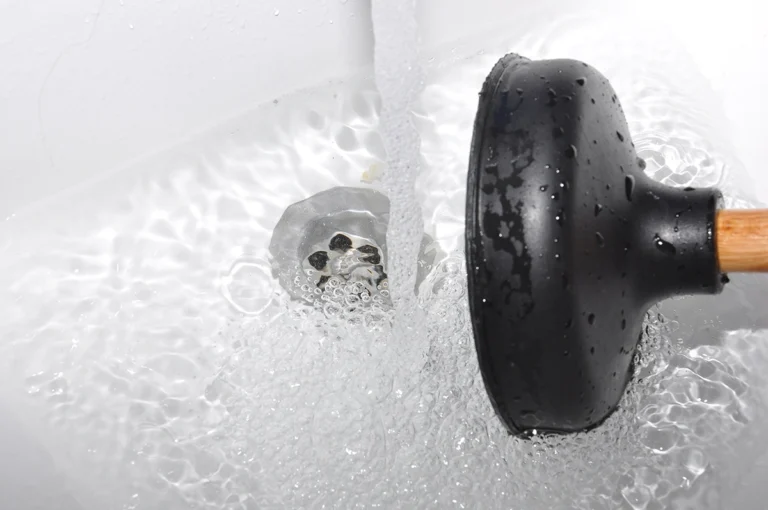
A deep drain clog occurs when debris, buildup, or obstructions accumulate far down in your plumbing system — often several feet below the drain opening or in the main sewer line. Unlike shallow clogs near the drain opening that you might address with a plunger, deep blockages require professional equipment to diagnose and clear properly.
These clogs typically form in horizontal drain runs, at pipe bends, or where smaller branch lines connect to your main drain line. Because they’re located so far from the drain opening, they’re nearly impossible to reach with household tools.
Warning Signs You Have a Clogged Drain Deep in the Pipe
Recognizing the symptoms of a deep clog helps you act quickly before the problem worsens. Here’s what to watch for:
Multiple Drains Are Slow or Backed Up
When just one drain is slow, the clog is usually near that fixture. But if multiple drains throughout your home are draining slowly or backing up, especially on the same side of the house or lower levels, you likely have a deep clog affecting a main drain line.
Gurgling Sounds From Drains
Strange gurgling or bubbling noises coming from drains, toilets, or even your bathtub when you use other fixtures indicate trapped air caused by a blockage deeper in the system. This happens because water can’t flow freely past the obstruction.
Water Backup in Unusual Places
If you run water in your kitchen sink and notice water backing up into your shower or bathtub, that’s a classic sign of a deep clog. The blockage prevents water from draining properly, forcing it to find the path of least resistance — often a lower drain.
Persistent Slow Draining Despite Attempts to Clear
You’ve tried plunging, using drain cleaners, or other common remedies, but the drain remains slow. This stubborn behavior strongly suggests the clog is located too deep for these surface-level solutions to reach.
Foul Odors From Multiple Drains
Sewer-like smells coming from several drains indicate decomposing organic matter trapped in your pipes. When the clog is deep, these odors can travel back up through multiple fixtures.
Common Causes of a Clogged Drain Deep in the Pipe
Understanding what causes these blockages helps prevent future problems. Here are the most frequent culprits:
Grease and Fat Buildup
Cooking grease, oils, and fats poured down kitchen drains solidify as they cool in your pipes. Over time, this sticky residue accumulates on pipe walls, trapping other debris and narrowing the passage until water can barely flow through.
Hair and Soap Scum Accumulation
Hair combines with soap residue to form tough clogs, especially in bathroom drains. While some hair clogs form near the drain opening, significant accumulations can travel deeper into the system where they bind together with other materials.
Foreign Objects
Items that shouldn’t be flushed or washed down drains — like cotton swabs, dental floss, hygiene products, or even children’s toys — can travel through initial pipe sections but get stuck at bends or junctions deeper in the system. As the EPA notes, even some products labeled flushable can still create sewer blockages, so it’s best to flush only toilet paper.
Tree Root Intrusion
In North Shore homes with mature trees, roots naturally seek out moisture and can infiltrate even small cracks in underground sewer lines. Once inside, they grow and spread, creating significant blockages deep in your main drain line.
Mineral Deposits and Hard Water Buildup
Hard water contains minerals that gradually accumulate inside pipes, reducing their interior diameter over years. This is especially common in older homes with galvanized steel pipes.
Deteriorating or Collapsed Pipes
Aging pipes can crack, collapse, or develop bellies (sagging sections) where debris collects. Cast iron pipes, common in older North Shore homes, are particularly susceptible to corrosion and deterioration.
How Professionals Locate and a Clear Clogged Drain Deep in the Pipe
When you contact a licensed plumber for a deep drain clog, they have specialized tools and techniques to diagnose and resolve the problem effectively:
Video Camera Inspection
A certified technician will often start by inserting a waterproof camera into your drain line. This provides a real-time view of your pipes’ interior, showing exactly where the clog is located, what’s causing it, and the overall condition of your pipes. This diagnostic step is crucial for determining the best clearing method.
Motorized Drain Augers
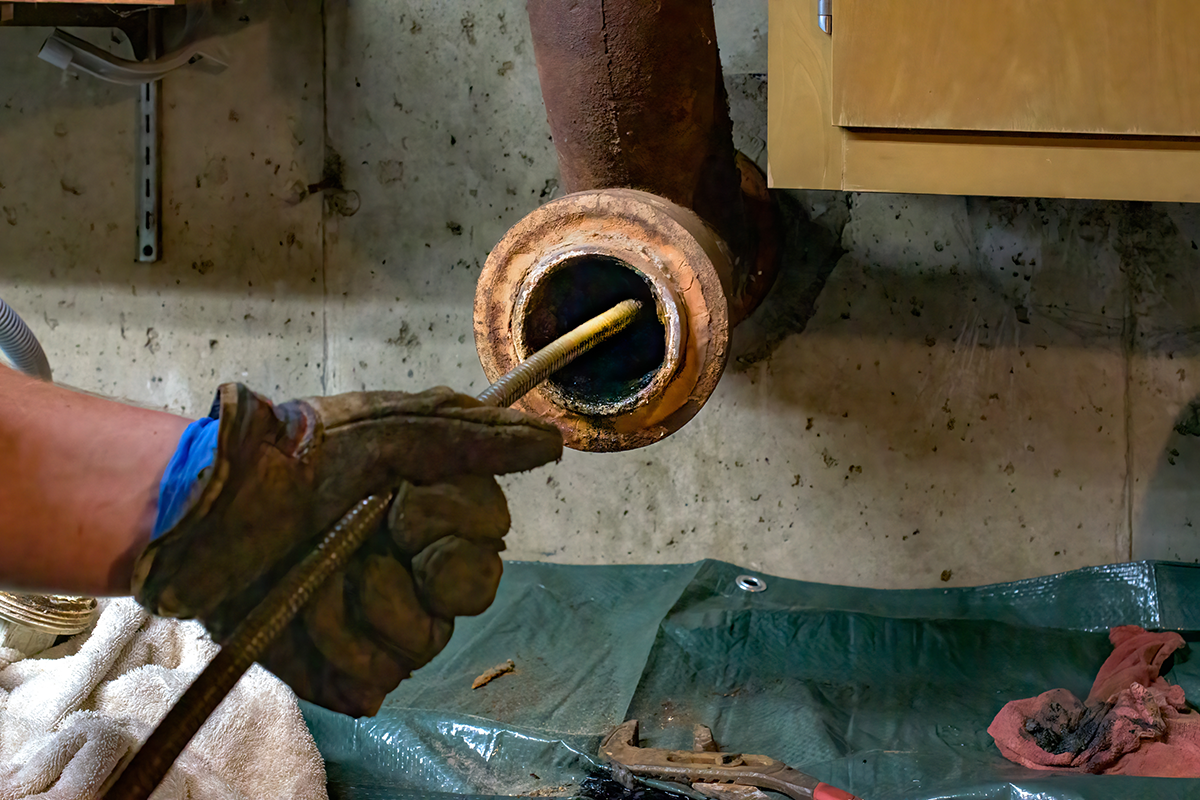
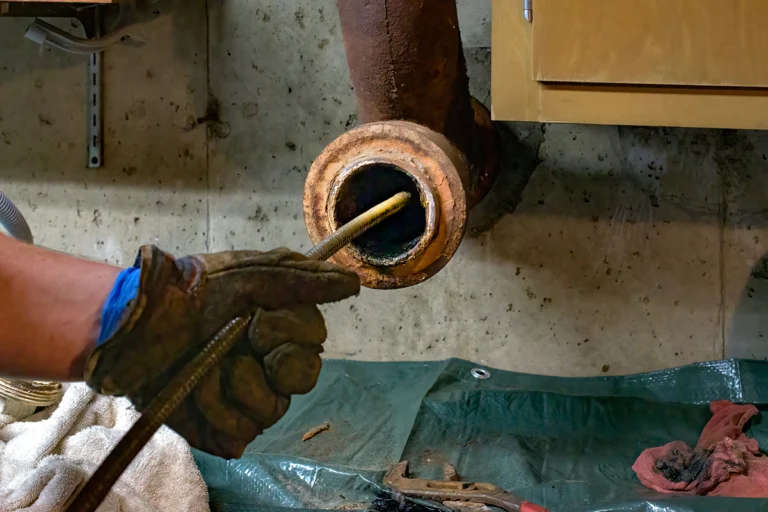
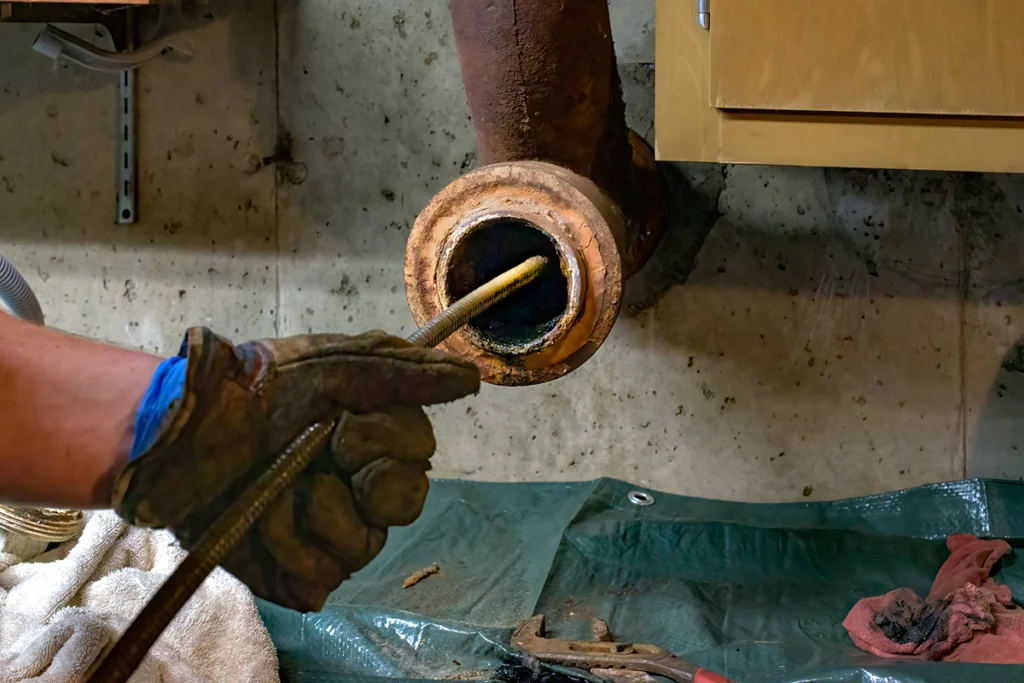
Professional-grade motorized augers (also called drain snakes) can reach much deeper than household versions. These powerful tools have interchangeable heads designed to break through or retrieve different types of blockages. Your plumber will feed the auger through the drain line until it reaches the clog, then use rotation and pressure to clear it.
Hydro Jetting
For stubborn clogs or significant buildup, hydro jetting is highly effective. This process uses high-pressure water streams (sometimes up to 4,000 PSI) to scour pipe walls clean, removing grease, mineral deposits, and debris. Hydro jetting doesn’t just clear the immediate blockage — it thoroughly cleans the entire pipe section.
Root Removal
If tree roots are the culprit, your plumber will use specialized cutting attachments on the auger to slice through the roots. In severe cases, they may recommend hydro jetting or even pipe repair or replacement if root damage is extensive.
Similar to issues like stubborn shower drain clogs, deep pipe blockages require professional assessment to avoid causing damage to your plumbing system.
Why You Shouldn’t Try to Fix a Clogged Drain Deep in the Pipe Yourself
It’s tempting to try DIY solutions, but deep clogs present unique challenges that can lead to bigger problems:
- Inadequate tools: Consumer-grade drain snakes typically extend only 15-25 feet and lack the power to handle deep blockages effectively
- Chemical drain cleaners: These harsh products rarely reach deep clogs and can damage pipes, especially older ones, while creating hazardous conditions
- Risk of pipe damage: Without knowing the pipe’s location and condition, aggressive DIY attempts can crack or puncture pipes, leading to costly water damage
- Misdiagnosis: What seems like a simple clog might actually be a broken pipe, severe root intrusion, or collapsed section requiring repair or replacement
- Safety concerns: As OSHA explains, sewer gases can include hydrogen sulfide, which poses real health risks during sewer-related work.
A licensed plumber has the training, equipment, and experience to safely diagnose and resolve deep clogs without risking your plumbing system or your home.
Preventing Deep Drain Clogs in Your North Shore Home
While professional clearing is sometimes necessary, you can take steps to minimize the risk of deep clogs forming:
- Never pour grease, oil, or fat down kitchen drains — dispose of it in the trash instead
- Use drain screens in showers and tubs to catch hair before it enters pipes
- Only flush toilet paper — never hygiene products, wipes (even “flushable” ones), or other items
- Run hot water through drains after each use to help clear residue
- Schedule periodic professional drain cleaning, especially if your home is older
- Be mindful of where trees are planted relative to your sewer lines
- Consider a professional video inspection every few years to catch developing problems early
Regular maintenance is far more affordable than emergency repairs, and it helps extend the life of your plumbing system.
When to Call Whale Worth It for Your Clogged Drain Deep in the Pipe
Don’t wait until you have sewage backing up into your home. Contact a professional plumber if you notice:
- Multiple drains draining slowly or backing up
- Gurgling sounds from drains or toilets
- Water backing up in unusual locations
- Persistent slow drainage despite your efforts
- Foul sewage odors from drains
- Standing water around floor drains
At Whale Worth It! Plumbing, Heating & Air, we serve homeowners throughout North Shore, Massachusetts, with honest, reliable plumbing service. Our licensed technicians have the expertise and equipment to diagnose and clear even the most stubborn deep drain clogs quickly and effectively.
We also handle related issues like toilet gurgling problems and other drainage concerns that might indicate deeper plumbing system issues.
Based right here in Merrimac, we understand the unique plumbing challenges North Shore homes face, from aging infrastructure to tree root problems. When you need professional drain service you can trust, contact Whale Worth It today for prompt, dependable service.
Trust the Professionals When You Have a Clogged Drain Deep in the Pipe
A clogged drain deep in your pipe isn’t something to ignore or try to fix with temporary solutions. These blockages indicate a significant obstruction in your plumbing system that requires professional diagnosis and clearing. The sooner you address the problem, the less likely you are to experience sewage backups, water damage, or costly pipe repairs.
Our team at Whale Worth It is ready to help you get your drains flowing freely again. We combine professional expertise with genuine care for our North Shore neighbors, ensuring every job is done right the first time.
Frequently Asked Questions When There’s a Clogged Drain Deep in the Pipe
How do I know if my drain clog is deep in the pipe or just near the surface?
Surface clogs typically affect only one drain and often respond to plunging. Deep clogs cause multiple drains to slow down simultaneously, create gurgling sounds, or cause water to back up in other fixtures when you use one drain.
Can I use a store-bought drain snake to clear a deep clog myself?
Consumer drain snakes usually only reach 15-25 feet and lack the power needed for deep clogs. Professional plumbers use motorized augers that extend much farther and have specialized cutting heads for different blockage types.
How much does it cost to clear a deep drain clog?
Costs vary based on the clog’s location, severity, and the method needed to clear it. A licensed plumber can provide an accurate estimate after diagnosing the problem, often using camera inspection to determine the best approach.
Will chemical drain cleaners work on a clog deep in my pipes?
Chemical drain cleaners rarely reach deep clogs effectively and can damage your pipes, especially older ones. They’re also hazardous to handle and can create dangerous conditions if mixed with other products or materials in your drain.