A furnace limit switch is one of those small components most homeowners never think about—until the heat stops working. From our day-to-day experience at Whale Worth It! Plumbing, Heating & Air, this part plays a huge role in both comfort and safety. When it works properly, everything feels normal. However, when it doesn’t, the system often sends clear warning signs.
Understanding how a limit switch works can help you respond quickly, avoid unnecessary stress, and protect your heating system.
What a Furnace Limit Switch Does
At its core, a furnace limit switch is a safety device. It monitors the temperature inside your furnace’s heat exchanger area. If temperatures rise too high, the switch shuts the burners down. That pause prevents overheating and potential damage.
At the same time, the limit switch also controls blower operation. Once the furnace reaches a safe temperature, it signals the blower to push warm air through your home. Because of that dual role, even a small issue can cause noticeable comfort problems.
From a technician’s perspective, it’s one of the first components we check during no-heat calls.
Furnace Limit Switch Safety and Why It Matters
Safety is the main reason this component exists. When airflow becomes restricted or internal temperatures climb too high, the limit switch acts as a last line of defense.
Without it, furnaces could overheat, crack heat exchangers, or even pose fire risks. That’s why manufacturers design furnaces to shut down immediately when the switch trips.
If your furnace keeps turning itself off, it’s often responding to a safety concern rather than failing randomly.
Common Furnace Limit Switch Symptoms
Several warning signs point to a limit switch issue. These symptoms often appear gradually.
-
Furnace turns on briefly, then shuts off
-
Blower runs constantly without heat
-
Home never reaches the thermostat setting
-
Furnace short-cycles during heating
-
System feels warm, then suddenly blows cooler air
Although these problems feel electrical, airflow is often the real culprit. Dirty filters, blocked vents, or failing blowers can all trigger the switch.
Why Problems Keep Returning
A furnace limit switch rarely fails without a reason. In most cases, it’s responding to another issue inside the system.
Restricted airflow is the most common cause. When filters clog or vents become blocked, heat builds up faster than it should. As a result, the limit switch shuts the furnace down to prevent overheating.
Routine maintenance plays a major role in preventing these shutdowns. The U.S. Department of Energy explains how regular filter changes, airflow checks, and system upkeep reduce stress on heating components and help prevent overheating issues.
Oversized furnaces can also contribute. When systems heat too quickly, they cycle more often. Over time, that extra strain affects internal safety controls. Recurring limit switch problems should never be ignored.
Furnace Limit Switch vs Thermostat Issues
Homeowners often assume the thermostat is failing. However, the limit switch operates independently of thermostat settings.
When a thermostat calls for heat, the furnace responds. Yet if temperatures rise too quickly, the limit switch overrides that call.
So even with a working thermostat, the furnace may shut down for safety. That distinction matters during troubleshooting.
When a Limit Switch Needs Repair or Replacement
Sometimes, the switch itself wears out. Over years of heat exposure, internal sensors can lose accuracy.
In those cases, replacement becomes necessary. However, simply swapping the part without fixing airflow issues can lead to repeat failures.
At Whale Worth It! Plumbing, Heating & Air, we always test the entire heating system. That approach ensures the new switch won’t trip again under the same conditions.
Can You Reset a Furnace Limit Switch?
Some switches reset automatically once temperatures drop. Others require manual resetting.
If your furnace repeatedly shuts down, resetting alone isn’t a solution. It’s more like silencing an alarm without fixing the cause.
Any manual reset should be followed by professional inspection.
How Furnace Age Affects Limit Switch Issues
As furnaces age, internal components work harder to maintain efficiency. Blower motors weaken. Heat exchangers collect residue. Airflow declines.
That natural wear increases stress on safety controls. If you’re already questioning how long your furnace should reasonably last, limit switch problems often signal it’s nearing a critical stage.
At that point, repair decisions deserve careful consideration.
Heating Performance Problems
A malfunctioning furnace limit switch often connects directly to comfort complaints. Many homeowners reach out after noticing their furnace not blowing hot air consistently.
While the switch may be doing its job, the underlying cause still needs correction. Fixing airflow restores both heat and reliability.
This is where professional diagnostics make a real difference.
Why Professional Diagnosis Matters
Because thelimit switch protects your furnace, bypassing it is never safe. Temporary fixes can create long-term risks.
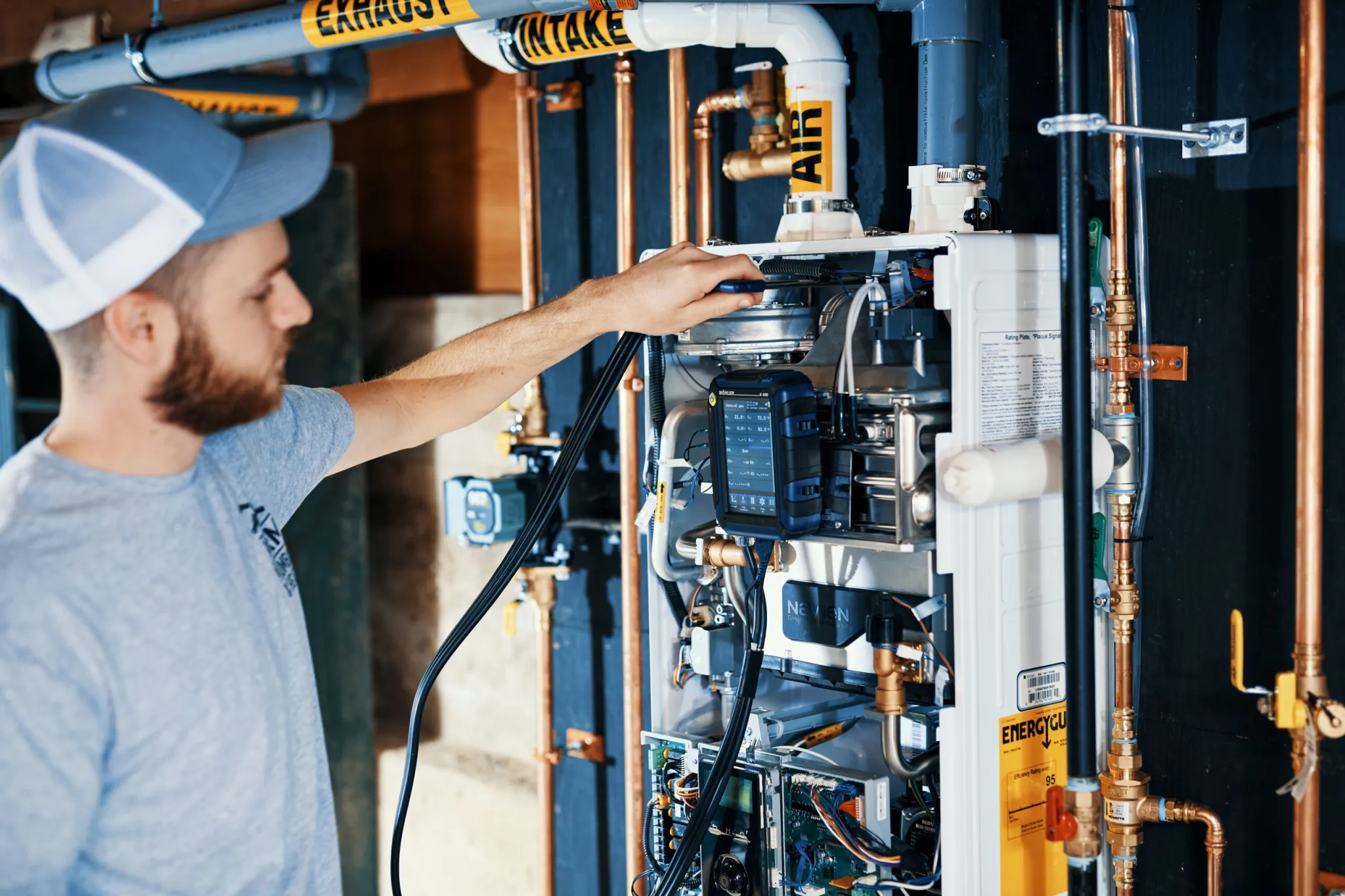
Experienced technicians measure temperature rise, inspect airflow, and test electrical continuity. That process identifies whether the switch is faulty or reacting correctly.
From our experience, most limit switch calls reveal deeper efficiency or maintenance issues.
When to Call for Help
If your furnace keeps shutting down, don’t wait. Short cycling stresses components and increases wear.
A timely service visit often prevents larger repairs later. At Whale Worth It! Plumbing, Heating & Air, we focus on solving the root cause, not just replacing parts.
If you’re unsure what your system is telling you, contact us for clear answers and reliable solutions.
Final Thoughts
A furnace limit switch protects your home, your system, and your peace of mind. While symptoms can feel frustrating, they usually point to fixable problems. When addressed early, professional repairs restore safe operation and reliable heat.
If your furnace keeps shutting down or behaving unpredictably, don’t guess. Contact Whale Worth It! Plumbing, Heating & Air for clear diagnostics and straightforward guidance from technicians who work with these systems every day. For homeowners throughout the North Shore, MA, we’re here to help keep your heat safe, steady, and dependable.
FAQs About Furnace Limit Switch Issues
Understanding furnace safety controls often raises a few quick questions. Here are answers we commonly share with homeowners.
Most trips occur due to restricted airflow, dirty filters, or overheating components.
No. Bypassing a limit switch removes critical safety protection.
Yes. A faulty switch can shut burners down repeatedly.
They’re most common in older systems or during periods of heavy furnace use. What causes a furnace limit switch to trip?
Is it safe to bypass a furnace limit switch?
Can a bad furnace limit switch stop heat completely?
Do limit switch issues happen often?