A furnace not turning on can catch homeowners off guard, especially when the house felt comfortable just moments before. When the system fails to start, it’s easy to assume the worst. In reality, many no-start furnace problems come from common, preventable issues. With a few safe checks, homeowners can often identify what’s going on before calling for service.
Before moving into deeper troubleshooting, start with a few basic checks. In many cases, a furnace not turning on is tied to a safety interruption or control issue rather than a major mechanical failure. Let’s walk through what to look at first.
Furnace Not Turning On? Check the Thermostat First
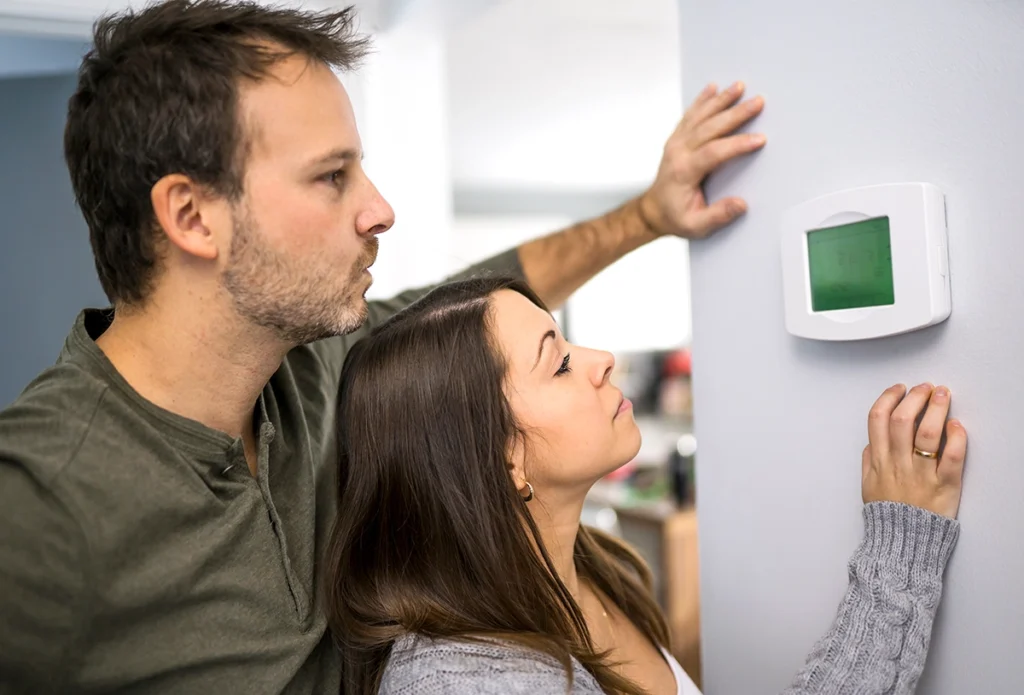
Thermostat settings are responsible for a large share of no-heat service calls. Since the thermostat tells the furnace when to start, even a minor setting issue can prevent operation.
Make sure the thermostat is set to HEAT and not accidentally turned off. Increase the set temperature above the current room temperature and allow a few minutes for the system to respond. Some furnaces delay startup by design.
If the display is dim, blank, or unstable, battery power may be the problem.
Check Power Before Assuming the Furnace Failed
When a furnace won’t start at all, checking power is the next step.
Start at the circuit breaker. A tripped breaker can shut down the furnace without affecting the rest of the home. Next, look for a nearby service switch. These switches resemble light switches and are often bumped accidentally.
If power appears normal but the furnace stays silent, the issue may involve internal safety controls rather than electricity alone. According to the U.S. Department of Energy, forced-air furnaces rely on electrical components, ignition systems, and safety controls to operate properly, and interruptions can prevent the system from starting.
Furnace Not Turning On Due to Safety Shutoffs
Modern furnaces are designed to shut down when unsafe conditions appear. While that can be frustrating, it prevents serious damage.
One common cause is overheating. When this happens, a furnace limit switch can trip and stop the system from starting. This switch protects the heat exchanger and other internal components. If overheating continues, resetting the furnace can make the problem worse.
In other cases, a furnace not turning on is related to airflow problems. Dirty filters, blocked vents, or closed returns can all trigger safety shutdowns.
If a safety shutoff trips repeatedly, the underlying cause needs to be addressed before the furnace can operate normally.
When a Furnace Shuts Down to Protect the Heat Exchanger
If the system starts and stops repeatedly or refuses to start at all, safety concerns increase. A cracked heat exchanger is one failure that can force a furnace to shut down completely.
This is not a situation for continued troubleshooting. Instead, professional diagnostics are essential.
Furnace Not Turning On vs. Running Without Heat
It’s important to separate symptoms. A furnace not turning on is different from a system that runs but fails to heat.
If the blower operates but no warm air comes through the vents, that points to a different problem, often tied to airflow or ignition issues rather than startup failure.
Ignition Problems Can Prevent Startup
Many modern furnaces use electronic ignition systems. When these components fail, the furnace may not heat at all.
Dirty sensors, worn ignitors, or control board issues can interrupt startup.
While some ignition issues appear intermittently, repeated failures usually require professional repair.
Don’t Ignore Repeated No-Start Issues
If your furnace not turning on becomes a recurring issue, it’s a warning sign. Resetting the system repeatedly can mask deeper problems and shorten equipment life.
At Whale Worth It! Plumbing, Heating & Air, we always stress this point. A furnace that refuses to start consistently is telling you something important.
When to Call for Professional Furnace Service
Some checks are safe for homeowners. Others are not.
If you smell gas, hear unusual noises, or notice frequent shutdowns, stop troubleshooting. These symptoms can indicate unsafe operation. According to the CDC, improperly adjusted furnaces and other fuel-burning appliances can be a source of carbon monoxide inside the home.
At that point, professional inspection is the safest option.
Why Homeowners Trust Whale Worth It! Plumbing, Heating & Air
We focus on identifying the real cause of heating problems. Our diagnostics allow us to pinpoint what failed and why it happened.
Our technicians take the time to explain the findings clearly and outline steps that help prevent repeat problems. That approach saves homeowners time, money, and frustration over the long term.
If you’re dealing with a furnace not turning on and need clear answers, our team provides professional furnace repair services throughout the North Shore, MA and surrounding areas.
For fast, dependable help restoring safe, reliable heat, contact Whale Worth It! Plumbing, Heating & Air today to schedule service.
FAQs When Your Furnace Is Not Turning On
Below are quick answers to common questions we hear from homeowners facing startup issues.
This usually points to a power issue, safety shutdown, or ignition failure preventing startup.
Yes. Severe airflow restriction can trigger safety switches that stop the furnace from operating.
Yes. Repeated resets can worsen internal damage and increase safety risks.
If it repeatedly fails to start, turning it off and scheduling service is the safest option. Why is my furnace not turning on even though the thermostat is set to heat?
Can a furnace not turning on be caused by a dirty air filter?
Is it dangerous to keep resetting a furnace that won’t turn on?
Should I turn the furnace off if it won’t start?