When homeowners ask “how long does a furnace last,” they’re usually trying to plan ahead before winter sets in. It’s a question we hear often at Whale Worth It! Plumbing, Heating & Air, because furnaces in both homes and commercial buildings age differently depending on how they’re sized, maintained, and used. Although every system follows its own wear pattern, several key factors influence how long a furnace will continue operating reliably.
What Determines How Long a Furnace Will Last?
Several conditions shape a furnace’s lifespan, and some matter more than others. Regular maintenance, proper installation, and overall system usage influence how long a residential or commercial unit will stay dependable. Because furnaces work hardest during colder seasons, even small issues can shorten their lifespan over time. We see this across different types of buildings, from single-family homes to commercial spaces with heavier heating demands.
Average Furnace Lifespan Homeowners Should Expect
Most property owners want a simple number for how long a furnace should run, but the real answer depends on several factors. Although many systems reach 15 to 20 years with proper care, an aging furnace doesn’t just lose reliability — it also loses efficiency. Modern units outperform older ones by a wide margin, especially when you compare their AFUE efficiency ratings. AFUE, or annual fuel utilization efficiency, measures how well a furnace converts fuel into usable heat over a typical year. As systems age, that conversion becomes less effective, which often shows up as higher bills long before a breakdown occurs.
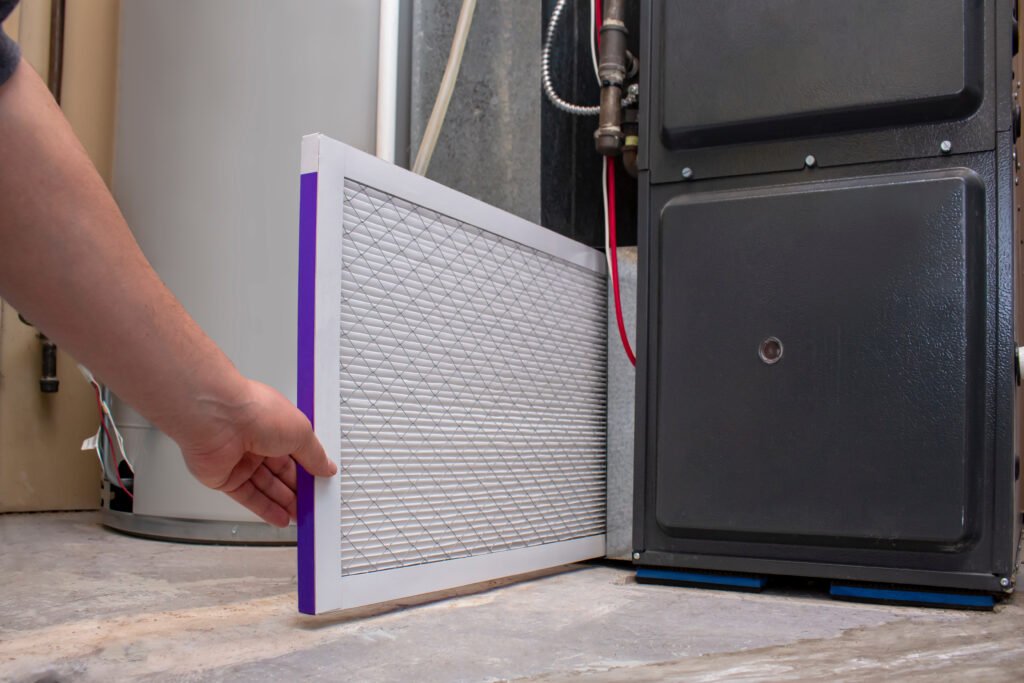
Electric furnaces can sometimes last longer because they have fewer moving parts. However, their operating costs vary based on local electricity rates. Gas furnaces typically fall in the middle range, though they tend to show wear sooner in homes with long heating seasons or poor airflow. Even with a quality system, skipped maintenance, clogged filters, and duct leaks can reduce efficiency and shorten the furnace’s useful life.
Since we service a wide range of equipment at Whale Worth It! Plumbing, Heating & Air, we’ve seen firsthand how differently furnaces age across homes and commercial properties. That’s why the best way to understand your system’s condition is to schedule routine inspections and performance checks. These help predict when repairs are worthwhile and when replacement is the smarter long-term option.
Why Maintenance Matters More Than You Think
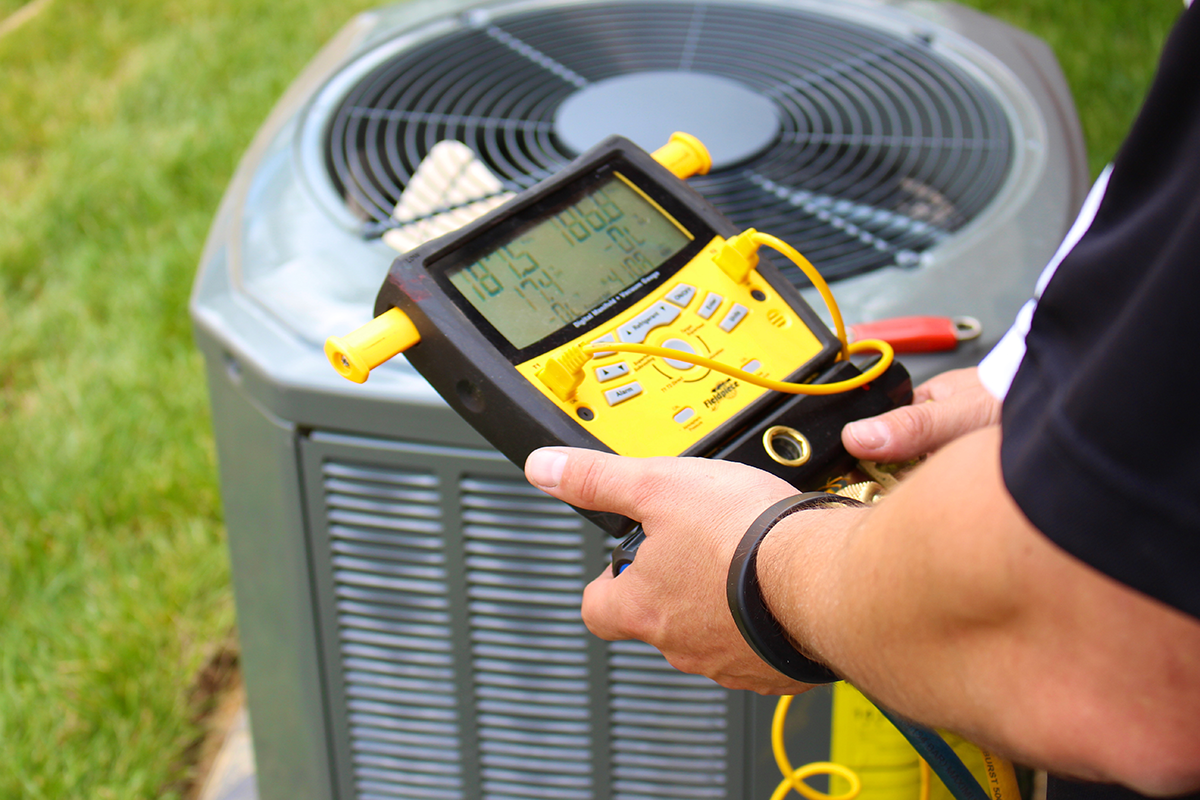
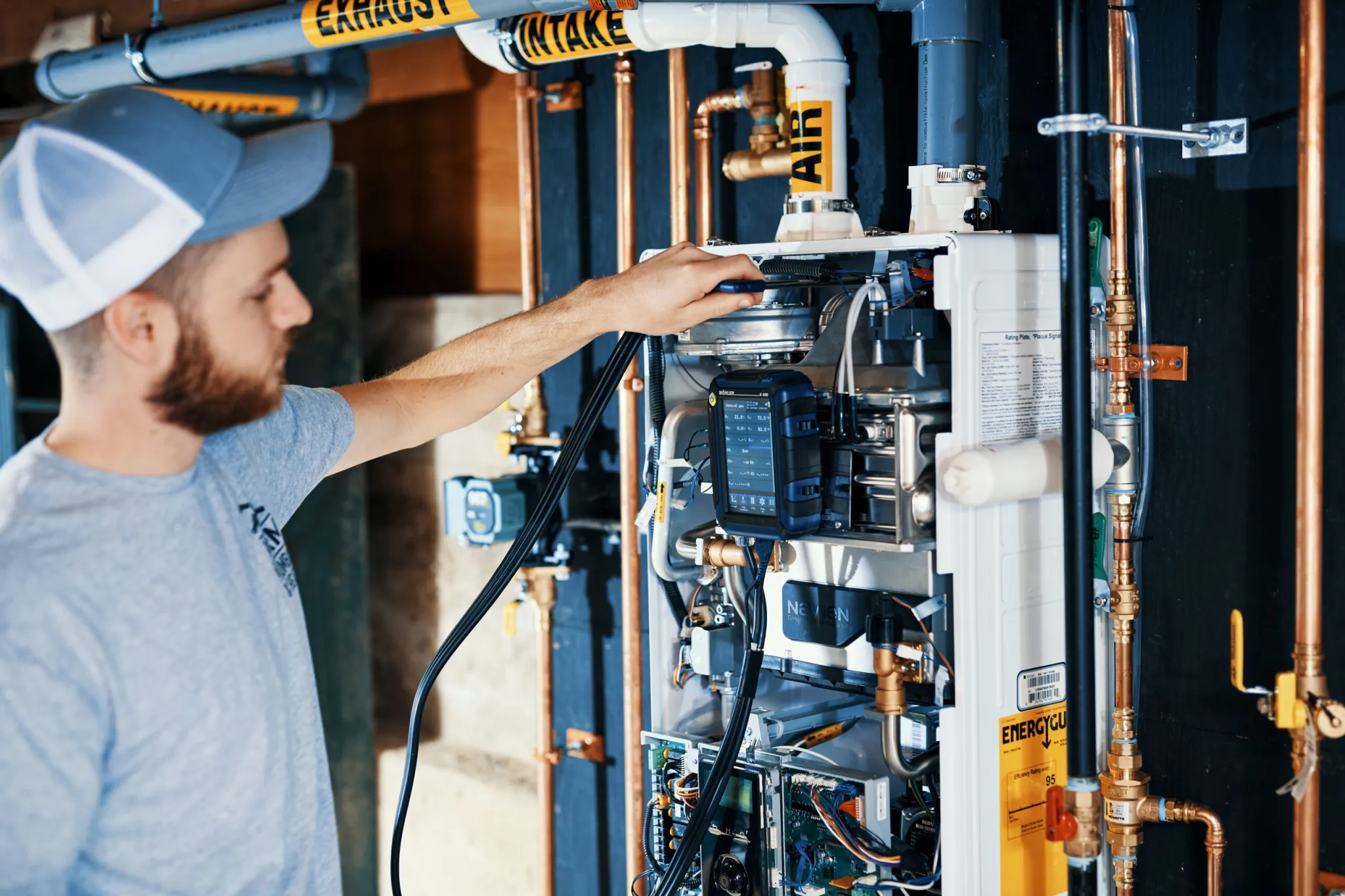
Homeowners often underestimate how much routine service protects their furnace. When we perform tune-ups at Whale Worth It!, we check burners, inspect heat exchangers, test airflow, and verify safety controls. These steps keep the system efficient, but they also prevent major failures. And because heating maintenance improves energy performance, it can even lower seasonal heating costs.
For seasonal planning, the National Weather Service provides climate outlooks that help homeowners anticipate heating demand during colder periods.
Early Warning Signs Your Furnace Is Aging
Even reliable systems show small signs before major failures. These issues appear in both residential and commercial setups, and noticing them early can prevent bigger problems later on. Here are the symptoms we encourage property owners to watch for:
-
Rising energy bills with no lifestyle changes
-
Uneven heating or frequent cold spots
-
Strange noises like rattling or booming
-
Frequent cycling
-
Dust buildup around vents
-
Burner flame turning yellow instead of blue
Although each symptom may seem minor, they often point to airflow issues, weakened components, or safety concerns.
Installation Quality Also Plays a Big Role
A furnace installed incorrectly may fail years earlier than expected. Undersized return ducts, poor venting, or improper gas pressure force the system to work harder. That extra strain reduces efficiency and shortens lifespan. This is why choosing experienced professionals matters. When Whale Worth It! installs systems, we size equipment correctly and check every connection to ensure safe, efficient operation.
How Long Does a Furnace Last With Proper Care?
A properly maintained furnace can reach the upper end of the 20-year range. Some systems even exceed it when airflow stays unobstructed and components remain clean. However, older furnaces become less efficient with age, so replacement often becomes the smarter long-term decision. Modern units provide better comfort, quieter operation, and improved fuel efficiency, which can lower utility bills.
When Replacement Makes More Sense Than Repair
Once repair costs exceed 30% of the price of a new system, replacement becomes the more cost-effective choice. Property owners should also consider heating replacement when parts become hard to source or when safety risks develop. These include cracked heat exchangers, recurring ignition issues, or repeated shutdowns. Although repairs can extend life temporarily, a new furnace may save more over time.
How Long Does a Furnace Last When Usage Varies?
Furnaces that run constantly in colder climates naturally wear out sooner than systems used lightly in mild regions. Short heating seasons mean less strain on components. Still, even light-use systems fail early when ignored. Because usage patterns vary so widely across the country, homeowners should rely on maintenance schedules rather than seasons to guide system care.
Final Thoughts: How Long Does a Furnace Last?
Knowing how long a furnace will last makes it easier to avoid those stressful, last-minute replacements we see so often. When a system gets steady maintenance and was installed correctly from the start, it usually performs well for years longer than expected. When you need a professional evaluation, Whale Worth It! Plumbing, Heating & Air provides dependable HVAC services for homes and commercial buildings across the North Shore.
Contact us for expert furnace care, honest recommendations, and reliable service.
FAQs About Furnace Lifespan
Homeowners often have a few quick questions about furnace lifespan, maintenance timing, and replacement decisions. Here are the answers we give most often.
Colder climates increase furnace runtime, so systems often last closer to 15–18 years.
Yes. Regular tune-ups reduce strain, improve airflow, and prevent early component failure.
If repair costs reach 30% of replacement cost, a new system is the better long-term investment.
Some do, but efficiency drops significantly. Most homeowners replace earlier to reduce energy costs. How long does a furnace last in colder regions like North Shore, MA?
Does annual maintenance really extend furnace life?
When should I consider replacing instead of repairing?
Can a furnace last more than 20 years?