If you’re searching for how to clean tankless water heater systems properly, you’re already ahead of most homeowners. From what we see every week at Whale Worth It! Plumbing, Heating & Air, routine cleaning is one of the biggest factors in keeping these units reliable. Unfortunately, it’s also one of the most commonly skipped maintenance steps. Because tankless systems don’t store water, many people assume they’re maintenance-free. However, mineral buildup tells a very different story.
Over time, scale and sediment collect inside the heat exchanger. When that happens, efficiency drops, performance suffers, and unexpected issues start popping up. Learning how to clean a tankless water heater the right way helps prevent those problems before they turn into costly repairs.
Why Learning How to Clean Tankless Water Heater Systems Matters
Tankless water heaters heat water on demand. Because of this, minerals in your water supply get exposed to high heat repeatedly. Eventually, those minerals harden into scale.
When scale builds up, heat transfer becomes less efficient. As a result, the system works harder to deliver hot water. Over time, this strain shortens component life. In some cases, it even triggers error codes or shutdowns (never fun during a morning shower).
We often see lack of maintenance show up as fluctuating temperatures or reduced flow. In more severe cases, homeowners suddenly lose hot water altogether without warning. Routine cleaning helps avoid all of that.
The U.S. Department of Energy explains that regular maintenance helps tankless water heaters maintain efficiency and extend service life.
How to Clean a Tankless Water Heater: Tools and Supplies You’ll Need
Before starting, gather everything first. That way, the process stays smooth and safe.
You’ll need:
-
A tankless water heater flush kit
-
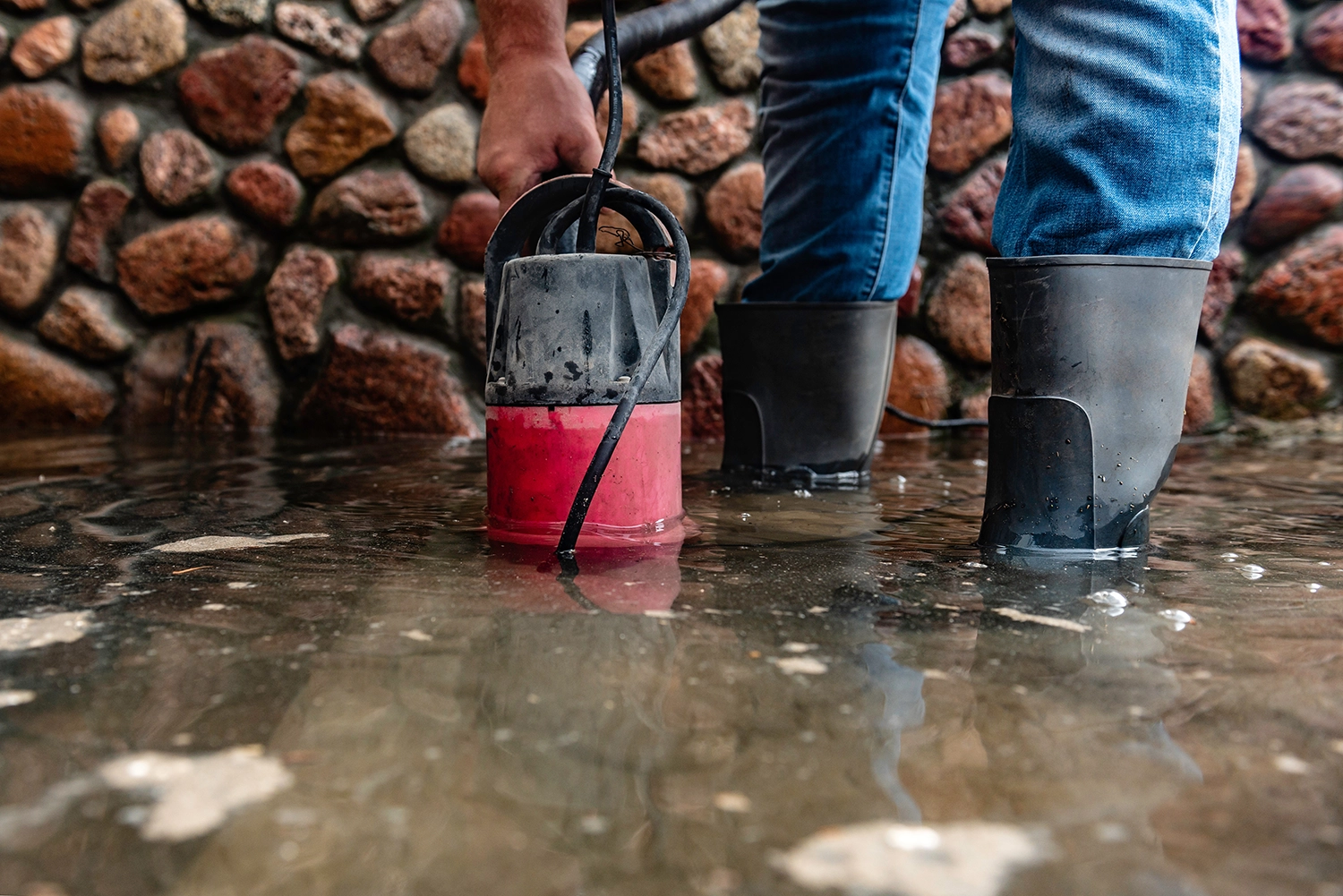
A submersible pump
-
Two washing machine hoses
-
White vinegar or a manufacturer-approved descaling solution
-
A bucket
-
Gloves and eye protection
Most manufacturers recommend vinegar for routine cleaning. However, always check your manual first. Some systems require specific products.
How to Clean a Tankless Water Heater Step by Step
This is the same basic process we follow in the field, just simplified for homeowners.
Step 1: Turn Off Power and Water
First, shut off the power source. That may be gas, electric, or both. Then, close the cold water supply valve. Safety always comes first (and yes, we’ve seen people skip this—don’t).
Step 2: Relieve Pressure
Next, open a nearby hot water faucet. This step releases pressure inside the system. Once flow stops, close the faucet again.
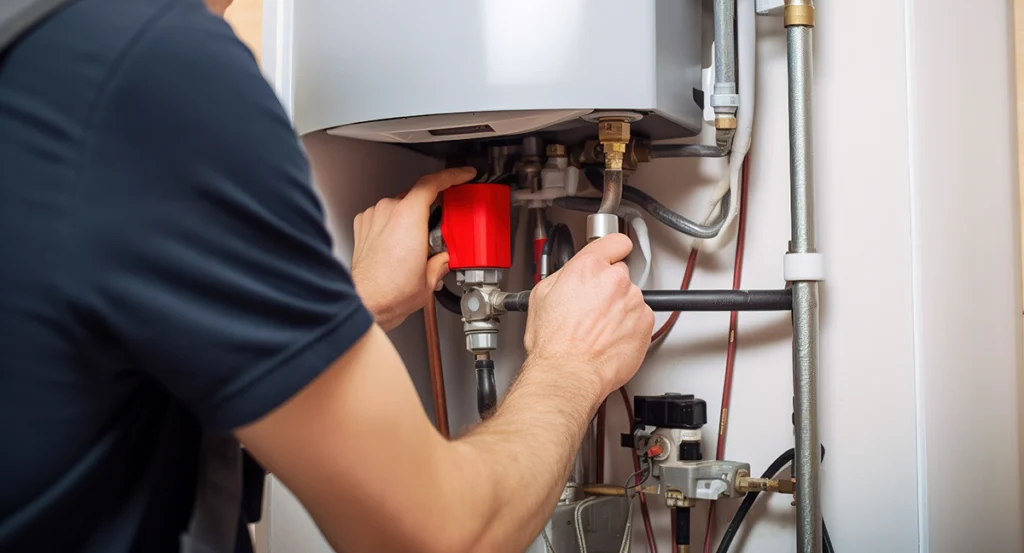
Step 3: Connect the Flush Kit
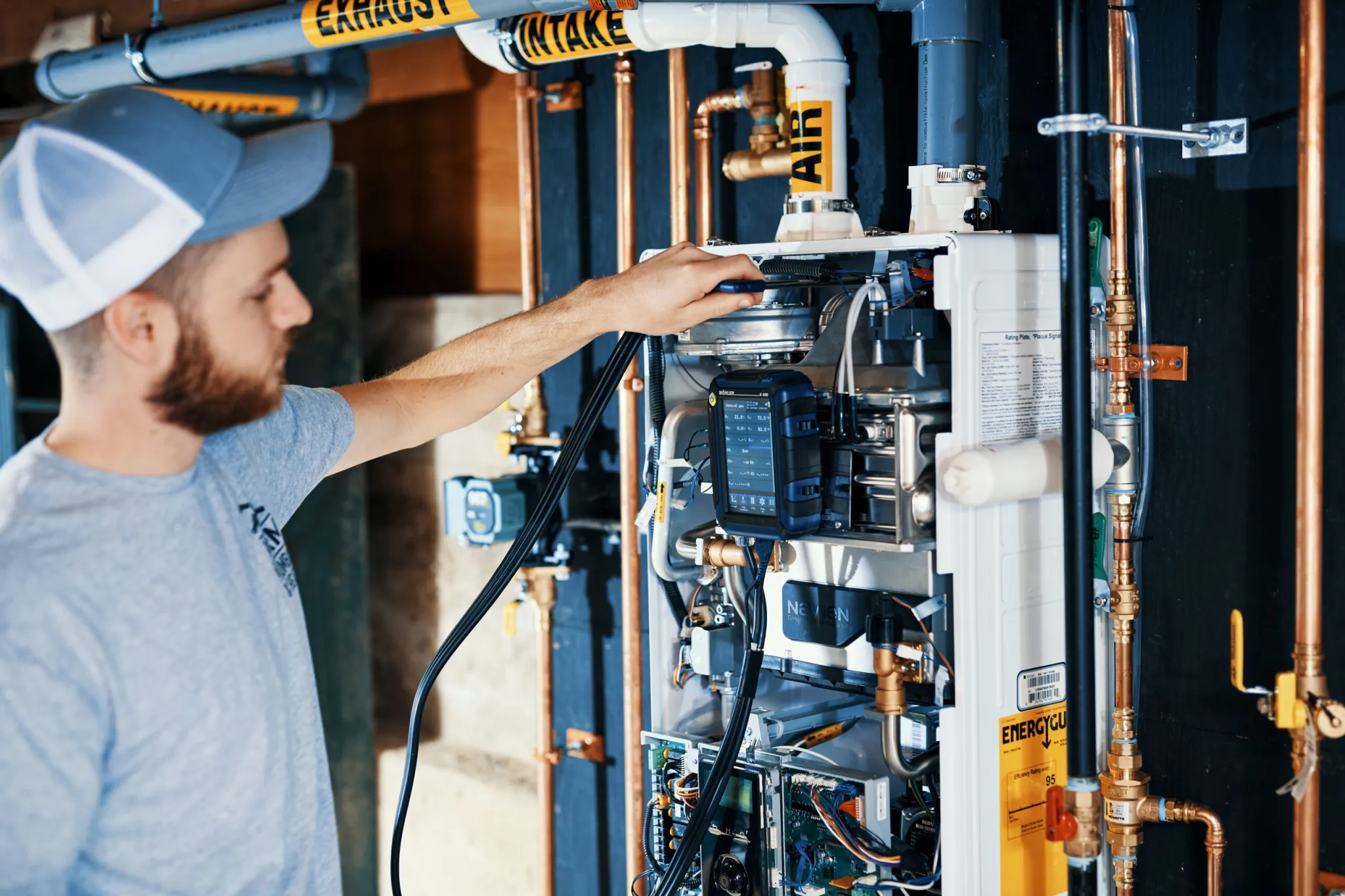
Attach the hoses from your flush kit to the service valves on the unit. Place the open hose ends into a bucket. Then, connect the submersible pump.
Step 4: Circulate the Cleaning Solution
Pour vinegar or descaler into the bucket. Turn on the pump and let the solution circulate through the unit for 45 to 60 minutes. During this time, minerals break down and flush out.
(Quick aside: if the vinegar smells strong, that’s normal. It’s doing its job.)
Step 5: Rinse the System
After flushing, turn off the pump. Drain the solution. Then, run clean water through the system for several minutes to remove residue.
Step 6: Restore Power and Water
Reconnect everything, open the water valves, and restore power. Finally, test hot water at a faucet.
That’s the basic process for how to clean a tankless water heater safely and effectively.
Signs You’re Overdue to Clean a Tankless Water Heater
Sometimes, your system tells you it needs attention.
Common signs include:
-
Inconsistent hot water
-
Reduced water pressure
-
Error codes on the display
-
Higher energy bills
-
Strange odors from hot water
That last one surprises many homeowners. Mineral reactions and bacteria can cause sulfur-like smells. If your tankless water heater hasn’t been cleaned in a while and your water smells like rotten eggs, that’s often why. Flushing the system helps remove the buildup that causes those odors in the first place.
How Often Should You Clean a Tankless Water Heater?
Most manufacturers recommend cleaning once per year. However, water quality matters.
Homes with hard water often need cleaning every 6–12 months. Softer water systems may stretch closer to 18 months. If you’re unsure, it’s safer to clean annually.
DIY vs Professional Tankless Water Heater Cleaning
DIY cleaning works well for routine maintenance. However, it’s not always the best option.
Professional service makes sense if:
-
The unit hasn’t been cleaned in years
-
Error codes persist after flushing
-
Internal components show corrosion
-
Manufacturer warranty requires service records
For homeowners who prefer professional help, scheduled water heater maintenance ensures proper flushing, detailed inspections, and long-term reliability. If flushing doesn’t restore performance or hot water remains unreliable, it may be time to have the system professionally repaired.
For broader home-upkeep planning, the EPA’s WaterSense program outlines general water-heater maintenance practices, including regular flushing to reduce sediment.
Why Regular Cleaning Protects Long-Term Performance
Cleaning doesn’t just improve today’s hot water. It protects tomorrow’s reliability.
Scale buildup increases wear on internal components. Over time, that leads to premature failures. Regular maintenance reduces strain and helps systems reach their expected lifespan.
From our perspective at Whale Worth It! Plumbing, Heating & Air, cleaning is one of the simplest ways to avoid unnecessary replacements.
When to Call a Professional
If the system shuts down completely, leaks, or refuses to heat water after cleaning, stop and call for help. Continued operation can cause further damage.
If something feels off during cleaning, that’s usually a sign to stop and call for help. Water heaters aren’t forgiving when something goes wrong.
If you’re located on the North Shore of Massachusetts and want help with professional service, contact Whale Worth It! Plumbing, Heating & Air. We’re always happy to help keep your system running smoothly.
In the long run, knowing how to clean tankless water heater systems properly saves money, stress, and helps prevent cold showers. And honestly, that’s a win for everyone.
Frequently Asked Questions About Tankless Water Heater Cleaning
Here are a few common questions homeowners ask before scheduling service.
Most cleanings take about 60–90 minutes, including flushing and rinsing.
Yes, most manufacturers approve white vinegar for routine descaling.
Efficiency drops, parts wear faster, and failures become more likely.
It often helps if scale buildup is restricting flow. How long does it take to clean a tankless water heater?
Can I use vinegar to clean my tankless water heater?
What happens if I never clean my tankless water heater?
Does cleaning fix low hot water pressure?