When winter temperatures drop, plumbing problems can escalate quickly. At Whale Worth It! Plumbing, Heating & Air, we see frozen pipes every winter. Knowing how to tell if pipes are frozen early on helps homeowners avoid water damage, panic, and costly repairs. Frozen pipes rarely fail without warning. Instead, subtle changes often appear first, and recognizing them early makes all the difference.
Why Learning How to Tell If Pipes Are Frozen Is So Important
Frozen pipes are more than a winter inconvenience. When water freezes, it expands inside the pipe. Because of that expansion, pressure builds rapidly. Eventually, pipes crack or burst once temperatures rise.
Understanding how to tell if pipes are frozen allows you to act before thawing causes leaks. From our experience, homeowners who catch early warning signs usually avoid emergency repairs and cleanup.
Many people don’t realize that pipes often fail after the freeze, not during it. When water freezes, it expands and presses outward against the pipe walls. That pressure can create tiny fractures while the pipe is still frozen. The science behind this comes down to how water expands when it freezes, which explains why leaks often appear suddenly once ice melts.
Understanding this process helps you recognize frozen pipes before serious damage occurs.
How to Tell If Pipes Are Frozen by Watching Water Flow
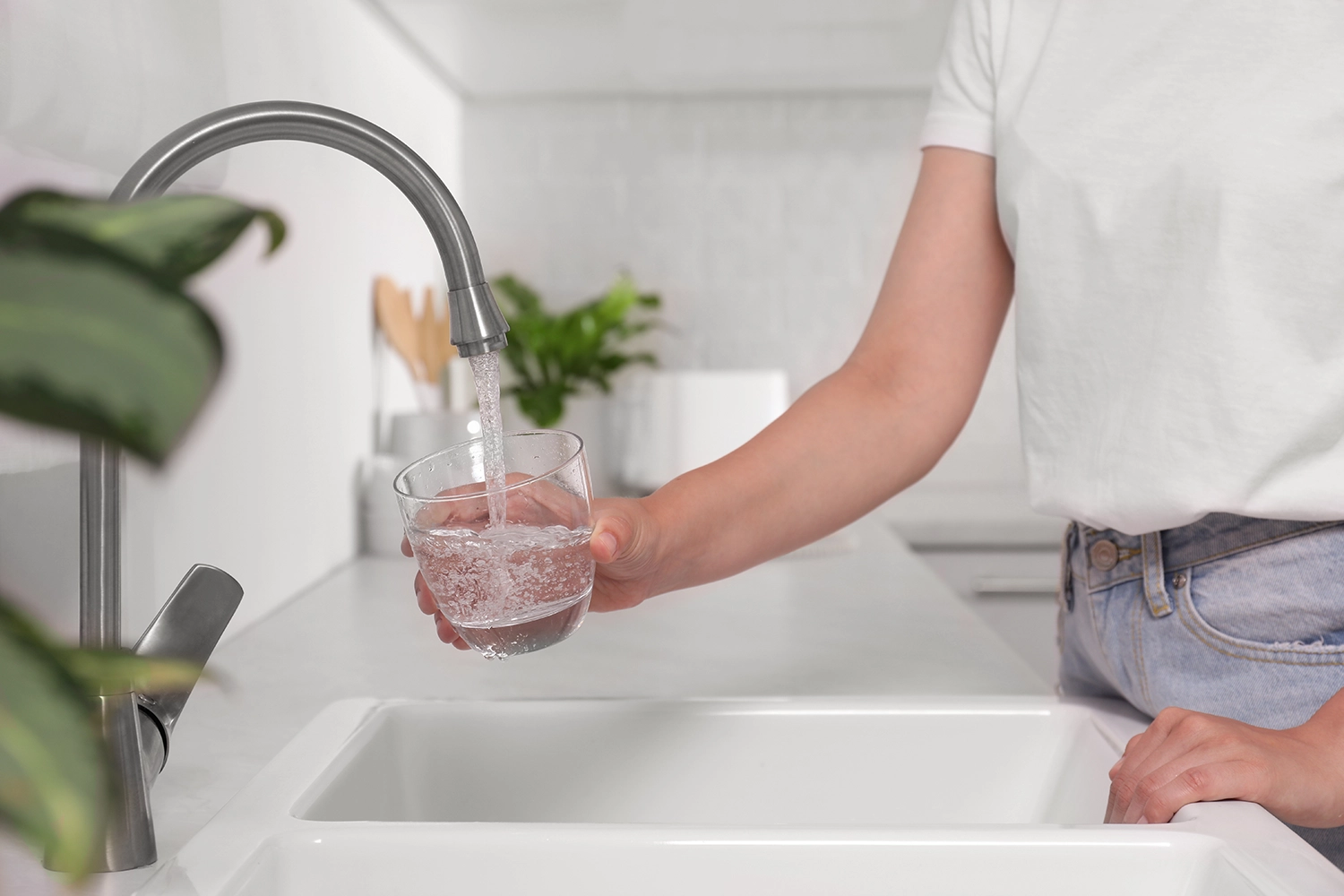
One of the most common signs involves water pressure. Turn on a faucet. If water trickles, sputters, or stops entirely, freezing may be restricting flow.
However, frozen pipes don’t always affect the entire house. Often, one fixture fails first. Exterior faucets and bathrooms on outside walls are especially vulnerable.
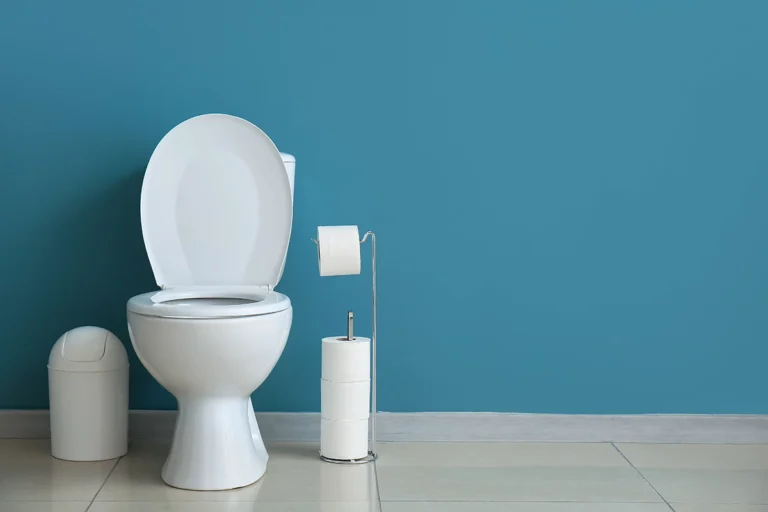
If you notice the toilet won’t refill properly, that symptom often points to frozen supply lines. Comparing the symptoms to common toilet refill problems helps rule out non-weather causes first.
When Hot Water Stops Working but Cold Water Still Runs
Sometimes cold water still flows, but hot water does not. That scenario confuses many homeowners.
In reality, hot water lines freeze faster. These pipes are often thinner and run through colder areas. In our experience, hot water lines are often the first to freeze.
If hot water suddenly disappears during freezing temperatures, it helps to compare what you’re seeing with other causes of sudden hot water loss. Frozen piping is often the missing link.
Physical Signs That Help Tell If Pipes Are Frozen
Visible signs often appear in basements, crawl spaces, and under sinks. Frost forming on exposed pipes signals freezing is already underway.
In other cases, pipes may feel unusually cold or show excessive condensation. While condensation alone isn’t always dangerous, it increases freezing risk.
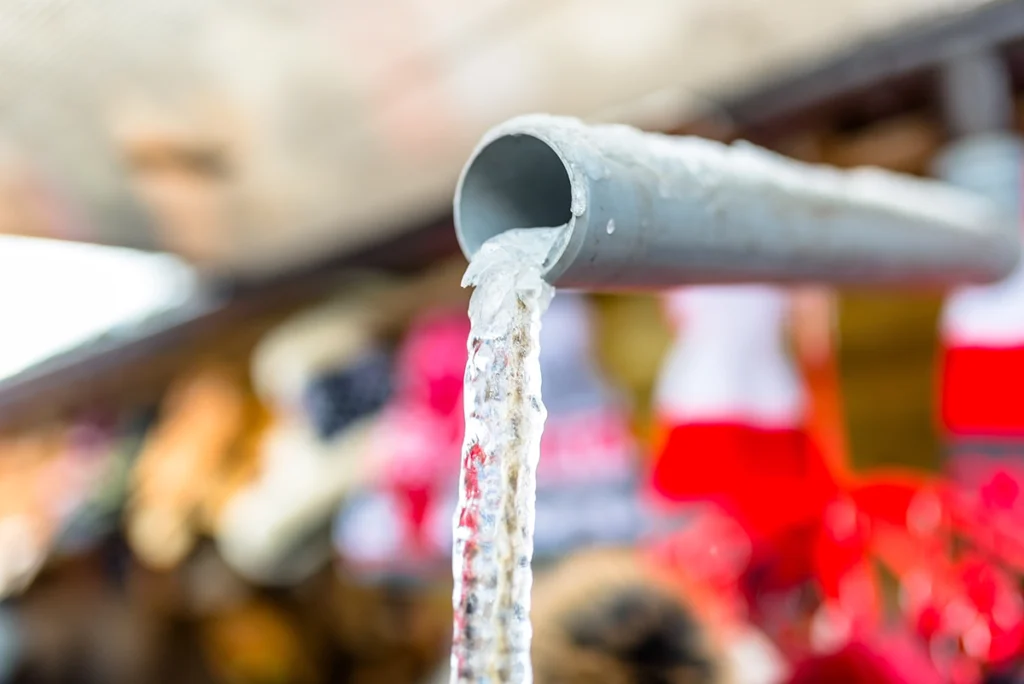
During winter inspections, visible frost or ice buildup is one of the clearest indicators that a pipe has frozen.
Unusual Noises or Odors
Frozen pipes can trap pressure and air. Because of that, faucets may hiss, pop, or bang when turned on.
Strange smells can also appear when water sits trapped inside frozen sections. While odors don’t always confirm freezing, they often appear alongside restricted flow.
How to Tell If Pipes Are Frozen in Hidden Areas
Not all frozen pipes are visible. In fact, many problem sections hide behind walls or ceilings. Because of that, freezing often goes unnoticed until water flow changes.
High-risk areas include: 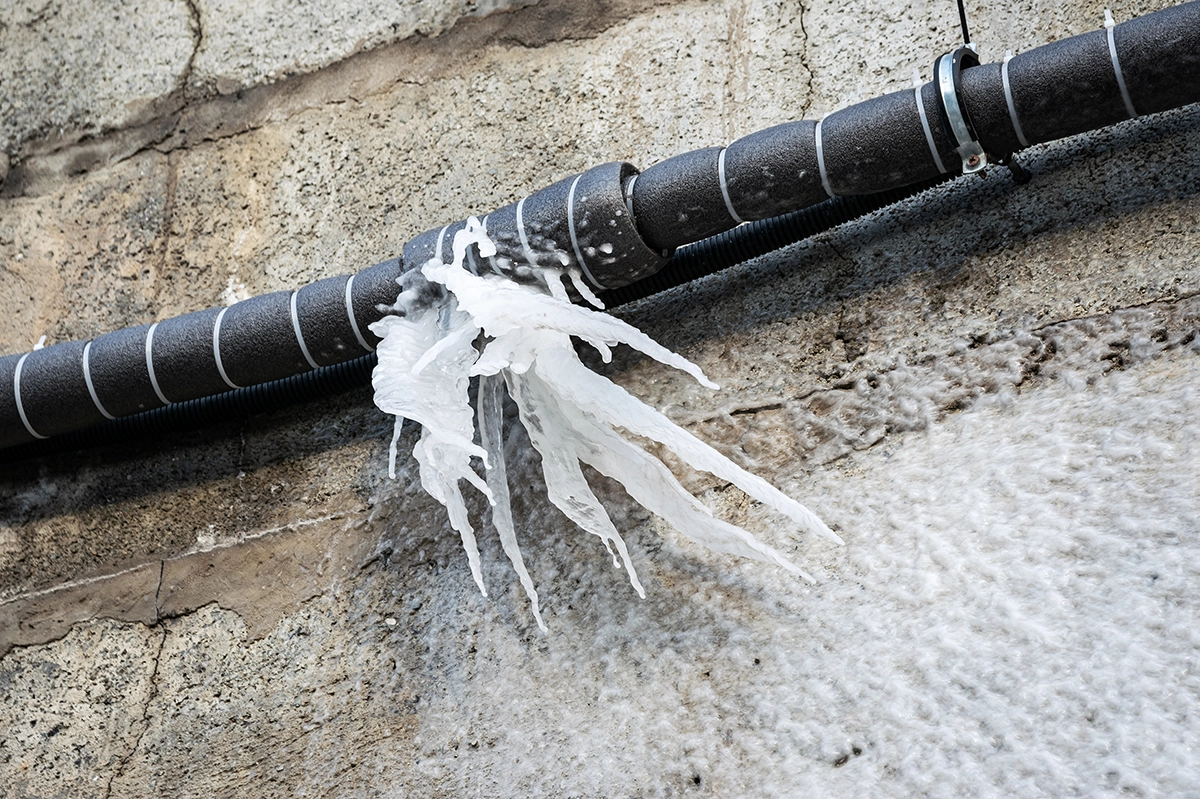
-
Exterior walls
-
Unheated garages
-
Crawl spaces
-
Cabinets under sinks
When fixtures in these locations stop working first, it often indicates frozen piping behind walls or ceilings.
When temperatures stay low for extended periods, pipes in these areas lose heat quickly. National weather guidance explains that sustained freezing temperatures significantly increase the risk of household systems freezing, even without extreme weather events.
What to Do After You Know Your Pipes Are Frozen
Once freezing is suspected, act carefully. First, leave the affected faucet slightly open. Moving water relieves pressure.
Next, gently warm the pipe using a space heater or hair dryer. Never use open flames. Fire risk rises quickly during winter repairs.
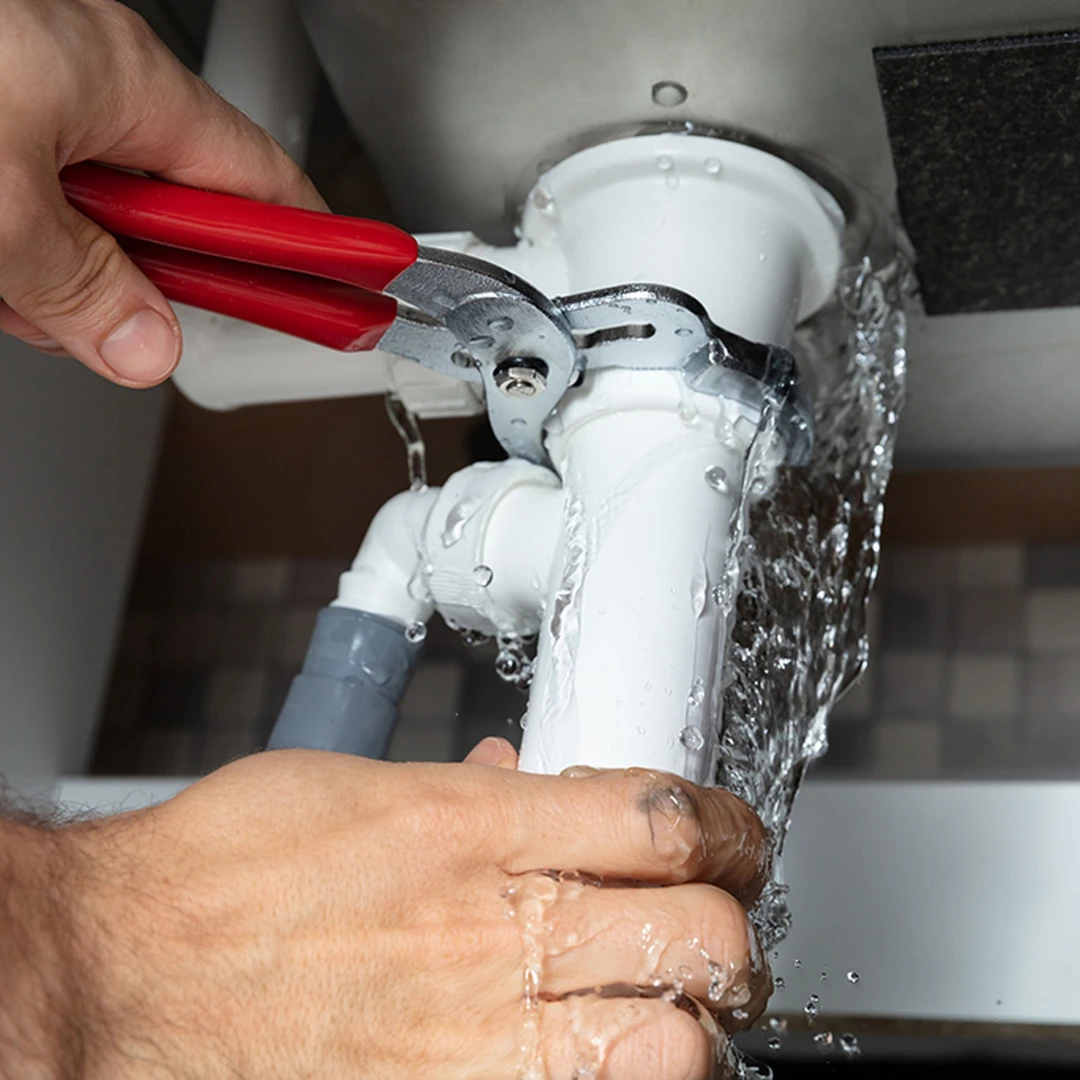
If pipes don’t respond, professional service helps identify hidden damage and reduce the risk of future leaks.
How We Help Homeowners Deal With Frozen Pipes
At Whale Worth It! Plumbing, Heating & Air, frozen pipe calls increase every winter. Because of that, we focus on education, early detection, and safe thawing.
We show homeowners how to identify frozen pipes, inspect vulnerable areas, and address insulation gaps. Those steps often prevent repeat issues.
Frozen pipes feel stressful, but fast action keeps damage manageable.
When to Call a Professional
If water stops flowing completely or pipes begin to swell or bulge, act quickly. Those signs show pressure building inside the line—a clear warning that helps you know your pipes are frozen.
Even when water service returns, damage caused during freezing can remain hidden. That’s why homeowners shouldn’t ignore frozen pipe issues once temperatures rise. A professional inspection helps catch problems early, before they turn into leaks or flooding.
If you suspect frozen pipes or want confirmation before damage occurs, professional plumbing repair helps identify the issue early and protect your home.
For homeowners who need help right away, Whale Worth It! Plumbing, Heating & Air is ready to step in with clear answers and reliable solutions. Contact us today to schedule service or get expert guidance before damage worsens. We proudly serve the North Shore, MA, and surrounding communities.
FAQs About Frozen Pipes
Homeowners often have similar questions once they learn how freezing affects plumbing. Here are quick answers we share.
Pipes can freeze in six hours when temperatures drop below 20°F.
Yes. Extreme cold can still freeze pipes, especially on exterior walls.
Yes. Shutting off water limits damage if a pipe bursts.
Yes. Coastal winters still bring freezing temperatures that affect exposed plumbing. How long does it take for pipes to freeze?
Can pipes freeze even if water is dripping?
Should I shut off water if pipes are frozen?
Do frozen pipes happen often in North Shore, MA?
When cold weather hits, recognizing frozen pipes early helps prevent damage. Balanced awareness protects your home, prevents damage, and avoids winter plumbing emergencies.