When someone discovers that there’s no hot water in their house, the situation usually feels urgent. At Whale Worth It! Plumbing, Heating & Air, we see this situation frequently because heavy daily demand, sediment buildup, and normal wear all increase the chances of sudden water heater failure. Even when the loss of hot water feels abrupt, most issues follow recognizable patterns. Understanding those patterns helps you know what to check—and when it’s time to bring in a professional.
What Causes No Hot Water in the House?
Several problems can trigger a complete loss of hot water, and many of them start small. Because water heaters handle high-demand workloads, minor changes in performance often lead to sudden failures. Gas models, electric units, and tankless heaters each fail in different ways. Still, the first step is confirming whether the issue involves fuel supply, electrical power, or internal component wear. These are the most common causes we find when a water heater suddenly stops producing hot water.
Checking Power Supply When There’s No Hot Water in the House
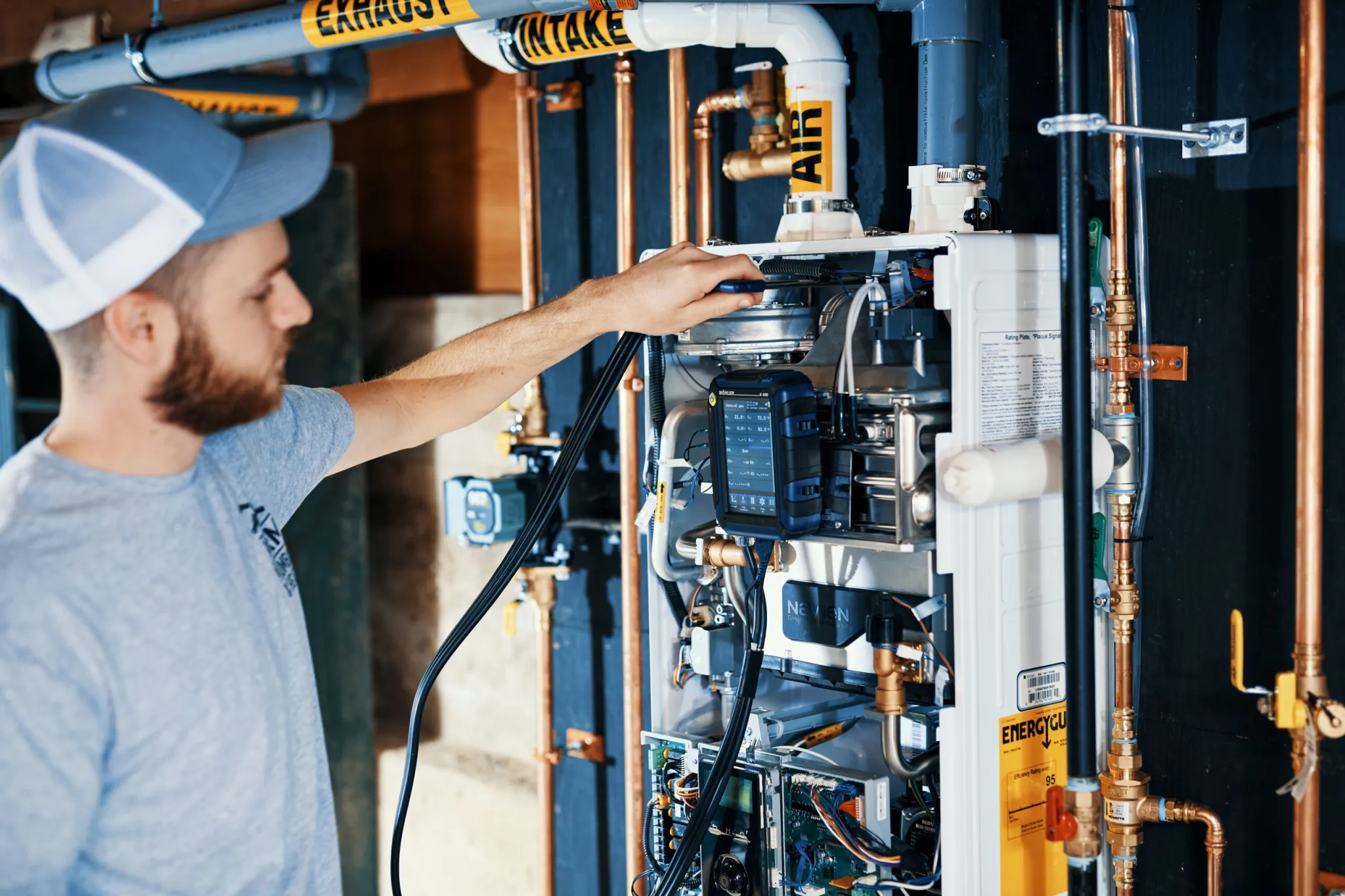
Before troubleshooting deeper issues, confirm that the water heater has full power. Electric units rely on a dedicated breaker, and even a brief surge can trip it. Gas systems also depend on electrical components, especially modern models with electronic ignition. Because these failures happen quietly, many customers assume the heater itself has failed when the cause is actually a simple interruption. Although this fix sounds basic, it’s one of the most common reasons people suddenly lose hot water.
Pilot Light and Burner Problems That Stop Hot Water
Gas water heaters produce consistent hot water only when the burner ignites correctly. A weak pilot flame, dirty burner assembly, or faulty thermocouple prevents the system from heating. When we diagnose calls at Whale Worth It!, these issues appear often in older units. Even though they may seem minor, they can create safety risks and should never be ignored. If the flame looks unstable or keeps going out, it’s best to schedule a professional inspection.
Sediment Buildup
Sediment naturally collects at the bottom of tank-style heaters. Over time, that layer becomes thick enough to block heat transfer. This forces the system to work harder, which shortens its lifespan and raises energy costs. Many homeowners notice popping or rumbling noises first. These sounds indicate trapped air bubbles beneath the sediment layer as the burner struggles to heat water. Regular maintenance prevents this buildup and helps the tank operate more efficiently throughout the year.
Frozen Pipes
In colder months, one overlooked cause of having no hot water in the house is frozen plumbing. Even when the water heater is working normally, ice inside a supply line can block hot water from reaching your fixtures. This problem tends to appear suddenly during extreme cold. For practical seasonal guidance, the Red Cross provides helpful information on preventing frozen pipes, which can reduce the chances of losing hot water during winter.
When a Failing Water Heater Needs Professional Repair or Replacement
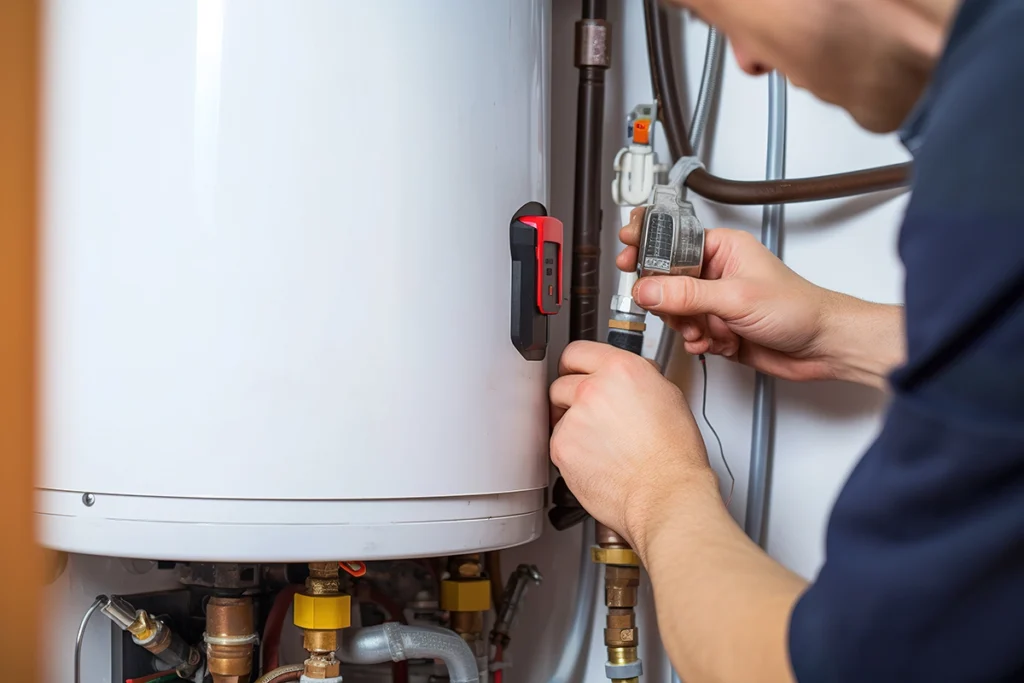
Some problems cannot be corrected with simple resets. Leaking tanks, corroded components, and failing heating elements require prompt attention. At Whale Worth It! Plumbing, Heating & Air, we evaluate whether repair makes sense or if replacement is the better long-term choice. Although many systems last 8–12 years, factors such as water quality, daily demand, and maintenance strongly affect longevity. When parts become difficult to source or the unit loses efficiency, upgrading often saves more money over time.
If failures keep happening, our technicians can determine whether a repair will hold or if water heater replacement is the smarter path. And if your system still has life left in it, our water heater repair team can get it working safely again.
For guidance on choosing an efficient replacement, the U.S. Department of Energy’s Selecting a New Water Heater guide explains how different models perform and what factors affect long-term reliability.
Cold Weather Can Increase the Risk of No Hot Water in House
Seasonal temperature changes affect plumbing systems more than most people realize. Extremely cold weather can slow recovery time, reduce efficiency, or even cause safety sensors to shut down older heaters. Sudden temperature drops also reveal weak components, especially in systems that already struggle to keep up with demand. Even a short cold spell can create conditions that lead to no hot water in a house, particularly when the unit is overdue for maintenance or the plumbing is poorly insulated.
Preventing Sudden Hot Water Loss
Although system failures can feel unpredictable, many shutdowns are preventable. Routine flushing, annual inspections, and timely part replacements keep a water heater running efficiently. Clean water, a steady fuel supply, and stable power also support long-term performance. With consistent water heater maintenance, homeowners can reduce the risk of leaks, slow recovery times, and sudden temperature drops.
Final Thoughts: Why No Hot Water in House Requires Fast Action
Understanding why there’s no hot water in your house helps you respond quickly and avoid worsening damage. When a water heater loses efficiency or stops working entirely, the safest approach is scheduling a professional diagnosis. Whale Worth It! Plumbing, Heating & Air provides reliable service, honest recommendations, and long-term solutions. If you’re dealing with hot water trouble, contact us for expert help and clear guidance on what to do next.
Contact Us
Need fast water heater repair or replacement?
Contact Whale Worth It! Plumbing, Heating & Air for prompt, dependable plumbing services you can trust.
FAQs About Hot Water Loss
Homeowners often have similar questions when their hot water suddenly stops. These quick answers provide helpful guidance.
Cold weather strains older systems and slows recovery time, so weak components often fail when temperatures drop.
Yes. Sediment blocks heat transfer, reduces efficiency, and often creates rumbling noises before the system stops heating entirely.
Repairs work when parts are accessible, but replacement is usually smarter for older, leaking, or inefficient units.
Annual service helps prevent breakdowns, improves efficiency, and keeps both tank and tankless systems running safely. Why do I suddenly have no hot water in my house during winter?
Can sediment cause a sudden loss of hot water?
Is it better to repair or replace a failing water heater?
How often should water heaters be maintained?