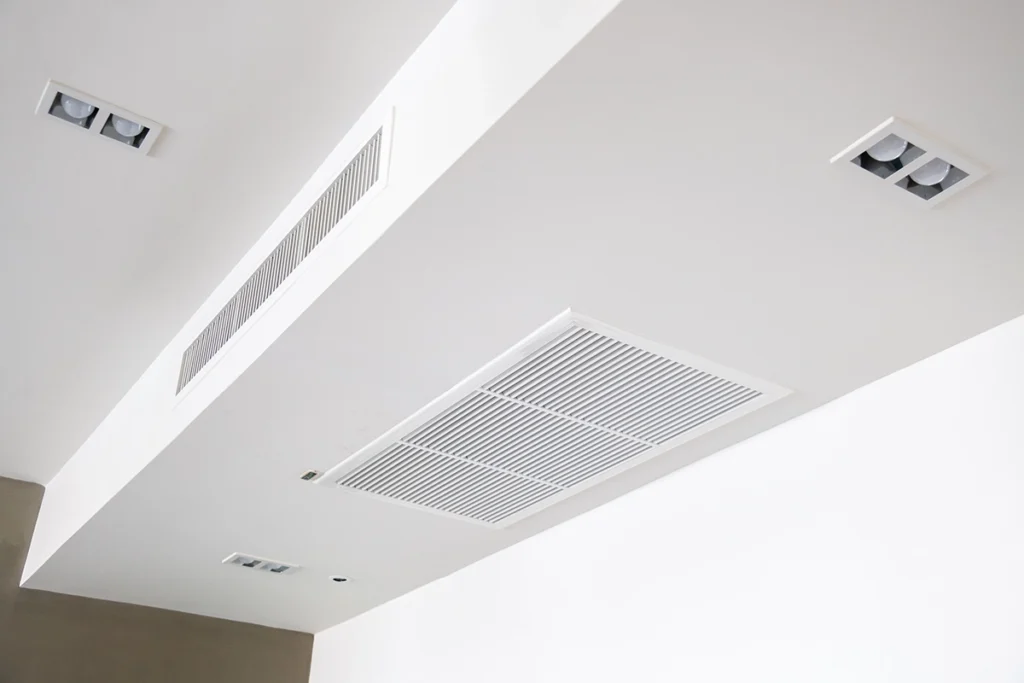
Forced air heating is one of the most common ways homes are heated, yet many people don’t fully understand how it works. In our day-to-day work at Whale Worth It! Plumbing, Heating & Air, this topic comes up often during service visits. Once you understand how forced air heating delivers warmth, it becomes easier to maintain your system, spot problems early, and make smarter upgrade decisions.
What Is Forced Air Heating?
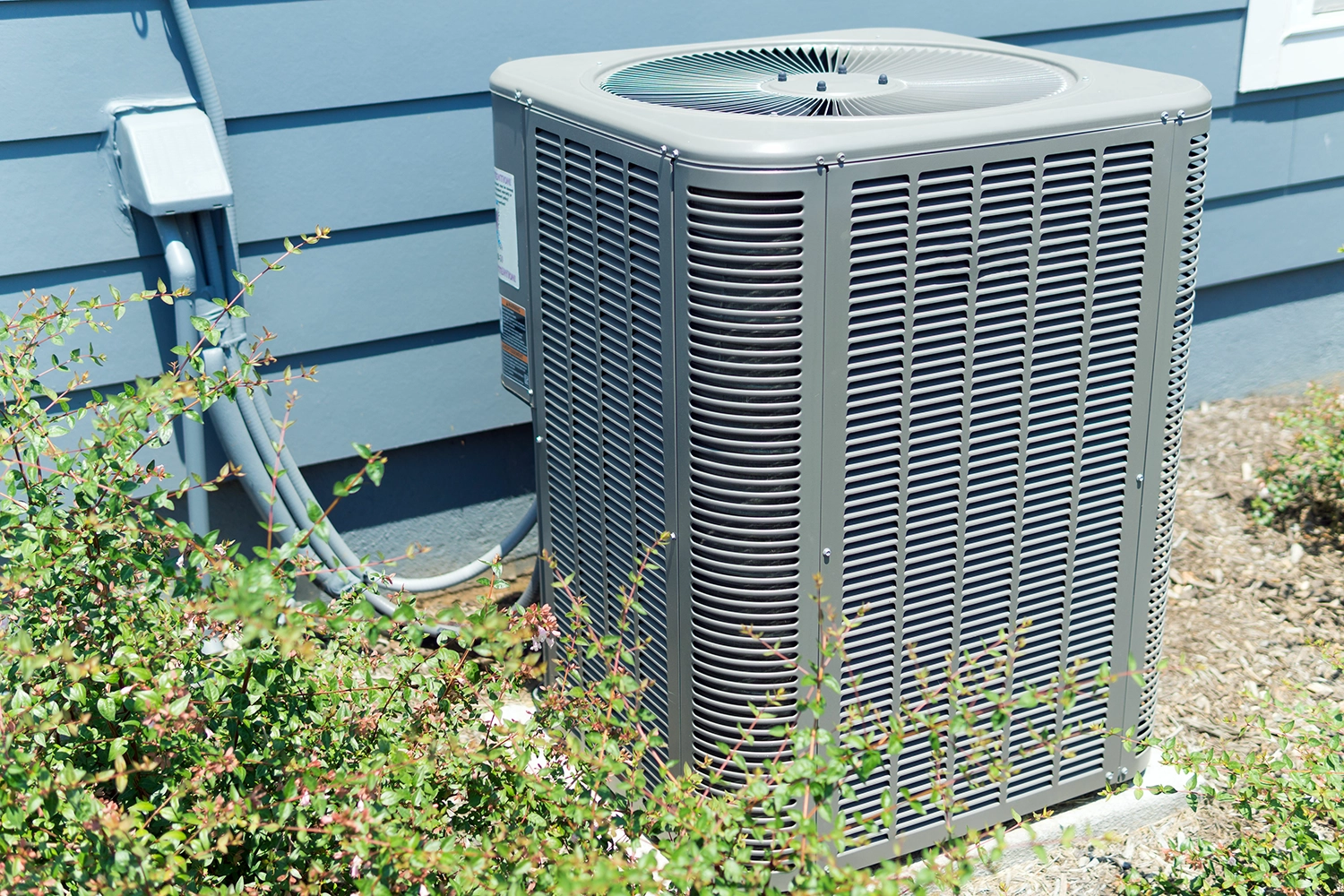
At its core, forced air heating comes down to one simple idea. A central unit heats air and then pushes it through ductwork using a blower fan. That warm air enters your rooms through vents, while cooler air returns to the system to be reheated. Because the air is “forced” by a fan, heat spreads quickly and evenly.
Most forced air systems use a furnace, although some use heat pumps. Natural gas, propane, oil, or electricity can power the system. Regardless of fuel, the airflow process stays largely the same.
How Forced Air Systems Work Step by Step
Understanding how forced air heating works helps everything click.
First, your thermostat signals the system to turn on. Next, fuel or electricity heats the exchanger inside the unit. Then, the blower fan pushes warm air into the ducts. Finally, that air exits through supply vents and warms your living space.
At the same time, return vents pull cooler air back. This loop continues until your set temperature is reached. Because of this cycle, forced air systems respond quickly to temperature changes.
Forced Air Heating Compared to Other Systems
Many people ask how forced air compares to boilers or radiant systems. Forced air uses ducts and air movement. Boilers rely on hot water or steam. Radiant systems heat surfaces instead of air.
Forced air systems heat spaces faster than many other home heating options. They also work well with central air conditioning. That compatibility is a big reason they remain popular nationwide.
The U.S. Department of Energy explains that forced air systems remain common in residential heating because of efficiency and versatility. The U.S. Department of Energy offers more detail on furnace-based heating systems through its Energy Saver program.
Benefits of Forced Air Heating
Forced air heating offers several advantages.
First, it heats spaces quickly. Second, it pairs easily with cooling systems. Third, filters help improve indoor air quality. Many systems can even add humidifiers or air purifiers.
Because of this flexibility, homeowners often prefer forced air systems. From our experience at Whale Worth It! Plumbing, Heating & Air, versatility matters as much as comfort.
Common Components Inside Forced Air Heating Systems
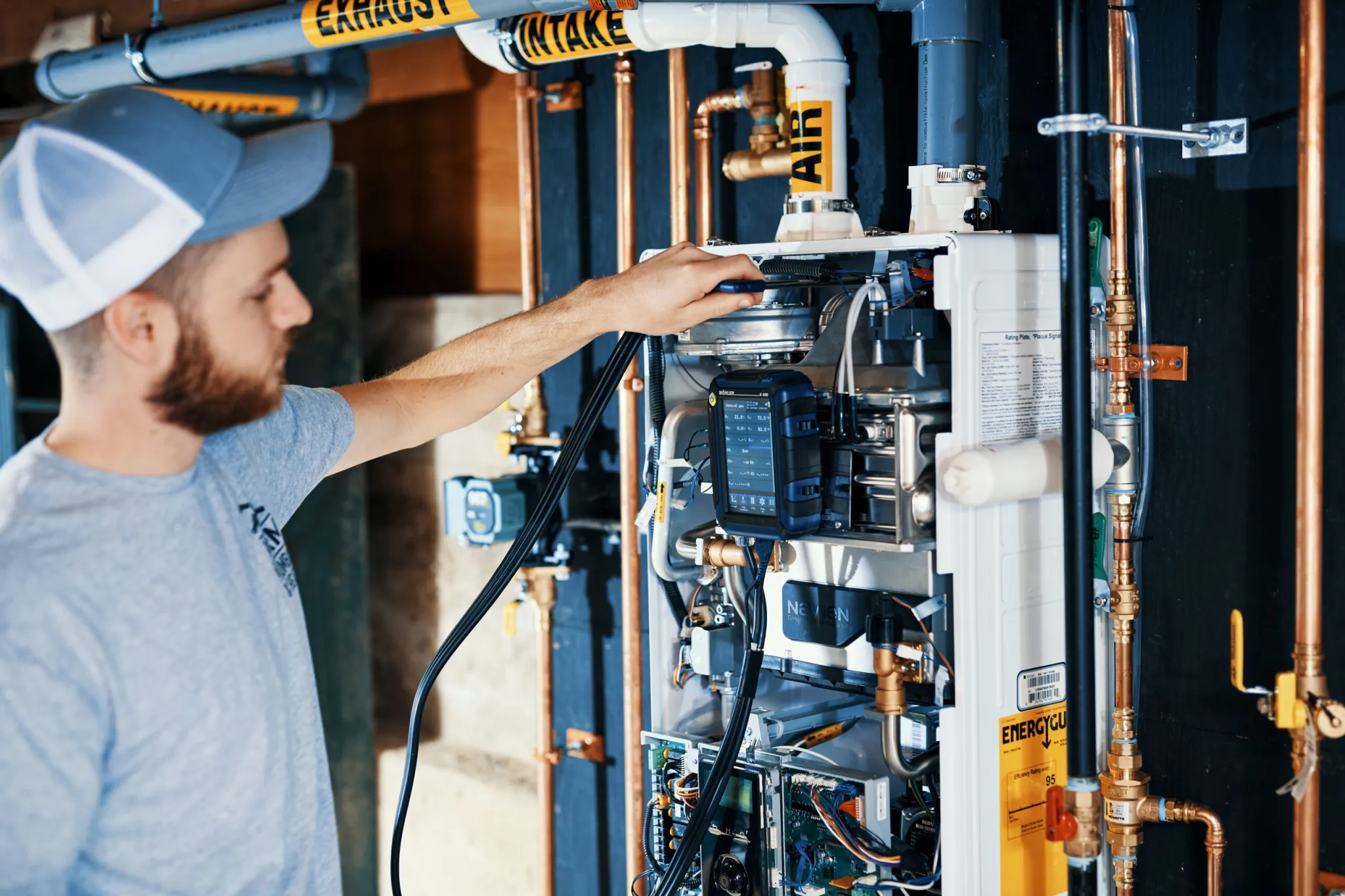
To really understand forced air systems, it helps to know the main components that make the system work together. Each part plays a role in creating heat, moving air, and protecting the system during operation.
Furnace and Heat Source
The furnace produces heat using gas, oil, or electricity. Heat pumps generate warmth differently but still move air the same way.
Blower Motor and Ductwork
The blower pushes air through ducts. Clean ducts help maintain consistent airflow.
Safety Controls
Every forced air system includes safety components. One key part is the furnace limit switch, which prevents overheating. Many people ask about this component when learning how the system protects itself and controls airflow.
Forced Air Heating System Maintenance
Maintenance keeps forced air systems reliable. What is forced air heating without airflow? Honestly, it’s just heat that can’t get where it needs to go. Dirty filters restrict airflow. Worn parts increase strain. Over time, small issues grow.
At Whale Worth It! Plumbing, Heating & Air, we emphasize an “air path first.” That means paying close attention to return vents, filters, blower performance, and ductwork condition. When airflow stays steady, the system heats faster and cycles more normally.
Airflow problems often appear before major failures. For example, if a furnace is not blowing hot air, the cause may involve airflow restrictions, sensors, or safety controls rather than the heat source itself. Without steady airflow, forced air systems can’t deliver consistent comfort.
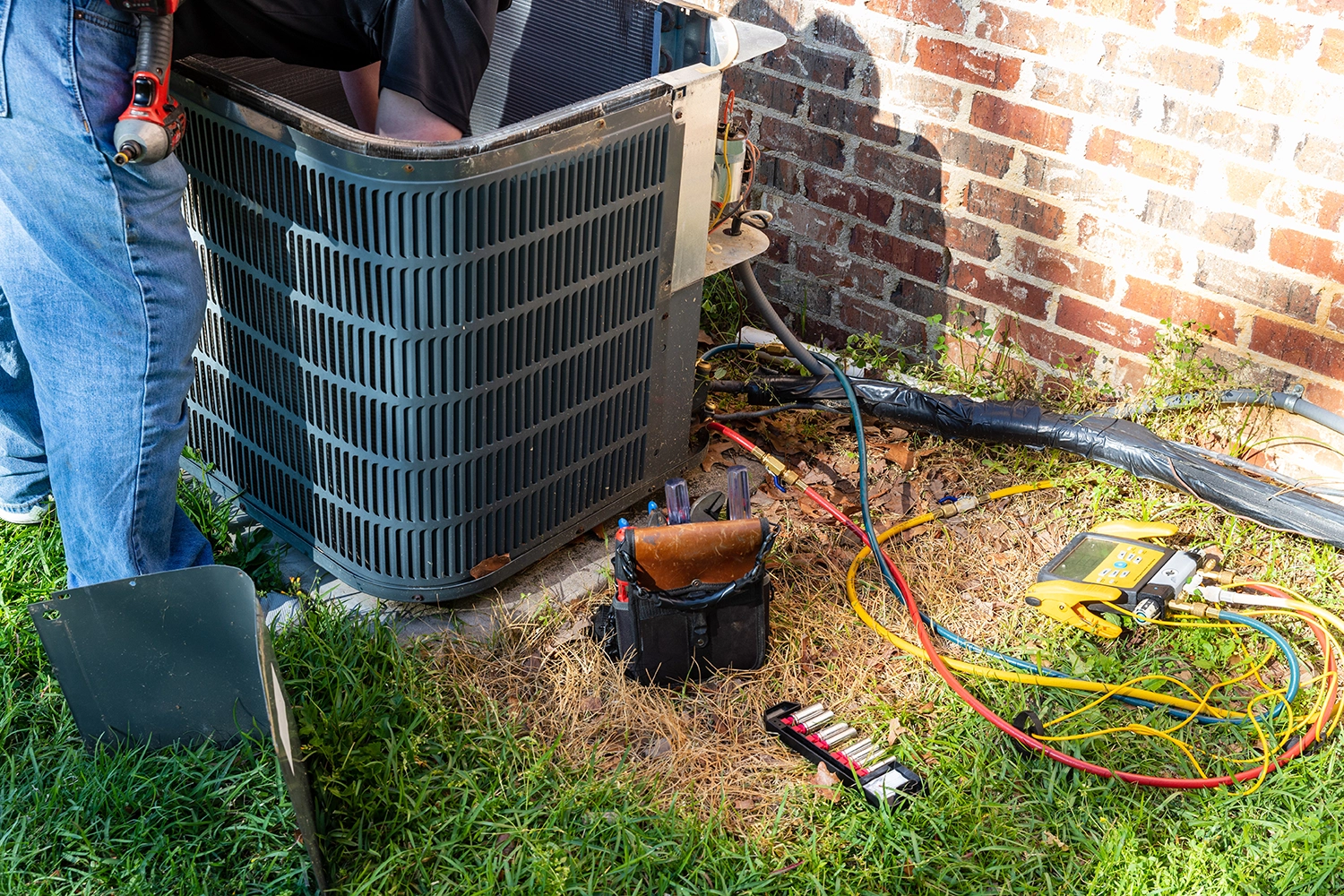
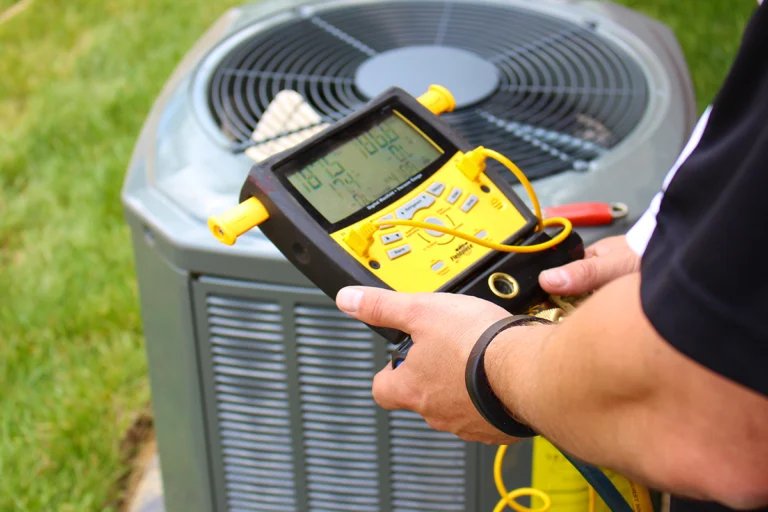
Regular heating maintenance helps forced air systems run efficiently, protects airflow, and catches minor issues before they turn into costly repairs.
Seasonal upkeep also improves efficiency. ENERGY STAR notes that routine maintenance and smart habits can improve comfort and reduce energy waste. Their heating and cooling guidance outlines practical steps that support year-round system performance.
Signs Your Forced Air System Needs Attention
Several warning signs show up during service calls.
Rooms may heat unevenly, and the system may cycle more often than normal. Airflow can feel weak at the vents, while strange noises may develop over time. Dust buildup around registers can also be an early warning sign.
When these signs show up, early inspection prevents larger repairs. From our perspective, fast action saves money and stress.
Why Forced Air Systems Remain So Popular
Despite new technologies, forced air heating remains a top choice. It balances speed, comfort, and adaptability. It also works well in homes of all sizes.
Because forced air systems integrate easily with modern thermostats, they support energy-saving schedules. That convenience continues to drive demand nationwide.
Final Thoughts
So, what is forced air heating really about? It’s about moving warmth efficiently, consistently, and safely. While no system is perfect, forced air systems deliver reliable comfort for millions of homes.
At Whale Worth It! Plumbing, Heating & Air, we help homeowners understand their systems, not just repair them. If questions come up or performance feels off, reaching out early always helps.
If you’re ready to get answers, contact us today. Our team is happy to explain options clearly and help you decide what works best for your home.
We proudly serve homeowners throughout North Shore, MA, and surrounding communities.
Frequently Asked Questions
Below are quick answers to common questions homeowners ask us.
Forced air systems work well in homes needing fast, even temperature control. They also pair easily with central air conditioning.
Operating costs depend on fuel type, efficiency, and maintenance. Well-maintained systems usually run more efficiently.
Yes. Filters, UV lights, and humidifiers can enhance air quality when properly installed.
Yes. Forced air heating works with central air conditioning because both systems use the same ductwork and blower. What is forced air heating best used for?
Are forced air systems expensive to run?
Can forced air systems improve indoor air quality?
Does forced air heating work with central air conditioning?
If you’d like help understanding your system or scheduling service, Whale Worth It! Plumbing, Heating & Air is here to help.