If you’ve ever woken up to a weak trickle from the sink (or worse, nothing at all), winter plumbing probably has your attention. The moment temperatures drop, people start wondering when to drip faucets to keep pipes from freezing. At Whale Worth It! Plumbing, Heating & Air, we get this question constantly when the forecast starts throwing around words like “hard freeze” and “wind chill.” And honestly? It’s a smart thing to figure out before freezing temps turn into a plumbing emergency.
Dripping faucets isn’t a guaranteed fix. However, when it’s done the right way, it can help reduce the risk of frozen or burst pipes.
Let’s break down exactly when to do it, when it’s not needed, and how to do it correctly.
When to Drip Faucets: The Simple Answer
Knowing when to drip faucets depends on whether your pipes are exposed or poorly insulated.
You should drip faucets when:
-
Temperatures are expected to drop near or below 32°F
-
It’s going to stay cold for several hours overnight
-
Your plumbing runs through exterior walls, crawlspaces, attics, or garages
-
You’ve had freezing issues before
On the other hand, if your pipes are well-insulated and your home stays warm inside, you may not need to drip anything at all.
Most pipe freeze calls we get don’t happen right at 32°F. They happen when it stays below freezing long enough for the cold to work its way into the walls and plumbing.
Why Dripping Works (And What It Actually Does)
A common myth is that dripping “warms up pipes.” It doesn’t.
Instead, dripping helps because:
-
Moving water is harder to freeze
-
It relieves pressure buildup in the line if ice forms
-
It can keep water cycling through vulnerable areas
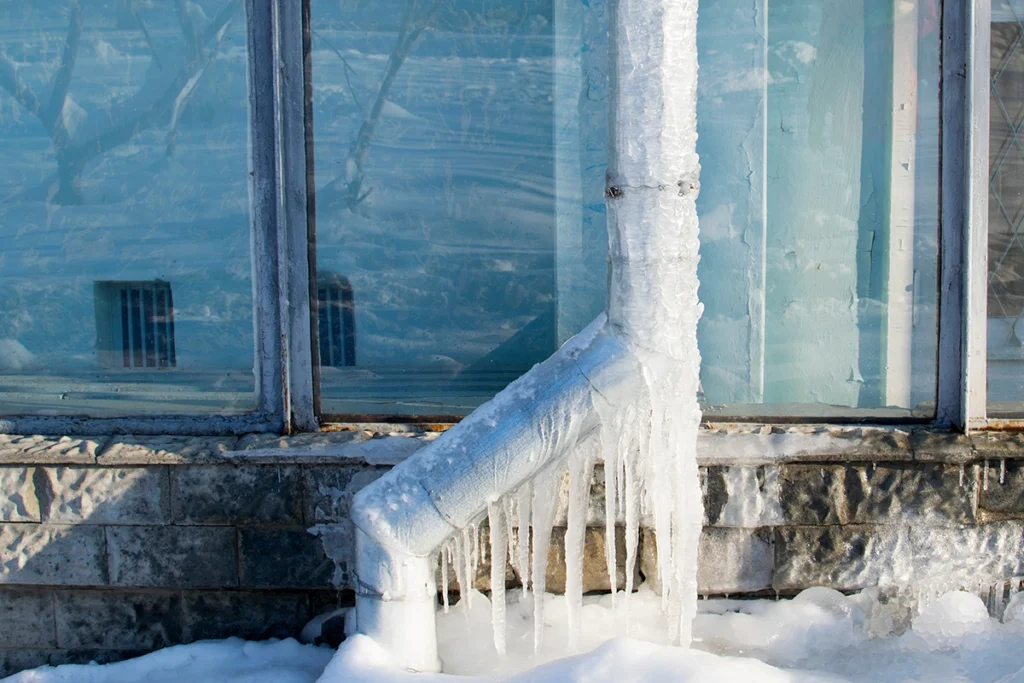
If a pipe freezes solid with no pressure relief, that’s when it can split. Not always immediately, either. Sometimes it cracks and waits until thawing to dump water everywhere. (The worst kind of surprise, by the way.)
When to Drip Faucets Based on Temperature
There isn’t one universal number that fits every home. Still, here’s a reliable guide we use:
32°F to 28°F
-
Drip faucets only if pipes are exposed or poorly insulated
27°F to 20°F
-
Drip faucets in vulnerable areas
-
Keep cabinet doors open under sinks on exterior walls
Below 20°F
-
Drip faucets for any plumbing on exterior walls
-
Consider dripping multiple fixtures
-
Keep indoor temp stable overnight
If you’re unsure whether your plumbing is vulnerable, focus on pipes in exterior walls, crawlspaces, basements, and garages—those are the most common freeze trouble spots.
When to Drip Faucets in Specific Parts of the House
This is where most people get it wrong. They drip whichever faucet is easiest to reach, instead of the one connected to the pipes most likely to freeze.
Drip faucets that are:
-
On exterior walls
-
Far from the main water line entry
-
In unheated spaces (garage sink, laundry room, mudroom)
-
Closest to where prior freezing happened
Also check:
-
Outdoor hose bibs (shut them off and drain them)
-
Pipes in crawlspaces or basements
If you’re not sure whether a line is starting to freeze, our post on how to tell if pipes are frozen before they burst breaks down the early signs to look for before the situation worsens.
How to Drip Faucets Correctly (Not Just “A Drop”)
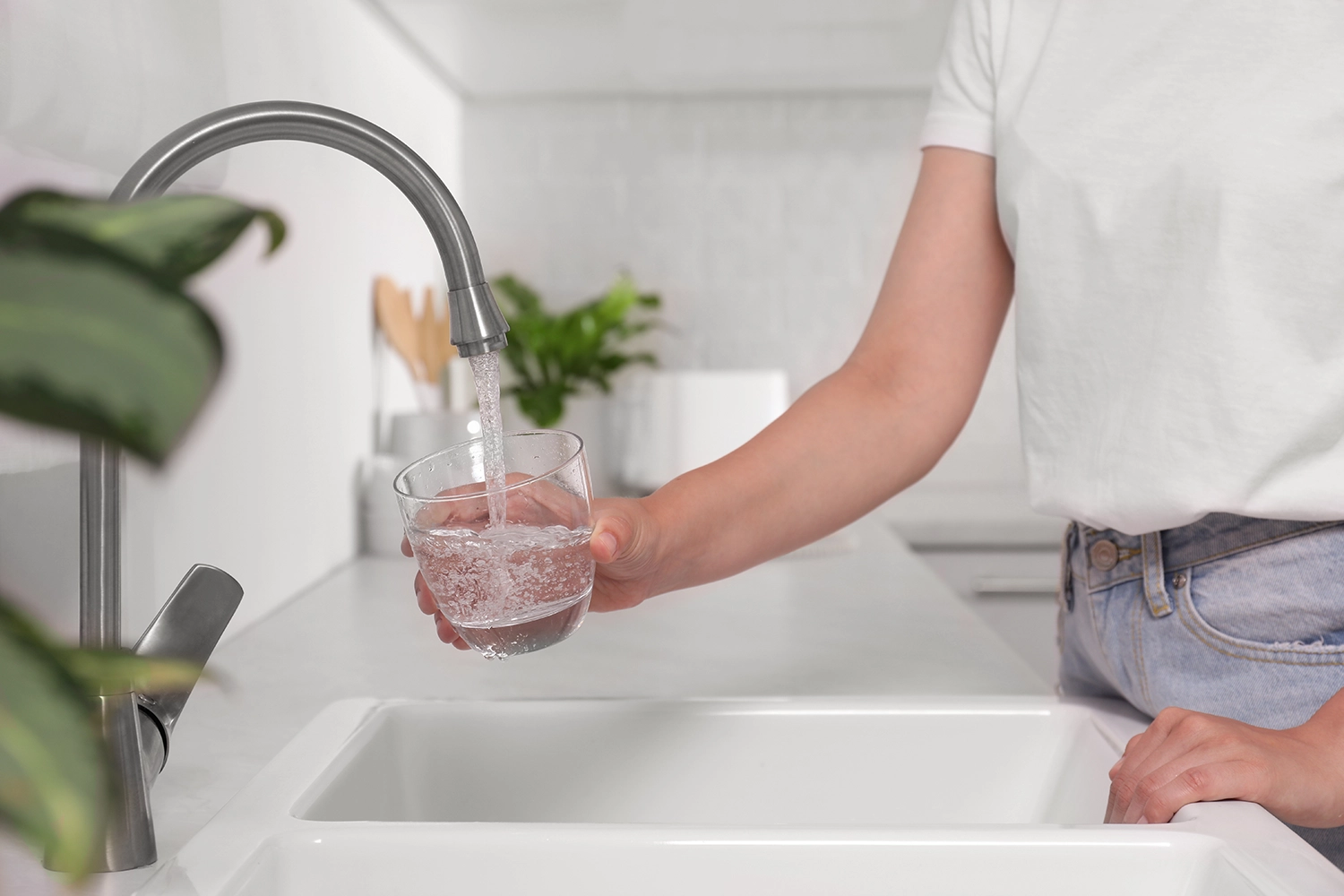
A slow drip sometimes isn’t enough. What you want is a small steady trickle, especially during very cold nights.
In most homes, here’s the simplest way to do it:
-
Turn the faucet until you see a thin stream
-
If possible, let both hot and cold run slightly
-
If the sink is on an exterior wall, keep the cabinet doors open so warm air can reach the pipes
Don’t forget the hot side matters. If you drip only cold water, the hot line can still freeze. And if you wake up with cold water running but no hot water, take a look at our post on what to do when your hot water stops working.
Also, don’t drip just to drip. A protective trickle during a hard freeze is one thing. However, dripping for days when it isn’t needed wastes a surprising amount of water. EPA WaterSense notes that a faucet leaking at one drip per second can waste more than 3,000 gallons per year (that’s over 180 showers’ worth of water), so we always tell homeowners to stop dripping as soon as the freeze risk passes.
What NOT to Do During a Freeze
During cold snaps, we see homeowners accidentally make things worse. So let’s cover the biggest “please don’t” items. These small mistakes are some of the most common reasons pipes freeze in the first place.
Avoid:
-
Turning the heat way down overnight
-
Shutting off all water flow completely in risky areas
-
Using space heaters near pipes unsafely
-
Running hot water constantly as a fix
Basically, one dripping faucet can’t cancel out the bigger freeze risks in the house.
Other Ways to Prevent Frozen Pipes Beyond Dripping
Dripping is helpful. However, it’s not the best long-term solution. The bigger goal is making your plumbing less likely to freeze in the first place—so you’re not constantly wondering when to drip faucets every time the temperature drops.
Here are stronger prevention steps:
-
Add insulation to exposed pipes (foam sleeves work well)
-
Seal air leaks around plumbing penetrations
-
Disconnect hoses and drain outdoor spigots
-
Shut off and drain irrigation lines
-
Keep the thermostat consistent
If you want a solid winter checklist, FEMA’s Winterizing Your Home PDF recommends practical steps like insulating water pipes, using heat tape, and disconnecting and draining outdoor hoses before temperatures drop. Those simple upgrades reduce freeze risk long before you even have to think about dripping anything overnight.
What to Do If You Think a Pipe Froze Anyway
Even if you do everything right, pipes can still freeze during extreme cold. Dripping can help, but it’s not a guarantee—so it’s smart to know what to do if something seems off.
If you suspect freezing:
-
Turn the faucet on (hot and cold if possible) to relieve pressure
-
Check any exposed pipe sections for frost, bulging, or ice buildup
-
Warm the frozen area slowly using safe heat (hair dryer or space heater at a distance)
-
Never use an open flame on plumbing
If you’re seeing odd symptoms—like a toilet that won’t refill or weak flow at certain fixtures—our post on why your toilet tank isn’t filling can help you narrow down a few likely causes.
When to Call a Plumber
If you notice:
-
No water from a faucet
-
A strange metallic or “creaking” sound in walls
-
Damp spots or water stains
-
A sudden drop in water pressure
…it’s time to call.
And just to be clear—even if you followed every tip about when to drip faucets, a freeze can still turn into a burst pipe fast. That’s why it’s smart to get help early if anything feels off.
At Whale Worth It! Plumbing, Heating & Air, we’d always rather help you prevent a burst pipe than respond after your ceiling turns into a waterfall. (Yes, that happens. And yes, it’s as bad as it sounds.)
If you need help fast, our plumbing repair team can diagnose the issue, protect your home, and get your water safely flowing again.
Final Thoughts: When to Drip Faucets to Stop Pipes From Freezing
The safest way to decide when to drip faucets is to focus on pipe exposure, insulation, and how long the cold will last. If your plumbing runs through exterior walls or unheated areas, dripping can be a simple, effective prevention step.
And if you want help winter-proofing your plumbing, Whale Worth It! Plumbing, Heating & Air is here for you. Near the end of a cold snap is when problems often show up. If something feels off, trust that instinct—frozen pipes can go from a minor annoyance to major damage fast. So if you’re in the North Shore, MA area and need help, contact us and we’ll get your system protected and flowing again before the thaw turns into a mess.
Quick FAQs About Dripping Faucets
Below are a few fast answers to common questions homeowners ask every winter.
Most homeowners should drip faucets when temperatures drop below 28°F for several hours, especially overnight. If your plumbing runs through exterior walls, crawlspaces, or unheated areas, you may need to drip sooner.
Yes. Dripping both reduces freeze risk in both supply lines.
Use a small steady trickle, not a single drip every few seconds.
No. Focus on faucets on exterior walls and plumbing in unheated areas. How cold does it need to be before I drip faucets?
Should I drip hot and cold water?
How much should a faucet drip to prevent freezing?
Do I need to drip all faucets?