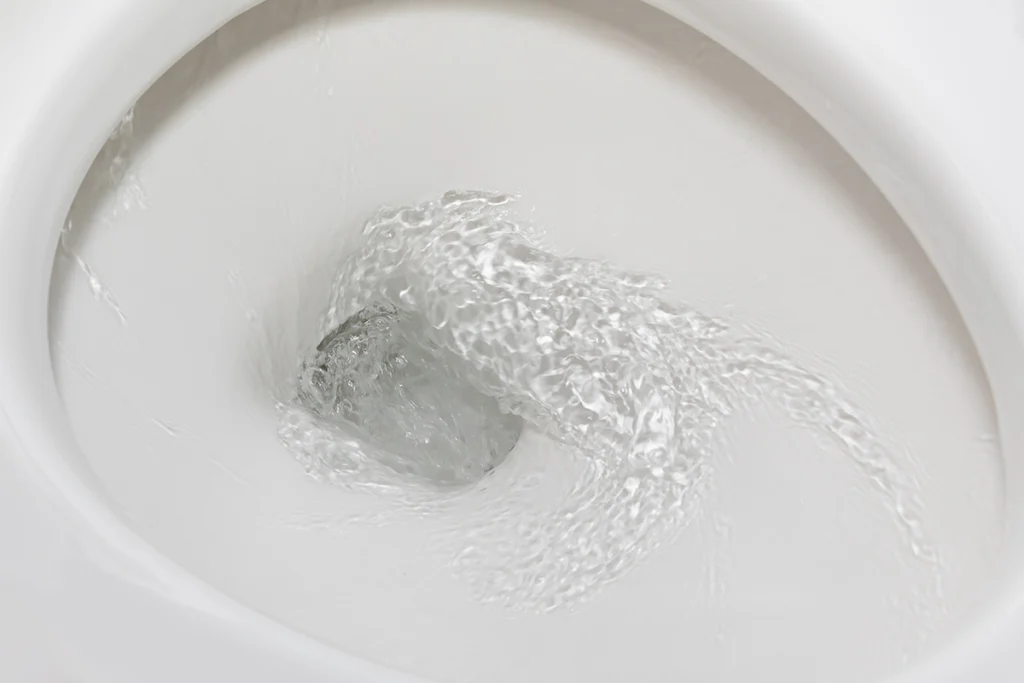
Can you flush hair down the toilet? The short answer is no — and we’ve seen firsthand just how much damage this seemingly harmless habit can cause. Whether it’s from cleaning out a hairbrush, trimming a beard over the bowl, or even pet grooming, hair doesn’t break down in water the way toilet paper does. Instead, it tangles, binds to other debris, and creates stubborn clogs deep in your plumbing system. Over time, those clogs can lead to slow drains, persistent backups, and even costly sewer line issues. We work with homeowners throughout the North Shore who’ve dealt with these frustrating problems. So we know how important it is to understand what really belongs in your toilet — and what doesn’t.
Can You Flush Hair Down the Toilet?
We hear this question often from homeowners across the North Shore. The answer is a firm no. While a single strand might seem harmless, hair should never be flushed down your toilet. Unlike toilet paper, which breaks down quickly in water, hair doesn’t dissolve at all. Instead, it travels through your plumbing system intact. This creates problems you won’t see until it’s too late.
We’ve seen countless drain emergencies that started with the seemingly innocent act of flushing hair. If you’re already experiencing slow drains or suspect a clog is forming, our licensed technicians can help. We’ll inspect your plumbing system, locate the blockage, and restore proper flow before a small problem becomes a major backup. Don’t wait until you’re dealing with an overflow—call us at the first warning sign.
Why Hair Causes Serious Plumbing Problems
Hair is uniquely problematic in your plumbing system because of what it’s made of. Hair is composed of keratin, a tough protein that maintains its structure for months inside pipes. Unlike toilet paper, which breaks down quickly in water, hair strands remain intact. They begin tangling together almost immediately once they enter your drain lines. This is exactly why the answer to “can you flush hair down the toilet” is always no—the material simply isn’t compatible with modern plumbing systems.
When you flush hair down the toilet, those strands travel through your pipes. They catch on any small imperfection—a rough joint, mineral buildup, or even other debris already present. Each strand acts like a net, capturing grease, soap residue, and waste materials passing through. Over time, this creates a dense mass that narrows your pipe diameter. Eventually, it blocks flow completely.
We’ve responded to countless emergency calls in North Shore homes where what started as slow drainage turned into a full sewage backup. Often, this was traced back to accumulated hair deep in the line. The real danger is that hair clogs rarely resolve themselves. Once that blockage forms, it only grows larger with each flush. Our certified technicians use specialized camera inspection equipment to locate these obstructions. Then we determine the safest removal method for your specific plumbing configuration.
Warning Signs Hair Has Been Flushed
We’ve seen countless homes where repeated hair flushing creates problems that build silently over weeks or months. The first warning sign is often a toilet that drains more slowly than usual. Water lingers in the bowl after flushing, or you notice a weak, incomplete flush. These symptoms tell us something is restricting flow in the drain line. Hair tangled with other debris is a common culprit. If you’ve been wondering “can you flush hair down the toilet,” these warning signs are your answer—no, you definitely shouldn’t.
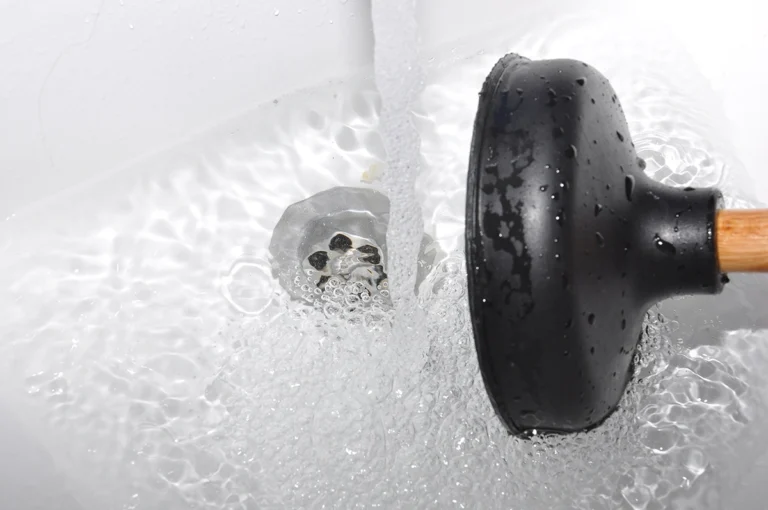
Another telltale sign is recurring clogs in the same toilet. This is especially true if you’re reaching for the plunger more than once a month. Hair doesn’t dissolve, so it accumulates over time. It catches toilet paper, soap residue, and other materials. In severe cases, hair mixes with fats, oils, and debris to form large masses that block sewer lines. You might also hear gurgling sounds from nearby drains when the toilet flushes. This indicates air trapped behind a partial blockage.
If you’re experiencing any of these symptoms, we can perform a thorough drain inspection using camera technology. This lets us pinpoint exactly where hair and debris have accumulated. Early professional diagnosis prevents small clogs from becoming emergency backups. These can affect your entire plumbing system.
What Happens When Hair Clogs Your Pipes
When hair accumulates in your drain pipes, it doesn’t just disappear. It creates a tangled web that catches soap scum, grease, and other debris. Over time, this mass grows larger and tighter. It gradually restricts water flow. What starts as slightly slower drainage can quickly escalate into complete blockages. These affect multiple fixtures in your home. We’ve responded to countless calls where a small hair clog in one bathroom eventually caused sewage backups in showers, tubs, and even other parts of the house. This is a primary reason why homeowners ask “can you flush hair down the toilet”—and why we always emphasize the serious consequences of doing so.
The real danger extends beyond the inconvenience. Standing water from backed-up drains creates the perfect environment for mold and bacteria growth. This poses health risks to your family. If the clog becomes severe enough, the pressure buildup can stress your pipe joints and seals. This potentially leads to leaks inside your walls or beneath your floors. Water damage from these hidden leaks can cost thousands in repairs and remediation.
When you notice persistent slow drainage or gurgling sounds coming from your toilet or drains, it’s time to schedule your plumbing inspection. Our licensed technicians use specialized camera inspection equipment to locate the exact position and severity of the clog. Then we determine the safest, most effective removal method to protect your plumbing system from further damage.
How Professionals Clear Hair Clogs
When you call us to address a suspected hair clog, we start with a thorough diagnostic assessment. Our licensed plumbers first identify the exact location and severity of the blockage. We use professional camera inspection tools that let us see inside your pipes without guesswork. This step is critical because what appears to be a simple toilet clog may actually involve accumulated hair and debris further down the drain line. Sometimes this affects multiple fixtures.
Once we’ve pinpointed the problem, our technicians select the appropriate clearing method. The choice depends on the clog’s composition and location. For stubborn hair blockages, we use professional-grade equipment that can break through compacted masses without damaging your pipes. Our tools are calibrated specifically for residential plumbing systems across the North Shore, MA area. Older homes here sometimes have cast iron or clay pipes that require extra care.
After clearing the blockage, we always perform a follow-up inspection. We ensure proper flow is restored and check for any underlying issues. These might include deteriorating pipe sections or improper venting that may have contributed to the problem. This comprehensive approach means you get a lasting solution, not just a temporary fix.
When to Call a Plumber for Toilet Issues
If you’ve been flushing hair down the toilet—even occasionally—and notice slow draining, recurring clogs, or gurgling sounds when you flush, it’s time to contact a licensed plumber. These symptoms often indicate a developing blockage in your drainpipe. It won’t resolve on its own. We’ve responded to countless homes across the North Shore, MA where what started as a minor backup became a costly repair. This happened because homeowners waited too long to call for professional plumbing repair. Many homeowners still wonder “can you flush hair down the toilet” even after experiencing these problems, but the symptoms themselves provide a clear answer.
We can inspect your toilet and drain lines using specialized camera equipment to locate exactly where hair and other debris have created a clog. We’ll determine the best approach to clear the blockage and restore proper flow. If you’re dealing with multiple slow drains, sewage odors, or water backing up into your bathtub when you flush, these are urgent red flags. They require immediate attention.
Don’t wait until a toilet overflow damages your bathroom flooring or creates a health hazard. We’re available to diagnose and resolve toilet and drain issues quickly. This protects your plumbing system and your peace of mind. Give us a call at the first sign of trouble—early intervention always costs less than emergency repairs.
Frequently Asked Questions
Can you flush hair down the toilet safely?
No, you should never flush hair down the toilet. Hair doesn’t dissolve in water like toilet paper does. Instead, it tangles and binds with other debris to create stubborn clogs deep in your pipes. We’ve seen this cause slow drains, recurring backups, and even sewer line blockages across North Shore homes. Always dispose of hair in the trash instead.
What happens if I accidentally flush hair down the toilet?
A few strands likely won’t cause immediate problems. However, hair accumulates over time. It catches soap residue, grease, and other materials, forming dense clogs that restrict water flow. If you’ve been flushing hair regularly and notice slow drainage or gurgling sounds, call us. Our licensed technicians can inspect your drain lines before a minor issue becomes a costly emergency.
Can hair clogs cause toilets to overflow?
Yes, accumulated hair can absolutely cause toilet overflows. When hair tangles with toilet paper and other debris, it creates blockages that prevent proper drainage. Water backs up in the bowl and can overflow onto your bathroom floor. We respond to these emergencies frequently throughout the North Shore. If your toilet drains slowly or backs up repeatedly, contact us for professional inspection and clearing.
Will chemical drain cleaners dissolve hair in toilet pipes?
Chemical drain cleaners rarely dissolve hair clogs effectively. They can actually damage your pipes over time, especially in older North Shore homes. Hair’s keratin protein structure resists most chemicals. Our licensed plumbers have professional equipment to safely remove hair blockages. We won’t harm your plumbing system. We’ll locate the clog with camera inspection and clear it properly the first time.