You kneel down to wipe the floor behind your toilet and notice flaky orange buildup on the valve handle. Or maybe you spotted a stubborn drip that won’t quit, even when you turn the knob. A corroded shutoff valve behind toilet in Danvers is more than a cosmetic issue. Once corrosion takes hold, the valve becomes harder to turn. It’s also more likely to leak. In some cases, it becomes impossible to close when you need it most. That’s why we encourage homeowners to address the problem before a small leak turns into a bigger headache. In this post, we’ll explain what causes valve corrosion. We’ll cover how to recognize the warning signs. We’ll also explain what’s involved when our licensed plumbers replace it.
What a Corroded Shutoff Valve Behind Your Toilet Means
Every toilet in your Danvers home has a small shutoff valve tucked behind it, usually near the floor where the water supply line connects to the wall or floor. This valve, often called an angle stop, gives you the ability to shut off water flow to the toilet for repairs or emergencies. You can handle toilet work without turning off the entire home’s supply. When that valve corrodes, you lose that critical control point. The risk of a sudden leak or a stuck, inoperable valve climbs sharply. According to the EPA WaterSense program, water-efficient fixtures and practices can reduce a home’s water use and utility costs.
Corrosion happens when mineral deposits from the water supply, moisture from condensation, or environmental factors in the bathroom eat away at the metal body or internal components. You might notice greenish or white buildup on the valve body, rust stains on the floor, or a handle that no longer turns smoothly. According to the National Association of Certified Home Inspectors, inspectors should check for water leaks from valve stem, packing washer, and packing nut by wiping the valve body and looking for watermarks. Those watermarks are early warnings that the valve is failing.
A corroded shutoff valve behind toilet in Danvers is a repair that should not wait. If the valve seizes or ruptures, you will face water damage until you can reach your main shutoff. We see these valves fail regularly in older Danvers homes. Replacing them before they leak saves homeowners from costly emergency calls and water cleanup.
Why Your Shutoff Valve Corrodes in the First Place
Corrosion on the shutoff valve behind your toilet usually starts with mineral-rich water, common throughout the Danvers area. When hard water passes through the valve over years, dissolved calcium and magnesium leave deposits on the metal surfaces. These mineral deposits trap moisture against the brass or chrome-plated steel. That constant contact gradually eats away the protective finish.
Even slow leaks around the valve stem (the rod that turns when you operate the valve) speed up corrosion. The dripping water carries minerals and sits in the threads and around the packing nut, forming a crust that holds moisture in place. High humidity from showers and baths adds to the problem. Bathrooms that lack proper ventilation keep metal fixtures damp longer, giving corrosion more time to take hold.
Age plays a major role, too. Older brass valves often lack the corrosion-resistant coatings we see on modern replacements. Any protective layer they once had may have worn through. When we inspect a corroded shutoff valve behind toilet in Danvers, we look at how much pitting has formed on the body and whether the handle still turns smoothly.
Pitting means the metal itself is breaking down. That usually means the valve is no longer safe to rely on. If you notice green or white crust around the valve or feel resistance when turning the handle, it’s time to have a licensed plumber assess the condition before it fails completely.
Signs You Have a Corroded Shutoff Valve Behind Your Toilet
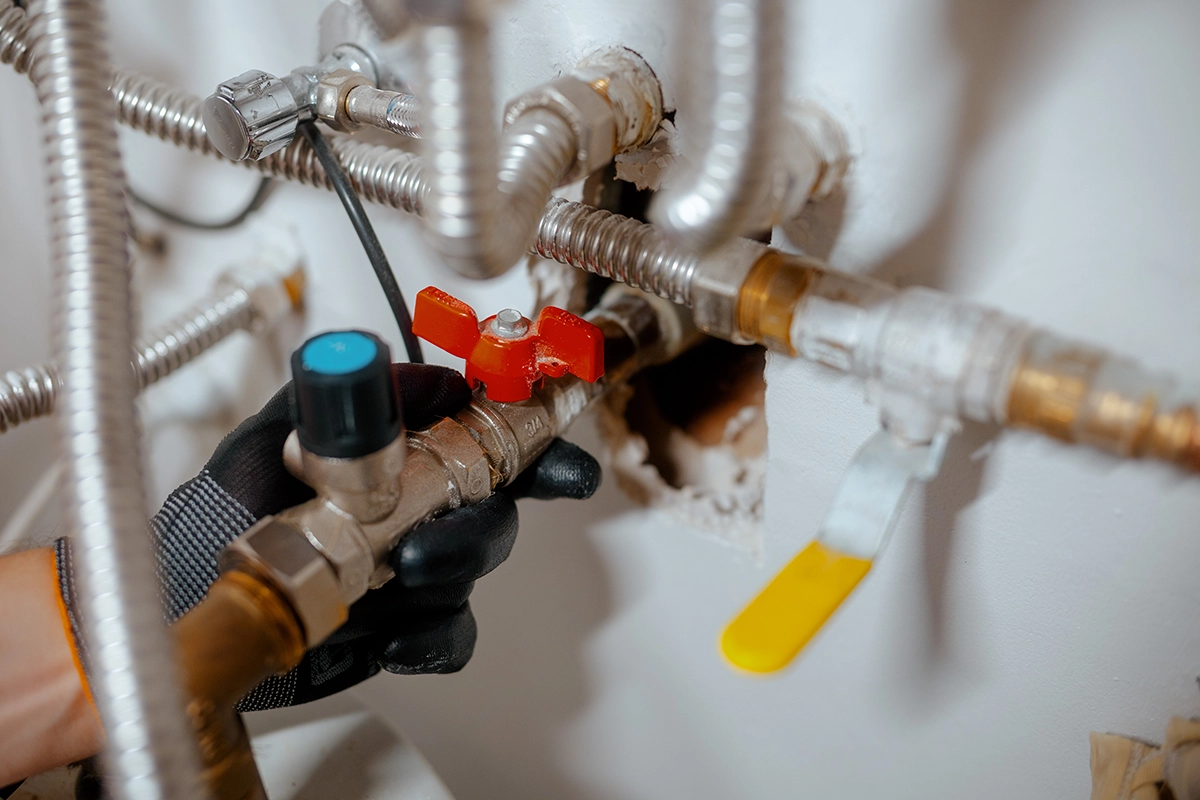
The shutoff valve behind your toilet controls water flow to the tank. Corrosion can turn a simple maintenance task into an emergency. Visible rust or a crusty white or green buildup on the valve body signals advanced corrosion, especially common in older homes throughout Danvers. You may also notice water stains on the wall or floor near the valve. That’s a telltale sign of slow seepage that worsens over time.
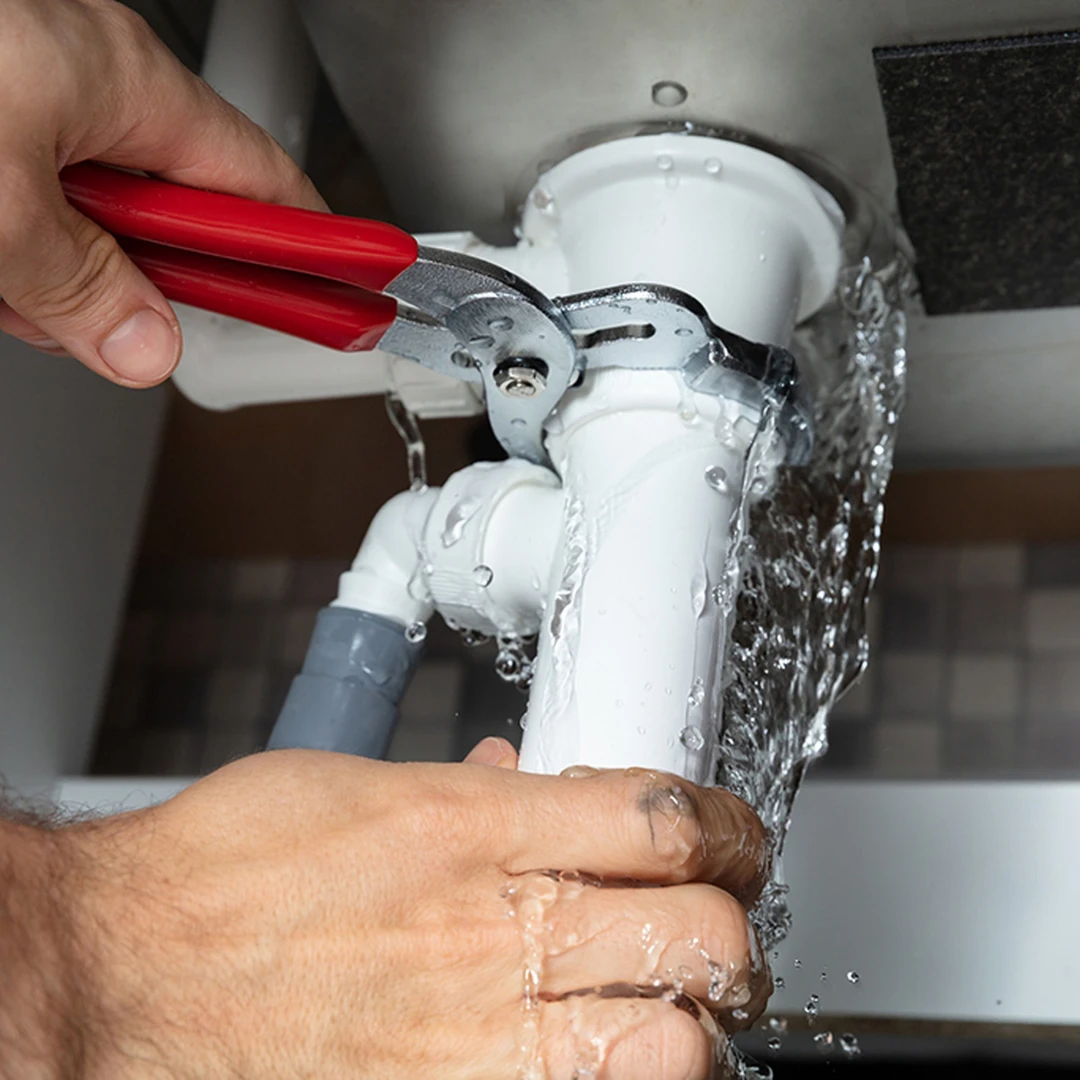
A stiff or frozen handle is another red flag. If you can’t turn the valve by hand or it feels locked in place, corrosion has likely seized the internal mechanism. Attempting to force it can crack the valve body and flood your bathroom. Active dripping or pooling water around the valve base means the seal has failed. Replacement is urgent.
When you spot any of these symptoms, avoid operating the valve and contact us. Our licensed plumbers assess the damage, replace the corroded shutoff valve behind toilet in Danvers, and restore safe, reliable water control to your toilet.
Risks of Ignoring a Corroded Valve in Danvers Homes
A corroded shutoff valve behind toilet in Danvers can fail without warning. It turns a minor inconvenience into a plumbing emergency. When the valve body weakens or the stem (the internal post that controls water flow) seizes completely, you lose the ability to stop water in a crisis. If a supply line bursts or the toilet fill valve malfunctions, water floods the bathroom floor. It soaks into subfloors and seeps into ceilings below. In multi-story Danvers homes, that water damage can spread quickly, warping hardwood, staining drywall, and creating conditions for mold growth within 48 hours.
A stuck valve also means you cannot isolate the toilet for any repairs. You’re forced to shut off water to larger sections of the home or call for emergency service. If the corroded valve breaks off during an attempted shutoff, you face an active leak with no local control. That requires an emergency visit and sometimes more work to access the water supply.
We respond to emergency calls where a corroded valve has failed at the worst possible moment. Our licensed plumbers carry replacement valves and the tools to install them correctly. We restore your shutoff control and protect your home from water damage. If you notice corrosion, stiffness, or leaking around the valve behind your toilet, contact us for an inspection before a small issue becomes a costly emergency.
Contact Whale Worth It for Valve Replacement Today
If you’ve spotted corrosion, leaking, or stiffness at your toilet shutoff valve, the smartest next step is to call a licensed plumber before a small problem becomes a flood. When you reach out to us, we’ll ask a few quick questions about what you’re seeing. We want to know whether the valve is actively leaking or just difficult to turn. That helps us prepare the right parts and schedule your appointment efficiently.
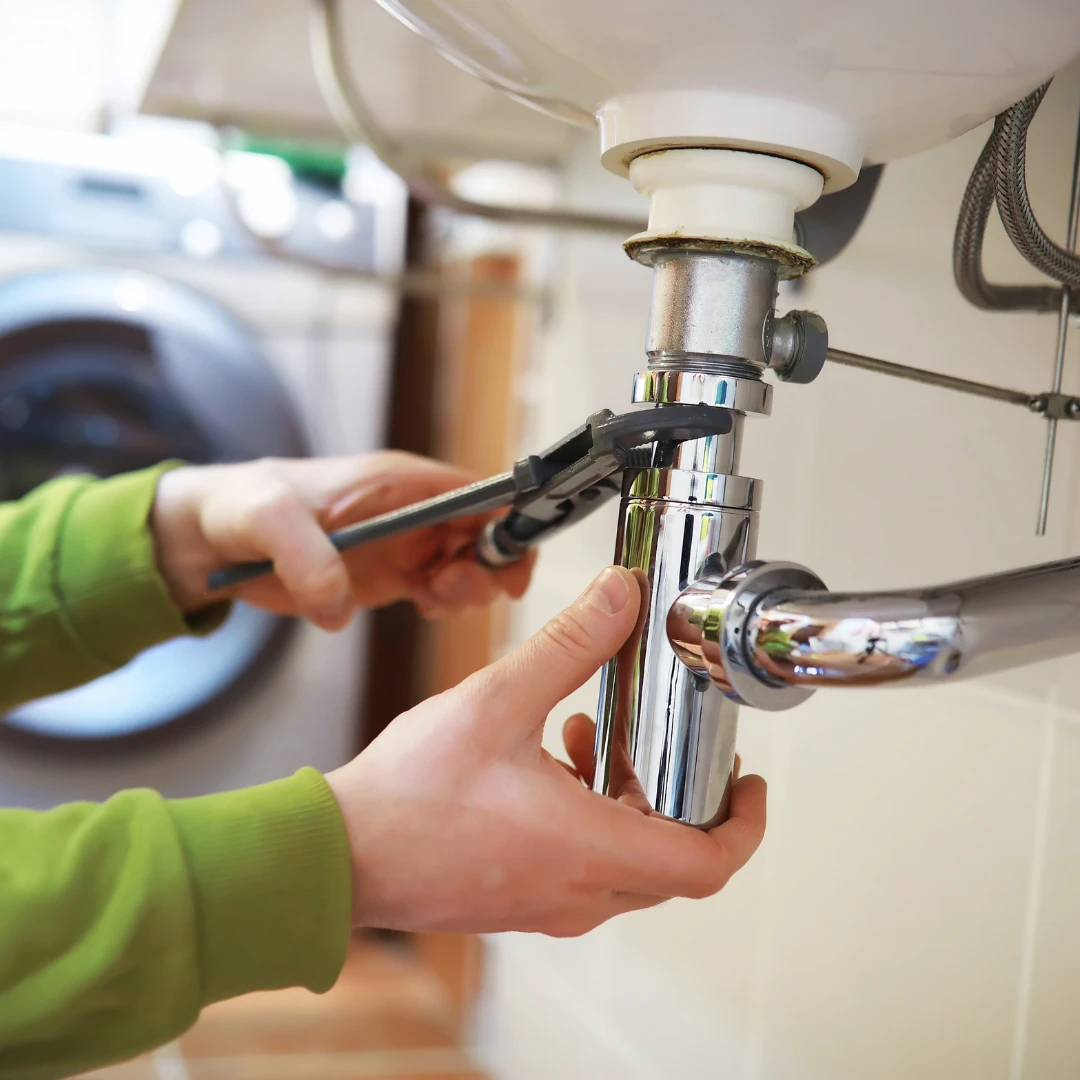
During the visit, we’ll inspect the corroded shutoff valve behind toilet in Danvers and the supply line connection to confirm the extent of the damage. If replacement is needed, we’ll show you the valve and explain the work. We provide a detailed estimate before we begin. The actual replacement typically takes less than an hour for a straightforward swap. Keep in mind that older plumbing or unexpected pipe corrosion can add time. We stand behind our work with a workmanship warranty and accept multiple payment options, including financing for larger projects.
Our licensed and insured plumbers serve homeowners throughout Danvers, MA. We’re ready to help you avoid the stress of a sudden valve failure. Call us today to schedule your inspection and get your toilet shutoff valve back to reliable, leak-free operation.
Frequently Asked Questions
Can I keep using my toilet if the shutoff valve behind it is corroded?
You can still use the toilet, but you’re taking a risk. A corroded valve may leak or fail suddenly. You won’t be able to shut off water locally if a supply line bursts or the fill valve malfunctions. We recommend having a licensed plumber replace the valve before an emergency forces more extensive water shutoff or causes damage.
How do I know if the corroded shutoff valve behind my toilet in Danvers needs replacement?
The valve needs replacement if you see rust, green or white crust, active dripping, or if the handle won’t turn smoothly. Any of these symptoms mean the valve is failing. It may not close when needed. Our licensed plumbers inspect the valve and supply line to confirm damage and recommend the safest solution.
What happens during a shutoff valve replacement behind the toilet?
We’ll shut off the water supply, drain the line, and remove the old valve and supply line. Then we install a new valve and reconnect everything. We test for leaks and verify proper operation before finishing. The process typically takes under an hour for straightforward replacements.
Will a corroded shutoff valve behind my toilet cause a flood in my Danvers home?
A corroded shutoff valve behind toilet in Danvers can fail and flood your bathroom if the body cracks or the stem seizes completely. When that happens, water flows unchecked until the main supply is shut off. It causes damage to floors, subfloors, and ceilings below. Contact us for an inspection if you notice corrosion, stiffness, or any leaking around the valve.