If your air conditioner is blowing warm air, cycling on and off constantly, or struggling to cool your home, there’s a good chance something is wrong with the cycle of refrigerant that powers your system. Refrigerant is the lifeblood of your AC — it absorbs heat from inside your home and releases it outdoors, creating that cool, comfortable air you rely on during hot months. When refrigerant runs low, leaks, or can’t circulate properly, the entire cooling process breaks down. Many homeowners assume their system just needs a simple recharge. Yet the real issue often involves leaks, blockages, or component failures that only a licensed technician can properly diagnose and repair. Understanding how this cycle works — and what goes wrong — helps you recognize warning signs early and protect your investment.
What Is the Cycle of Refrigerant?
When your air conditioning system stops cooling effectively, something has likely gone wrong with the refrigerant cycle. This invisible process makes modern comfort possible. Refrigerant is a specialized chemical compound that absorbs heat from inside your home and releases it outdoors. The result is that cool, comfortable environment you rely on during hot North Shore summers. Understanding how this cycle works helps you recognize when something’s off. You’ll also know when it’s time to call us at Whale Worth It for a professional diagnosis.
The refrigeration cycle has four main stages: compression, condensation, expansion, and evaporation. During compression, low-pressure vapor becomes high-pressure vapor. During condensation, that vapor releases heat and turns into liquid. Then the expansion stage drops the refrigerant’s pressure before evaporation allows it to absorb heat from your indoor air. This continuous loop happens every time your system runs. When any stage fails — whether from a refrigerant leak, failing compressor, or clogged expansion valve — your system can’t remove heat efficiently.
You might notice warm air from vents, ice buildup on refrigerant lines, or skyrocketing energy bills. These are warning signs that we need to inspect your system. We’ll test pressures and restore proper operation before minor issues become expensive replacements.
How the Refrigerant Cycle Works in Your AC
Understanding how refrigerant moves through your air conditioning system helps you recognize when something’s gone wrong. The cycle starts at the compressor, where refrigerant is pressurized into a hot, high-pressure gas. It’s then pushed toward the condenser coils outside your home. There, the refrigerant releases its heat to the outdoor air and transforms into a high-pressure liquid. This cooled liquid travels through an expansion valve, which rapidly reduces its pressure and temperature. Next, it enters the evaporator coil inside your home.
At the evaporator, the refrigerant absorbs heat from your indoor air. Your living space cools while the refrigerant transforms back into a low-pressure gas. This gas returns to the compressor, and the cycle repeats continuously. If we find low refrigerant levels during an inspection, it usually signals a leak somewhere in the system. That leak reduces cooling effectiveness and can potentially damage the compressor.
When you notice weak airflow, warm air from your vents, or ice forming on the refrigerant lines, it’s time to call us at Whale Worth It. Our licensed technicians will diagnose the issue and pinpoint any leaks. We’ll restore proper refrigerant levels safely using specialized equipment and techniques.
Signs Your Refrigerant Cycle Isn’t Working Right
When the refrigerant cycle in your cooling system gets disrupted, your home tells you something’s wrong — sometimes loudly. The most obvious sign is warm air blowing from vents when you expect cold. Another clue is a system that runs constantly but never reaches the temperature you’ve set. You might notice ice buildup on the outdoor unit or frost on refrigerant lines. These signal the cycle isn’t completing properly and pressure levels are off.
Listen for hissing or bubbling sounds near your air conditioning equipment. These often indicate refrigerant leaks that prevent the cycle from maintaining the right pressure. Higher-than-normal energy bills without explanation can mean your system is working overtime to compensate for lost refrigerant. We also see homeowners notice uneven cooling, where some rooms feel comfortable while others stay stuffy and warm.
If you’re experiencing any of these symptoms here on the North Shore, don’t wait for a complete system failure during the hottest weeks of summer. Our licensed technicians at Whale Worth It can diagnose refrigerant issues and test system pressures. We’ll locate leaks and restore proper cycle function safely. Give us a call before a minor refrigerant problem turns into an expensive emergency repair.
Why Refrigerant Issues Require a Licensed Technician
Refrigerant isn’t just another fluid you can pick up at a hardware store. It’s regulated by the Environmental Protection Agency under the Clean Air Act. EPA rules require technicians who service equipment that could release refrigerant to hold Section 608 certification, and refrigerant sales are restricted to properly certified technicians. That means homeowners should not attempt to purchase or add refrigerant themselves. For good reason, too: improper handling can damage your system, release harmful chemicals, and create serious safety risks.
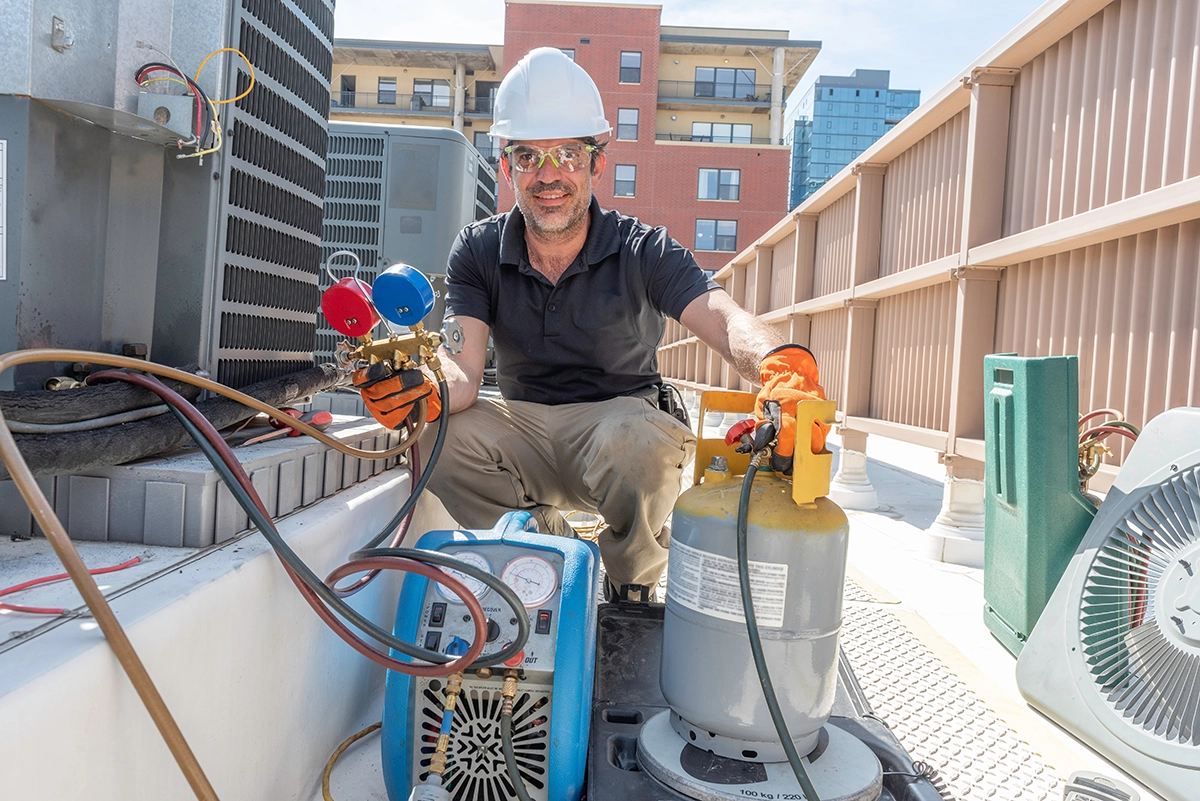
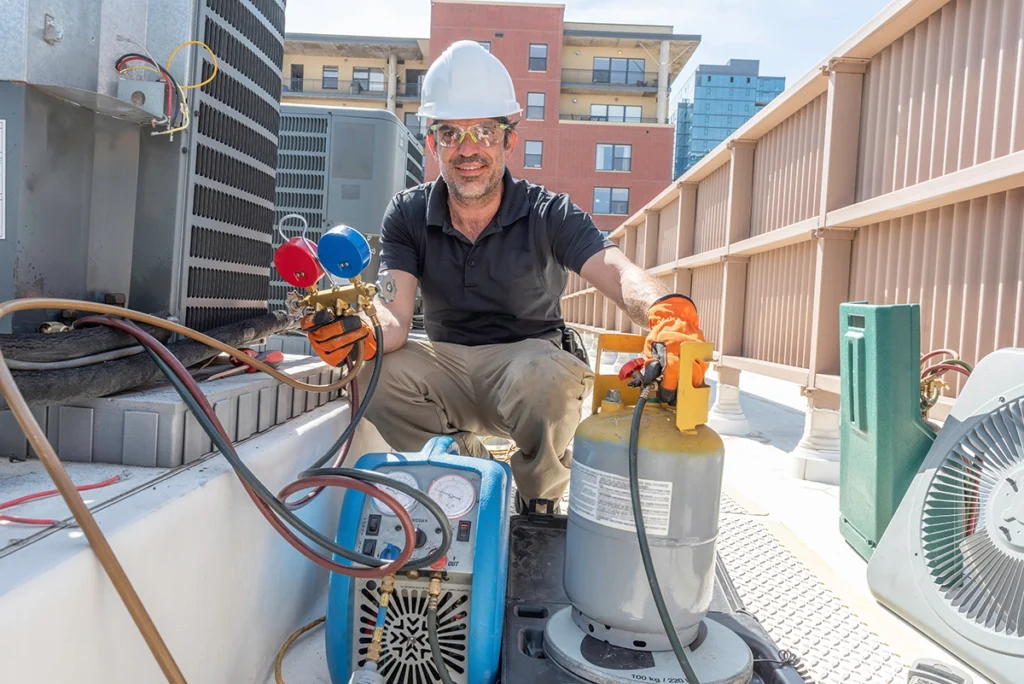
Diagnosing problems in the refrigerant cycle demands specialized training and equipment. Our licensed technicians are trained to safely identify whether you’re dealing with a leak, a compressor failure, or a restriction in the system. We recover existing refrigerant without venting it to the atmosphere and repair the root cause. Then we evacuate moisture from the lines and recharge the system to precise specifications. All of these procedures require certification and professional-grade tools.
Many cooling systems today also use air-source heat pumps that rely on the same refrigerant cycle principles. These require additional expertise to service properly. Attempting DIY repairs not only violates federal regulations — it can damage expensive components and create safety hazards in your home.
When you notice warm air, ice buildup, or unusual noises from your cooling system, call us at Whale Worth It. We’ll diagnose the issue safely, legally, and correctly the first time.
What to Expect During a Refrigerant Inspection
When you call us at Whale Worth It for a refrigerant system concern, our certified technicians follow a thorough diagnostic protocol. The goal is to pinpoint the exact issue. We start by examining the entire refrigerant cycle from the compressor through the evaporator and condenser coils. Along the way, we check for visible signs of leaks, corrosion, or damaged components. We’ll measure system pressures and temperatures to identify whether refrigerant levels are low. We also check for blockages or a compressor that isn’t functioning properly.
We also inspect electrical connections, capacitors, and safety controls that regulate the cycle. Many homeowners are surprised to learn that what seems like a simple cooling problem often involves multiple components working against each other. Our team documents refrigerant pressure readings at various points in the system. We then compare them to manufacturer specifications and test airflow patterns across the coils. This comprehensive approach helps us distinguish between a minor leak requiring repair and seal, versus a failing compressor that needs replacement. Once we’ve identified the root cause, we’ll walk you through our findings. We’ll recommend the safest, most cost-effective repair to restore your system’s performance.
Get Your AC Running Right Again
When your air conditioning isn’t keeping your North Shore home comfortable, refrigerant issues are often the culprit. Whether the refrigerant cycle has been disrupted by a leak, contamination, or an undercharged system, we’re here to help. We’ll restore your comfort quickly and safely. Our licensed technicians have the tools, training, and experience to diagnose refrigerant problems accurately. The result is your system back to peak performance.
We understand how uncomfortable Massachusetts summers can be without reliable cooling. That’s why Whale Worth It offers prompt, professional AC service throughout the North Shore area. Our team will inspect your entire system, check refrigerant levels and pressure, and identify any leaks or component failures. We’ll make the necessary repairs to restore proper operation. We handle everything from leak detection and repair to full system restoration. Plus, we always follow EPA regulations and manufacturer specifications.
Don’t suffer through another day of inadequate cooling or rising energy bills. Give us a call today and let our experts restore your home’s comfort. We’re ready to diagnose your AC issues and provide honest, reliable solutions. Your system will keep running efficiently all season long.
Frequently Asked Questions
Can I add refrigerant to my AC myself?
No, federal law prohibits homeowners from purchasing or handling refrigerant without EPA Section 608 certification. The cycle of refrigerant requires specialized equipment to diagnose leaks, recover existing refrigerant safely, and recharge to precise specifications. Improper handling poses serious health risks and can damage your system. Our licensed technicians handle all refrigerant work legally and safely.
How do I know if my refrigerant is low?
Common signs include warm air from vents, ice buildup on refrigerant lines or the outdoor unit, and hissing or bubbling sounds near equipment. Your system may run constantly without cooling properly. High energy bills and uneven temperatures throughout your home also signal problems with the refrigerant cycle. Call us for a professional pressure test and leak inspection.
How often does AC refrigerant need to be refilled?
Refrigerant operates in a sealed system and shouldn’t deplete during normal operation. If levels drop, it means there’s a leak that must be repaired first. Simply adding refrigerant without fixing the leak wastes money and fails within weeks. Our technicians locate and repair leaks. Then we recharge your system to manufacturer specifications for long-term performance.
What causes the refrigerant cycle to stop working?
Leaks from corrosion or vibration damage, failing compressors, clogged expansion valves, blocked coils, and electrical failures all disrupt the cycle of refrigerant. Low refrigerant levels from undetected leaks are the most common culprit. Our team will identify the exact cause and restore proper cycle operation efficiently.