If you live in an older North Shore home, the pipes behind your walls may be decades old. Therefore, knowing what they are made from matters. The galvanized pipe vs copper pipe comparison affects water pressure, corrosion, repairs, and future repiping decisions.
Galvanized steel was once a common choice for residential water lines. Copper later became a preferred material because it is lighter and more corrosion-resistant. However, neither material is completely maintenance-free. Additionally, age, water chemistry, installation quality, and local conditions all affect performance.
At Whale Worth It! Plumbing, Heating & Air, we help North Shore homeowners evaluate aging plumbing systems. If you are unsure what pipes you have, a professional inspection can clarify your options.
What Makes Galvanized and Copper Pipes Different?
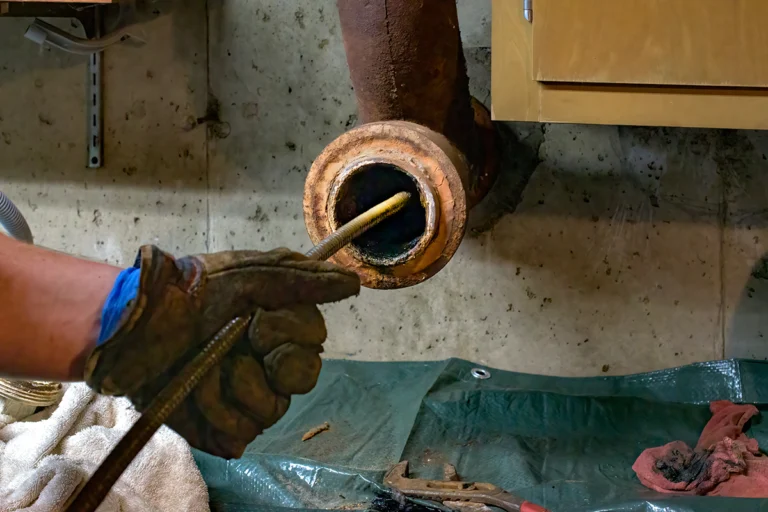
Galvanized pipes are steel pipes coated with zinc. The zinc layer helps protect the steel from corrosion. However, that protective coating wears down over time. Once it deteriorates, rust and mineral buildup can develop inside the pipe.
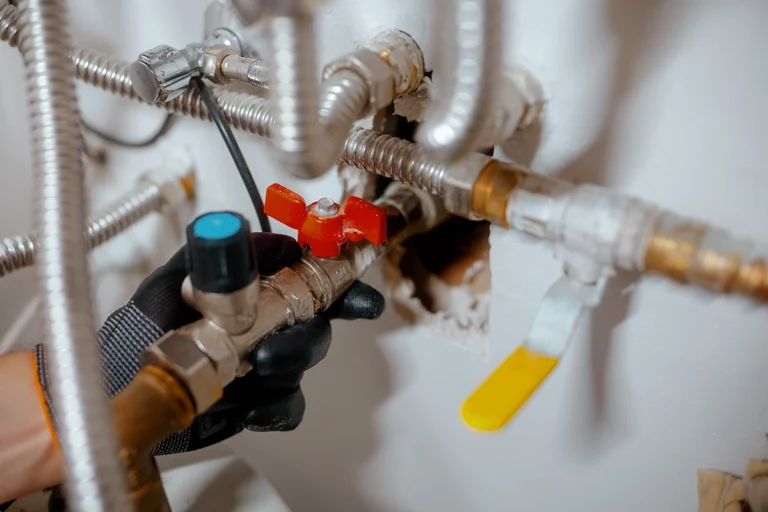
Copper pipes are made from a naturally corrosion-resistant metal. They are lighter, smoother, and easier to route than galvanized steel. Additionally, copper does not rust in the same way steel does.
Still, copper can develop corrosion or pinhole leaks under certain conditions. Water chemistry and installation issues can both contribute. Therefore, the pipe material alone does not determine how long a plumbing system will last.
Galvanized Pipe vs Copper Pipe: Durability and Lifespan
Durability is one of the biggest differences in the galvanized pipe vs copper pipe debate. Galvanized steel is strong, but internal corrosion can gradually restrict the pipe. As a result, an older line may look solid outside while deteriorating inside.
Copper generally resists internal buildup better than galvanized steel. Because its interior stays smoother, water can continue moving efficiently through the system. However, copper can still weaken from aggressive water chemistry or repeated freezing.
North Shore winters add another consideration. Any water-filled pipe can freeze when exposed to low temperatures. Therefore, proper placement and insulation remain important regardless of material.
Many homeowners also compare these metals with newer materials. For example, PEX plumbing is commonly considered for modern repiping projects. Its flexibility can make it useful when routing new supply lines through existing homes.
Galvanized Pipe vs Copper Pipe: Corrosion and Water Quality
Corrosion is especially important when evaluating older galvanized plumbing. Over time, the interior can collect rust, scale, and mineral deposits. Consequently, homeowners may notice discoloration, metallic tastes, or reduced water flow.
Galvanized pipes also deserve attention when lead exposure is a concern. The U.S. Environmental Protection Agency notes that lead particles can attach to galvanized pipe surfaces. Over time, those particles can enter drinking water. EPA guidance on galvanized pipes and lead in drinking water
This does not mean every galvanized pipe contains dangerous lead levels. However, older service lines and plumbing materials deserve proper evaluation.
Copper itself is not a lead pipe. Nevertheless, older copper plumbing can include solder or fittings that contain lead. Massachusetts guidance explains that drinking-water lead can originate from older pipes, service lines, solder, and fixtures. Massachusetts guidance on lead in drinking water
Because every property is different, visual inspection alone cannot confirm water quality. Therefore, water testing is important when lead exposure is a concern.
How Aging Pipes Affect Water Pressure
Low pressure is a common complaint in homes with aging galvanized pipes. As corrosion builds inside the line, the opening becomes narrower. Therefore, less water can reach faucets, showers, and appliances.
For example, you may first notice the problem at fixtures farthest from the main supply. Additionally, pressure may drop when several fixtures run at once. Rust-colored water can also appear when deposits break loose.
Copper usually maintains a smoother interior. As a result, it is less likely to lose flow because of heavy rust buildup. However, leaks, valves, pressure regulators, or municipal supply problems can also reduce pressure.
That is why diagnosis matters. Therefore, replacing pipes without identifying the actual cause can lead to unnecessary work.
Galvanized Pipe vs Copper Pipe: Installation and Cost
When comparing galvanized pipe vs copper pipe for replacement, installation requirements matter as much as material cost. Galvanized steel is heavy and typically uses threaded connections. Therefore, working with it can be labor-intensive.
Copper is lighter and easier to route through many residential spaces. However, installing copper still requires specialized tools and proper joining techniques. Material prices can also make copper a significant investment.
The total project depends on more than pipe price. Access, wall openings, home size, fixture count, and existing plumbing layout all affect the scope. Consequently, two North Shore homes can have very different repiping needs.
In some projects, homeowners choose copper throughout the property. Meanwhile, PEX may provide a practical alternative for other homes. A licensed plumber can explain which material fits your plumbing system and project goals.
Galvanized Pipe vs Copper Pipe: Which Is Better for North Shore Homes?
For most homeowners replacing old galvanized water lines, copper is generally the stronger of these two choices. It resists rust, maintains water flow well, and has a long history in residential plumbing.
However, that does not mean copper is automatically the best material for every project. Budget, accessibility, water chemistry, and existing pipe materials all matter. Additionally, PEX may be worth considering for certain repiping layouts.
The condition of your current system matters most. If galvanized pipes are performing well, immediate whole-home replacement may not always be necessary. However, recurring leaks, poor pressure, or heavy corrosion can change that decision.
A plumbing inspection can identify vulnerable sections before they fail. Therefore, homeowners can plan upgrades rather than waiting for an emergency.
Galvanized Pipe vs Copper Pipe: Signs of Trouble
Old plumbing often provides warning signs before a major failure. Therefore, paying attention to those signs can help reduce potential water damage.
Common concerns include:
- Rust-colored or brown water
- Repeated leaks
- Noticeably lower water pressure
- Uneven flow between fixtures
- Visible corrosion on exposed pipes
- Damp walls, ceilings, or floors
- Unexpected increases in water use
- Frequent repairs to older supply lines
Additionally, a sudden utility increase may point to a hidden plumbing leak. This article on why your water bill may be unexpectedly high covers several possible causes.
However, not every symptom means the whole system needs replacement. A plumber can determine whether the problem is isolated or widespread.
Choosing the Right Repiping Material
The right replacement material should match your home, budget, and long-term plans. Therefore, we start by examining the existing system rather than making assumptions.
First, we identify the pipe materials and look for visible deterioration. Next, we evaluate pressure, leaks, access, and the plumbing layout. Then, we can discuss practical replacement options.
Copper may be appropriate when durability and proven performance are priorities. Meanwhile, PEX can provide flexibility in difficult routing areas. In some homes, a combination of materials may make sense.
Most importantly, repiping should address the cause of existing problems. Proper installation, correct sizing, and compatible materials all support reliable performance.
Contact Whale Worth It! for Pipe Replacement
If your North Shore home has aging galvanized plumbing, you do not have to guess about its condition. Whale Worth It! Plumbing, Heating & Air can inspect your system and explain what we find.
We will help you compare galvanized pipe vs copper pipe based on your actual plumbing, not a one-size-fits-all recommendation. Then, we can discuss repair or repiping options that fit your home.
Contact Whale Worth It! today to schedule plumbing service in North Shore, MA. We are ready to help protect your water lines and plan the right next step.
Frequently Asked Questions
Is copper pipe better than galvanized pipe?
Copper is usually preferred because it resists rust and maintains water flow better. However, the best choice depends on your home and plumbing system.
How can I tell if I have galvanized pipes?
Galvanized pipes are usually gray metal with threaded fittings. Older pipes may also show rust or corrosion. A plumber can confirm the material.
Should galvanized pipes always be replaced?
Not always. Replacement depends on corrosion, leaks, pressure problems, and pipe condition. Severe deterioration may make repiping the better option.
Can galvanized pipes affect water pressure?
Yes. Rust and mineral buildup can narrow galvanized pipes over time. As a result, water flow and pressure may gradually decrease.