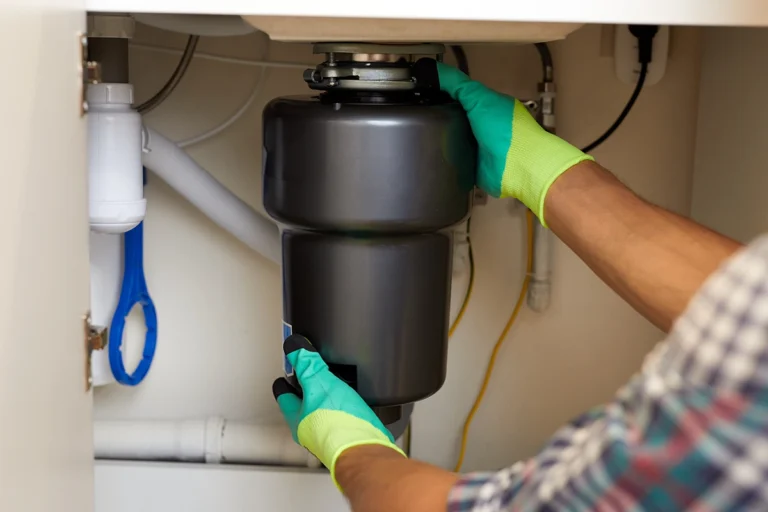
Finding water underneath your kitchen sink is never a welcome surprise. If your garbage disposal leaking from bottom is the apparent source, the problem may be inside the unit itself. However, water can also travel down the disposal from another connection. Therefore, identifying where the leak actually begins is important.
Some disposal leaks involve connections that can be repaired. Others indicate internal damage that often makes replacement the better option. At Whale Worth It! Plumbing, Heating & Air, we help North Shore homeowners diagnose kitchen plumbing leaks and determine the right solution.
Garbage Disposal Leaking From Bottom: What It Usually Means
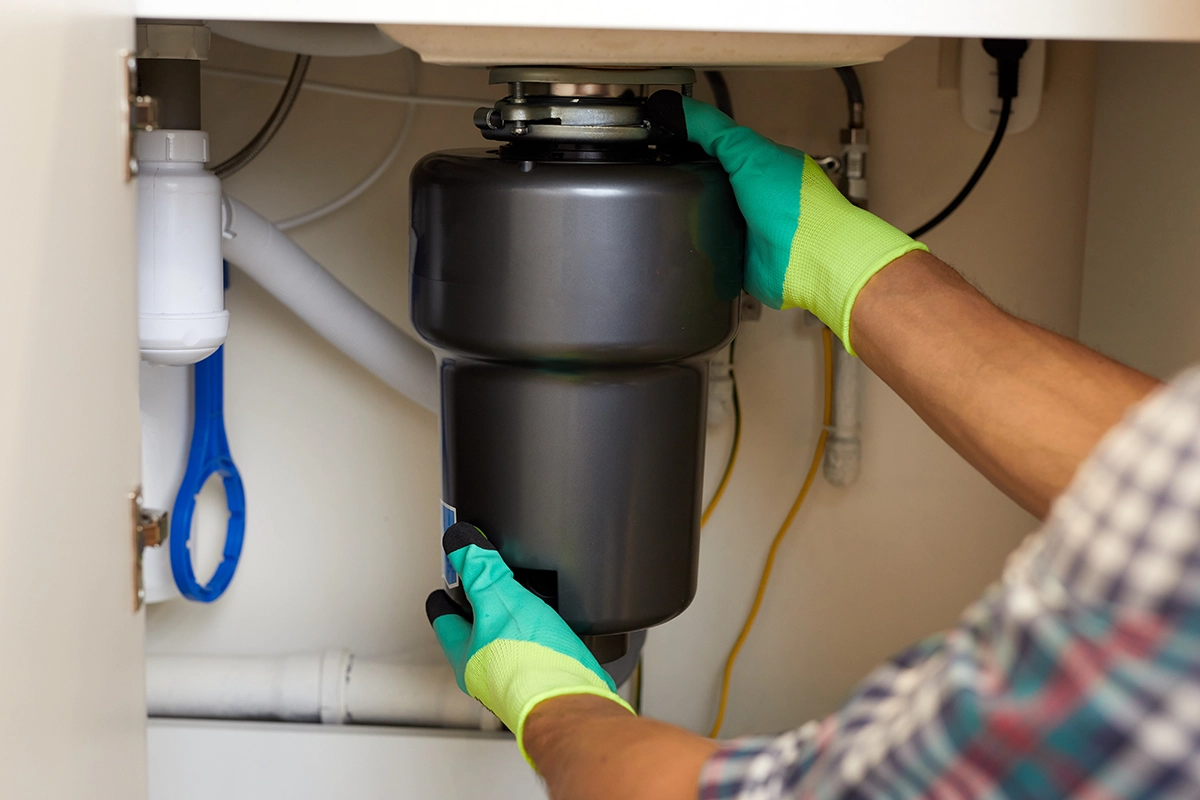
A garbage disposal contains several seals and internal components that keep water away from its motor and electrical parts. Over time, those components can deteriorate.
When water actually comes through the bottom housing, internal damage is often responsible. Unfortunately, many internal disposal components are not designed for practical field repair.
However, do not assume the bottom is automatically the source. Water from the sink flange, dishwasher hose, or drain connection can run downward. Consequently, it may drip from the bottom even though the failure started higher up.
Before inspecting the unit, turn off its electrical power. Never place your hand inside a garbage disposal, even when it appears switched off.
Massachusetts plumbing repairs and replacements must comply with the state’s Uniform State Plumbing Code. Therefore, professional installation is important when plumbing connections need to be altered or replaced.
1. Garbage Disposal Leaking From Bottom From Failed Seals
Internal seals are among the most common reasons water escapes through the disposal housing.
These seals keep water inside the grinding chamber while protecting the motor below. However, constant exposure to water, food particles, vibration, and temperature changes gradually wears them down.
Eventually, a seal may crack or lose its ability to hold water. Once that happens, water can enter areas of the disposal that should remain dry.
You may notice droplets forming directly underneath the unit while the sink is draining. Additionally, the leak may become worse whenever you run the disposal.
Because these seals are located inside the unit, repairing them is often impractical. In many cases, replacing the disposal provides a more dependable solution.
2. A Cracked Garbage Disposal Housing
The disposal housing itself can eventually crack.
Damage may develop because of age, corrosion, impact, or ongoing vibration. Additionally, a weakened housing may begin leaking only while water passes through the disposal.
Small cracks are sometimes difficult to see. Therefore, homeowners may first notice water collecting on the cabinet floor.
A cracked housing usually means the unit needs replacement. Patching the exterior rarely provides a dependable long-term repair because the disposal vibrates during operation.
Furthermore, moisture around electrical components creates an additional concern. Stop using the disposal until the source of the leak has been identified.
3. Internal Corrosion and Rust
Garbage disposals constantly encounter water, moisture, and food residue. Consequently, internal metal components can deteriorate over time.
Corrosion can eventually create small openings in the grinding chamber or lower housing. Water then escapes whenever you use the sink.
You may also notice rust-colored staining around the bottom of the disposal. In addition, the appliance may sound different as internal parts deteriorate.
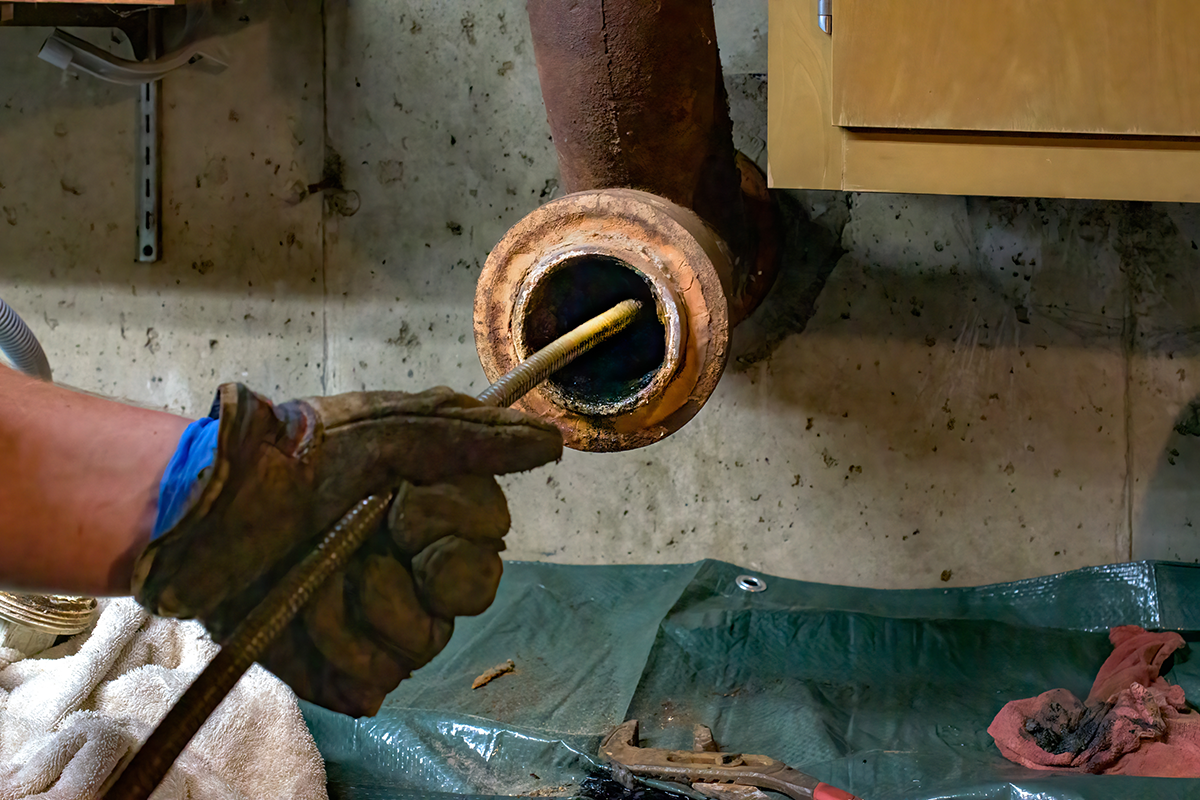
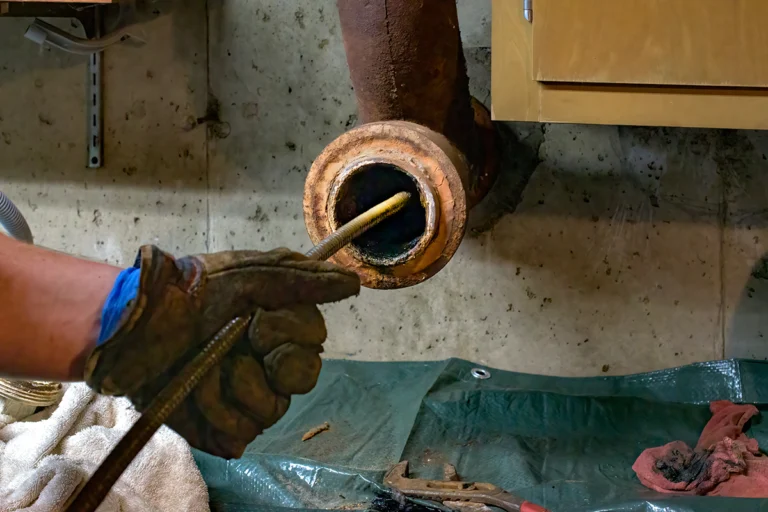
Never pour grease or cooking oil into the disposal. Grease can collect inside the drainage system and contribute to stubborn blockages. A clogged drain deep in the pipe can also create drainage problems beyond the disposal itself.
For homes with septic systems, the U.S. Environmental Protection Agency recommends limiting garbage disposal use. Food waste increases the amount of solids entering the septic tank.
4. Garbage Disposal Leaking From Bottom From a Shaft Seal
Another possible culprit is the seal surrounding the disposal’s motor shaft.
The motor turns the grinding components inside the disposal. Meanwhile, the shaft seal helps keep water from reaching the motor assembly.
As that seal wears down, water may begin leaking into the lower section. Eventually, droplets can emerge from openings at the bottom of the disposal.
This type of leak generally indicates internal failure rather than a simple plumbing connection problem. Therefore, replacing the unit is often more practical than disassembling and rebuilding it.
You may also notice humming, grinding, or inconsistent operation. If so, stop running the disposal until it can be inspected.
5. Loose Sink Flange or Mounting Assembly
Sometimes, a garbage disposal appears to leak from the bottom when the water actually starts at the top.
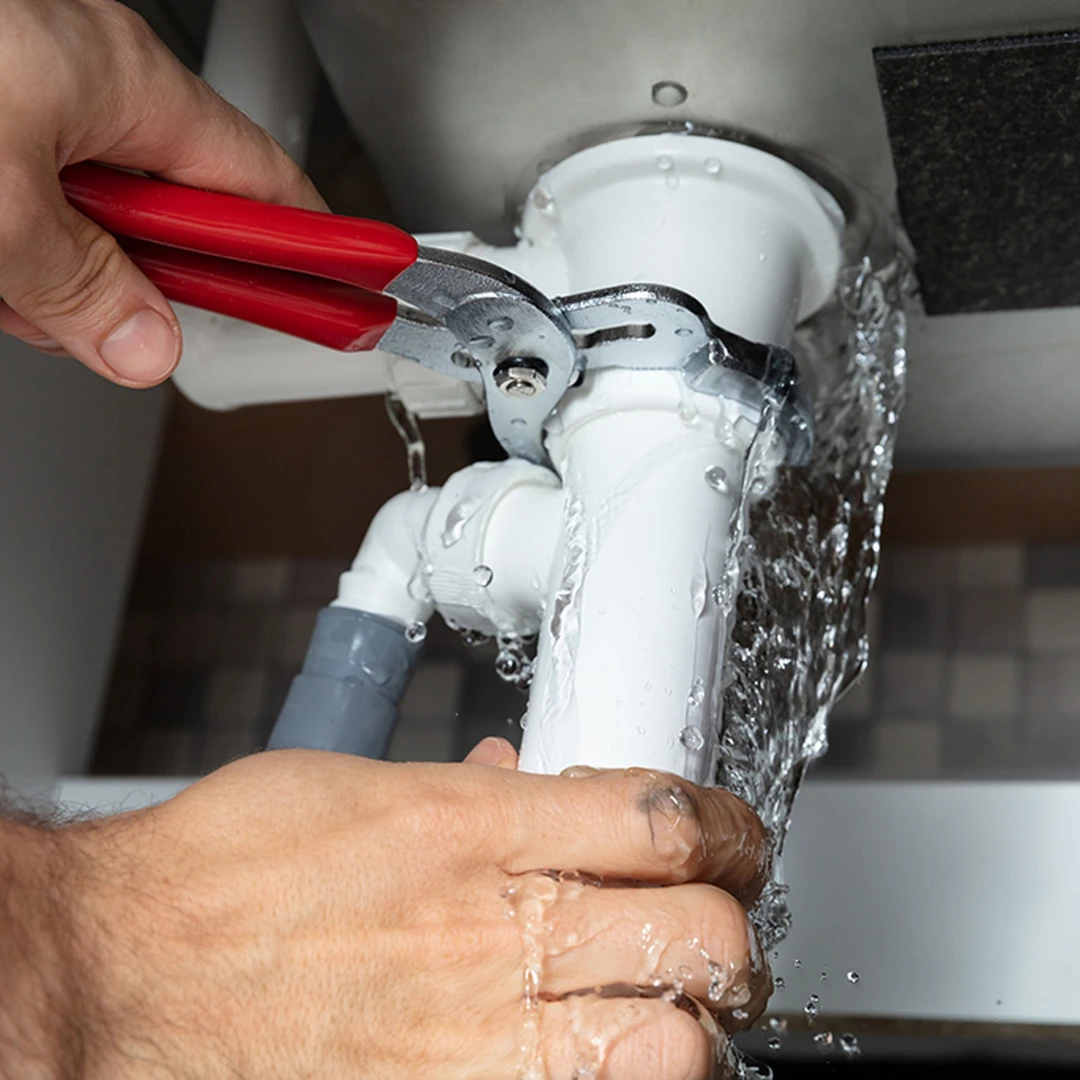
The sink flange connects the disposal to the sink drain opening. If its seal loosens or deteriorates, water can escape around the flange.
Gravity then carries that water down the outside of the disposal. Eventually, it collects at the lowest point and drips onto the cabinet floor.
Therefore, check whether moisture appears around the top mounting assembly before assuming the disposal itself has failed.
A loose or leaking flange may be repairable without replacing the entire unit. However, the assembly needs to be resealed correctly to stop the leak.
Professional plumbing repair in North Shore, MA can also determine whether the disposal or the surrounding plumbing is responsible.
6. Damage After a Jam or Clog
Repeated jams can place significant stress on a garbage disposal.
Hard objects, fibrous foods, or excessive food waste can stop the grinding mechanism. Meanwhile, forcing the disposal to operate against a blockage can strain internal components.
Vibration may also loosen seals or plumbing connections. Consequently, a leak can develop shortly after a severe jam.
If your disposal is not draining properly, repeatedly running the motor will not solve the underlying problem. Instead, shut the unit off and determine whether a clog is restricting drainage.
Water backing up into the sink can also make existing leaks more noticeable. Therefore, a disposal problem and a drain problem may sometimes occur together.
7. Garbage Disposal Leaking From Bottom Because of Age
Like any appliance, a garbage disposal does not last forever.
Years of grinding, vibration, water exposure, and everyday use eventually take a toll. Seals become brittle, metal corrodes, and internal components wear down.
Therefore, an older garbage disposal leaking from bottom may simply be reaching the end of its useful life.
Age becomes especially important when leaks occur alongside other symptoms. For example, the disposal may frequently jam, drain slowly, make unusual noises, or require repeated resets.
At that point, paying for repeated repairs may not make sense. A new unit can often provide a more dependable solution.
How to Confirm Where the Leak Starts
Before deciding the disposal itself has failed, identify where the water first appears.
First, dry the disposal and surrounding plumbing completely. Next, place a dry paper towel underneath each connection.
Then run water into the sink without turning on the disposal. Watch the sink flange, drain pipe, dishwasher hose, and disposal housing carefully.
Afterward, run the disposal briefly while continuing to watch for moisture.
If water first appears near the top, the flange may be leaking. However, moisture around the side may indicate a drain or dishwasher connection.
Water emerging directly from the lower housing points more strongly toward internal failure.
Persistent household leaks can sometimes go unnoticed elsewhere too. If unexplained water use becomes a concern, a sudden increase in your water bill may indicate another hidden plumbing leak.
What to Do When Garbage Disposal Leaking From Bottom
First, stop using the disposal if water is entering its lower housing.
Next, disconnect the appliance from electrical power. Unplug it if the plug is safely accessible. Otherwise, shut off the appropriate circuit breaker.
Then remove items from underneath the sink and dry any standing water. This helps protect the cabinet and makes the leak easier to locate.
Do not continue running the disposal to “test” a confirmed internal leak. Additionally, avoid attempting to open the motor housing yourself.
A plumber can determine whether the leak originates from a connection or inside the appliance. If the housing or internal seal has failed, replacement may be recommended.
When Repair Is Not the Best Option
Not every garbage disposal leak requires a new appliance.
A leaking drain connection, loose dishwasher hose, or failed sink flange may be repairable. However, leaks from the bottom housing usually suggest more serious internal damage.
Replacement often makes more sense when:
- Water is coming directly through the disposal housing.
- The unit has significant corrosion.
- The motor shaft seal has failed.
- Cracks are visible in the housing.
- The disposal frequently jams or stops working.
- Multiple repairs have already been needed.
A professional inspection can separate a simple plumbing leak from a failing appliance. Therefore, you can avoid replacing a disposal unnecessarily.
Professional Garbage Disposal Repair in North Shore, MA
A leaking disposal can damage the cabinet underneath your sink. Additionally, moisture can spread into nearby flooring or cabinetry if the problem continues.
Whale Worth It! Plumbing, Heating & Air serves homeowners throughout North Shore, Massachusetts. We can inspect your disposal, locate the actual leak, and explain whether repair or replacement makes sense.
If you have a garbage disposal leaking from bottom, do not keep running it and hoping the leak stays small. Early attention can help limit water damage and restore your kitchen plumbing sooner.
Ready to have the problem inspected? Contact us at Whale Worth It! Plumbing, Heating & Air to schedule service.
Frequently Asked Questions
Why is my garbage disposal leaking from the bottom?
A garbage disposal leaking from the bottom often has a failed internal seal, damaged housing, corrosion, or worn motor shaft seal. However, water can also travel down from a higher connection.
Can a garbage disposal leaking from bottom be repaired?
Sometimes, but true bottom leaks often involve internal components. If the housing or internal seals have failed, replacing the disposal may be more practical.
Is it safe to use a leaking garbage disposal?
No. Stop using the disposal if water is leaking near its electrical or motor components. Disconnect its power and have the source inspected.
How can I tell if my garbage disposal needs replacement?
Replacement may be appropriate when the unit leaks internally, has severe corrosion, frequently jams, makes unusual noises, or has needed several previous repairs.