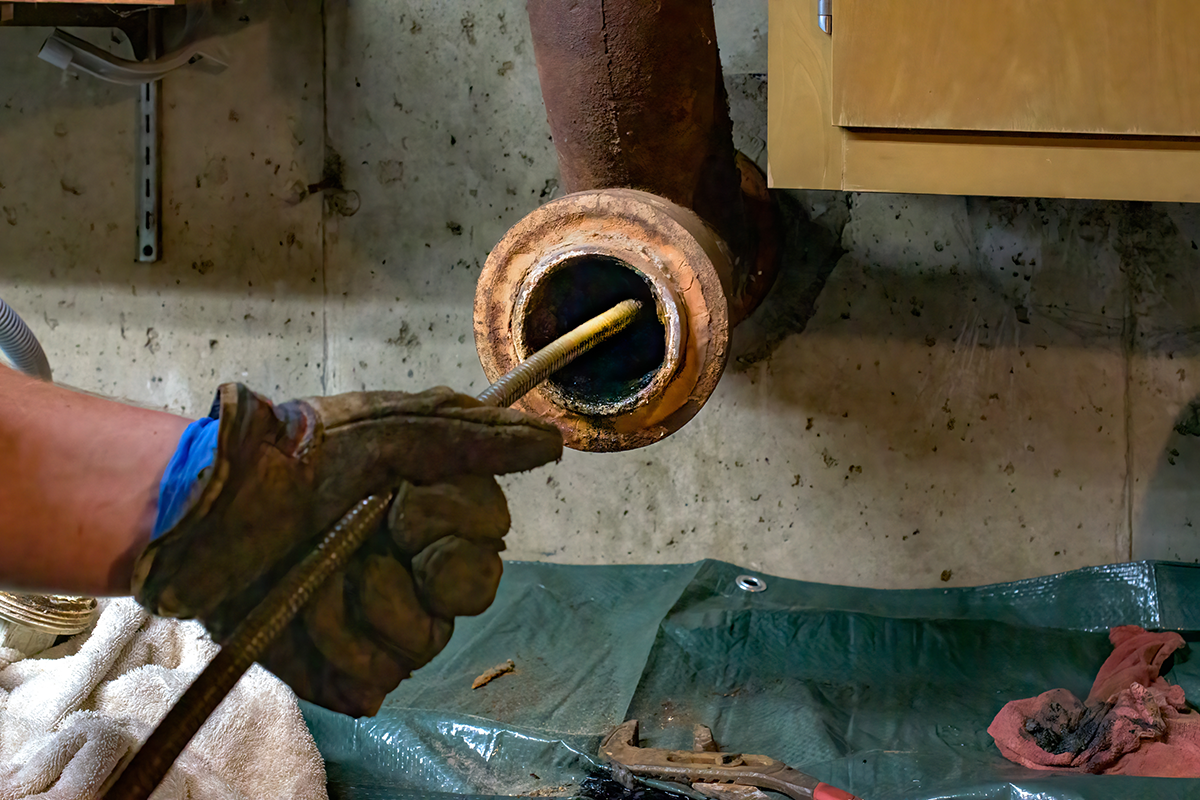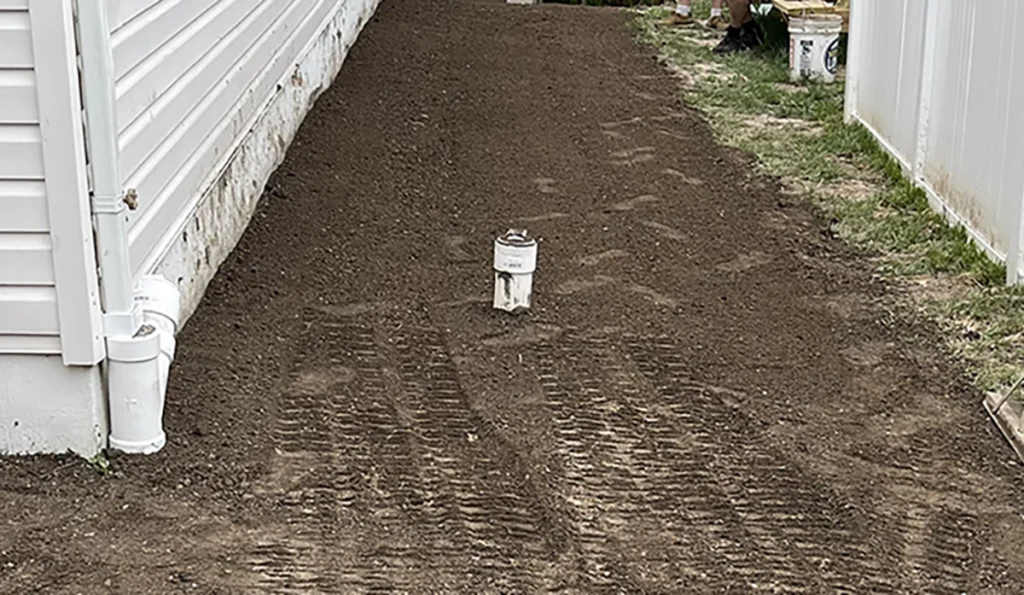
A sewer cleanout is a capped access point installed along your main sewer line. It allows direct entry for inspection, diagnosis, and clearing blockages. Think of it as an emergency door into your home’s wastewater system. Most cleanouts are round or rectangular caps—typically white, black, or sometimes brass. They sit flush with the ground in your yard, basement, or crawlspace. Some homes have multiple cleanouts at different points along the sewer line. Others may have just one near the foundation.
Every home should have a cleanout because it makes professional maintenance dramatically faster and less invasive. Without one, accessing a clogged main line often requires removing toilets or cutting into drain pipes. That adds time, cost, and mess to an already stressful situation. When we arrive for a sewer backup or slow-draining fixture throughout the home, we look for the cleanout first. It gives us direct visual and mechanical access to diagnose root intrusion, grease buildup, collapsed pipes, or foreign objects blocking flow.
If you’re not sure where yours is—or whether you even have one—give us a call at Whale Worth It. We’ll locate it, inspect your system, and help you avoid the hassle of a preventable sewer emergency.
Why Your Sewer Cleanout Matters
Your sewer cleanout is one of those small components homeowners rarely think about—until a plumbing emergency strikes. This access point, typically a round or rectangular cap at ground level or on an exterior wall, serves as a critical gateway. It lets professionals reach your main sewer line quickly. When a blockage or backup occurs, having a properly maintained cleanout can mean the difference between a swift 30-minute visit and a multi-hour excavation project.
Without accessible cleanout access, we face significantly longer diagnosis times and costlier intervention. In fact, we’ve seen situations where a simple clog could have been cleared through the cleanout. Instead, it required digging up landscaping or even breaking through basement floors. That’s why we always encourage North Shore homeowners to know where their cleanout is located. Make sure it’s not buried under soil, overgrown plants, or new hardscaping.
When you call us for slow drains or sewage odors, we’ll check your cleanout first. It allows us to inspect your line with video cameras and identify the exact location and nature of blockages. We can then clear obstructions efficiently—keeping your costs down and getting your system flowing properly again.
Common Signs You Need Cleanout Access
Homeowners across the North Shore often miss the early warning signs that point to a serious drain line problem. When multiple fixtures in your home drain slowly at the same time—especially toilets, showers, and ground-level drains—it’s a strong indicator that the main sewer line is restricted or blocked. You might also notice gurgling sounds coming from drains when you flush a toilet or run water elsewhere in the house. These noises mean air is trapped in the line and struggling to escape around a blockage.
Another unmistakable red flag is sewage odor inside your home or around your yard, particularly near the foundation or lawn. If you see soggy patches of grass, unusually lush green spots, or standing water where your sewer line runs underground, that’s often a sign of trouble. It usually means a leak or backup is pushing wastewater to the surface.
The moment you notice sewage backing up into tubs, showers, or floor drains—especially lower-level fixtures—you need professional access to your sewer cleanout immediately. We use the cleanout to camera-inspect the line, locate the obstruction or damage, and clear it safely before costly property damage occurs. If you’re experiencing any of these symptoms, call us at Whale Worth It right away.
How We Use Your Sewer Cleanout
When you call Whale Worth It for a sewer issue, the cleanout is often our first point of access. We’ll start by locating and opening your cleanout cap to assess what’s happening inside your main drain line. If we find standing water or sewage backing up inside the pipe, that tells us immediately there’s a blockage downstream that needs attention.
Our next step is often a video camera inspection. We feed a waterproof sewer camera through the cleanout opening. This lets us travel the entire length of your line and pinpoint exactly what’s causing the problem—whether it’s tree roots, grease buildup, a collapsed section, or foreign objects. This visual evidence means we’re not guessing. We know the location, depth, and severity of the issue before we ever start work.
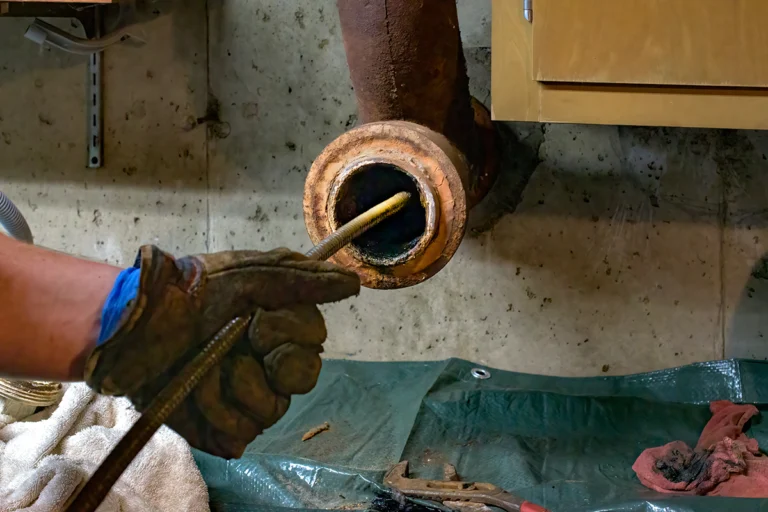
Once we’ve diagnosed the problem, we use professional-grade equipment to clear it. We insert motorized augers, hydro-jetters, or root cutters through the same cleanout opening to clear the blockage safely and completely. Because the cleanout gives us direct interior access, we can often resolve serious backups without digging. That saves you time and expense. Our team will walk you through everything we find and recommend the best solution for your North Shore home.
When to Call for Cleanout Service
Some plumbing situations can wait for a convenient appointment, but others require immediate professional attention. If you notice multiple drains backing up simultaneously, sewage odors indoors, or water pooling near your cleanout cap, these are urgent signs. They indicate a main line obstruction that needs same-day service. Gurgling sounds from toilets when other fixtures drain, slow drainage throughout the house, or sewage backing up into basement drains all point to blockages. These won’t resolve on their own and often worsen rapidly.
Even if symptoms seem mild, cleanout access requires professional service for your safety. Cleanout caps are under pressure when lines are blocked. Removing them without proper tools and training can release sewage into your home or yard. Additionally, without camera inspection equipment to identify the blockage location and type, improper clearing attempts can damage aging pipes. They can also push obstructions deeper or create hazardous conditions.
We recommend calling Whale Worth It whenever you suspect main line trouble. Our licensed technicians have camera inspection equipment to pinpoint the exact cause and location. We also have hydraulic tools to clear blockages safely and the expertise to spot early warning signs of pipe deterioration. For North Shore homeowners, professional cleanout service protects both your property and your family’s health—don’t wait until a minor backup becomes a sewage emergency.
Schedule Your Inspection Today
If you’ve noticed slow drains, recurring backups, or sewage odors around your property, your sewer cleanout access point may be overdue for a professional inspection. We’ve helped countless homeowners across the North Shore avoid catastrophic failures. Our approach is simple: catch early warning signs during routine camera inspections. Our licensed technicians use specialized video equipment to examine the inside of your sewer line through the cleanout. We identify root intrusion, collapsed sections, corrosion, and blockages before they turn into emergency situations.
We understand that sewer problems don’t wait for convenient hours. That’s why we offer prompt scheduling and transparent diagnostics. We’ll show you exactly what’s happening inside your line and explain your options in plain language. Whether you need cleanout access cleared, a full camera inspection, or repair work on a damaged line, our team brings the tools, training, and experience to handle it right the first time.
Don’t wait until wastewater backs up into your home. Contact Whale Worth It today to schedule your sewer inspection and protect your property with proactive care.
Frequently Asked Questions
Where is my sewer cleanout located?
Most sewer cleanouts are found outside near your foundation, often a few feet from the house where the main line exits. Some homes have them in basements, crawlspaces, or garages. Look for a round or rectangular cap, usually white, black, or brass. If you can’t locate yours, we can find it during an inspection and mark it for future access.
How much does it cost to clean out a sewer line?
Costs vary based on blockage severity, line length, and whether camera inspection or hydro-jetting is needed. Simple cleanout access and clearing typically costs less than situations requiring pipe repair. We provide upfront pricing after diagnosing your specific issue through the cleanout. That means you’ll know exactly what to expect before we start any work.
Can I open my sewer cleanout myself?
We don’t recommend it. Cleanouts under pressure from blockages can release sewage when opened. This creates hazardous conditions and property damage. Without proper tools and training, you also risk pushing obstructions deeper or damaging aging pipes. Our licensed technicians have the equipment and expertise to open, inspect, and clear your line safely—protecting both your home and your health.
How often should a sewer line be inspected?
We recommend camera inspections every two to three years for older homes, properties with mature trees nearby, or if you’ve experienced previous backups. Even without symptoms, periodic inspections through your cleanout catch root intrusion, corrosion, and buildup early. They stop problems before they become expensive emergencies. Proactive maintenance saves money and prevents unexpected sewage backups throughout your North Shore home.