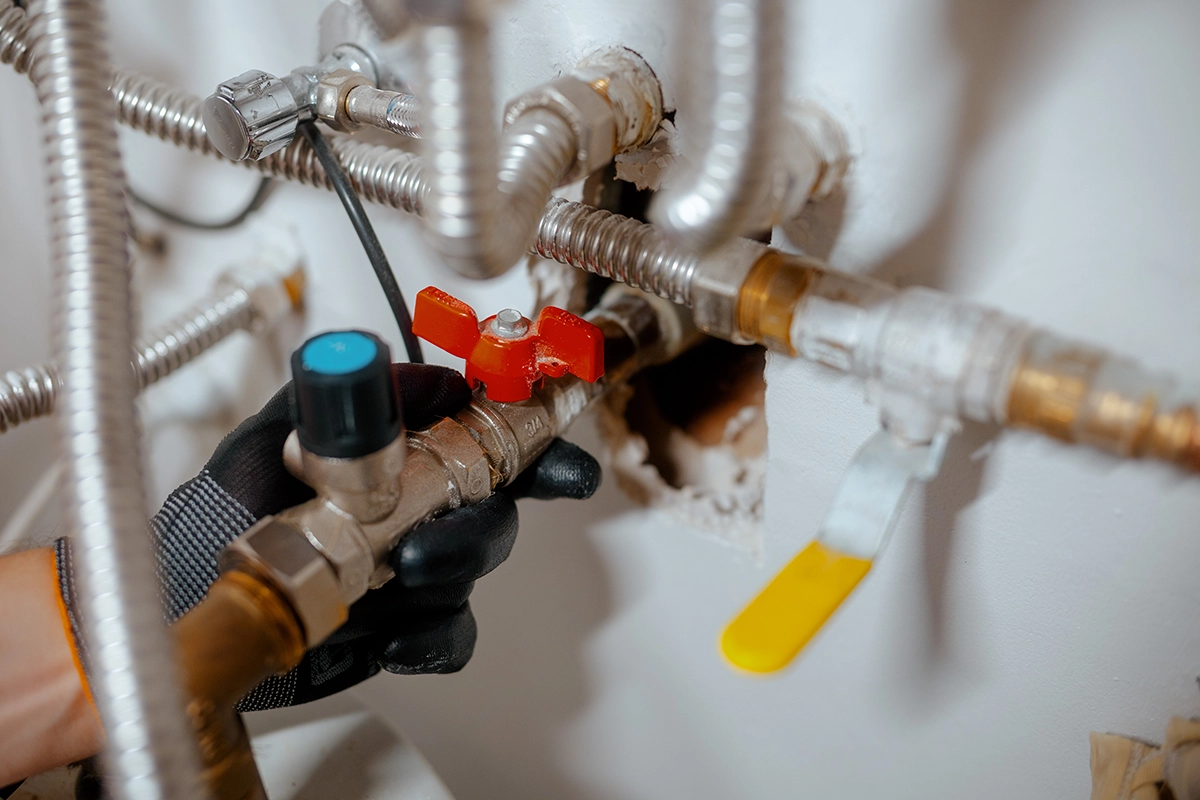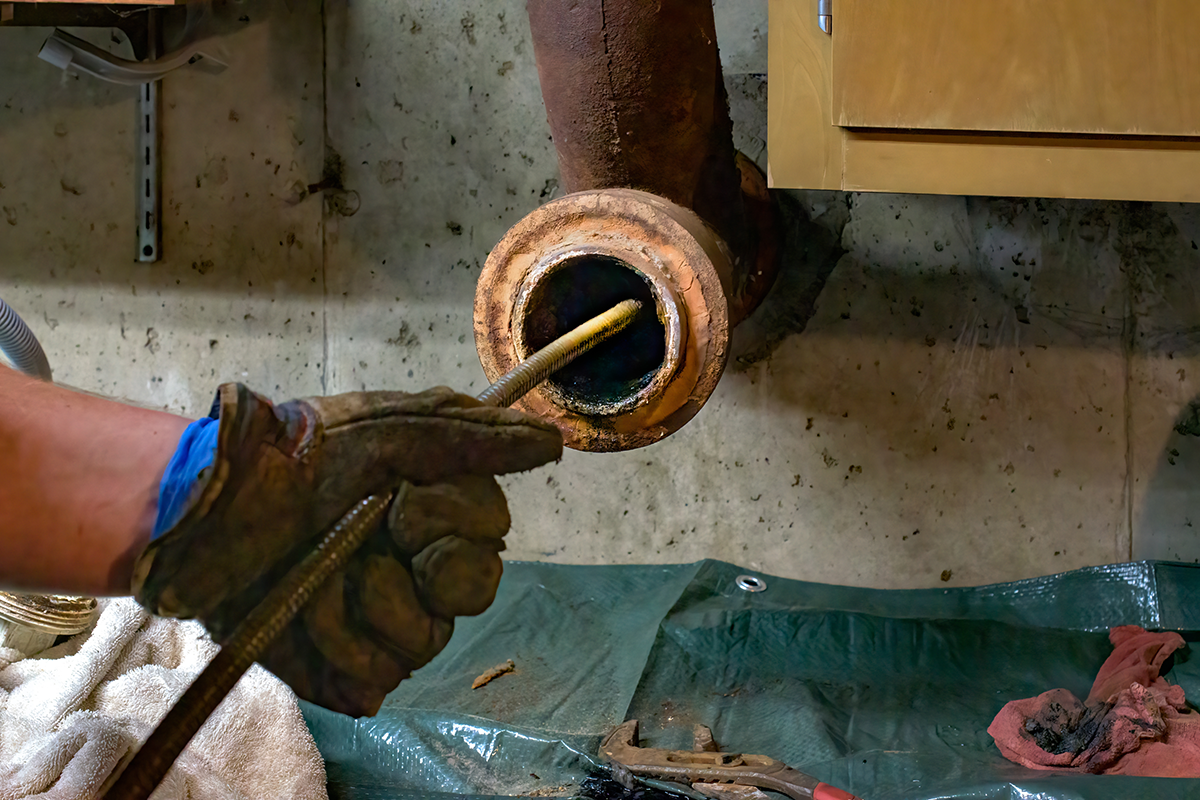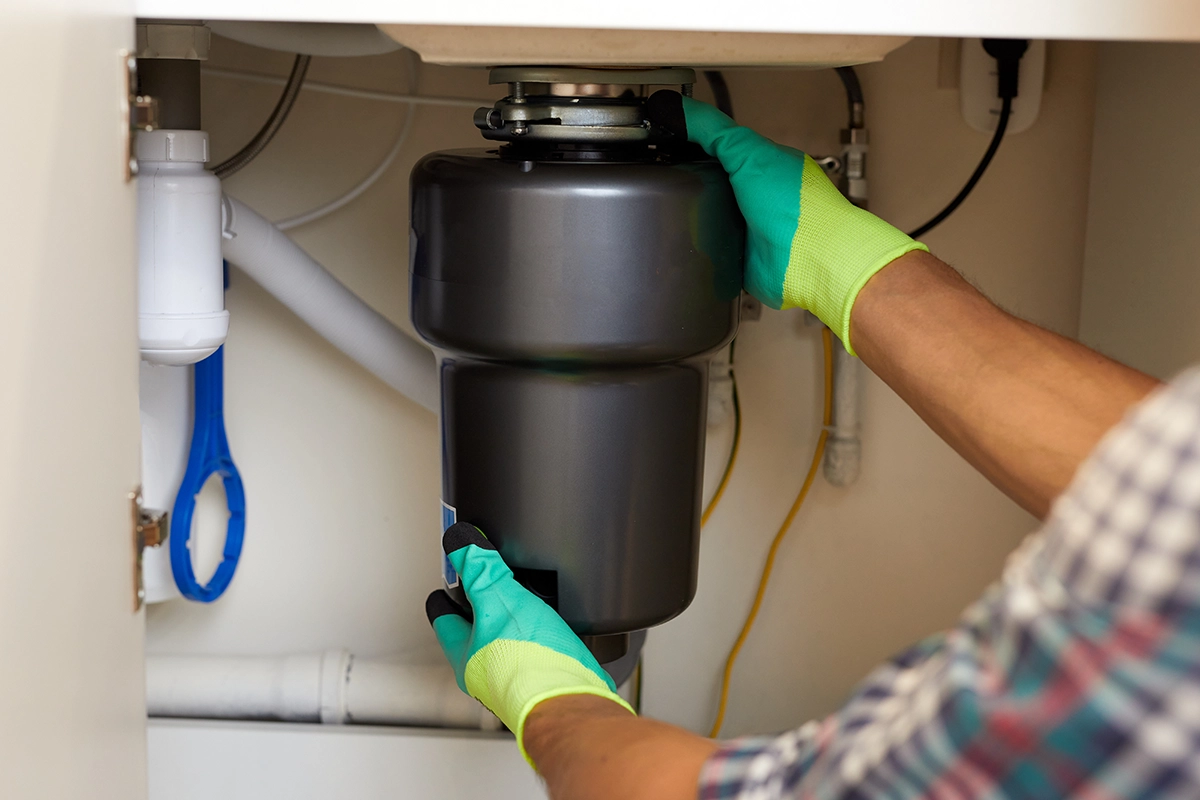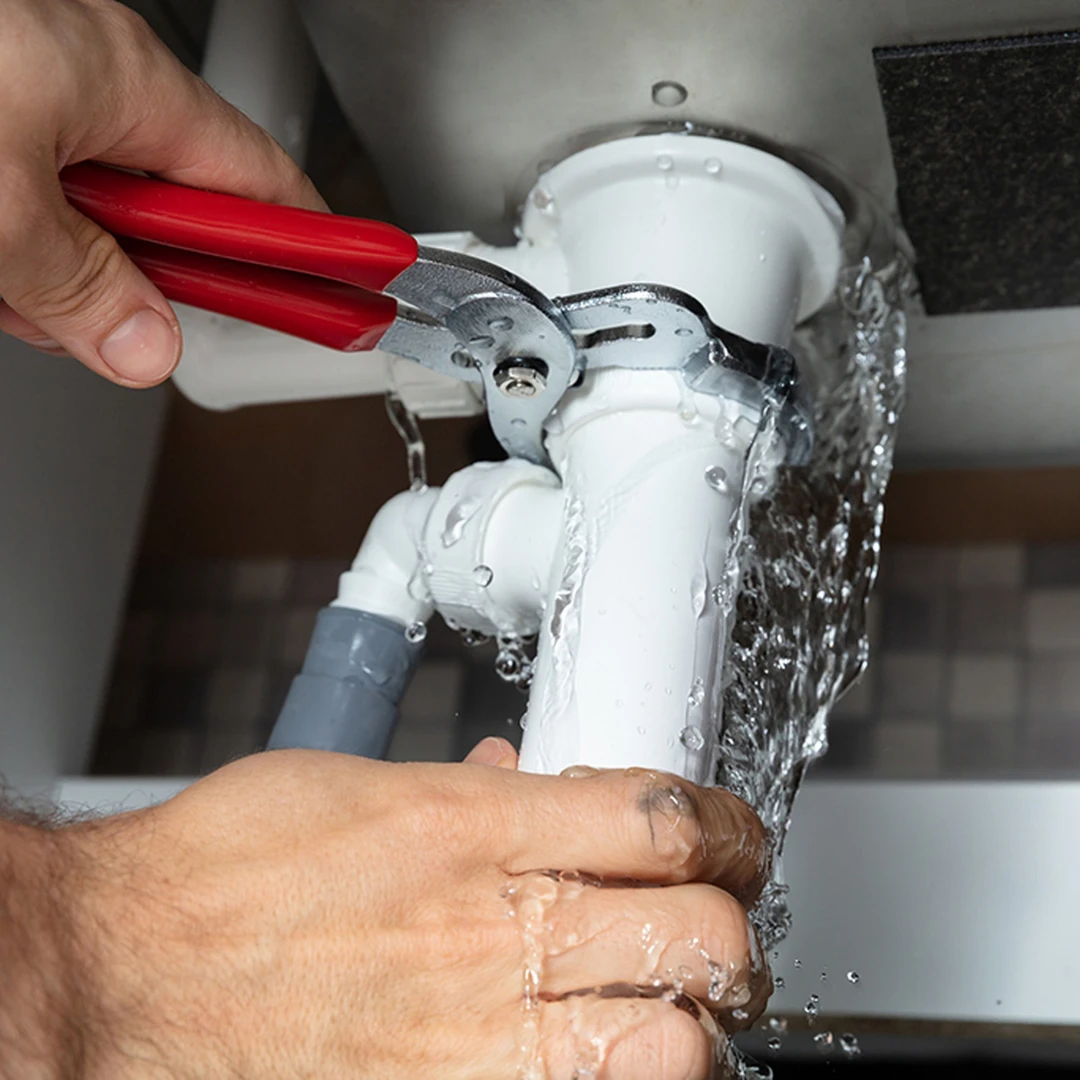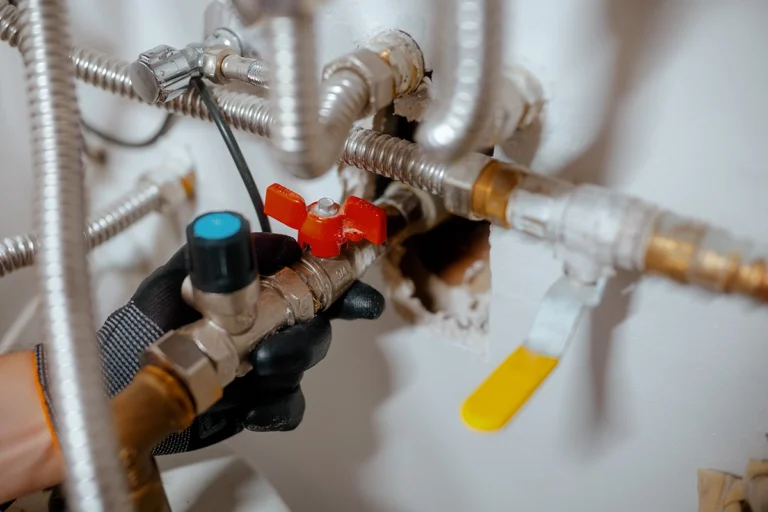
If your water heater pilot light keeps going out in Amesbury, the most common cause is a dirty or faulty thermocouple. The thermocouple is the safety sensor that tells the gas valve it’s safe to stay open. A thermocouple coated in soot or one that’s misaligned, worn, or failing will shut off the gas flow even when the pilot is lit. The flame goes out within seconds or minutes.
That said, a pilot that won’t stay lit can also point to draft problems, a weak gas supply, a clogged pilot tube, or a failing gas valve. Those issues won’t resolve themselves by cleaning or adjusting one part. Because a recurring pilot outage often signals an underlying problem with airflow, venting, or gas delivery, we always recommend having a licensed plumber diagnose the real cause before you replace anything. That way, you fix the problem once instead of watching the new part fail for the same reason. According to the Department of Energy, water heating is responsible for roughly 13 percent of both annual residential energy use and consumer utility costs.
Why Your Water Heater Pilot Light Keeps Going Out
When your pilot light fails repeatedly, it’s rarely a problem with the flame itself. The thermocouple is a small sensor that detects whether the pilot is lit and keeps the gas valve open. It’s the most common culprit. Even so, a failed thermocouple is often caused by something else: dirt buildup that blocks the pilot orifice, a weak gas supply that can’t sustain combustion, or a failing gas control valve that shuts off intermittently. In Amesbury’s damp climate, moisture intrusion around the burner chamber can corrode these sensitive components over time.
Other upstream causes include a drafty installation where air currents blow the flame out. A venting problem that allows backdrafts near the pilot assembly can also be to blame. So can an electrical grounding issue in units with electronic ignition. When we respond to a pilot light that keeps going out, we don’t just relight it or swap the thermocouple. Instead, we trace the entire ignition and venting path to find what’s stressing the system. Replacing only the visible failed part without addressing the root cause means you’ll see the same failure again within weeks. Worse, you may face a complete gas valve failure down the road.
What Causes a Pilot Light to Keep Going Out?
When your pilot light keeps going out, it’s rarely a standalone problem. The flame itself doesn’t just quit. Something is starving it of fuel, blocking the gas flow, or blowing it out. A pilot light needs three things to stay lit: a steady gas supply, clean air to mix with that gas, and protection from drafts or back-pressure. When any one of those is compromised, you’ll see the flame flicker and die. This often happens within minutes of relighting it. Understanding the root causes helps you avoid throwing parts at the problem without fixing what’s actually wrong.
The Most Common Upstream Causes
A failing thermocouple is one of the most frequent culprits. This sensor tells the gas valve the pilot is lit. When it wears out or becomes coated in soot, it sends a false signal that the flame is out. Then the gas valve shuts down. A weak or inconsistent gas supply can also cause the flame to sputter and die. This might stem from a partially closed valve, sediment in the line, or low pressure from your utility. On the air side, a clogged pilot orifice or dirty pilot assembly chokes the flame before it can establish itself. Dust, rust, or spider webs in that tiny opening are enough to kill ignition. Finally, draft problems from a blocked flue can physically blow the pilot out. Downdrafts in windy weather or negative pressure inside your home have the same effect. This often happens when your furnace or dryer kicks on.
When we respond to a water heater pilot light keeps going out in Amesbury situation, we check each of these systems in order. We test the thermocouple’s millivolt output and inspect the pilot assembly for blockages. Then we verify gas pressure at the valve. We also examine the flue for obstructions or back-drafting. Replacing one part without addressing the underlying cause leaves you right back where you started. The cause might be airflow, gas delivery, or venting. Either way, you’re often back to square one within days.
What You Can Safely Check Before Calling a Professional
Before you call us, there are a few quick, no-tool observations you can make. These simple checks help narrow down what’s happening. They may give our technician a faster starting point when we arrive. None of these involve opening panels, adjusting valves, or touching any controls on the water heater itself. They’re purely visual and informational.
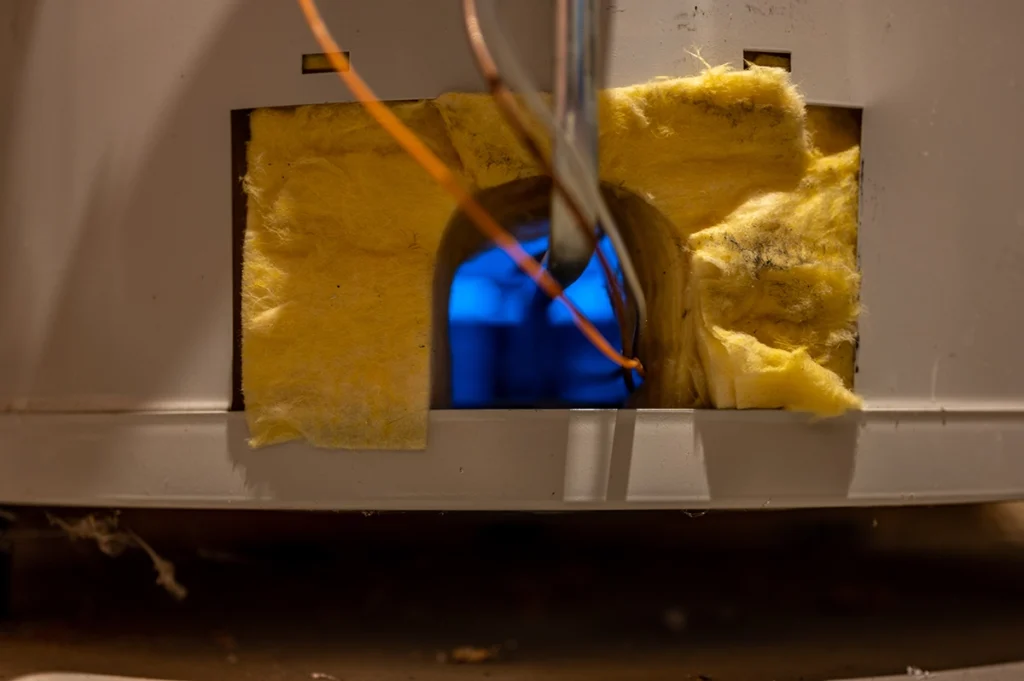
Start by looking around the base of your water heater. If you notice water pooling or dampness, that’s a sign to call us right away. Next, check the area around the pilot assembly at the bottom of the tank. If there’s visible dust, lint, pet hair, or debris blocking the small vents or the access panel opening, that restriction can starve the flame of oxygen. Then it goes out repeatedly.
Don’t try to clean inside the chamber yourself, but note what you see. Also look for any strong drafts near the heater. An open window, a nearby exhaust fan running constantly, or a door that stays open to the outside can all create airflow that blows out the pilot light.
If your water heater pilot light keeps going out in Amesbury, stop attempting to relight it. Repeated relighting without fixing the root cause can create hazards that only worsen over time. When you call Whale Worth It, let us know what you observed. Those details help our licensed plumber diagnose the real issue faster, whether it’s a failing thermocouple, a blocked vent, gas line issue, or another underlying cause that only a professional should address.
When to Call Whale Worth It
If your water heater isn’t working more than once or twice, it’s time to call us. A yellow or flickering flame instead of a steady blue one is another red flag. Repeated failures signal trouble. So does visible rust or corrosion around the thermocouple or gas valve. The smell of gas near the unit or soot buildup on the pilot assembly are also warning signs. These aren’t quirks. They’re clues that something upstream is causing the part to fail.
When you contact Whale Worth It, our licensed plumbers start with a full inspection. We examine the pilot assembly, thermocouple, gas valve, and venting system. Then we check for proper gas pressure, drafts or airflow problems, and any wear or corrosion. Once we’ve identified the root cause, we explain what needs repair. Our team is insured, and we stand behind every repair with a workmanship warranty. Whether your water heater pilot light keeps going out in Amesbury due to a thermocouple issue, venting problem, or gas supply concern, we’ll trace it to the source and fix it right the first time.
The safest next step is to contact Whale Worth It. We’ll point you in the right direction. That might mean a targeted repair or a conversation about replacement. That way, your Amesbury home stays safe and your hot water stays reliable.
Frequently Asked Questions
Why does my water heater pilot light keep going out in Amesbury?
The pilot light usually goes out because a dirty or failing thermocouple shuts off the gas valve prematurely. Other common causes include weak gas supply, a clogged pilot orifice, drafts near the unit, or a blocked flue. We always diagnose the upstream cause before replacing parts. That’s because a new thermocouple will fail again if airflow or venting issues remain.
Can I keep relighting my water heater pilot light myself?
If the pilot keeps going out, stop and call a licensed plumber. Repeated relighting without fixing the root cause can create safety issues that only worsen over time. Our team will identify why the pilot won’t stay lit and repair the underlying cause.
What does it mean if my pilot light flame is yellow or flickering?
A yellow or flickering pilot flame means the gas-air mixture is incorrect. Often that’s because the pilot orifice is clogged with dust or debris. It can also signal low gas pressure or a draft problem that prevents proper ignition and can produce carbon monoxide. Contact Whale Worth It for a professional inspection.
How do plumbers diagnose why a pilot light won’t stay lit?
We start by testing the thermocouple’s millivolt output to see if it generates enough voltage to keep the gas valve open. Then we inspect the pilot assembly for clogs, check gas pressure, examine the flue for blockages, and look for drafts. Once we identify the root cause, we provide a detailed quote before beginning repairs.