Your water heater pressure relief valve is one of the most important safety features in your home. Yet many homeowners don’t realize it exists until something goes wrong. This small but critical component prevents dangerous pressure buildup inside your water heater tank. At Whale Worth It! Plumbing, Heating & Air, we’ve seen firsthand what happens when these valves fail or malfunction. That’s why we want every North Shore homeowner to understand what this valve does and when to call for professional help.
What Is a Water Heater Pressure Relief Valve?
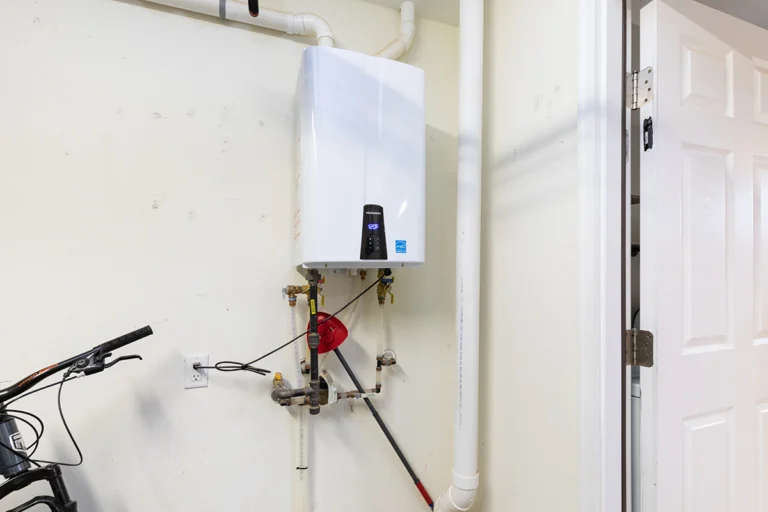
The pressure relief valve, also called a temperature and pressure relief valve or T&P valve, serves as your water heater’s emergency release system. It’s typically located on the top or side of your tank. Plus, it features a discharge pipe that runs down toward the floor. When water inside the tank gets too hot or pressure builds beyond safe levels, this valve automatically opens. As a result, it releases excess pressure and prevents a potential explosion or rupture.
Think of it like a safety valve on a pressure cooker. Without this critical component, the combination of heat and pressure inside your water heater could turn your tank into a dangerous hazard. The International Residential Code requires tank-style water heaters to have a pressure relief valve and a properly installed discharge pipe.
How Does This Safety Valve Actually Work?
The valve contains a spring-loaded mechanism designed to open automatically when internal conditions exceed safe thresholds. Most residential water heaters are equipped with valves rated to release at 150 PSI (pounds per square inch). They also open when water temperature reaches around 210 degrees Fahrenheit.
Under normal circumstances, the valve remains closed and you’ll never notice it’s there. However, once pressure or temperature climbs too high, the valve opens. Then it allows water to escape through the discharge pipe. This release continues until conditions return to safe levels. At that point, the spring mechanism closes the valve again.
The discharge pipe is equally important because it directs released hot water safely toward the floor. In addition, it keeps hot water away from anyone standing nearby. This prevents serious scalding injuries that could occur if superheated water sprayed directly from the valve opening.
Warning Signs Your Pressure Relief Valve Needs Attention
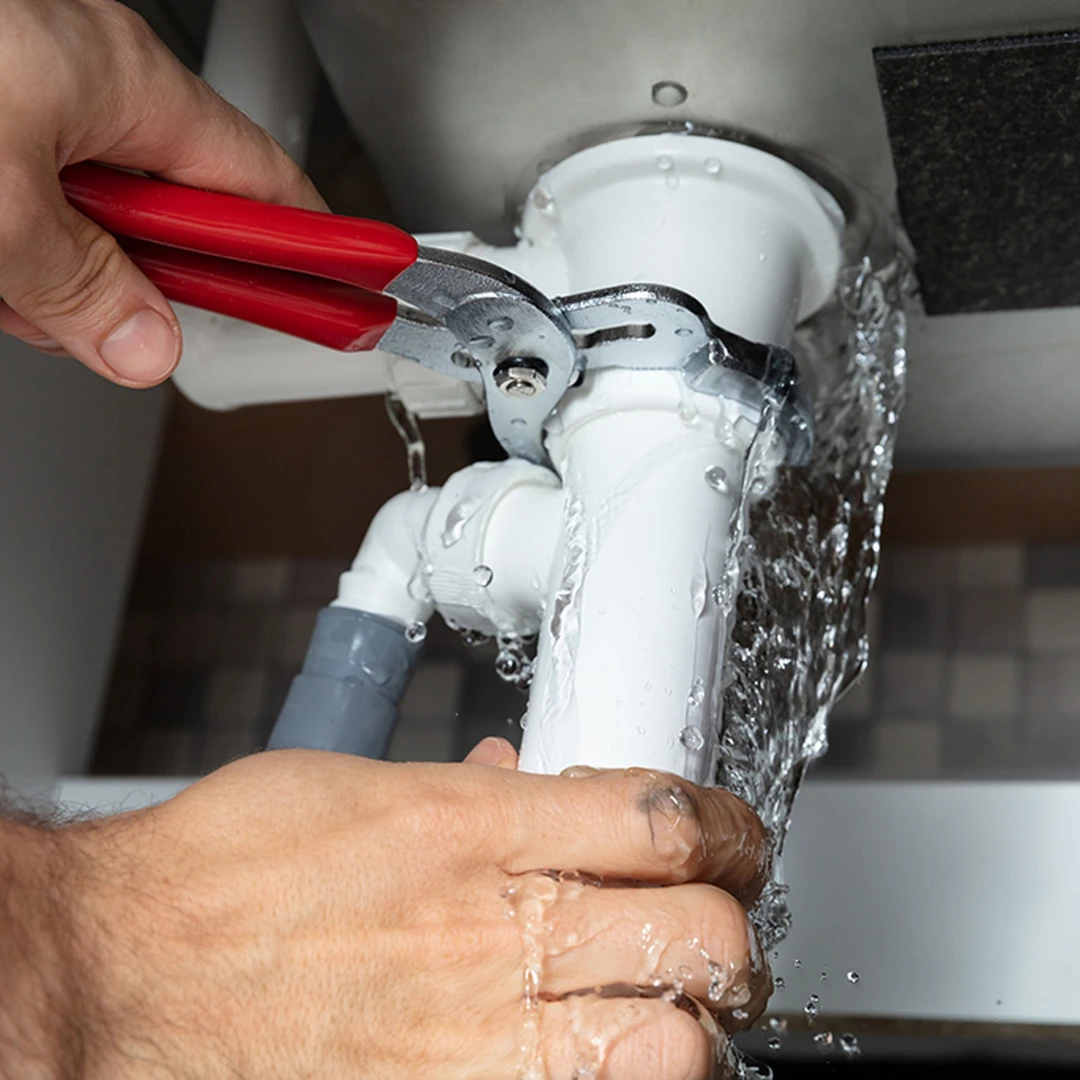
Several symptoms indicate your valve may be failing or experiencing problems. Water dripping or streaming from the discharge pipe is the most obvious sign. While occasional dripping during heating cycles can be normal, continuous leaking usually means something’s wrong.
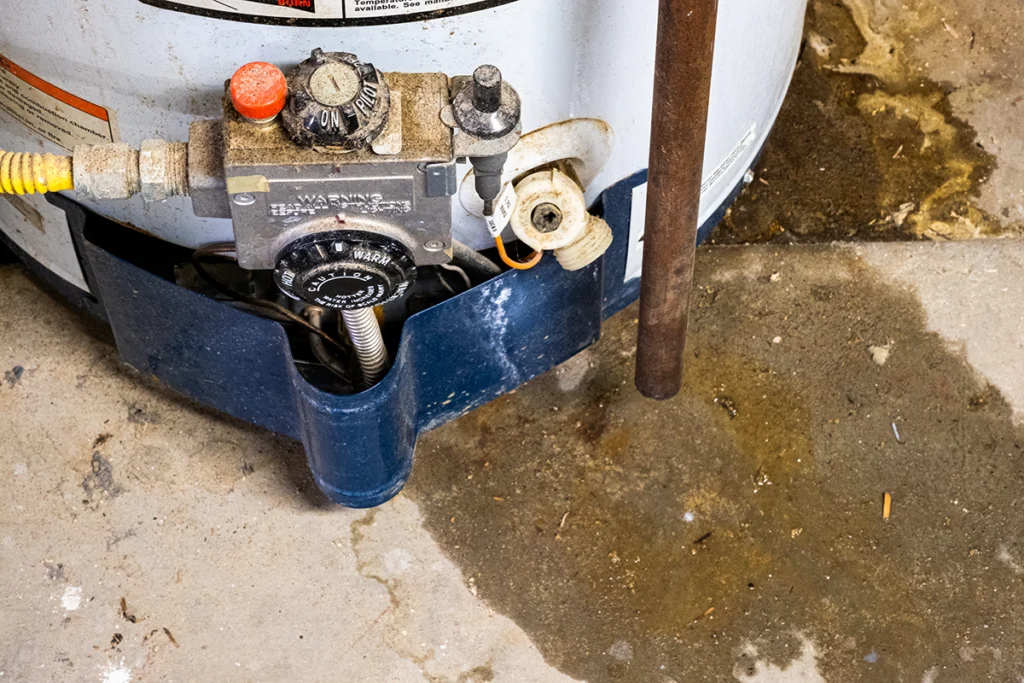
You might notice water pooling around the base of your water heater. Even though this puddle might seem minor, it signals that your valve has problems. For instance, it could be stuck open, failing to seal properly, or responding to excessive pressure inside the tank. None of these scenarios should be ignored.
Corrosion or mineral buildup around the valve itself is another red flag. Over time, sediment from your water supply can prevent the valve from operating correctly. A valve covered in white or rust-colored deposits may not open when needed. This defeats its entire purpose as a safety device.
Strange noises coming from your water heater can indicate dangerous pressure buildup, especially rumbling or boiling sounds. If you hear these sounds along with valve activity, you’re likely dealing with a serious issue. This situation requires immediate professional attention.
Mineral Deposits and Valve Performance
Hard water is common throughout the North Shore. The minerals in our water supply take a toll on plumbing components. Calcium and magnesium accumulate on the valve seat over time. This prevents it from creating a proper seal. Once this happens, even minor pressure changes can cause the valve to weep or drip constantly.
These same deposits can also cause the valve to stick in the closed position. A valve that won’t open when needed is potentially more dangerous than one that leaks occasionally. That’s why regular professional inspection is so important for this critical safety component.
Why Water Heater Pressure Relief Valves Fail
Age is the most common culprit behind valve failure. Most manufacturers recommend replacing these valves every three to five years. However, many homeowners don’t realize this maintenance step is necessary. The internal spring mechanism weakens over time. Also, seals deteriorate from constant exposure to heat and pressure.
Excessive water pressure throughout your home can cause premature valve failure. If your municipal water pressure exceeds 80 PSI, your water heater experiences constant stress. As a result, the pressure relief valve ends up working overtime. This shortens its lifespan significantly.
Thermostat malfunctions can also trigger valve problems. When your water heater’s thermostat fails and allows water to overheat repeatedly, the valve opens frequently to release dangerous pressure. This constant cycling wears out the valve mechanism much faster than normal.
Sediment buildup inside the tank creates hot spots and localized boiling. This generates steam and pressure. As a result, your valve may activate even when overall tank temperature seems normal. This points to a larger maintenance issue that goes beyond just the valve itself.
Installation Issues That Cause Problems
Improper installation causes a surprising number of valve failures. The discharge pipe must be the correct size and material. It also needs no valves or restrictions between the relief valve and the open end. Any obstruction prevents proper drainage. Plus, it can cause the valve to fail when you need it most.
The pipe also needs to terminate in a safe location where hot water discharge won’t cause property damage or injuries. We’ve seen discharge pipes that empty into walls, crawl spaces, or other inappropriate locations. These installations create additional hazards rather than preventing them.
What Professional Valve Service Involves
When you contact Whale Worth It for water heater pressure relief valve concerns, our licensed plumbers start with a thorough inspection. Your certified technician will check the valve for signs of corrosion. They’ll also test its operation, examine the discharge pipe, and assess overall water heater condition. This comprehensive approach helps us identify not just valve problems but underlying issues that may be causing them.
A professional technician will carefully test the valve by lifting its test lever. This ensures it opens and closes properly. If the valve is stuck, corroded, or fails to reseal after testing, your Whale Worth It pro will recommend replacement. We also measure your home’s water pressure and check thermostat settings to address any contributing factors.
When valve replacement is necessary, a certified plumber will shut off water and power to your heater. Then they’ll drain enough water to work safely. Next, they’ll install a new valve that meets current code requirements. Our technicians ensure the discharge pipe is properly configured. They also make sure everything functions correctly before we finish the job.
Since we’re North Shore locals ourselves, we understand the specific water quality challenges in communities like Merrimac, Amesbury, Newburyport, and surrounding areas. We account for these factors when recommending maintenance schedules and replacement parts for your home.
The Danger of Ignoring Valve Problems
A malfunctioning pressure relief valve puts your home and family at serious risk. Without this safety mechanism working properly, dangerous pressure can build until the tank fails catastrophically. Water heater explosions, while rare, cause devastating property damage and severe injuries.
Even if an explosion doesn’t occur, a stuck valve allows temperatures and pressures to climb high enough to damage the tank itself. This can lead to sudden ruptures that flood your home with dozens of gallons of scalding water. The resulting damage often affects multiple rooms. In addition, it requires extensive repairs.
Property damage aside, the safety risks simply aren’t worth ignoring. Superheated water can cause third-degree burns on contact. Also, the steam generated by a failing water heater poses serious scalding hazards. These aren’t hypothetical dangers — they’re real risks that proper valve maintenance prevents.
When to Call Whale Worth It for Help
Contact our team immediately if you notice water leaking from the discharge pipe. Also call if you hear unusual noises from your water heater. Signs of corrosion around the valve also require attention. These symptoms indicate problems that need professional diagnosis and repair right away.
You should also schedule regular water heater maintenance to catch potential issues before they become emergencies. During these service calls, we inspect all safety components including the pressure relief valve. We also check for sediment buildup, test thermostat accuracy, and ensure everything operates safely.
If your water heater is more than eight years old, increased attention to the pressure relief valve becomes especially important. Older units experience more frequent valve problems. The cost of professional inspection is minimal compared to the risks of neglecting this critical safety device.
We’re proud to serve our North Shore neighbors with honest, reliable plumbing services. Our team understands that water heater problems don’t wait for convenient times. That’s why we’re here to help when you need us. Whether you’re dealing with a leaking valve or simply want peace of mind that your water heater is operating safely, contact Whale Worth It! to schedule professional service.
Frequently Asked Questions
Why is water dripping from my water heater pressure relief valve?
Water dripping from the valve typically means either the valve is failing and not sealing properly. It could also mean excessive pressure or temperature inside the tank is causing it to release. Continuous dripping requires professional inspection to determine if you need valve replacement. We also check if underlying issues like high water pressure or thermostat problems are the cause.
How often should a water heater pressure relief valve be replaced?
Most manufacturers and plumbing professionals recommend replacing your pressure relief valve every three to five years. This applies regardless of whether it shows obvious problems. The internal components wear out over time from constant exposure to heat and pressure. Therefore, preventive replacement ensures your safety valve works when you need it most.
Can I test my water heater pressure relief valve myself?
While you may be tempted to test the valve yourself, we strongly recommend having a licensed plumber perform this service. Testing can sometimes cause valves to fail to reseal properly afterward. This creates a leak that requires immediate professional repair. A certified technician has the expertise to perform testing safely. Plus, they can handle any resulting issues properly.
What causes a pressure relief valve to keep opening?
A valve that frequently opens is usually responding to excessive pressure from high municipal water pressure. It could also be caused by a failing expansion tank, thermostat malfunction causing overheating, or sediment buildup creating hot spots in the tank. Our technicians diagnose the root cause. Then they address both the valve and any underlying problems to prevent recurring issues.