When wastewater begins rising through drains, toilets, or basement fixtures, immediate action is essential. A sewer backup can damage flooring, drywall, furniture, and other belongings while exposing your household to harmful contaminants. Swampscott’s coastal location, aging underground pipes, and vulnerability to heavy rain can all increase the risk of sudden plumbing problems. If you need help with an emergency sewer backup in Swampscott, MA, our licensed team can identify the cause, clear the obstruction, and help restore safe plumbing function. Below, we explain what causes sewer backups, which warning signs to watch for, and what to do when wastewater enters your home.
Why Sewage Flooding Requires Immediate Professional Help in Coastal Homes
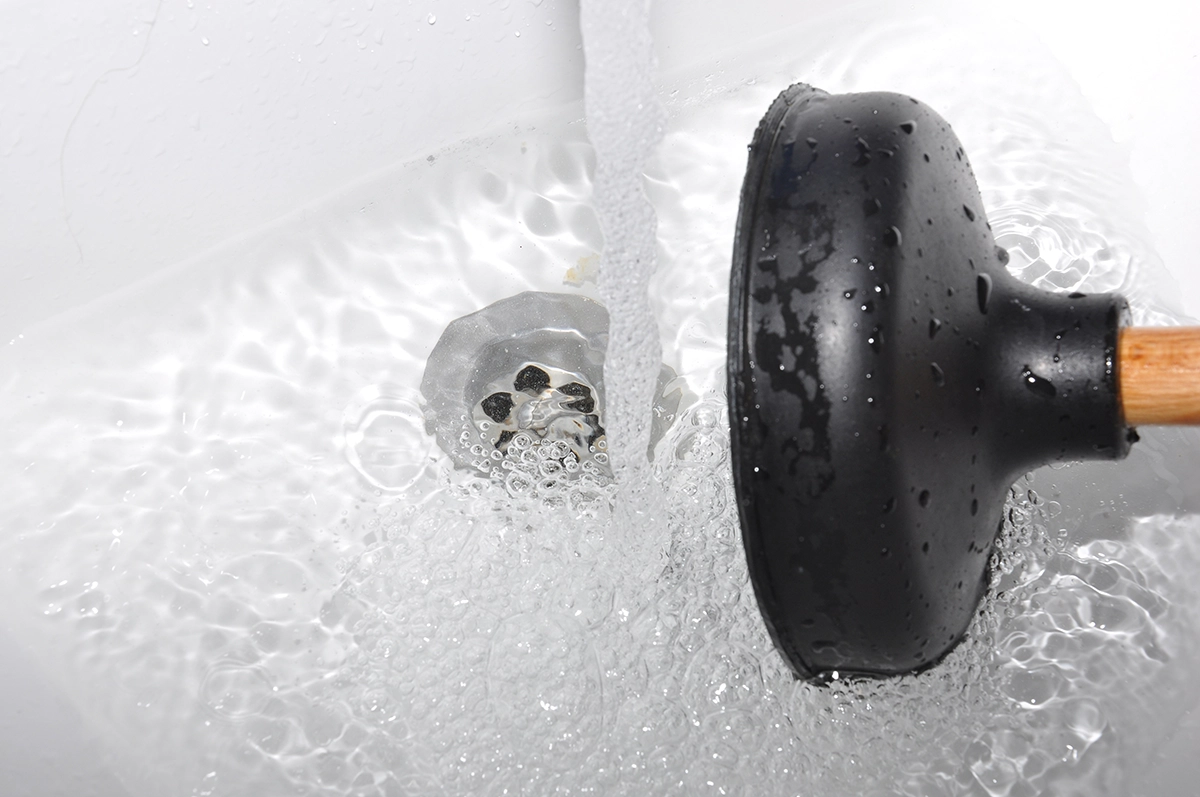
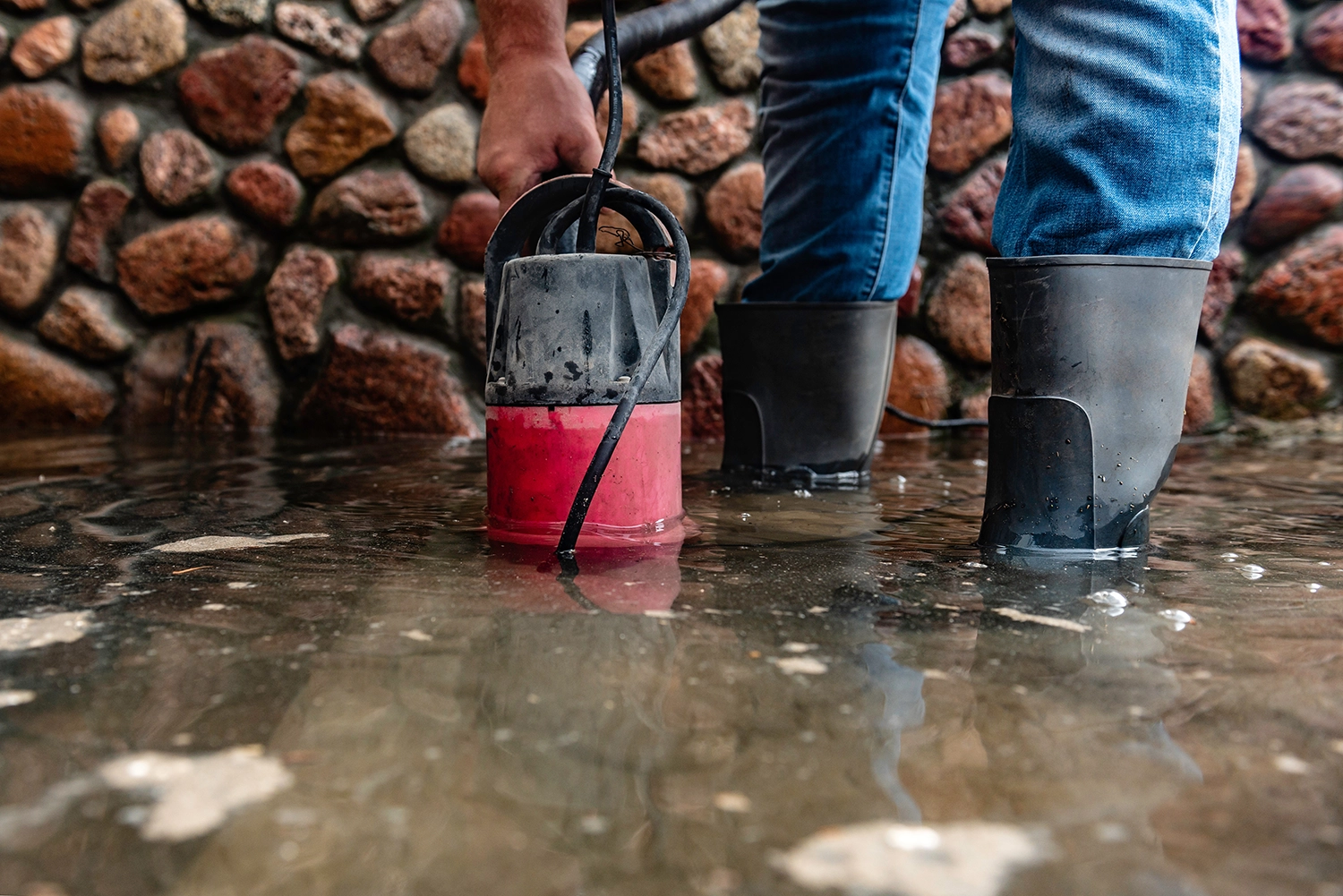
A sewer backup occurs when wastewater cannot flow away from your property and instead rises through toilets, floor drains, showers, or other fixtures. Common signs include dark water around basement drains, toilets overflowing without being flushed, or several fixtures backing up at once. The wastewater may also have a strong, unpleasant odor.
According to the EPA, raw sewage can contain bacteria, viruses, parasites, mold, and other harmful contaminants. Keep family members and pets away from affected areas, and avoid touching the water or attempting to clean it without proper protective equipment.
Fast action can also limit property damage. Porous materials such as drywall, insulation, carpeting, and wood flooring absorb contaminated water quickly. The longer sewage remains in the home, the more likely those materials will require removal. Professional help with an emergency sewer backup in Swampscott, MA can stop additional wastewater from entering, locate the obstruction, and begin restoring sanitary conditions.
What Triggers Sudden Sewage Reversals Throughout Local Neighborhoods
Sewer backups usually develop because of blockages, damaged pipes, or pressure on the local sewer system. In Swampscott, tree roots are a common cause. Roots can enter a sewer lateral through small cracks or loose joints, then expand and collect waste until water can no longer flow through the pipe.
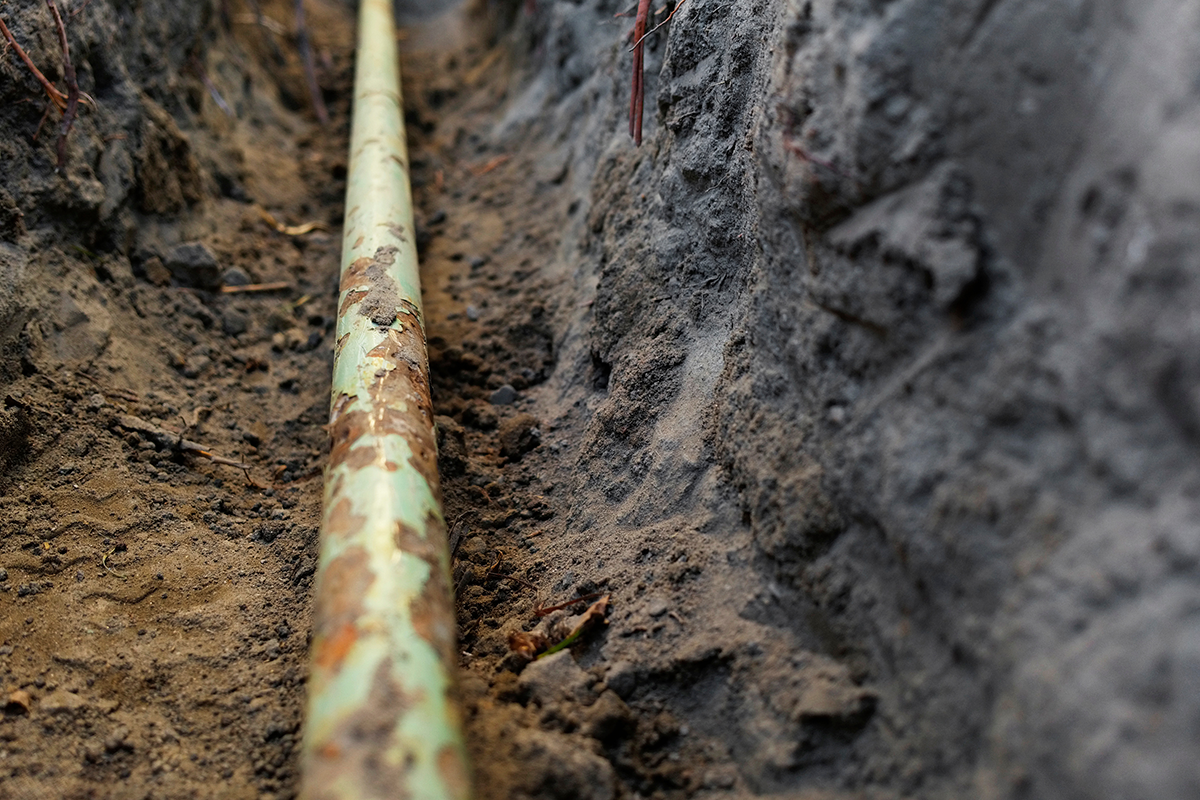
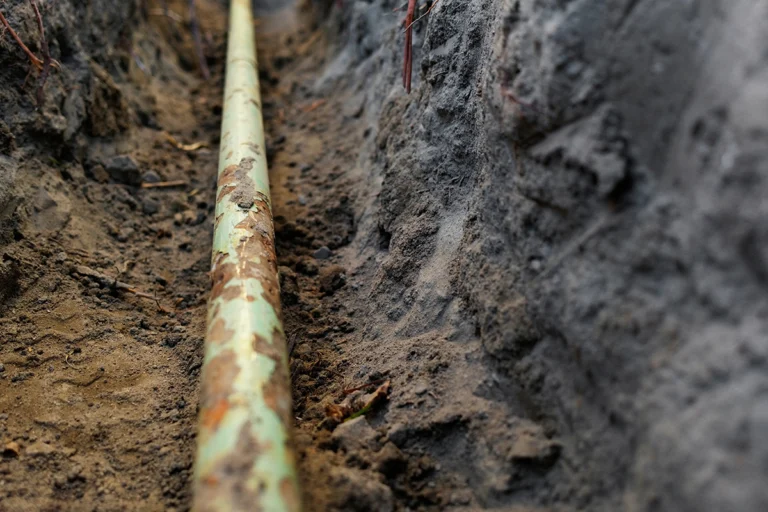
Aging infrastructure also increases the risk. Many older homes still have clay or cast-iron sewer lines. Clay can crack or separate as the ground shifts, while cast iron may corrode from the inside. Damaged sections can sag, collapse, or create low spots where solids collect. Homes with older plumbing may benefit from a sewer camera inspection before slow drainage becomes a full backup.
Heavy rain and coastal flooding can place additional strain on local systems. Stormwater may enter damaged sewer lines through cracks and faulty seals, while high tides and storm surge can increase pressure near the coast. Improperly flushed wipes, grease, and hygiene products can worsen the problem by restricting pipes that are already damaged or partially blocked. The EPA explains that sanitary sewer overflows can back up into homes when sewer systems become blocked, damaged, or overloaded.
Because clogs, root intrusion, and collapsed pipes require different repairs, identifying the cause is essential. A professional inspection can determine whether the line needs cleaning, targeted repair, or replacement.
Warning Signs Your Plumbing System Needs Help Before Flooding Begins
A full sewer backup is often preceded by smaller plumbing problems. Multiple drains that gurgle when you flush a toilet or run the washing machine may indicate that air and wastewater are struggling to pass through the main line. Foul odors coming from several drains can also point to trapped waste or restricted flow.
Pay particular attention to the lowest fixtures in your home. Water appearing around a basement floor drain, shower, or toilet often means the blockage is located farther down the main sewer line. Other warning signs include toilets bubbling when nearby fixtures are used, several drains becoming slow at the same time, or sewage appearing near an outdoor cleanout.
A single slow sink may only have a localized clog. However, drainage problems affecting several rooms should be evaluated promptly. Addressing these signs early may help you avoid a full emergency sewer backup in Swampscott, MA and the contamination that can follow.
Professional Emergency Plumbing Response for North Shore Homeowners
A sewer backup requires more than clearing the first visible obstruction. The underlying cause must be identified so the problem does not return. Our licensed and insured plumbers understand the aging infrastructure and coastal conditions that affect homes throughout Swampscott and the surrounding North Shore area.
We use professional video inspection equipment to examine the sewer line and determine whether the problem involves accumulated waste, tree roots, pipe corrosion, a separated joint, or structural collapse. Depending on what we find, the appropriate response may include mechanical drain cleaning, hydro jetting, targeted repairs, or sewer line replacement.
Our technicians handle the process from the initial assessment through final testing. We explain what we find, review the recommended solution, and provide documentation of the completed work. Financing and flexible payment options are also available for qualifying sewer repairs.
If you notice slow drains, gurgling toilets, foul odors, or standing sewage, stop using water and give us a call. Our team can help you respond safely to an emergency sewer backup in Swampscott, MA and restore proper drainage before the damage spreads.
Frequently Asked Questions
What immediate steps should I take when sewage floods my home?
Stop using toilets, sinks, showers, washing machines, and other fixtures that send water into the drainage system. Keep family members and pets away from the contaminated area, and avoid touching the wastewater. Call a licensed plumber to locate the obstruction and stop additional sewage from entering your home.
How quickly can raw sewage damage my Swampscott home?
Porous materials such as drywall, flooring, carpeting, and insulation can begin absorbing contaminated water within hours. Mold growth may begin within 24 to 48 hours under suitable conditions. Prompt plumbing service and professional cleanup can help limit structural damage and contamination.
Can tree roots really cause a sewer backup emergency?
Yes. Roots can enter sewer laterals through small cracks, loose joints, or deteriorated pipe sections. They then expand inside the line and collect waste until drainage becomes severely restricted. A camera inspection can confirm whether root intrusion is contributing to the backup.
Will my homeowner’s insurance cover an emergency sewer backup in Swampscott, MA?
Standard homeowners insurance policies do not always include sewer or drain backup coverage. Coverage may require a separate endorsement or optional add-on. Review your policy and contact your insurance provider promptly after a backup. Detailed documentation of the damage and completed plumbing work may help support your claim.