A slow-draining or completely clogged bathroom sink is one of the most frustrating plumbing issues homeowners face. You might be brushing your teeth in standing water. Or you’re watching soap scum refuse to drain. Either way, learning how to unclog a bathroom sink starts with understanding what’s causing the problem. At Whale Worth It! Plumbing, Heating & Air, we help North Shore, MA homeowners identify the source of sink clogs and restore proper drainage.
A backed-up sink might seem like a simple fix. However, the underlying causes can vary. Tackling them the wrong way can lead to damaged pipes or worsening blockages. Let us walk you through what causes bathroom sink clogs. We’ll also show you how to recognize the warning signs. Most importantly, we’ll explain why professional help is often the smartest choice when you need to know how to unclog a bathroom sink safely and effectively.
Common Causes of Bathroom Sink Clogs
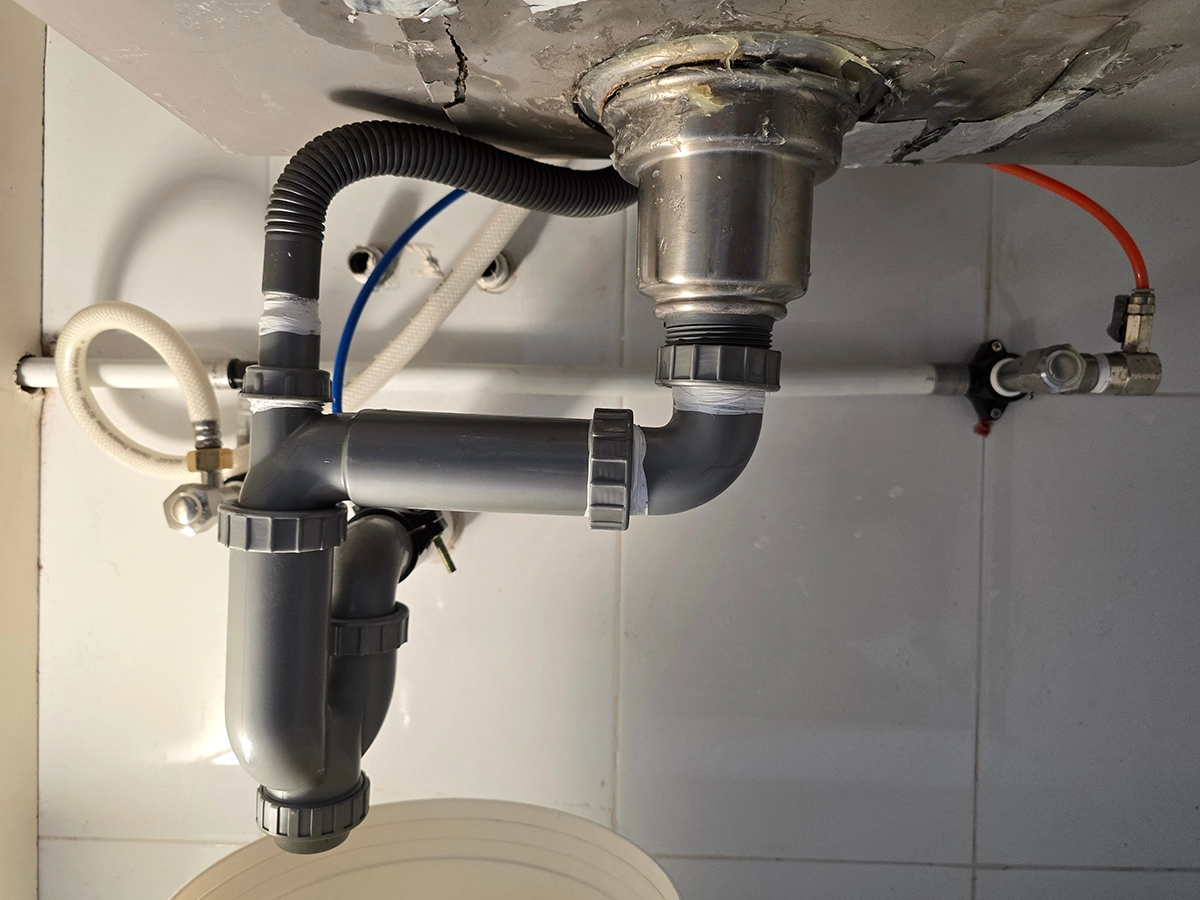
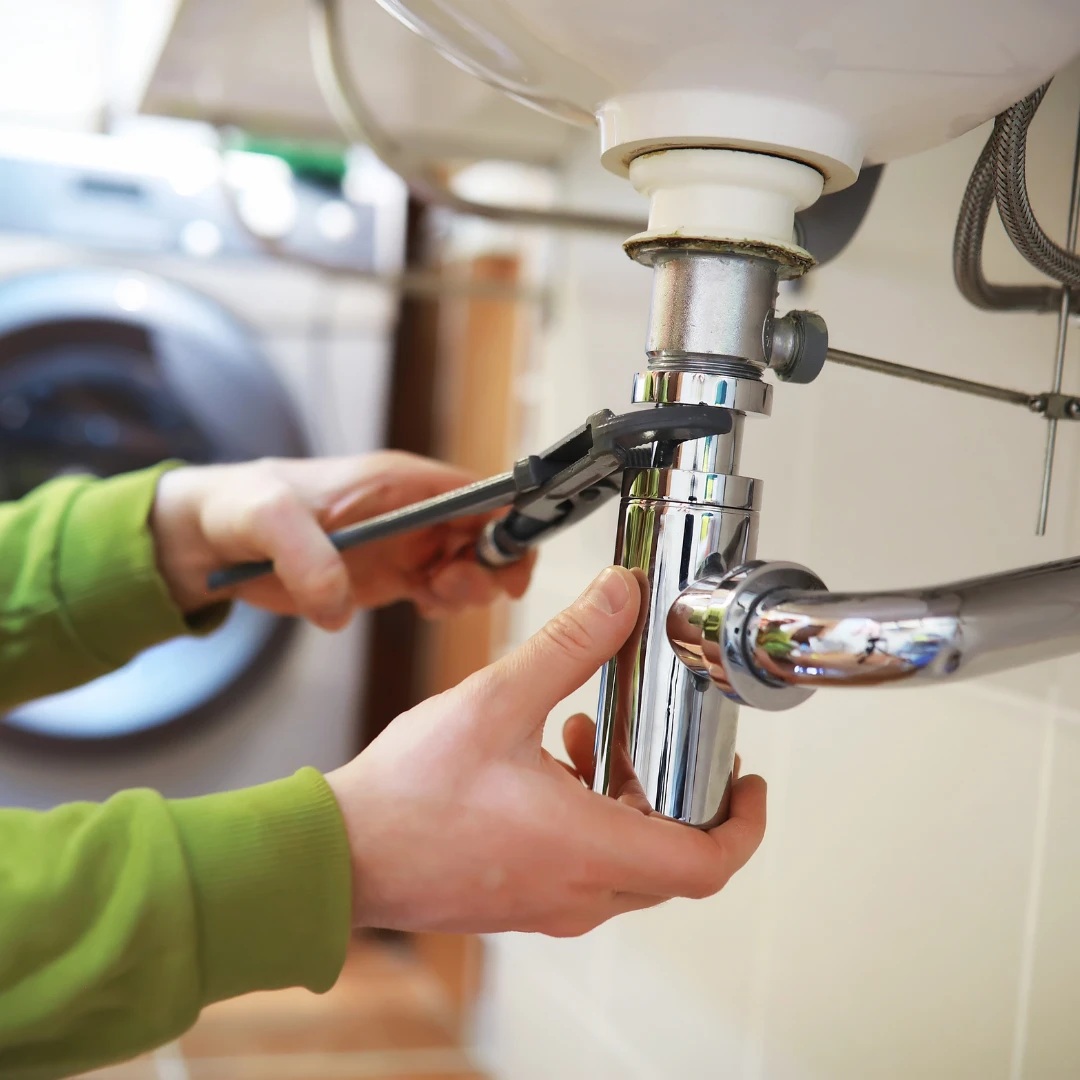
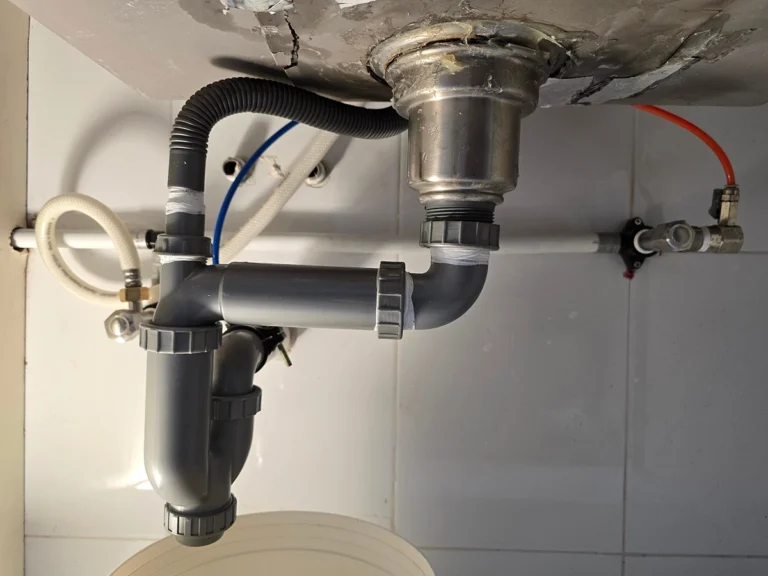
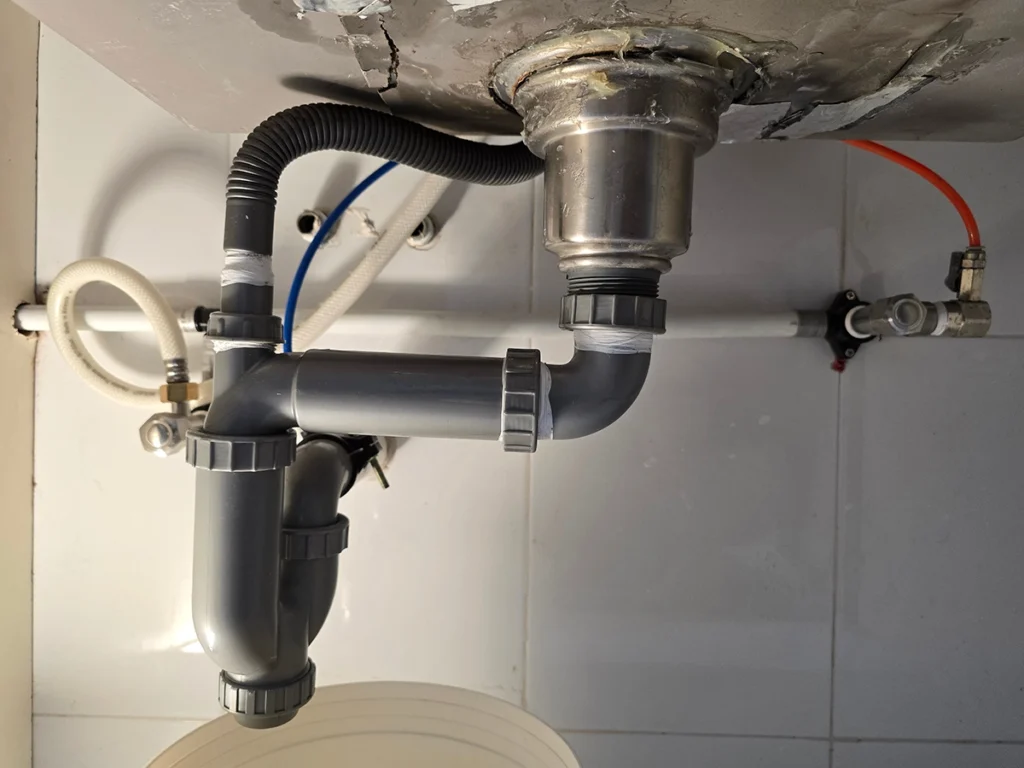
Before you can address a clogged bathroom sink, it helps to understand what’s blocking your drain in the first place. Most bathroom sink clogs develop gradually over time rather than appearing overnight. Hair is the number one culprit. As it washes down the drain, it combines with soap residue, toothpaste, and other sticky substances to form a stubborn mat that traps debris. This buildup typically accumulates in the P-trap. The P-trap is the curved section of pipe beneath your sink designed to hold water and prevent sewer gases from entering your home.
Soap scum also plays a major role, especially if you use bar soap. Traditional bar soaps contain fats that bond with minerals in hard water. This creates a waxy residue that clings to pipe walls. Over months and years, this layer thickens and narrows the pipe opening. Toothpaste, shaving cream, and cosmetic products add to the problem by sticking to existing buildup. In some cases, small objects like jewelry, contact lenses, or cotton swabs accidentally fall into the drain. These items create an instant blockage that requires knowing how to unclog a bathroom sink properly.
Warning Signs Your Bathroom Sink Is Clogged
Recognizing the early signs of a developing clog can save you from a complete backup. The first indication is usually slow drainage. Water takes longer than usual to disappear down the drain. You might also notice a small pool forming around the drain opening while the faucet runs. Additionally, you might hear gurgling sounds as water tries to push past the obstruction. Another warning sign is detecting unpleasant odors rising from the drain as trapped organic matter begins to decompose.
Standing water that refuses to drain at all signals a more serious blockage. If water backs up when you run the faucet or use nearby fixtures, the clog may extend beyond the P-trap into the drain line itself. We’ve also seen cases where multiple bathroom fixtures drain slowly at once. This can indicate a venting issue or a blockage further down the plumbing system. These symptoms tell us it’s time for professional assessment.
What’s Happening Inside Your Drain
Understanding the anatomy of your bathroom sink drain helps explain why clogs form where they do. Water flows from your sink basin through the drain assembly. This includes a pop-up stopper mechanism that catches a significant amount of hair and debris. From there, water enters the tailpiece. This is a straight section of pipe that connects to the P-trap below. The P-trap curves downward and back up, creating a water seal. Then it connects to the drain pipe that carries wastewater away.
Most bathroom sink clogs happen in one of three locations. They occur right at the pop-up stopper assembly where hair accumulates. They also happen within the P-trap where debris settles in the curve. Finally, clogs form just beyond the P-trap where the horizontal drain pipe begins. Occasionally, the clog extends into the main drain line, especially in older homes with corroded or deteriorating pipes. The location of the blockage determines the best approach for clearing it and understanding how to unclog a bathroom sink effectively.
How Professionals Diagnose Bathroom Sink Clogs
When you call our team for a clogged bathroom sink, we follow a systematic diagnostic process to pinpoint the exact location and cause of the blockage. This methodical approach ensures we use the right tools and techniques. It also prevents unnecessary damage to your plumbing.
Step 1: Visual Inspection
We start by examining the drain opening and pop-up stopper. Often, we can see accumulated hair and debris wrapped around the stopper mechanism. We’ll also check for visible signs of corrosion, damage, or improper installation. These issues might contribute to recurring clogs.
Step 2: Testing Drainage
Next, we run water to observe how quickly it drains and whether it backs up. The drainage pattern tells us a lot about the problem. Water that drains slowly suggests a partial clog. Complete backup indicates a full obstruction. We also listen for gurgling sounds that might signal venting problems.
Step 3: Accessing the P-Trap
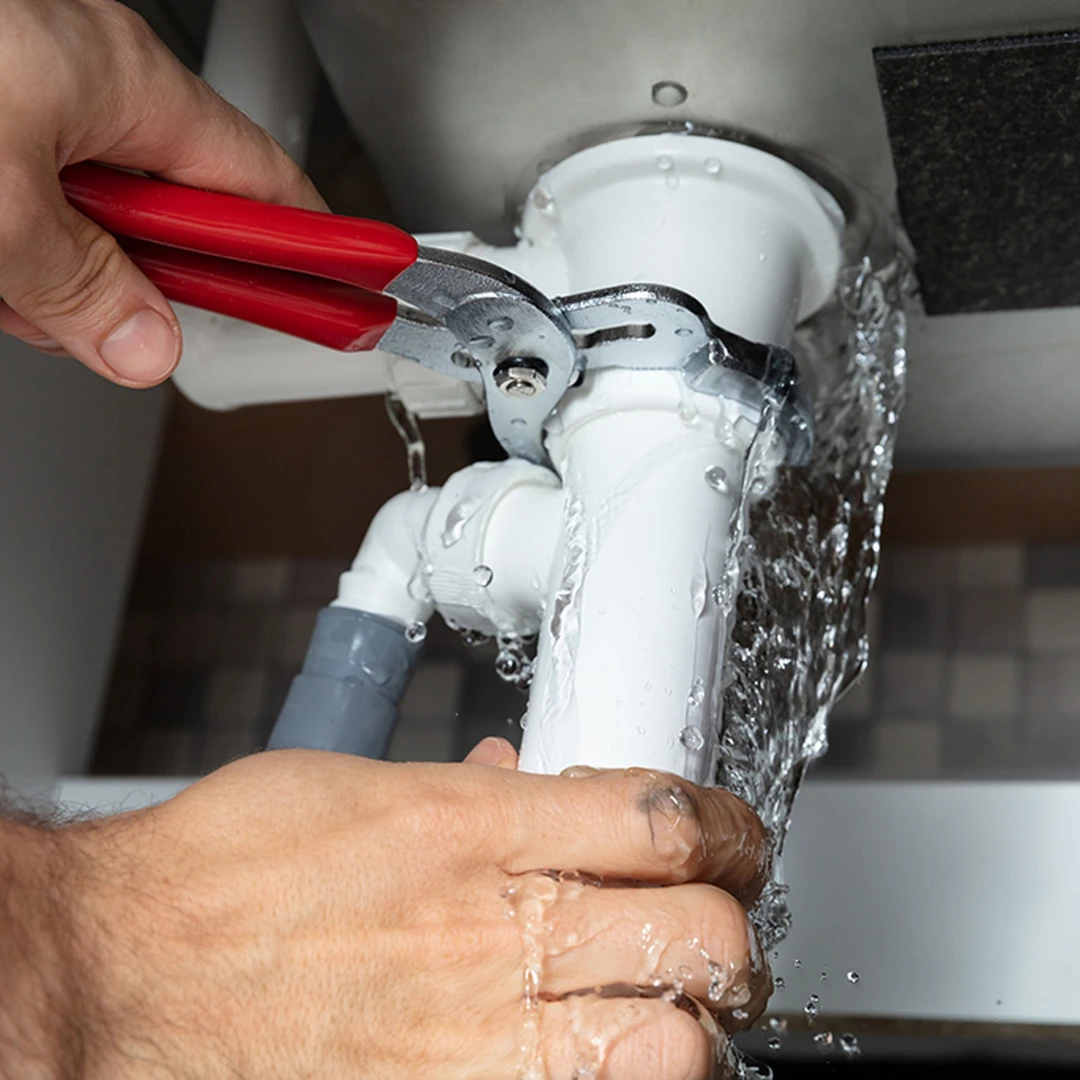
We carefully access the P-trap beneath your sink. This involves placing a bucket to catch water. Then we loosen the slip nuts that hold the trap in place. Once removed, we can inspect the trap for blockages. We also examine the condition of the pipes. This step is crucial when determining how to unclog a bathroom sink thoroughly.
Step 4: Checking Beyond the Trap
If the P-trap is clear, we investigate further into the drain line. Using specialized tools like drain cameras or augers, we can identify blockages deeper in the system. These blockages aren’t visible or accessible from the sink.
Step 5: Evaluating Water Flow
After clearing any blockages, we test water flow to ensure complete drainage restoration. We also check for leaks at connection points. Finally, we verify that all components are properly sealed and secure.
Why Chemical Drain Cleaners Aren’t the Answer
When faced with a stubborn clog, many homeowners reach for chemical drain cleaners. We strongly advise against this approach for bathroom sinks. MedlinePlus notes that drain cleaners can contain dangerous chemicals that may harm your health if swallowed, inhaled, or exposed to your skin and eyes.
These harsh chemicals can also damage pipes, especially if you have older metal pipes or PVC connections. Plus, they rarely dissolve hair effectively. They might create a temporary opening, but they often leave most of the clog intact. As a result, the sink may back up again later.
Chemical cleaners also pose safety risks. If they don’t clear the clog, they leave caustic liquid sitting in your pipes. This creates a hazardous situation if someone later attempts to remove the P-trap. We’ve responded to emergency calls where homeowners suffered chemical burns. This happened because they tried mechanical removal after using drain cleaner. These products also harm septic systems and municipal water treatment facilities. When considering how to unclog a bathroom sink, chemical cleaners should never be your first choice.
Professional Solutions for Unclogging Your Bathroom Sink
At Whale Worth It, we use proven methods that effectively clear clogs without damaging your plumbing. Our certified technicians assess each situation individually. They select the appropriate technique based on the clog’s location and severity.
For clogs at the pop-up assembly, we’ll remove and clean the stopper mechanism. This eliminates hair and buildup that’s restricting flow. When the blockage sits in the P-trap, we remove the trap and clear the obstruction. We also inspect the trap for damage or wear. Additionally, we clean the trap thoroughly before reinstalling it. We use new washers if needed to prevent leaks.
For deeper clogs, we use professional-grade augers or drain snakes. These tools can navigate through your drain lines without scratching or damaging pipe interiors. In cases where traditional methods aren’t sufficient, hydro-jetting provides a powerful solution. This technique uses high-pressure water streams to scour pipe walls clean. It removes years of buildup and restores full drainage capacity. After completing the work, we always test thoroughly. We also provide recommendations to help you avoid future clogs and answer any questions about how to unclog a bathroom sink safely in the future.
Preventing Future Bathroom Sink Clogs
While we’re always here to help when clogs arise, prevention is your best strategy for maintaining clear drains. Installing a quality drain screen or hair catcher over your drain opening stops most hair from entering the pipes in the first place. These inexpensive devices are easy to clean. They can prevent the majority of clogs before they start.
Make it a habit to clean your pop-up stopper regularly. This simple maintenance task can help you identify when buildup is starting to accumulate. Flushing your drain weekly with hot water can help dissolve soap residue before it builds up. Be mindful of what goes down your bathroom sink. For example, avoid pouring grease, oil-based cosmetics, or thick lotions directly into the drain.
The EPA warns that grease, household hazardous waste, and certain disposable products should not be poured down drains because they can clog pipes, cause sewage backups, or interfere with wastewater treatment.
Regular professional drain cleaning can also extend the life of your plumbing and reduce the risk of emergency clogs. Our maintenance services include thorough drain inspection and cleaning, which removes buildup before it becomes problematic. Many homeowners also make it a habit to watch for leaks, slow drains, and fixture problems as part of routine home maintenance.
When to Call Whale Worth It
Some situations call for immediate professional attention. If you’ve noticed persistent drainage issues in your bathroom sink, don’t wait. Continued problems can lead to damaged pipes and create more expensive repairs. Multiple slow-draining fixtures in your bathroom suggest a larger problem that requires professional diagnosis.
Persistent foul odors coming from your drain might indicate a deeper blockage or venting issue. This is true even after cleaning. Visible water damage beneath your sink, loose connections, or signs of corrosion all warrant a professional plumbing repair inspection.
Our team brings years of experience and the right tools to every job. We understand North Shore homes and the unique plumbing challenges they face. Whether you’re dealing with an emergency clog or want to schedule preventive maintenance, we’re committed to delivering honest, quality service. We solve the problem right the first time. Don’t let a clogged bathroom sink disrupt your daily routine or risk damage to your plumbing system. Contact us today for reliable drain clearing services.
Frequently Asked Questions
What causes bathroom sinks to clog so frequently?
Bathroom sinks clog frequently because hair combines with soap scum, toothpaste, and other sticky substances. This forms dense blockages in the drain and P-trap. Hard water minerals worsen the problem by bonding with soap to create waxy buildup on pipe walls. Regular professional maintenance and using drain screens significantly reduces clog frequency. Understanding how to unclog a bathroom sink and prevent future issues is essential for every homeowner.
Can I use a plunger on a clogged bathroom sink?
A small cup plunger might provide temporary relief for very minor clogs. However, it’s rarely effective for the hair-based blockages common in bathroom sinks. It also won’t address buildup in the P-trap. Professional assessment and removal is more reliable for persistent blockages. It ensures the problem is fully resolved without risking pipe damage.
How long does it take to professionally unclog a bathroom sink?
Most professional bathroom sink unclogging takes 30 minutes to an hour. The time depends on the clog’s location and severity. Simple P-trap removal and cleaning can be completed quickly. In contrast, deeper blockages requiring augering or camera inspection take longer. Our technicians work efficiently while ensuring thorough results and proper reinstallation.
Will unclogging my bathroom sink damage the pipes?
Professional unclogging performed by licensed plumbers will not damage your pipes. We use appropriate tools and techniques designed specifically for residential plumbing systems. In contrast, chemical drain cleaners, excessive force with improper tools, or DIY mistakes can corrode pipes. They can also crack connections or create leaks that require expensive repairs.