Why Water Filtration Maintenance Matters
Your filtration system works hard every single day. Each time someone turns on a faucet, runs the dishwasher, or takes a shower, water flows through your filters. Over time, those filters collect the contaminants they’re designed to remove. These include sediment, chlorine, heavy metals, minerals, and organic compounds. As filters fill up with trapped particles, they become less effective at doing their job.
Neglected filters don’t just reduce water quality. They can also slow water flow throughout your home. Additionally, they strain your plumbing system and eventually lead to complete system failure. In fact, operating a filtration system with clogged or expired filters sometimes does more harm than good. This is because saturated filters can release accumulated contaminants back into your water supply.
Regular maintenance protects your investment in clean water. Most whole-home filtration systems represent a significant upfront cost. However, consistent care extends the lifespan of expensive components. It also ensures you get the performance you paid for. Plus, clean filters mean better-tasting water, fewer plumbing problems, and genuine peace of mind about what your family drinks and uses every day.
Common Signs Your System Needs Attention
Knowing when your filtration system needs service helps you address problems before they affect your water quality. Several warning signs indicate it’s time for maintenance or a filter change.
Changes in Water Taste or Smell
Your filters may be saturated if your water suddenly tastes metallic, smells like chlorine, or has an unusual odor. Fresh filters remove these issues effectively. But once they’re full, contaminants pass straight through. Any noticeable change in water quality deserves immediate attention.
Reduced Water Pressure
Clogged filters restrict water flow throughout your home. When sediment filters become packed with particles, they create a bottleneck. This reduces pressure at every faucet and fixture. While low water pressure has many possible causes, a filtration system in need of maintenance is one of the most common culprits we see on the North Shore.
Visible Sediment or Discoloration
Clear water should stay clear. Your filtration system isn’t doing its job if you notice cloudiness, floating particles, or any color tint in your tap water. This often happens when filters reach capacity or when a system component fails. Either way, it’s time to call a professional.
System Alerts and Indicator Lights
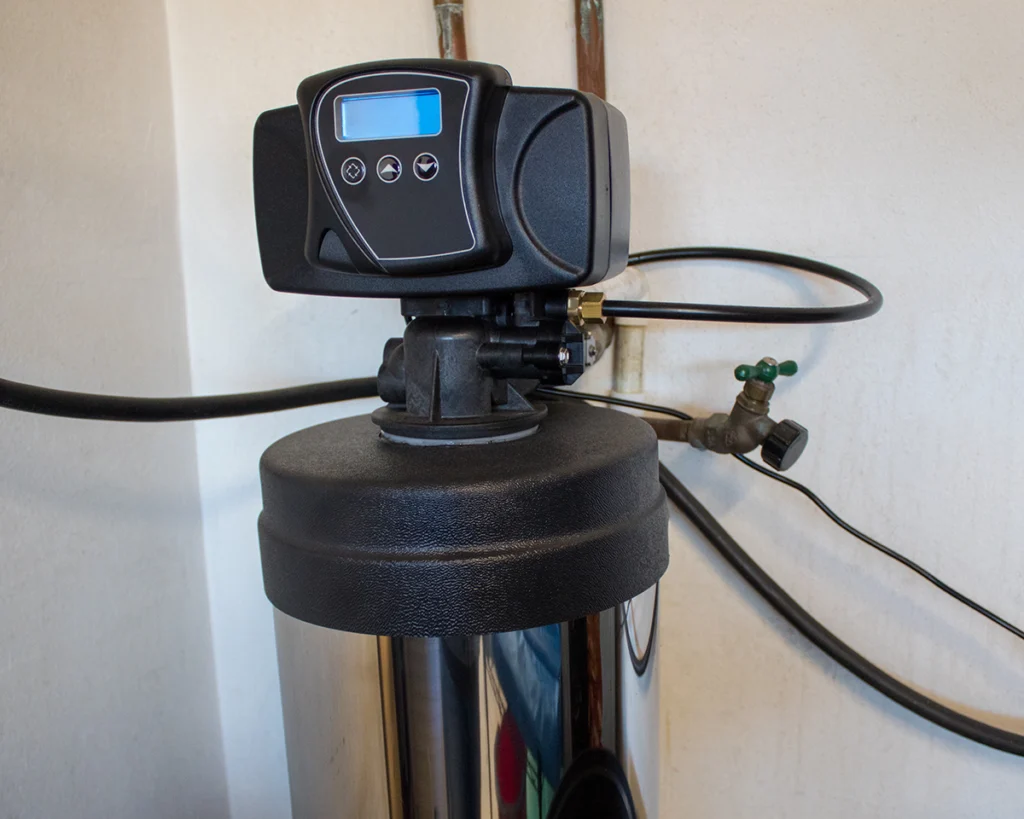
Many modern filtration systems include built-in monitoring that tracks filter life. They also alert you when replacement becomes necessary. Never ignore these warnings. They’re calibrated based on water usage and time. As a result, they provide reliable guidance about when your system needs fresh filters.
What Water Filtration Maintenance Includes
Professional maintenance involves more than just swapping out filters. When we service a water treatment system, we perform a thorough inspection. This ensures every component functions properly.
Our certified technicians examine the entire system from incoming water line to distribution points. This includes checking housing seals for leaks. We also inspect valves and bypass mechanisms. Additionally, we test water pressure before and after the filtration unit and confirm proper flow rates. Furthermore, we examine electronic controls on advanced systems to ensure programming remains accurate.
Filter replacement is, of course, a central part of maintenance. Different filtration systems use different types of filters. For example, sediment pre-filters, carbon filters, reverse osmosis membranes, UV lamps, and specialty media filters each have unique lifespans and replacement procedures. Our team installs filters correctly using the right replacement parts. We also ensure proper seating so that unfiltered water doesn’t bypass the media entirely.
Some systems also require sanitization during maintenance visits. This is especially important for reverse osmosis units. Standing water in storage tanks can develop bacteria if not properly maintained. Professional sanitization ensures your clean water stays truly clean.
How Often Should You Schedule Water Filtration Maintenance?
The right maintenance schedule depends on your specific system type and your household water usage. However, some general guidelines apply to most residential installations.
Sediment pre-filters typically need replacement every three to six months. This depends on water quality and usage volume. These filters catch larger particles before they reach more expensive downstream filters. As a result, they fill up relatively quickly. Homes with well water or older municipal systems often need more frequent sediment filter changes.
Carbon filters generally last six months to one year. These filters remove chlorine, organic compounds, and chemicals that affect taste and odor. Once activated carbon becomes saturated, it stops absorbing contaminants effectively. That’s why timely replacement matters so much for maintaining water quality.
Reverse osmosis membranes have longer lifespans. They usually last two to three years with proper pre-filtration. Still, they require annual inspection to confirm performance and catch any issues early. UV lamp replacements typically happen annually. This is because ultraviolet output decreases over time even when the lamp still glows.
We recommend annual professional inspections for all whole-home filtration systems. This applies regardless of filter replacement schedules. During these visits, our technicians can test water quality, verify system settings, and identify developing problems before they cause failures. Regular professional attention paired with timely filter changes keeps your system performing optimally.
The Risks of Skipping Regular Water Filtration Maintenance
Postponing or ignoring water filtration system maintenance creates several problems. First and most obviously, your water quality suffers. Exhausted filters simply cannot remove contaminants effectively. This means you’re not getting the clean water you expect from your system.
Beyond reduced performance, neglected systems develop mechanical problems. Clogged filters create pressure imbalances that stress housing seals, valves, and connections. We’ve seen many cases where deferred maintenance led to system leaks that caused water damage to basements and utility rooms. What could have been prevented with a simple filter change turned into an expensive repair and remediation project.
Bacterial growth presents another concern. Water treatment systems create environments where bacteria can flourish if not properly maintained. Standing water in storage tanks, damp filter housings, and organic material trapped in saturated filters all provide opportunities for microbial contamination. Regular maintenance includes steps to prevent and address these issues.
Perhaps most frustrating is premature system failure. Filtration equipment represents a significant investment. Proper care helps you get every year of service life from that investment. Systems that don’t receive regular maintenance fail earlier. They also need replacement sooner than well-maintained units. The cost of routine maintenance is far less than the cost of replacing an entire system prematurely.
Why Professional Service Matters
While it might be tempting to attempt filter maintenance on your own, professional service ensures everything gets done correctly. Your system might include reverse osmosis components, UV sterilization, or complex multi-stage filtration. Our certified technicians have the specific knowledge about sanitization procedures, membrane installation, proper pressure settings, and water quality testing that’s required for safe and effective service.
Professional service offers valuable peace of mind. Our certified technicians bring the right tools. They also know how to handle unexpected issues. Additionally, they can test your water quality and compare results with relevant EPA drinking water standards. They also stand behind our work with guarantees. Furthermore, we’ll spot potential problems during routine maintenance that could easily be missed without professional training and experience.
Protecting Your Family’s Water Quality
Your filtration system exists for one reason. It gives your family safe, clean, great-tasting water every time you turn on a tap. Maintaining that system properly protects that investment. It also ensures the water quality you’re counting on.
Frequently Asked Questions About Water Filtration Mainteance
How often should I change the filters in my water filtration system?
Most sediment filters need replacement every three to six months. Carbon filters typically last six months to one year. Reverse osmosis membranes usually last two to three years. UV lamps need annual replacement. Your specific system and water usage determine exact timing. Therefore, consult your system documentation or call us for personalized guidance.
What happens if I don’t replace my water filters on time?
Overdue filters stop removing contaminants effectively. This allows sediment, chemicals, and other unwanted substances into your water. Saturated filters can release trapped contaminants back into your supply. They also reduce water pressure throughout your home, strain system components, and potentially cause leaks. Regular replacement maintains water quality and prevents costly damage.
Should I hire a professional for water filter replacement?
Professional service ensures your system works correctly and safely. Our certified technicians handle proper installation, sanitization, and water testing. This is especially important for systems with reverse osmosis, UV sterilization, or multi-stage components. Professional service also includes system inspection to identify potential issues before they become costly problems.
How do I know which replacement filters my system needs?
Check your system documentation for specific filter part numbers and specifications. Using incorrect filters compromises water quality. It can also damage your system. Contact the system manufacturer or call Whale Worth It if you’re unsure. We can identify your system type and source the correct replacement filters for you.