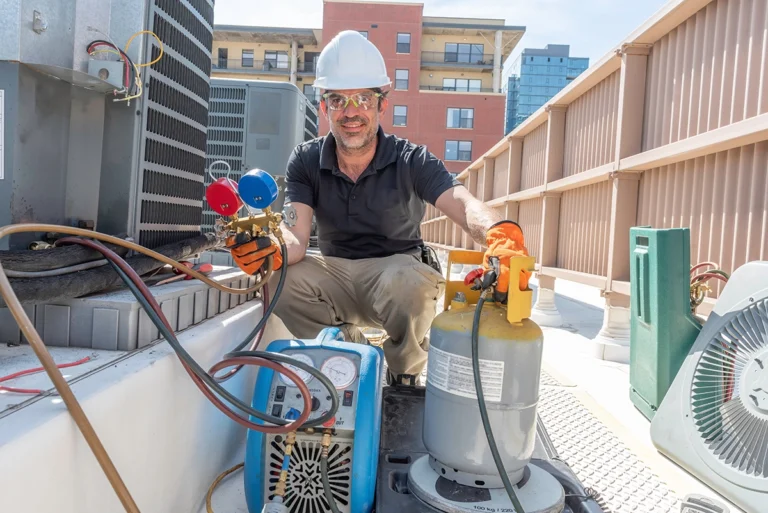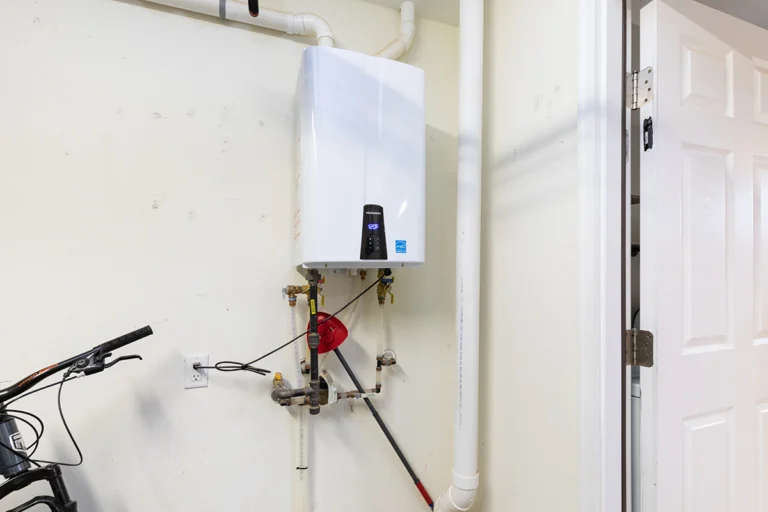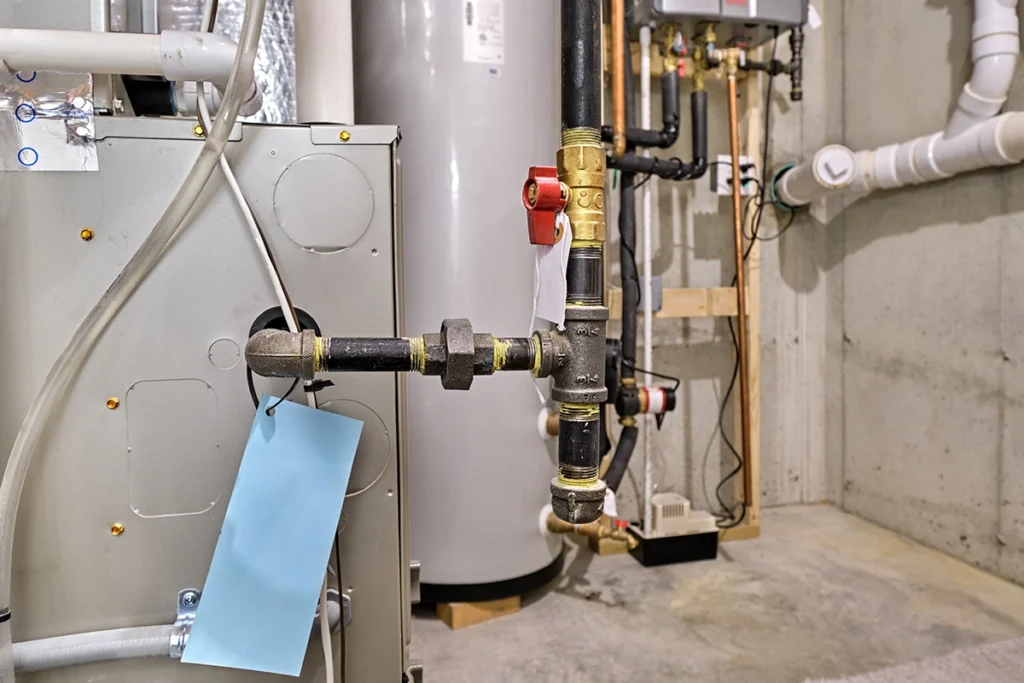
When you hear your heating or cooling system making strange noises, struggling to keep up with the thermostat, or refusing to turn on altogether, you might wonder what HVAC tools we’ll use to diagnose and fix the problem. Modern HVAC systems are complex, and repairing them safely requires specialized equipment that goes far beyond a basic toolbox. From refrigerant gauges and leak detectors to combustion analyzers and digital multimeters, the tools we bring into your home are designed for precision, safety, and compliance with strict industry standards. While it’s natural to be curious about the process, using these tools effectively requires years of training, hands-on experience, and proper licensing—so you can trust that your system is in capable hands.
What Are HVAC Tools and Who Uses Them?
When your heating or cooling system starts acting up—whether it’s making strange noises, failing to reach the right temperature, or cycling on and off unexpectedly—you’re likely dealing with an issue that requires specialized diagnostic equipment to identify. HVAC tools are the precision instruments licensed technicians rely on to safely diagnose, repair, and maintain your home’s climate control systems. These aren’t everyday household items. They’re professional-grade devices designed to measure electrical performance, detect refrigerant leaks, assess airflow, and evaluate system safety.
In fact, Fluke, technicians must check voltage, amperage, continuity, and insulation integrity in systems to ensure performance and operational safety. Without this equipment, it’s nearly impossible to pinpoint whether your system’s problem stems from a failing capacitor, a refrigerant leak, a faulty thermostat connection, or something else entirely. That’s why attempting DIY repairs on heating and cooling equipment can be both dangerous and costly—you simply can’t see what’s happening inside the system without the right tools and training.
At Whale Worth It, our certified technicians arrive equipped with calibrated, professional-grade diagnostic tools. These allow us to quickly identify the root cause of your HVAC issue and recommend the safest, most effective solution for your North Shore home.
Common HVAC Tools We Rely On
When you notice uneven heating or cooling in your home, or your energy bills suddenly spike without explanation, the problem often isn’t obvious to the naked eye. That’s where professional-grade diagnostic equipment becomes essential. We rely on specialized tools that measure what homeowners can’t see—refrigerant pressures, electrical current draw, airflow volumes, and hidden leaks. These aren’t the kind of instruments you’ll find at a hardware store. They’re precision devices that require training, calibration, and years of experience to interpret correctly.
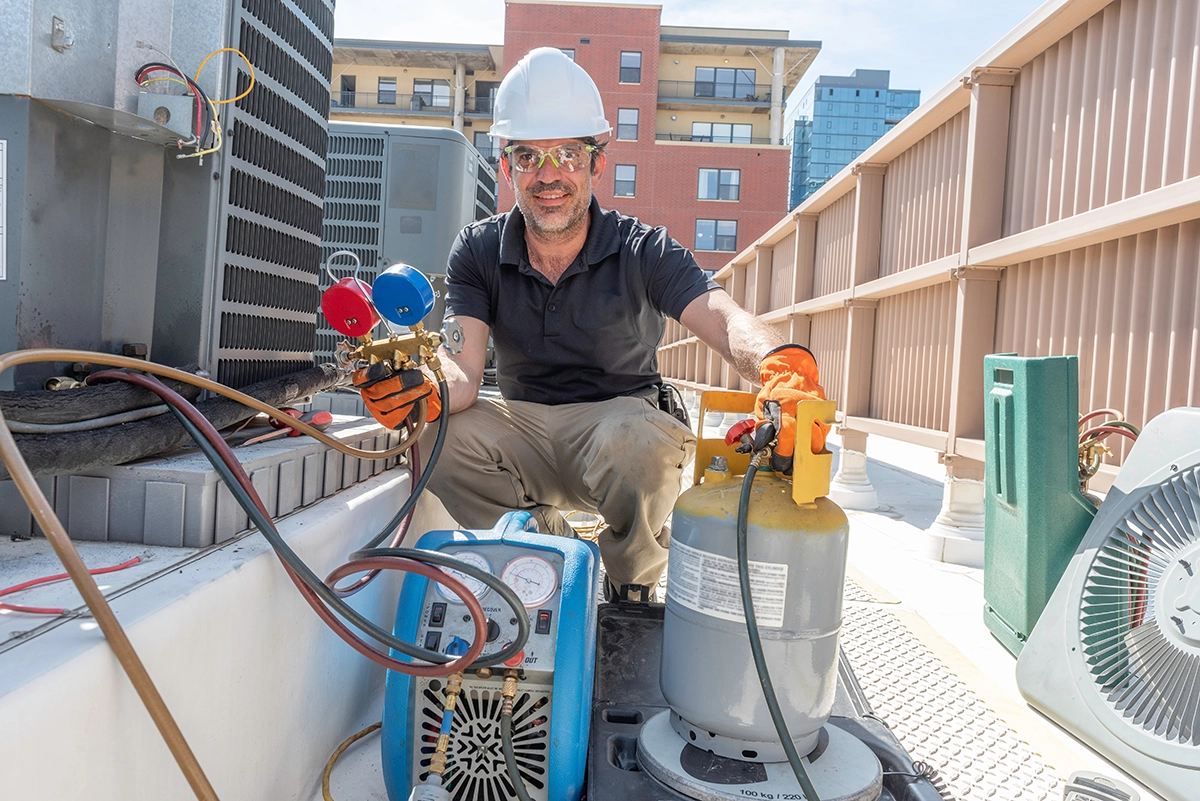
For example, when we investigate comfort complaints, we’ll use manometers to test static pressure in your ductwork. Poor airflow causes uneven heating and cooling along with system inefficiency. Testing static pressure helps identify airflow restrictions that waste energy and shorten equipment life. We also depend on refrigerant gauges to diagnose compressor issues, digital multimeters to trace electrical faults, and infrared leak detectors to find problems that would otherwise take hours to locate.
Each tool gives us a piece of the diagnostic puzzle. This helps us pinpoint exactly what’s wrong—and what’s needed to fix it safely and permanently. If your HVAC system isn’t performing the way it should, schedule a free estimate so our certified technicians can bring the right equipment to your North Shore home and restore your comfort.
Why HVAC Tools Require Training and Certification
When homeowners see professional HVAC technicians arrive with cases of specialized equipment, it’s natural to wonder whether those tools could solve heating and cooling problems faster. But here’s the critical warning sign that something’s wrong with a DIY approach: those diagnostic instruments—digital multimeters, infrared cameras, airflow meters, and refrigerant leak detectors Fluke—are dangerous in untrained hands. Misreading electrical voltage can lead to shock injuries or system damage. Plus, handling refrigerants without EPA Section 608 certification isn’t just risky; it’s illegal and can result in substantial federal fines.
We’ve responded to countless service calls where well-intentioned homeowners created more expensive problems by attempting repairs without proper training. The real issue isn’t access to the tools themselves. It’s the years of technical training required to interpret readings correctly, understand Massachusetts residential and commercial codes, and recognize when a symptom points to compressor failure versus a simple thermostat calibration issue. Our certified technicians combine proper equipment with diagnostic expertise to identify the actual root cause, not just surface symptoms.
If your system isn’t performing correctly, the safest next step is always a professional inspection. Call us for accurate diagnosis using properly calibrated instruments and licensed expertise.
What to Expect When Our Team Uses Specialized HVAC Equipment
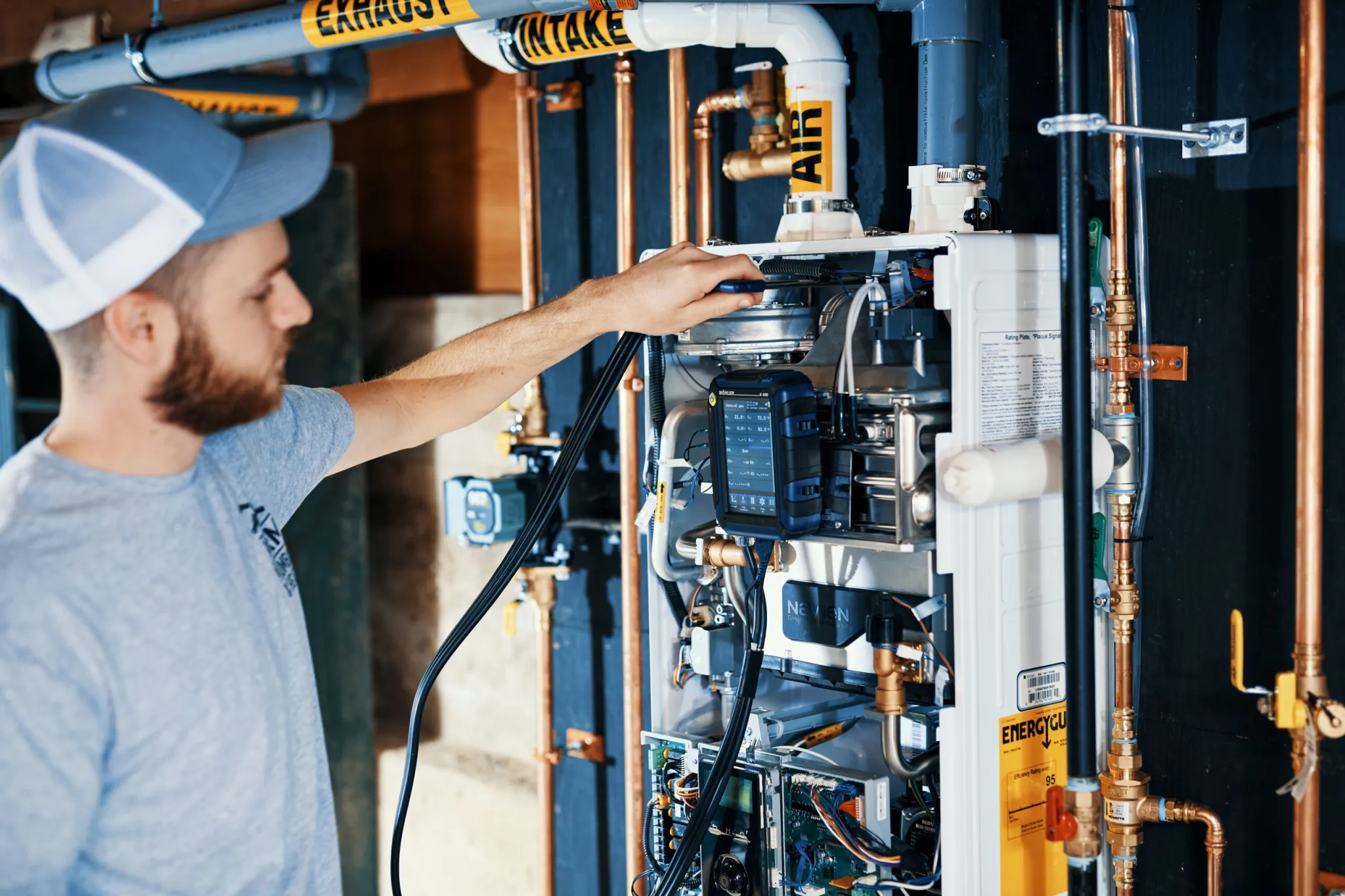
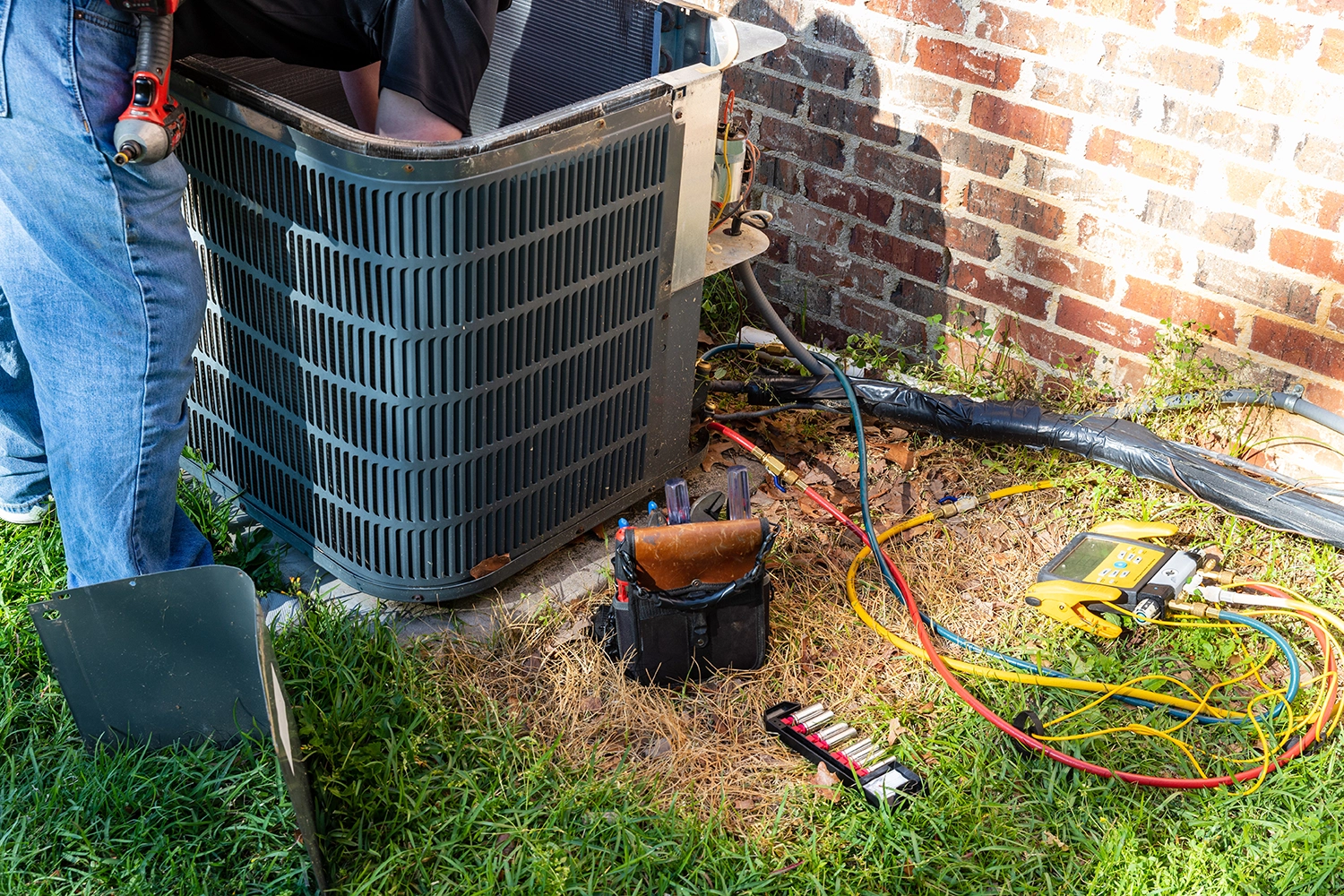
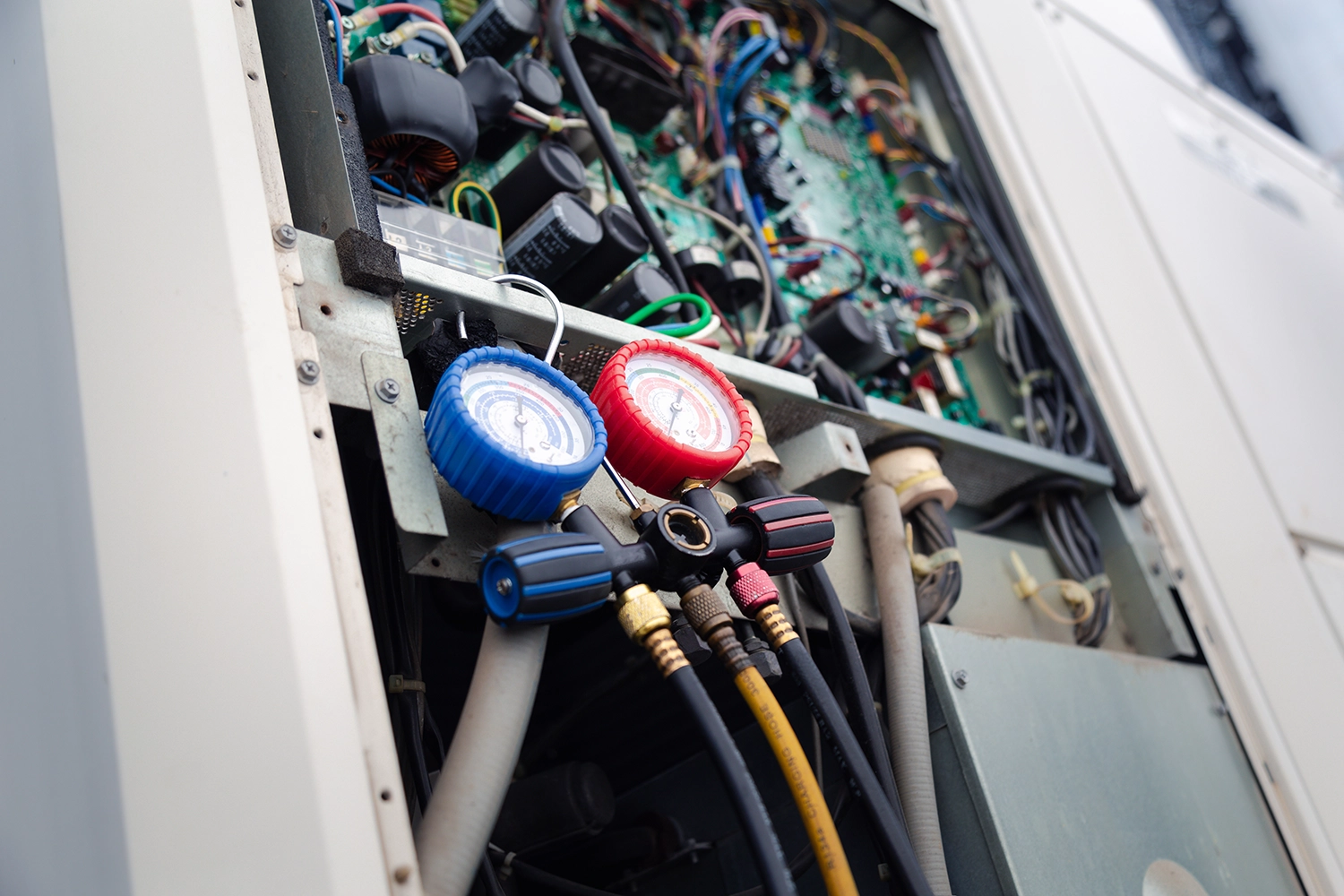
When you call Whale Worth It for an HVAC concern, we arrive with diagnostic equipment designed to pinpoint problems quickly and accurately. We’ll use digital manifold gauges to measure refrigerant pressures and temperatures, infrared thermometers to detect hot spots or airflow inconsistencies, and combustion analyzers to evaluate furnace efficiency and safety. These aren’t tools you’ll find at a hardware store. They’re calibrated instruments that require professional training to interpret correctly.
During a typical service call, we’ll also use airflow meters to verify your system is moving the right volume of air. Leak detectors help us find refrigerant escapes invisible to the naked eye, and multimeters test electrical components under load. This comprehensive approach helps us distinguish between a simple filter issue and a failing compressor, a thermostat miscommunication and a refrigerant leak, or ductwork problems and blower motor wear.
Because HVAC systems involve pressurized refrigerants, high-voltage electricity, and gas connections, accurate diagnosis protects both your comfort and your safety. Modern air conditioning systems require careful maintenance to operate efficiently and safely throughout their lifespan. If you’re experiencing uneven temperatures, unusual noises, or rising energy bills, give us a call—we’ll bring the right tools and expertise to get to the bottom of it.
When to Call a Licensed HVAC Professional
If you notice unusual noises like grinding, squealing, or banging coming from your HVAC system, it’s time to contact us. These sounds often indicate failing bearings, loose components, or motor issues that require immediate attention. Similarly, if your system cycles on and off frequently, struggles to maintain consistent temperatures, or produces weak airflow, these are clear signs that something isn’t functioning properly. We’ve seen homeowners ignore these symptoms until a minor issue becomes a costly system failure—especially during the peak of summer or the depths of a North Shore winter.
Rising energy bills without a corresponding increase in usage, strange odors like burning or mustiness, and visible leaks around your unit all warrant professional diagnosis. A licensed HVAC technician has the specialized tools and training to accurately assess refrigerant levels, test electrical components, inspect ductwork integrity, and identify failing parts before they cause total system breakdown. Our team responds quickly to diagnose the root cause and recommend the most effective repair or replacement solution. Don’t wait until your comfort is completely compromised. Call us at the first sign of trouble so we can restore your system safely and efficiently.
Trust Whale Worth It for Expert HVAC Service
When your heating or cooling system struggles to keep your North Shore home comfortable, you need more than guesswork. You need a team backed by professional-grade diagnostic equipment, specialized training, and years of hands-on experience. We’ve invested in the advanced HVAC tools and technology required to pinpoint issues quickly, whether it’s a refrigerant leak, faulty thermostat, airflow restriction, or failing compressor. Our certified technicians know how to interpret what the instruments reveal and translate those findings into clear, honest recommendations.
We understand that HVAC emergencies don’t wait for convenient times. That’s why we’re ready to respond when you notice weak airflow, unusual sounds, rising energy bills, or uneven temperatures throughout your home. From routine maintenance that prevents costly breakdowns to urgent repairs that restore comfort fast, our team treats every call with the professionalism and care your family deserves.
Don’t let HVAC problems disrupt your comfort or safety. Call Whale Worth It today and experience the difference that proper equipment, expert training, and local dedication make. We’re here to keep your home running smoothly all year long.
Frequently Asked Questions
What HVAC tools do technicians use to diagnose my system?
Our certified technicians use digital manifold gauges to measure refrigerant pressures, multimeters to test electrical components, airflow meters to verify proper ventilation, infrared leak detectors to find refrigerant escapes, and combustion analyzers to evaluate furnace safety. Each tool provides diagnostic data that helps us pinpoint the exact cause of your heating or cooling problem quickly and accurately.
Can I buy HVAC tools and fix my system myself?
While some HVAC tools are available for purchase, using them safely requires years of training and EPA certification. Misreading diagnostic instruments can lead to expensive mistakes, equipment damage, or dangerous situations involving high-voltage electricity and pressurized refrigerants. We always recommend calling a licensed professional to diagnose and repair your system correctly.
Why do HVAC repairs cost more than I expected?
HVAC repair costs reflect specialized diagnostic equipment, years of technical training, proper licensing and insurance, calibrated professional-grade tools, and replacement parts that meet manufacturer specifications. Our technicians invest significant time diagnosing the root cause—not just treating symptoms. This means repairs last and your system operates safely and efficiently for years to come.
How do I know if my HVAC system needs professional attention?
Call us immediately if you notice unusual noises like grinding or squealing, weak airflow, frequent cycling on and off, uneven temperatures throughout your home, rising energy bills, strange odors, or visible leaks. These symptoms indicate problems that require professional diagnostic tools and expertise to identify and repair safely before causing total system failure.