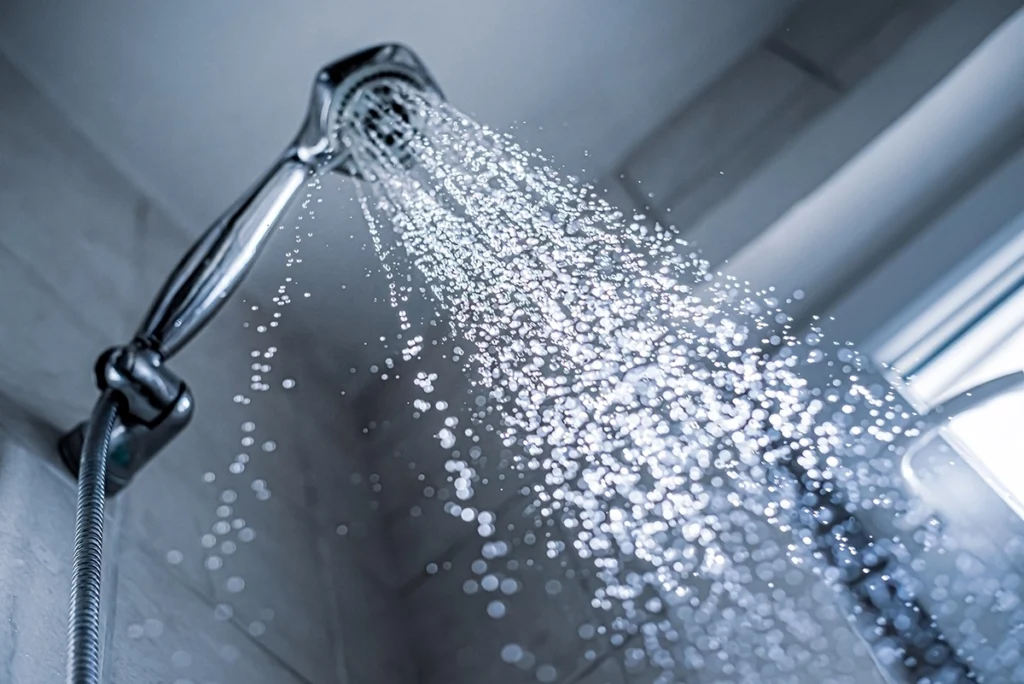
Stepping into a cold shower on a chilly morning is jarring for any homeowner. You turn on the water expecting warmth, but instead get an icy shock. When you have no hot water in shower but other faucets work fine, it’s more than just inconvenient. In fact, it disrupts your entire daily routine. At Whale Worth It! Plumbing, Heating & Air, we help North Shore homeowners identify hot water issues quickly. As a result, you can get back to your comfortable routine without unpleasant surprises.
Why You Might Have No Hot Water in Your Shower
Several factors can cause your shower to deliver cold water while other hot water works normally. Understanding the common causes helps you communicate better with a licensed plumber. Plus, this knowledge can sometimes prevent future issues when there’s no hot water in shower situations.
Single-Handle Shower Valve Problems
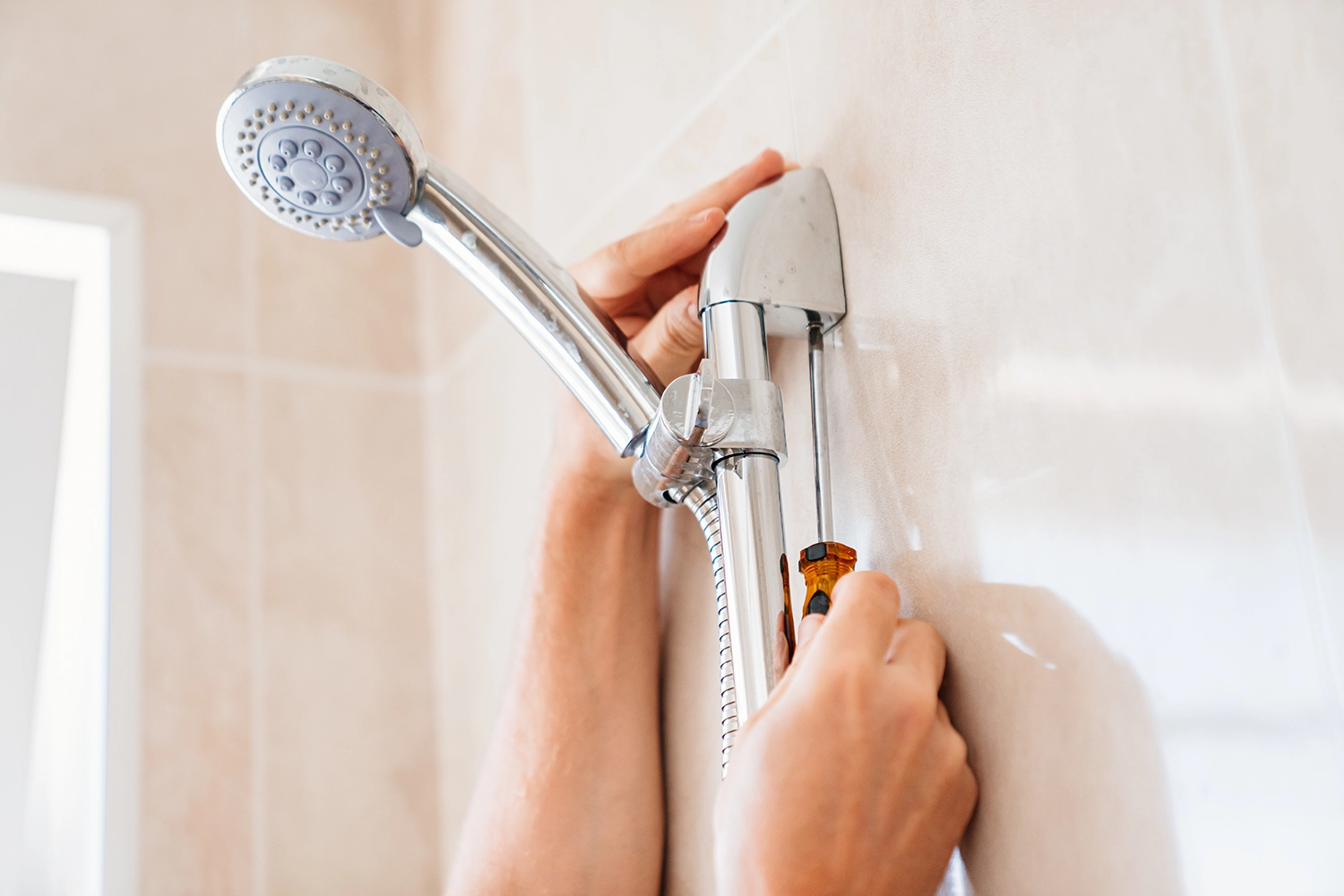
Your shower valve acts as the gatekeeper for hot and cold water flow through your showerhead. When this component breaks, you might get nothing but cold water. Meanwhile, hot water still flows from nearby sinks. The valve’s internal cartridge can wear out over time or develop mineral buildup. Because these valves sit behind your shower wall, diagnosing them requires professional expertise. Also, repairs need specialized tools.
Faulty Temperature Balancing Mechanism
Many modern showers include pressure-balancing or thermostatic valves. These safety features prevent scalding by maintaining consistent water temperature. However, they can malfunction and restrict hot water flow entirely. The internal components may stick in the “cold” position due to sediment buildup. Alternatively, mechanical failure can cause this problem. We regularly encounter these issues throughout the North Shore. This is especially true in homes with hard water that accelerates mineral accumulation.
Broken Anti-Scald Device
Anti-scald devices are safety mechanisms that limit maximum water temperature in showers. Although they serve an important purpose, these devices can fail or become improperly calibrated. When that happens, your shower might deliver only lukewarm or cold water. The anti-scald setting might have been accidentally adjusted too low. Alternatively, internal components may have degraded over time. This affects the device’s ability to regulate temperature correctly.
Water Heater Issues That Affect Your Shower
Sometimes the problem isn’t with your shower at all. Instead, it’s with your water heating system. If you’re experiencing no hot water in shower situations, your water heater might be struggling. In particular, it may not be meeting your home’s demands.
Insufficient Water Heater Capacity
Your water heater has a finite capacity for storing hot water. If someone recently ran the dishwasher, the tank might be temporarily depleted. Similarly, using the washing machine or taking a shower before you can cause this issue. Showers typically require a consistent flow of hot water for several minutes. If your tank is too small for your household’s needs, you’ll frequently run into cold water situations. This is particularly common in growing families. Also, homes where multiple people have similar morning routines experience this problem.
Sediment Buildup in the Tank
Over time, minerals from your water supply settle at the bottom of your water heater tank. This sediment layer acts as insulation between the heating element and the water. As a result, it reduces heating efficiency. As the buildup increases, your water heater struggles to maintain adequate hot water supplies. This especially affects high-demand fixtures like showers. North Shore homes often deal with harder water. Consequently, this accelerates sediment accumulation and can significantly impact hot water availability.
Failing Heating Elements
Electric water heaters contain one or two heating elements that warm the water in your tank. When the upper element fails, you might get a small amount of hot water before it turns cold. If the lower element fails, you may have hot water but not enough to sustain a full shower. Our certified plumbers can diagnose which element is malfunctioning. Then, we determine whether repair or replacement is the most cost-effective solution for your situation.
Plumbing Configuration and Distance Issues
The layout of your home’s plumbing system can also contribute to hot water problems. This happens even when other fixtures work properly and you’re dealing with no hot water in shower scenarios.
Long Pipe Runs
If your shower is located far from your water heater, hot water must travel through considerable pipe length. During this journey, water loses heat, especially during colder months. While this doesn’t typically result in completely cold water, it can create problems. For instance, your shower never quite reaches a comfortable temperature. Additionally, if pipes run through uninsulated spaces like crawl spaces, heat loss becomes even more pronounced. The same thing happens with pipes in exterior walls.
Blocked or Restricted Pipes
Mineral deposits, corrosion, or debris can partially block your hot water pipes over time. This restriction reduces hot water flow to your shower while cold water continues normally. Since cold water pipes typically experience less mineral buildup than hot water pipes, you might notice differences in pressure. For example, strong water pressure when the shower is turned to cold but weak flow when set to hot. A licensed plumber can assess your pipe condition. Then, we recommend appropriate solutions.
What to Check Before Calling a Professional
Before scheduling a service call, there are simple observations you can make. These might save you time and help us diagnose the issue more quickly.
First, test the hot water at other fixtures throughout your home. Turn on bathroom sinks, kitchen faucets, and laundry connections. Check if they’re producing hot water. This information tells us whether the problem is isolated to your shower. Alternatively, it might be affecting your entire hot water system. Next, check if your water heater’s circuit breaker has tripped. Also, see if the pilot light has gone out on a gas unit. If you notice either of these issues, let us know when you call. This information helps us bring the right equipment for your service visit.
Observe your shower handle’s movement through its full range of motion. Occasionally, handles become loose or misaligned. This gives the impression that you’re turning toward hot when you’re actually still in the cold zone. If you have a single-handle fixture, note whether it’s moving smoothly. Also, check if it’s sticking at certain positions.
However, never attempt to take apart your shower valve yourself. Similarly, don’t make internal adjustments on your own. These repairs require specific knowledge and tools. Without proper expertise, you could cause water damage or create safety hazards. A certified technician will properly access and repair these components.
Why Professional Repair Is Essential
When you’re dealing with no hot water in shower problems, professional diagnosis protects your safety. It also protects your investment in your home. Shower valve repairs involve working with components hidden behind your bathroom wall. Because of this, mistakes can lead to significant water damage. Additionally, they can cause mold growth and costly reconstruction. Our licensed plumbers have the expertise to access these components properly. We identify the exact cause of your hot water problem and complete repairs that last.
Water heater issues also require professional attention because of the safety risks involved. Electric water heaters operate at high voltages. Meanwhile, gas units involve combustible fuel and carbon monoxide concerns. Attempting DIY repairs on these systems can result in serious injury. Worse yet, they could cause property damage. When you call Whale Worth It! Plumbing, Heating & Air, you’re getting certified technicians. We understand local building codes, manufacturer specifications, and the unique challenges that North Shore homes present.
We also provide accurate diagnosis that considers your entire plumbing system. What appears to be a simple shower problem might actually indicate a larger issue. For example, it could be your water heater, pressure-regulating valve, or distribution system. Our comprehensive approach ensures we address the root cause rather than just treating symptoms. This gives you reliable hot water for years to come. Proper water heating system maintenance is essential for ensuring consistent performance. The U.S. Department of Energy notes that water heating accounts for a significant share of home energy use, so efficiency matters too.
Get Your Hot Shower Back Today
You shouldn’t have to tolerate cold showers or plan your entire day around when hot water might be available. Our team at Whale Worth It! Plumbing, Heating & Air serves the North Shore with honest, quality service. We get results that last. Whether your shower issue stems from a faulty valve, water heater problem, or plumbing configuration challenge, we have the skills to resolve it. Plus, we have the experience to work efficiently. Contact us today to schedule a diagnostic visit. We’ll restore your comfort with the dependable workmanship our neighbors have come to trust.
Frequently Asked Questions
Why is there no hot water in my shower but hot water everywhere else?
This typically indicates a problem with your shower’s mixing valve or cartridge rather than your water heater. The valve controls hot and cold water flow to your showerhead. When it fails or becomes clogged with mineral deposits, it can block hot water while still allowing cold water through. A licensed plumber can diagnose the specific valve issue. Then, we replace the faulty components.
Can low water pressure cause my shower to have no hot water?
Low hot water pressure can make it seem like you have no hot water when the flow is just extremely weak. This often results from mineral buildup in your hot water pipes. Alternatively, a partially closed shut-off valve can cause this. If your cold water pressure is normal but hot water barely flows, the issue is likely within your hot water distribution system. In other words, it’s not the shower valve itself.
How long should I wait for hot water to reach my shower?
Hot water typically takes 30 to 60 seconds to reach your shower after turning on the faucet. This depends on your home’s layout and pipe configuration. If you’re waiting several minutes or hot water never arrives, you likely have a valve problem. Alternatively, it could be a pipe blockage or water heater issue. Either way, this requires professional diagnosis and repair.
Will replacing my showerhead fix my hot water problem?
Replacing your showerhead will not fix hot water delivery issues. This is because the showerhead doesn’t control temperature or water mixing. The problem lies upstream in your shower valve, water heater, or plumbing pipes. A new showerhead might improve water pressure or spray patterns. However, it won’t resolve why hot water isn’t reaching that point in the first place.