Many homeowners search for quick solutions when faced with a clogged toilet. One popular method involves trying to unclog a toilet with dish soap. While this approach might work for very minor blockages, it’s important to understand when it’s appropriate to try gentle methods. You should also know when to call a licensed plumber. At Whale Worth It, we’ve seen countless clogged toilet situations in North Shore homes. We know that what starts as a simple fix can quickly become a bigger problem without proper expertise.
Dealing with a clogged toilet is never convenient. This is especially true when it happens at the worst possible time. That’s why we’re sharing what we know about this common household concern. We’re also helping you understand the best approach for your situation. Our team is here to provide professional guidance and reliable service whenever you need us.
Why Homeowners Try to Unclog a Toilet With Dish Soap
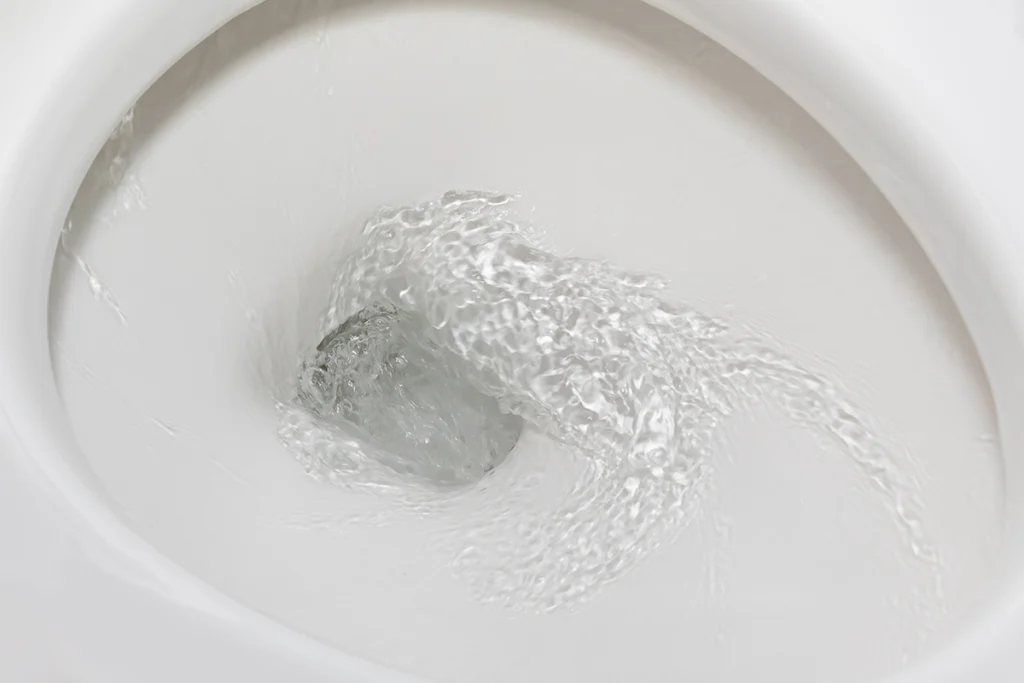
The idea behind using dish soap to address a toilet clog comes from the soap’s lubricating properties. Dish soap breaks down grease and oils. This theoretically could help a minor blockage slide through your plumbing system more easily. When you pour it into a clogged toilet bowl along with hot water, the soap can sometimes create enough slipperiness. This may move very light obstructions along. Many homeowners who attempt to unclog a toilet with dish soap find that it only provides relief for the most minor blockages.
However, this method has extremely limited effectiveness. It only works on the most minor clogs. These typically involve excessive toilet paper rather than foreign objects, sanitary products, or more serious blockages. In fact, many of the calls we receive come from homeowners who tried this method without success. Now they face standing water or worsening conditions.
We understand the appeal of trying a quick fix before calling for help. After all, homeowners naturally want to solve problems independently when possible. Still, it’s important to recognize that plumbing systems are complex. What seems like a simple solution can sometimes mask underlying issues that need professional attention.
Understanding What Actually Causes Toilet Clogs
Before attempting any remedy, it helps to understand why toilets clog in the first place. Most clogs occur in the toilet trap. This is the curved section of the toilet that holds water and prevents sewer gases from entering your home. This U-shaped passage can become blocked when too much material tries to pass through at once.
Common culprits include excessive amounts of toilet paper. Thick or quilted varieties that do not break down quickly are especially problematic. We also frequently see clogs caused by items that should never be flushed. According to the EPA, only human waste and toilet paper should be flushed, while items like baby wipes, feminine hygiene products, dental floss, paper towels, and similar materials belong in the trash.
In older North Shore homes, we sometimes discover that tree roots have infiltrated sewer lines. Aging pipes may have developed buildup that narrows the passage. Occasionally, hard water mineral deposits contribute to recurring clogs. These situations require professional diagnosis. You cannot resolve them with dish soap or other temporary measures.
Warning Signs You Should Not Try to Unclog a Toilet With Dish Soap
If your toilet clogs frequently, this indicates a deeper issue within your plumbing system. You might notice slow drainage, gurgling sounds, or water backing up in other fixtures when you flush. These symptoms suggest that the problem extends beyond a simple blockage in the toilet itself.
Multiple clogged drains throughout your home signal a main sewer line issue. This needs immediate professional attention. Similarly, if you notice sewage odors or see water pooling around the base of your toilet, contact us right away. These situations can cause water damage and health hazards if not addressed promptly.
What Happens When Homeowners Try Common Clog Methods
When homeowners attempt to unclog a toilet with dish soap or other common methods, they may experience temporary relief with extremely minor clogs involving only toilet paper. However, these approaches won’t work on solid objects, substantial blockages, or anything stuck in the trap. They also won’t work on items further down the drain line.
What concerns us as professional plumbers is that homeowners often waste valuable time with ineffective methods while a clog worsens. Meanwhile, standing water can overflow and cause floor damage. The clog can also become more compacted and difficult to remove. We’ve arrived at homes where multiple attempted fixes have actually pushed a blockage deeper into the plumbing system. This makes the professional repair more complicated and costly.
The Risks of Trying to Unclog a Toilet With Dish Soap and Other DIY Methods
Homeowners sometimes try various approaches that can cause real damage. Chemical drain cleaners are particularly problematic for toilets because they’re highly caustic. They can crack porcelain fixtures, especially in older toilets. These harsh chemicals also damage pipes over time. Plus, they create toxic fumes that are dangerous in enclosed bathroom spaces.
Aggressive attempts or using makeshift tools can scratch the toilet bowl. They may also damage the wax ring seal at the base or even crack the porcelain. We’ve seen cases where well-intentioned homeowners created leaks that led to subfloor damage. This is a much more expensive repair than the original clog would have been.
That’s why we always recommend a cautious approach. If gentle attempts don’t resolve the issue quickly, it’s time to call a licensed plumber. They have the proper tools and expertise to handle the situation safely.
How Professional Plumbers Address Toilet Clogs
When you call Whale Worth It for a clogged toilet, our licensed technicians arrive with specialized equipment. This equipment is designed specifically for this purpose. We use professional-grade closet augers (also called toilet augers). These are designed to navigate the toilet trap without damaging the porcelain. These tools can reach clogs that household plungers cannot.
For more stubborn blockages or issues deeper in the plumbing system, we employ drain cameras. These allow us to see exactly what’s causing the problem and where it’s located. This diagnostic technology prevents guesswork. It also ensures we use the right solution for your specific situation. Once we’ve identified the issue, we can use hydro-jetting equipment or other professional methods to clear the line completely.
Our approach goes beyond just clearing the immediate blockage. We assess whether recurring clogs indicate a systemic problem that needs attention. This might include venting issues, pipe deterioration, or problems with your main sewer line. This comprehensive evaluation helps prevent future emergencies. It also saves you money in the long run.
When to Call a Professional Instead of Trying to Unclog a Toilet With Dish Soap
You should contact a licensed plumber immediately in several situations. Call if the water level continues rising and threatens to overflow. Also call if you’ve already attempted basic remedies without success. Contact us if you suspect a foreign object has been flushed. Don’t wait if multiple drains in your home are affected or if you notice sewage backing up.
For North Shore homeowners, calling Whale Worth It means working with a team that understands local plumbing systems. We know the specific challenges that come with our area’s housing stock. We provide honest assessments and reliable solutions. This applies whether you’re dealing with an emergency or need preventive maintenance.
Preventing Future Toilet Clogs
The best approach to toilet clogs is prevention. We advise homeowners to use moderate amounts of toilet paper. Also teach children what’s appropriate to flush. Keep a small wastebasket in the bathroom for items that don’t belong in the toilet. This includes facial tissues, which don’t break down like toilet paper despite seeming similar.
Consider having your plumbing system inspected if you live in an older North Shore home. This is also important if you’ve experienced repeated clogs. Our team can identify potential trouble spots before they become emergencies. Regular maintenance is especially important if your property has mature trees whose roots might infiltrate sewer lines.
If you notice your toilet isn’t flushing with its normal force, pay attention. Also watch if it takes multiple flushes to clear the bowl. These are early warning signs that something isn’t quite right. Addressing these issues proactively is much less stressful. It’s also less expensive than dealing with an emergency at an inconvenient time.
Trust Whale Worth It for Reliable Plumbing Solutions
At Whale Worth It, we understand that plumbing problems are stressful and disruptive to your daily routine. Our team is committed to providing prompt, professional service throughout the North Shore. We respect your home and explain our findings clearly. We also complete repairs efficiently so you can get back to normal life as quickly as possible.
Whether you’re dealing with a stubborn clog right now or want to schedule a plumbing inspection to prevent future problems, we’re here to help. Our licensed plumbers bring years of experience and the right equipment to handle any situation. Don’t let a clogged toilet turn into a bigger problem. Contact us today for fast, dependable service you can trust.
Frequently Asked Questions About How to Unclog a Toilet With Dish Soap
Does dish soap really work to unclog a toilet?
While some homeowners report success when trying to unclog a toilet with dish soap, this method only works for very minor clogs caused by excess toilet paper. However, it’s ineffective for most blockages. It won’t remove solid objects, substantial obstructions, or clogs caused by items that don’t dissolve. For anything beyond the lightest clog, you’ll need professional help. This ensures proper clearing of your drain line and prevents damage.
How long should I wait after pouring dish soap in a clogged toilet?
If you’ve added dish soap and hot water, homeowners typically wait 15-30 minutes to see if the blockage clears. However, if the water level remains high or you see no improvement after one attempt, stop trying DIY methods. Instead, call a licensed plumber. Repeated attempts can push the clog deeper. They can also cause overflow damage to your bathroom floor.
Can I use boiling water to unclog my toilet?
Never use boiling water in your toilet. Extreme temperature changes can crack the porcelain, especially in older fixtures. This results in an expensive replacement. Hot water from your tap is sufficient if you’re attempting gentle methods for minor clogs. For any stubborn blockage, skip home remedies. Instead, contact a professional plumber with proper equipment.
What should I do if my toilet keeps clogging repeatedly?
Frequent toilet clogs indicate an underlying plumbing issue that requires professional diagnosis. The problem could be anything from venting problems to main sewer line obstructions. It might also involve tree root infiltration or deteriorating pipes. We use camera inspection technology to identify the exact cause. Then we recommend the right solution to prevent ongoing problems.