As North Shore homeowners settle into another humid summer, many of us start noticing musty odors, increased dust, or allergy symptoms that seem worse indoors than out. That’s often when the topic of UV light for HVAC comes up. This technology has been used in hospitals and laboratories for decades to reduce airborne contaminants. It’s become increasingly popular in residential heating and cooling systems as well. If you’ve been wondering whether adding ultraviolet light to your HVAC system could improve your indoor air quality, reduce mold growth inside your ductwork, or help your family breathe easier, you’re not alone. We help North Shore homeowners evaluate whether this upgrade makes sense for their home’s unique needs, especially during seasons when humidity and biological growth become more of a concern.
What Is UV Light for HVAC?
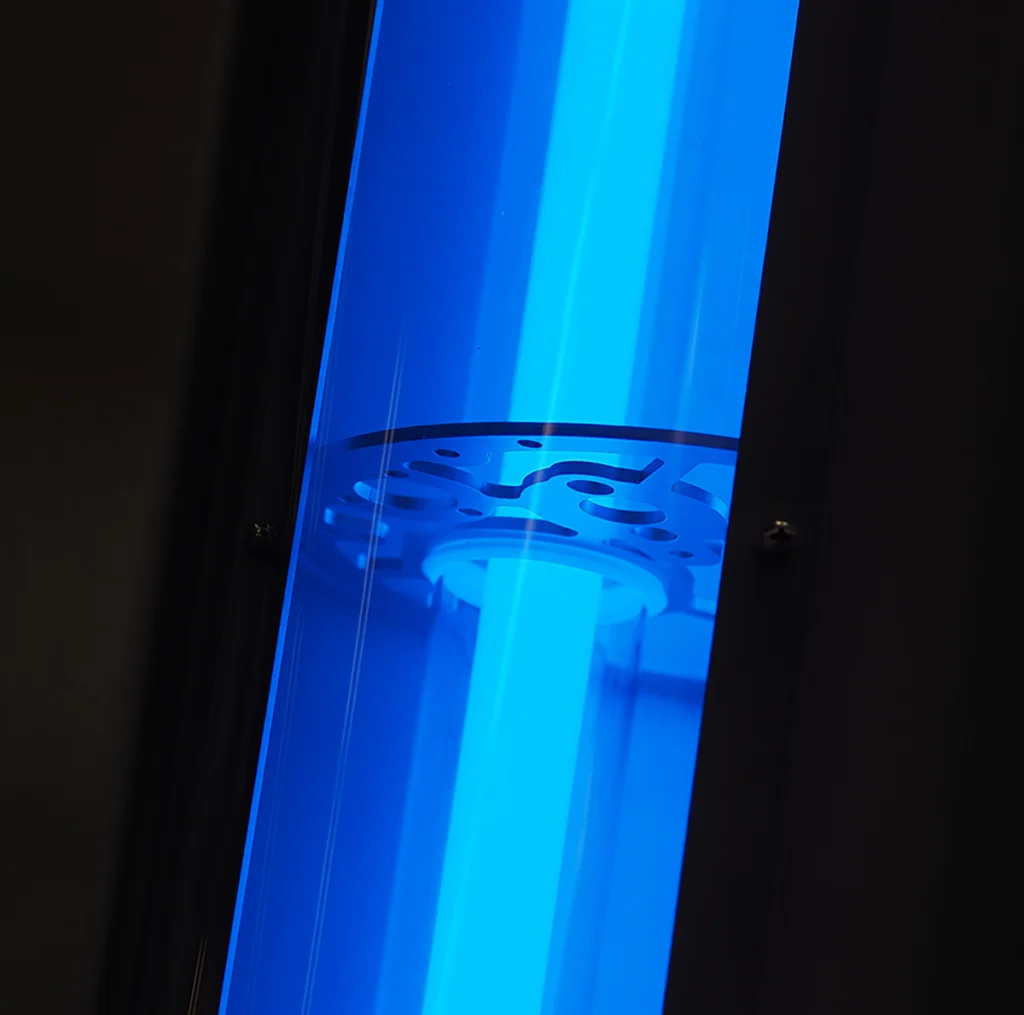
When homeowners across the North Shore notice musty odors, recurring allergy symptoms, or visible mold near their HVAC system, we often recommend inspecting the air handler and ductwork for microbial growth. One increasingly popular solution we install is a UV light system designed specifically for heating and cooling equipment. These specialized lamps use ultraviolet-C (UV-C) energy to target the biological contaminants that thrive in the dark, damp environment inside your system.
Trane explains that UV-C light disrupts the cellular DNA and RNA of microorganisms, preventing bacteria, viruses, and mold from reproducing. Installed near the evaporator coil or inside the return duct, these lights work continuously while your system runs. They reduce microbial buildup that can compromise indoor air quality and restrict airflow. We’ve found that homeowners dealing with unexplained respiratory irritation, lingering odors, or frequent filter clogging often benefit from a professional assessment. That assessment looks at their air handler’s cleanliness and whether UV technology makes sense for their home.
If you’re concerned about what might be growing inside your heating and cooling system, we can inspect your equipment. We’ll discuss whether UV light installation is the right step for healthier indoor air.
How UV Light Improves Air Quality
UV light technology works at the molecular level to improve the air circulating through your home. When installed inside your HVAC system, these specialized bulbs emit ultraviolet-C radiation. That radiation disrupts the DNA of microorganisms passing through your air handler and ductwork. This process neutralizes mold spores, bacteria, viruses, and other biological contaminants before they can multiply on your evaporator coil. It also stops them from spreading throughout your living spaces. The result is cleaner air and a system that stays cleaner longer.
Beyond disinfection, UV lights can also support HVAC performance. Properly installed UV systems can help reduce microbial buildup that coats your coils and restricts airflow. When we evaluate homes in the North Shore, MA area, we often find that older systems without UV protection show organic growth, especially during humid summers. ASHRAE’s filtration and disinfection resources include technical information on UV-C, in-duct air disinfection, filtration, and other air-cleaning options that help inform indoor air quality best practices.
We can assess whether your air handler configuration, humidity levels, and indoor air quality concerns make you a good candidate for UV installation. Using professional diagnostic tools, we’ll inspect your existing ductwork and coil condition. Then we’ll explain which UV wavelength and placement would target your specific contaminants. We’ll also ensure the system integrates safely with your HVAC equipment.
Signs Your HVAC Could Benefit from UV Light
We’ve seen homeowners overlook some telltale signals that their HVAC system is harboring microbial growth. UV light treatment could make a real difference in these cases. If you’ve noticed a musty or moldy smell whenever your air conditioner kicks on, that’s often the first clue. Those odors typically mean mold, mildew, or bacteria are thriving somewhere in the system. They most commonly grow on the evaporator coil or in the drip pan where moisture collects. Even if you can’t see it, the smell alone is enough to warrant a closer look.
Another warning sign is an uptick in allergy or respiratory symptoms among family members. Sneezing, congestion, or irritated eyes may seem worse indoors. HVAC systems circulate air continuously, so if biological contaminants are growing inside, they’re being distributed throughout your home with every cycle. We also see visible mold or slime around vents, grilles, or inside the air handler cabinet. That confirms the problem has progressed beyond just odor.
If any of these symptoms sound familiar, we can inspect your HVAC system. We’ll assess the extent of microbial growth and determine whether installing a UV light for HVAC will effectively address the issue and improve your indoor air quality.
What to Expect During UV Light Installation
When you schedule a UV light installation with us, one of our certified HVAC technicians will begin by evaluating your existing system. They’ll determine the optimal placement for maximum effectiveness. This assessment includes measuring your ductwork dimensions, inspecting airflow patterns, and identifying the section of your system where airborne contaminants are most concentrated. That’s typically near the evaporator coil or in the main return duct.
We’ll discuss which type of UV light system best suits your home’s needs. That might be a coil-sterilization unit or an air-sterilization model. The installation itself involves securely mounting the UV lamp housing, cutting precise access points if needed, and connecting the unit to a dedicated power source. We follow proper electrical safety protocols throughout. We’ll also explain the maintenance schedule, including how often the bulbs need professional replacement to maintain their germicidal effectiveness. That’s usually every 12 to 24 months depending on the model.
After installation, we’ll verify that the UV light is positioned correctly and operating at the right intensity. We’ll walk you through what you’ve gained and answer any questions about caring for your newly enhanced HVAC system. If you’re ready to improve your indoor air quality, schedule a visit to arrange an assessment.
Is UV Light for HVAC Right for Your Home?
Deciding whether UV light installation makes sense for your home depends on several practical factors. Older homes with limited ventilation, persistent moisture issues, or outdated ductwork often benefit most from UV technology. These conditions create ideal environments for microbial growth. If anyone in your household experiences respiratory sensitivities, unexplained allergy symptoms indoors, or frequent illness, a UV system may address underlying air quality concerns. Traditional filtration alone can’t always solve these problems.
Your existing HVAC system type also matters. Central forced-air systems with accessible coil chambers are straightforward candidates for UV retrofits. Ductless mini-splits or radiant heating may require different approaches. Homes that have experienced past mold remediation, recurrent musty odors near vents, or visible biological growth on cooling coils are often strong candidates. UV light can prevent recurrence after professional cleaning.
We evaluate each home individually because no two systems or households are identical. We assess your current HVAC configuration, indoor air quality history, and specific concerns. That helps us determine whether UV light installation would deliver meaningful value. Call us to schedule an inspection and discuss whether this technology fits your North Shore home’s needs.
Get Expert Guidance on HVAC UV Light Systems
You now understand how UV light technology works, the symptoms of poor indoor air quality it can address, and the factors that determine whether it’s the right solution for your home. Armed with that knowledge, you’re ready to make a confident decision about improving your home’s air and protecting your HVAC investment.
We help North Shore, MA homeowners evaluate their air quality concerns and recommend solutions that match their specific needs and system configurations. If you’re looking for a broader way to address dust, odors, humidity, or airborne contaminants, our indoor air quality solutions can help you explore options beyond UV light alone. We can inspect your existing HVAC setup, assess duct conditions, and measure airflow patterns. Then we’ll determine the optimal placement and wattage for a UV light installation.
Spring and early summer are the ideal times to schedule these upgrades. That’s before the hottest months when demand for HVAC services spikes and availability tightens. Give us a call today to book your consultation and get ahead of the busy season. We’ll make sure your home is ready with cleaner air and a healthier system when you need it most.
Frequently Asked Questions
How long does a UV light for HVAC last before needing replacement?
Most UV bulbs need professional replacement every 12 to 24 months to maintain germicidal effectiveness, even if they still glow. The ultraviolet-C output gradually decreases over time. That reduces your system’s ability to neutralize mold and bacteria. We can inspect your UV system and replace bulbs on schedule.
Does UV light in HVAC systems really kill mold and bacteria?
Yes, UV-C light disrupts the DNA of microorganisms. It prevents mold, bacteria, and viruses from reproducing on your evaporator coil and inside ductwork. This germicidal effect works continuously, reducing microbial buildup that causes odors and poor air quality. We install UV systems positioned where contaminants concentrate for maximum effectiveness.
Can I install a UV light in my existing HVAC system?
Most central forced-air systems with accessible air handler cabinets can accommodate UV light retrofits. Ductless mini-splits may require different approaches. Our technicians evaluate your ductwork, coil placement, and electrical access to determine the best installation method. We’ll recommend the option that fits your home’s unique layout.
How much energy does a UV light for HVAC use?
UV lamps typically consume between 25 and 100 watts, similar to a standard incandescent bulb running continuously. Properly installed UV systems can actually reduce overall energy use by keeping coils cleaner and maintaining better airflow. We select appropriately sized units that balance effectiveness with efficiency.