If you’ve noticed white residue on your faucets, cloudy glassware, or soap that doesn’t lather easily, hard water could be responsible. These symptoms often develop when calcium and magnesium minerals accumulate in your home’s water supply. A water softener system for your home use can help reduce these problems by removing the minerals that cause hardness.
Hard water is generally not considered a health hazard, but mineral scale can affect plumbing fixtures, water heaters, and household appliances. Some homeowners also notice soap residue on their skin or hair after washing.
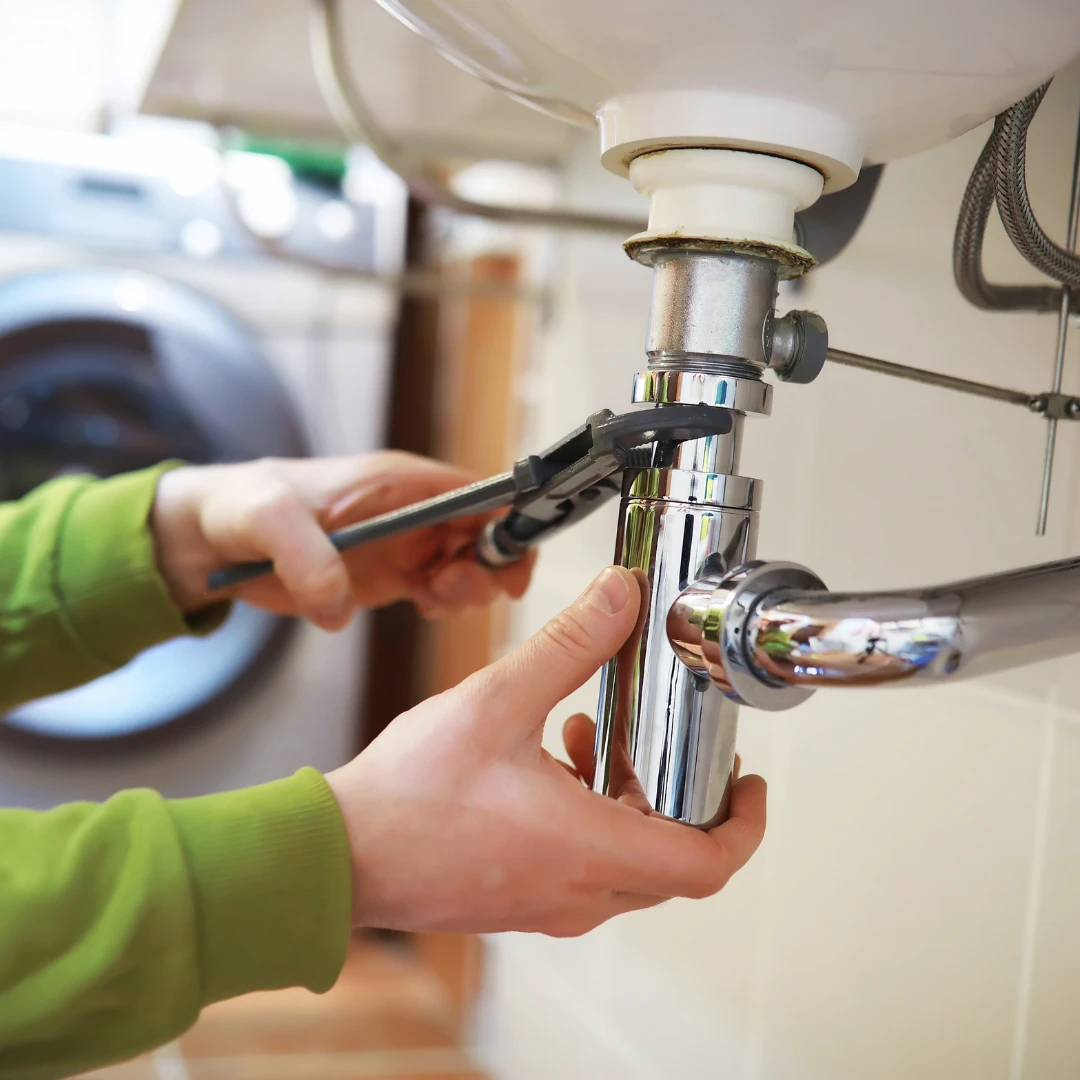
That’s why many North Shore homeowners consider installing a water softener. The right system can reduce scale buildup and improve how soaps and detergents perform. At Whale Worth It, we help homeowners evaluate their water quality, choose suitable treatment equipment, and understand what professional installation involves.
What Is a Water Softener System for Your Home?
A water softener system for your home use is a plumbing appliance designed to reduce the calcium and magnesium minerals that cause water hardness. These dissolved minerals can leave scale deposits inside pipes, water heaters, and household appliances.
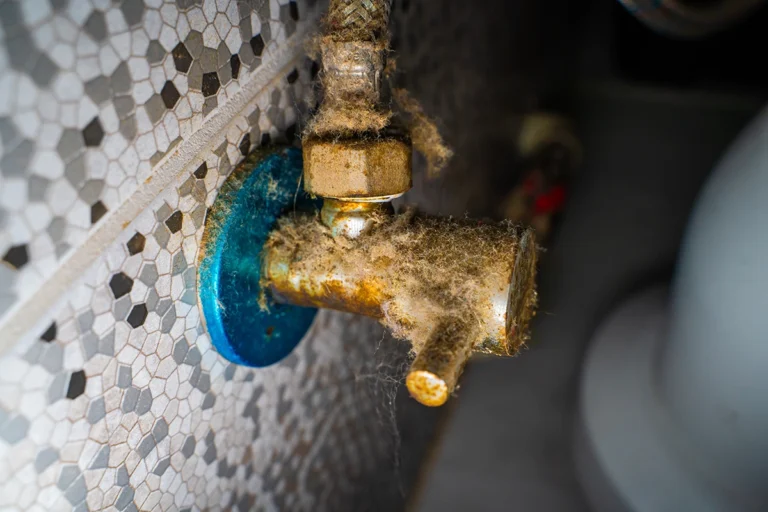
If you’ve noticed chalky residue around faucets, cloudy shower doors, or soap that doesn’t lather easily, hard water may be contributing. The U.S. Geological Survey (USGS) explains that hard water can create mineral deposits and reduce the effectiveness of soaps and detergents.
Water hardness varies depending on the source and local water chemistry. Some North Shore homes use municipal water, while others rely on private wells. Groundwater naturally absorbs minerals as it moves through soil and rock. Understanding how well water works can help homeowners recognize why mineral concentrations differ between properties.
Most residential salt-based water softeners use a process called ion exchange. Inside the system, resin beads exchange calcium and magnesium ions for sodium or potassium ions. This reduces water hardness before the treated water enters the home’s plumbing.
Over time, the resin becomes loaded with hardness minerals and needs regeneration. During this process, a brine solution restores the resin’s softening capacity, and the displaced minerals are flushed to a drain.
Regeneration uses water and salt, but the amount varies by system efficiency, water hardness, and household demand. Proper sizing and demand-based controls can help reduce unnecessary regeneration cycles.
When you’re considering a water softener, we can evaluate your water hardness and household needs. Then, we’ll recommend an appropriate system and explain the installation and maintenance requirements.
Signs Your Home Could Benefit from a Water Softener
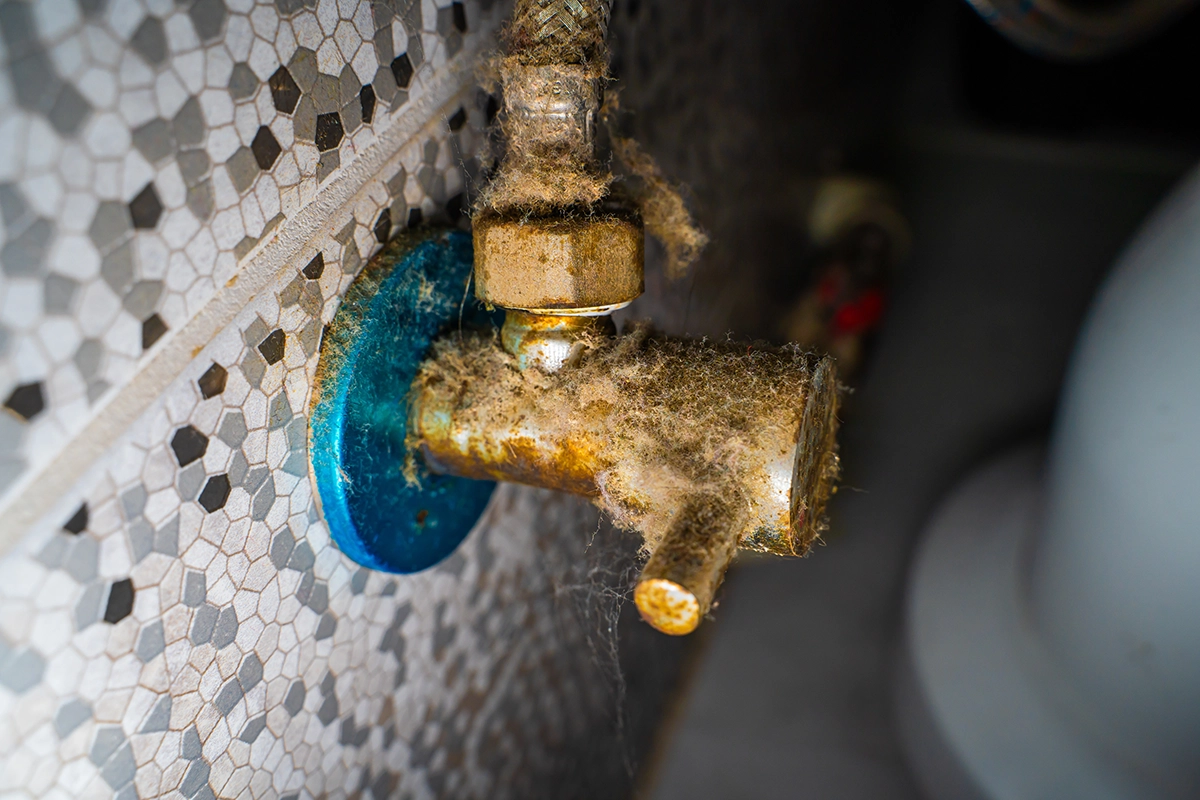
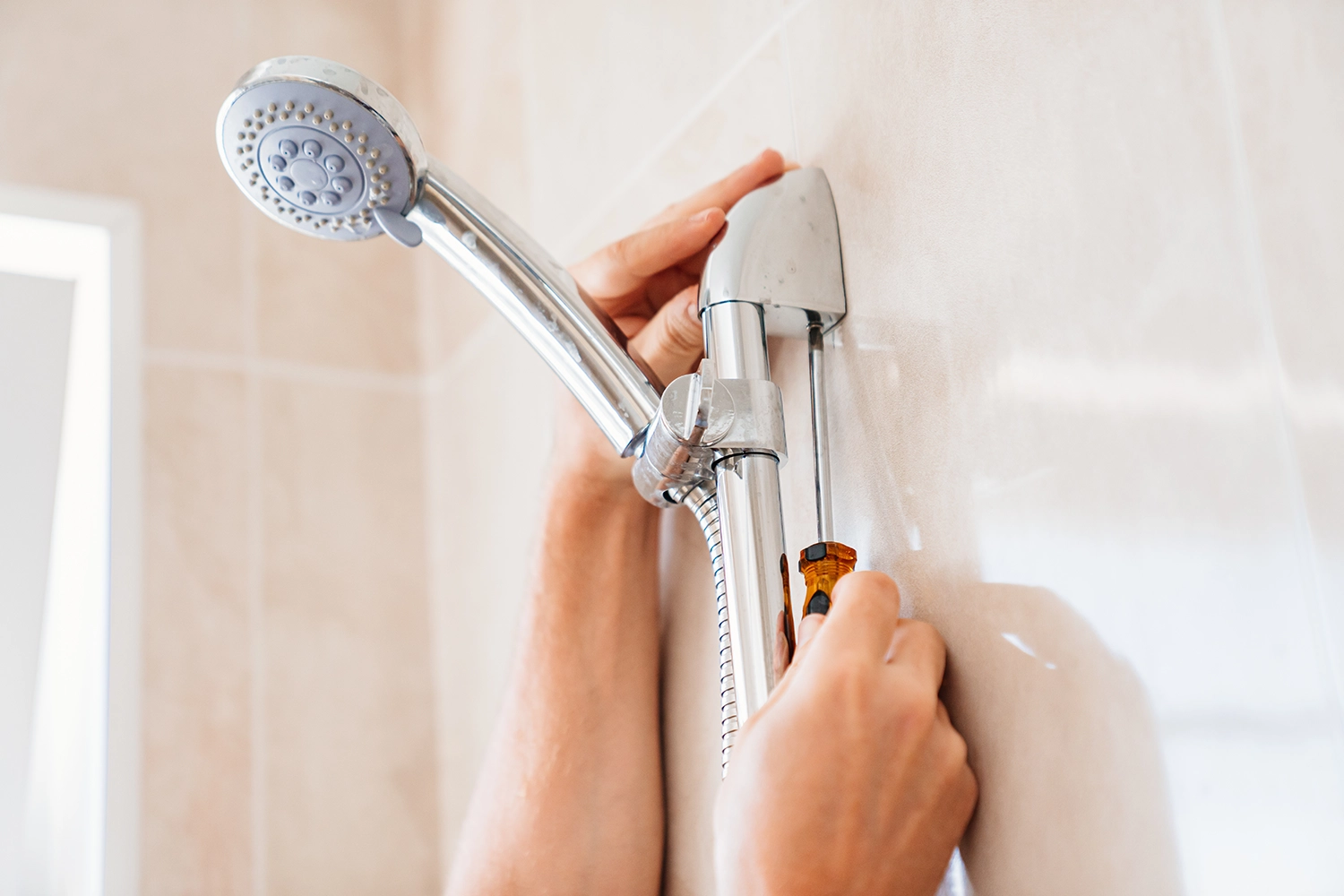
Hard water can leave noticeable signs throughout your home. You may see white mineral deposits around faucets, showerheads, or inside your kettle. Dishes and glassware may also develop cloudy spots after washing.
Soap and shampoo may not lather as easily as expected. In some cases, mineral residue and soap scum can leave skin or hair feeling different after bathing. Laundry may also feel stiff or appear dull after repeated washing.
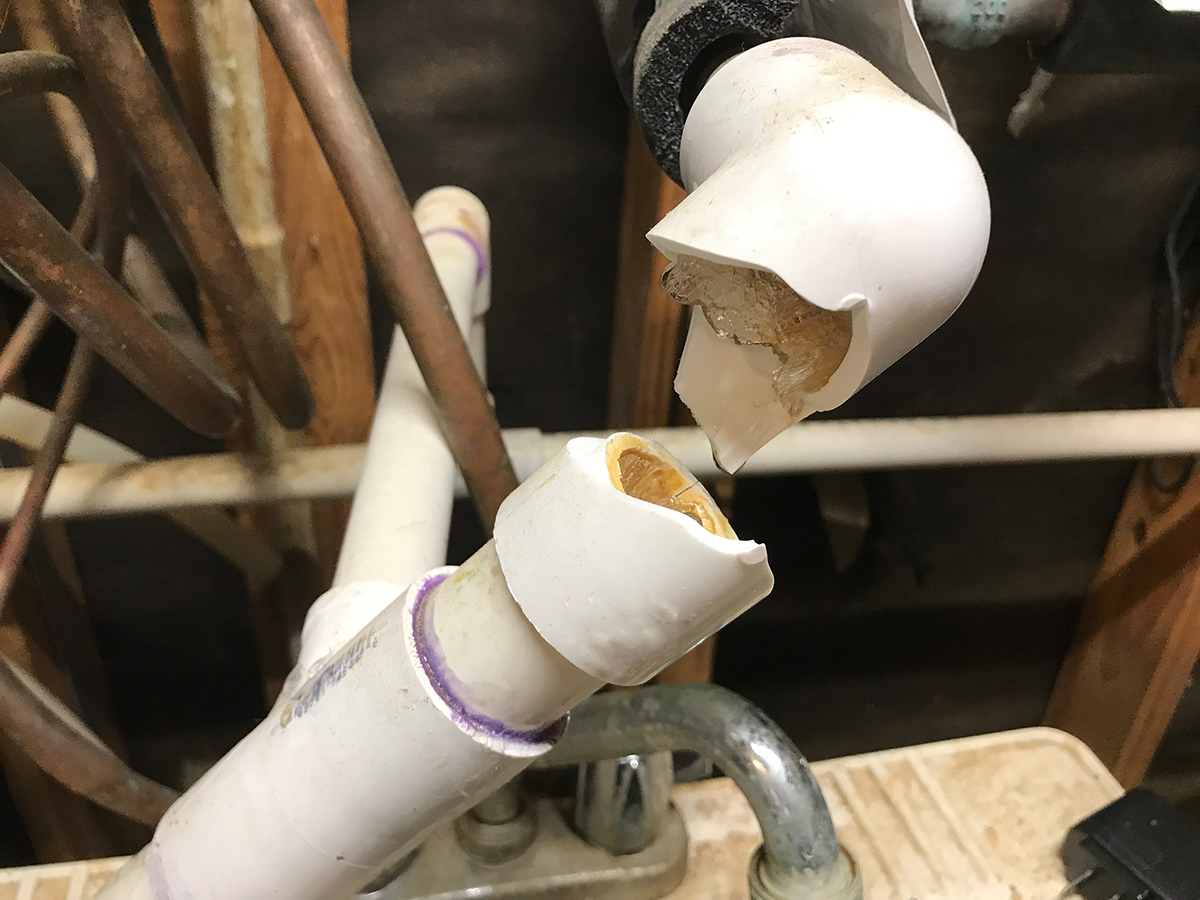
Over time, hardness minerals can accumulate inside water heaters and other water-using appliances. Scale deposits may reduce heat transfer efficiency and contribute to maintenance problems. If your water heater takes longer to heat up, mineral buildup may be one possible factor.
However, these symptoms don’t always mean hard water is the only cause. Poor cleaning performance, appliance problems, and unusual residue can have several explanations.
If you’re noticing these issues, testing can determine whether a whole home water softener system makes sense. We evaluate your water hardness, household demand, and plumbing setup before recommending treatment.
This helps ensure that the equipment addresses your actual water-quality concerns rather than an assumed problem.
How Does a Whole Home Water Softener System Work?
A water softener system for your home reduces hardness through a process called ion exchange. As water passes through the softener, calcium and magnesium ions are exchanged for sodium or potassium ions held by specialized resin.
The Environmental Protection Agency (EPA) explains that cation exchange softeners remove hardness minerals through this exchange process. This treatment can help reduce scale deposits and improve the performance of soaps and detergents.
However, conventional water softeners aren’t designed to remove every contaminant or improve all aspects of water quality. Additional filtration or treatment may be necessary for concerns such as sediment, certain metals, or unwanted tastes and odors.
The Core Components of a Water Softener System
Most conventional salt-based water softeners have three main components.
The mineral tank contains resin beads that exchange sodium or potassium ions for calcium and magnesium. As untreated water passes through the resin, the hardness minerals attach to the beads.
The brine tank stores salt and water used to create the regeneration solution. During regeneration, the brine helps release accumulated hardness minerals from the resin.
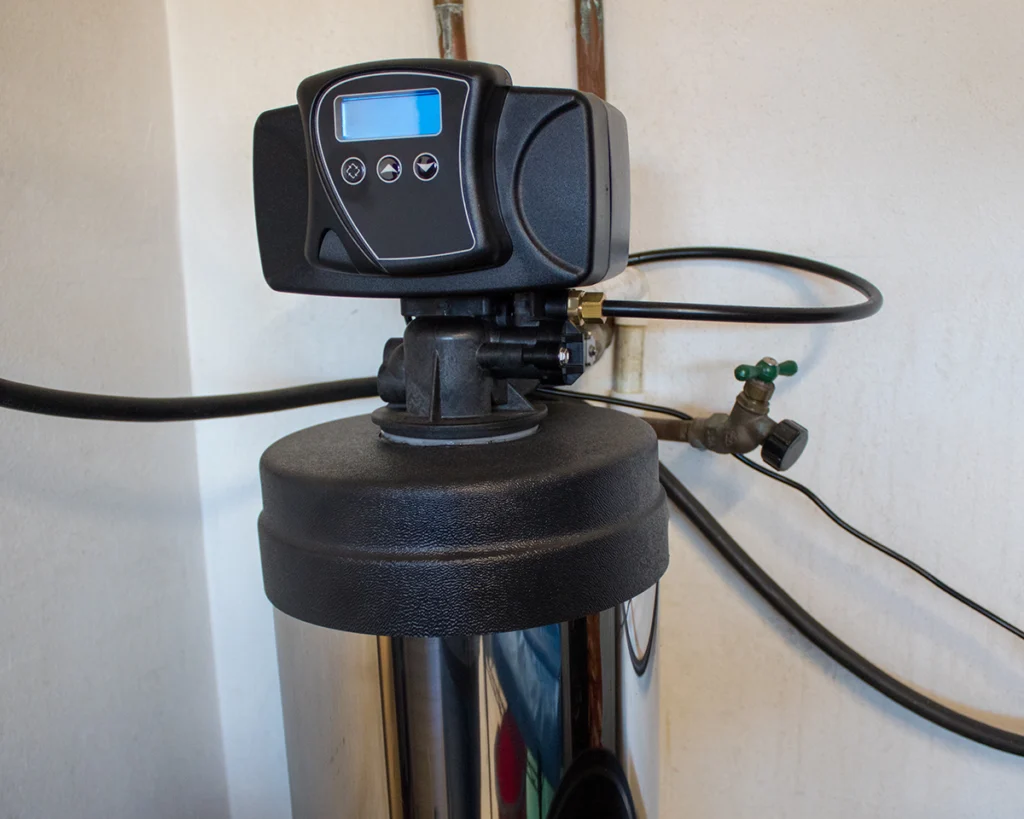
The control valve directs water through the system and manages the regeneration process. Some models use demand-initiated controls that track water consumption. Others regenerate according to a programmed schedule.
These components work together to soften water and restore the resin’s treatment capacity when needed.
What Happens During Normal Water Softener Operation?
During normal operation, hard water enters the mineral tank and passes through the ion exchange resin. Calcium and magnesium ions attach to the resin while sodium or potassium ions enter the treated water.
The softened water then flows into the plumbing lines connected to the system. Depending on the installation, certain fixtures may bypass the softener.
As the resin becomes saturated with hardness minerals, its ability to soften water decreases. The control valve eventually initiates regeneration based on the system’s settings.
During regeneration, brine passes through the resin and replaces the collected hardness minerals with sodium or potassium ions. The displaced minerals and excess brine are then flushed through the drain connection.
Once regeneration and rinsing are complete, the system returns to normal operation. The amount of water treated between cycles depends on resin capacity, incoming hardness, and household consumption.
Professional Whole Home Water Softener System Installation
If you’re tired of mineral buildup, cloudy dishes, and stubborn soap residue, a water softener may be the solution. At Whale Worth It, we help North Shore homeowners find water treatment systems that fit their household needs and plumbing setup.
Our licensed plumbers can evaluate your water quality, explain your options, and recommend a system suited to your home. Through our water filtration services, we help homeowners address water-quality concerns with treatment solutions tailored to their needs.
A properly selected whole home water softener system can reduce scale buildup and make everyday tasks like cleaning, laundry, and bathing easier. With professional installation, you’ll have a system designed to deliver reliable performance.
Ready to improve your home’s water quality? Contact Whale Worth It today to schedule a consultation. Our team is ready to help you find the right water treatment solution for your home.
Frequently Asked Questions
How do I know if I need a whole home water softener system?
Common signs include mineral deposits on faucets, cloudy glassware, reduced soap lather, and stiff laundry. Scale may also accumulate inside water heaters and other appliances. However, these symptoms aren’t enough to confirm water hardness. Testing your water can help determine whether a softener is necessary and what system capacity would be appropriate for your home.
What does a whole home water softener system actually remove from water?
A conventional water softener primarily removes calcium and magnesium ions through ion exchange. It replaces these hardness minerals with sodium or potassium ions, depending on the type of regeneration salt used. This reduces scale formation and helps soaps and detergents work more effectively. However, a standard softener doesn’t remove every contaminant, so additional filtration may be necessary for other water-quality concerns.
How often does a water softener need maintenance?
Water softeners need regular attention to maintain performance. The Environmental Protection Agency (EPA) provides home maintenance guidance for water treatment systems, while specific salt checks, brine tank cleaning, and servicing intervals depend on the manufacturer’s instructions. Following the recommended maintenance schedule and periodically checking water hardness can help confirm that the system is operating properly.
Will a water softener make my drinking water taste salty?
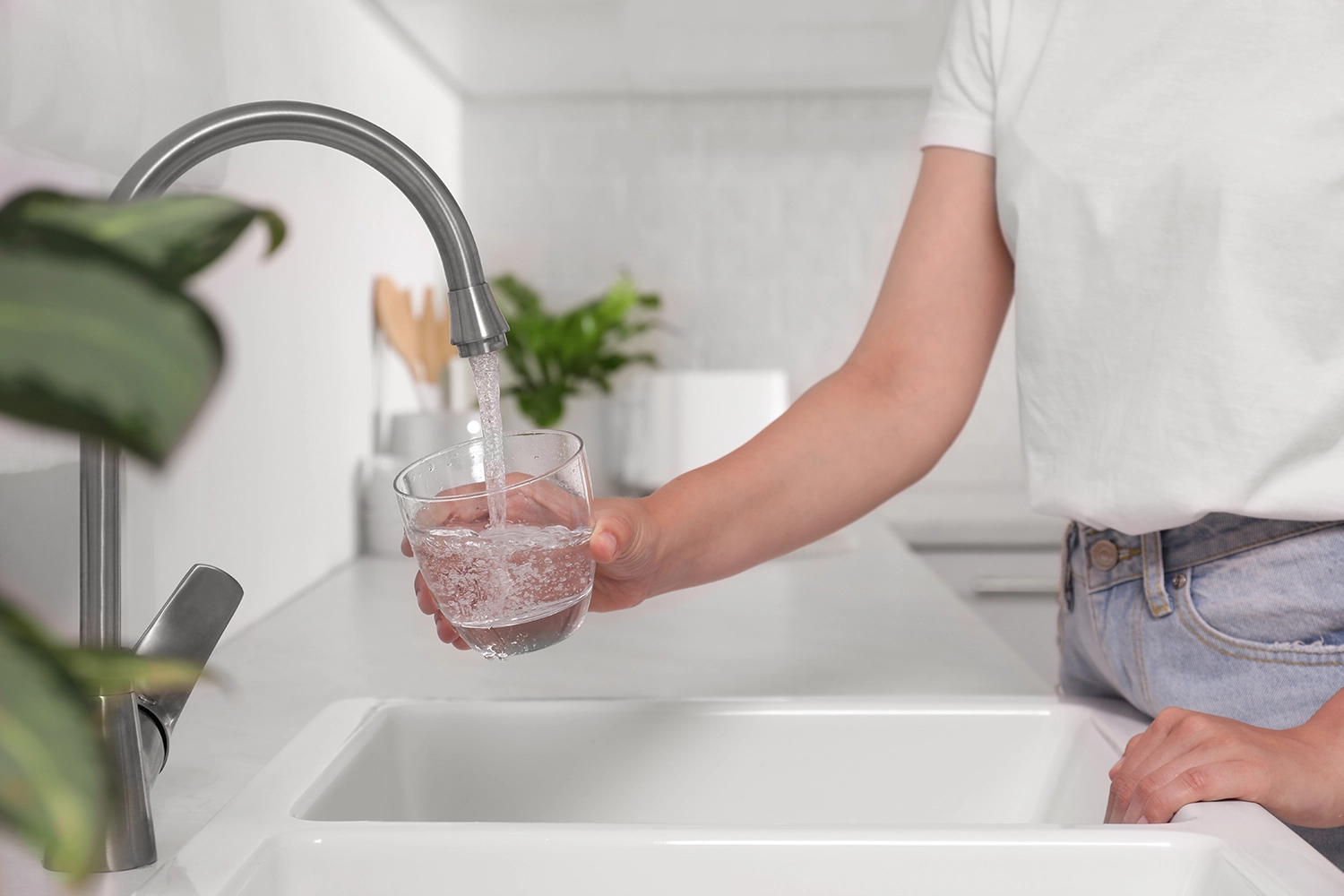
Most properly functioning water softeners don’t make drinking water taste noticeably salty. However, sodium-based systems add some sodium during ion exchange, and the amount depends on the water’s original hardness. Homeowners following sodium-restricted diets should consider this added sodium when choosing treatment equipment. Potassium chloride can be an alternative, although it may not suit everyone’s dietary needs. A separate reverse-osmosis drinking-water system or an unsoftened drinking-water line may also be appropriate.