If you’ve ever connected a garden hose to the side of a building, you’ve used a hose bib—even if you didn’t know the name. In plumbing terms, it’s the exterior faucet that supplies water for outdoor use. At Whale Worth It! Plumbing, Heating & Air, we get asked questions about these fixtures constantly, both from homeowners and commercial property managers. That’s why we put together this simple, no-nonsense guide to explain how it works, what to watch for, and why it matters.
What Is a Hose Bib, Exactly?
A hose bib is an outdoor water valve designed to connect directly to a hose. It’s sometimes called an outdoor faucet, sillcock, or spigot. However, plumbers usually use “hose bib” as the umbrella term.
Unlike indoor faucets, these fixtures are exposed to weather. Because of that, they’re more vulnerable to freezing, wear, and hidden leaks. That exposure is why proper installation and seasonal care matter so much.
According to guidance on fixing leaking outdoor faucets from the U.S. Environmental Protection Agency, even small exterior leaks can waste significant water.
How Hose Bibs Work
At its core, this exterior valve controls water flow from your main plumbing system to the outdoors. When you turn the handle, a valve opens and allows pressurized water through.
That said, not all of these fixtures are built the same. Some shut off water right behind the wall. Others extend deeper into the building, which helps prevent freezing. Understanding which type you have can save you from costly repairs later.
Types of Hose Bibs You’ll See
Not all exterior faucets are built the same. The design, shutoff location, and added safety features vary depending on climate, building type, and how the fixture is used. Below are the most common styles you’ll run into.
Standard Hose Bib
This is the most basic style. The shutoff valve sits close to the exterior wall. While common, it’s also the most freeze-prone in cold climates.
Frost-Free Hose Bib
A frost-free hose bib places the shutoff valve several inches inside the building. As a result, water drains out after each use. This design dramatically lowers freeze risk.
Commercial-Grade Hose Bib
In commercial settings, these fixtures often include vacuum breakers, heavier brass bodies, or locking handles. These features protect against backflow and unauthorized use.
Why Hose Bibs Fail So Often
Even high-quality hose bibs can fail without proper care. Over time, washers wear out. Threads corrode. Freezing water expands and cracks internal parts.
Additionally, hoses left connected during winter are a major problem. Trapped water freezes, backs up, and damages the valve. This is one of the most common issues we see in the field.
Common Hose Bib Problems to Watch For
-
Dripping when the valve is off
-
Water leaking inside the wall
-
Cracked or broken handles
-
Reduced water pressure
-
Water spraying from the stem
If you notice any of these signs, it’s best to act quickly. Small issues at the exterior faucet often turn into big water damage problems.
How Freezing Affects a Hose Bib
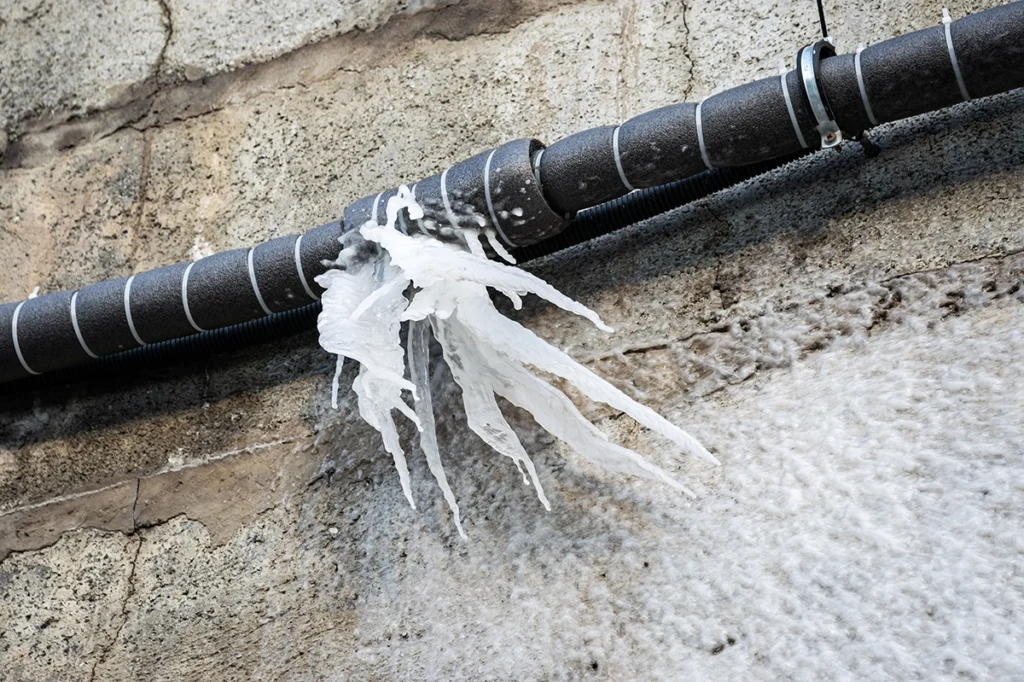
Freezing is the biggest enemy of any hose bib. When water freezes, it expands. That expansion can split the valve body or the connected pipe.
The U.S. Department of Energy’s recommendations for preventing frozen pipes explain why exposed plumbing needs protection before temperatures drop.
If you’ve ever worried about winter plumbing, this is where it often starts. We’ve seen frozen exterior valves lead to burst pipes that only show up after thawing. That’s why we often recommend reading our guide on how to tell if pipes are frozen before temperatures are expected to drop.
When to Shut Off or Drip a Hose Bib
In colder regions, shutting off exterior water lines is smart. Many buildings have an interior shutoff specifically for this fixture. Once closed, the outdoor valve should be opened to drain leftover water.
In borderline conditions, some property owners ask whether dripping helps. The answer depends on temperature and exposure. Our article on when to drip faucets breaks down when dripping actually helps, when it doesn’t, and how to do it properly.
Installing or Replacing a Hose Bib
Replacing a hose bib isn’t always a simple swap. Access behind the wall, pipe material, and building type all matter. In commercial buildings, backflow regulations may also apply.
Because of that, professional installation is often the safest route. A properly installed exterior faucet reduces leak risk and improves long-term reliability.
Maintenance Tips That Actually Work
Simple habits can extend the life of a hose bib:
-
Disconnect hoses before winter
-
Install insulated covers in cold climates
-
Test for leaks each spring
-
Replace worn washers early
These steps take minutes. However, they can prevent thousands in water damage.
Why We See Hose Bib Issues So Often
These fixtures are easy to overlook. They’re outside. They’re simple. Until something goes wrong, they don’t get much attention.
Unfortunately, that’s exactly why failures happen. Regular checks make a real difference.
When to Call a Professional
If a hose bib leaks inside the wall, won’t shut off, or froze previously, it’s time to call a pro. DIY fixes can help temporarily, but hidden damage often goes unnoticed.
Our team handles repairs and replacements as part of everyday service calls. If you’re unsure what’s happening, it’s always better to ask.
Final Thoughts
A hose bib may seem like a small plumbing detail, but it plays a big role in preventing leaks and freeze damage. Whether you manage a home or a commercial property, understanding how this exterior valve works helps you avoid expensive surprises.
If you’d like help inspecting, repairing, or replacing one, contact us at Whale Worth It! Plumbing, Heating & Air. We proudly serve the North Shore, MA and surrounding areas, and we’re always happy to help you stay ahead of plumbing problems—before they turn into emergencies.
FAQ: Hose Bib Basics
Before we wrap up, here are a few quick answers to common questions we hear.
They’re often the same thing. “Hose bib” is the plumbing term, while “spigot” is more casual.
Yes. If water is trapped inside, freezing can still occur.
Often, yes. Many require backflow prevention or locking features.
With proper care, many last 10–20 years. What is the difference between a hose bib and a spigot?
Can a hose bib freeze even if it’s turned off?
Do commercial buildings need special hose bibs?
How long does a hose bib usually last?