For most homeowners, understanding gas vs electric water heater which is best comes down to faster recovery time and lower operating costs over the life of the unit. That said, when you’re comparing gas vs electric water heater which is best for your situation, electric water heaters often win when a home doesn’t already have a gas line, when installation space is tight, or when upfront cost matters more than long-term savings. We help North Shore families weigh both options based on their home’s infrastructure, hot water demand, and budget. Because every household uses hot water differently, the right answer depends on how your home is set up and what you need from your system day to day.
Gas vs Electric Water Heater: Which Is Best?
When replacing a water heater, the choice between gas and electric usually depends on your existing utilities, hot water demand, installation budget, and long-term operating costs. Gas models generally reheat water faster, which can benefit households that use several fixtures or appliances within a short period. Electric models are often easier to install because they do not require gas piping or combustion venting.
Determining gas vs electric water heater which is best for your home starts with examining what your property already supports. A home with an existing natural gas line and suitable venting may be well positioned for a gas model. Meanwhile, an all-electric home may avoid unnecessary conversion costs by installing another electric unit.
Whale Worth It helps North Shore homeowners compare both options based on their current setup and daily hot water use. By looking at fuel availability, available space, household size, and installation requirements, we can help you choose a system that fits your home.
How Gas and Electric Water Heaters Work
Gas and electric water heaters both maintain a stored supply of hot water, but they use different heating methods.
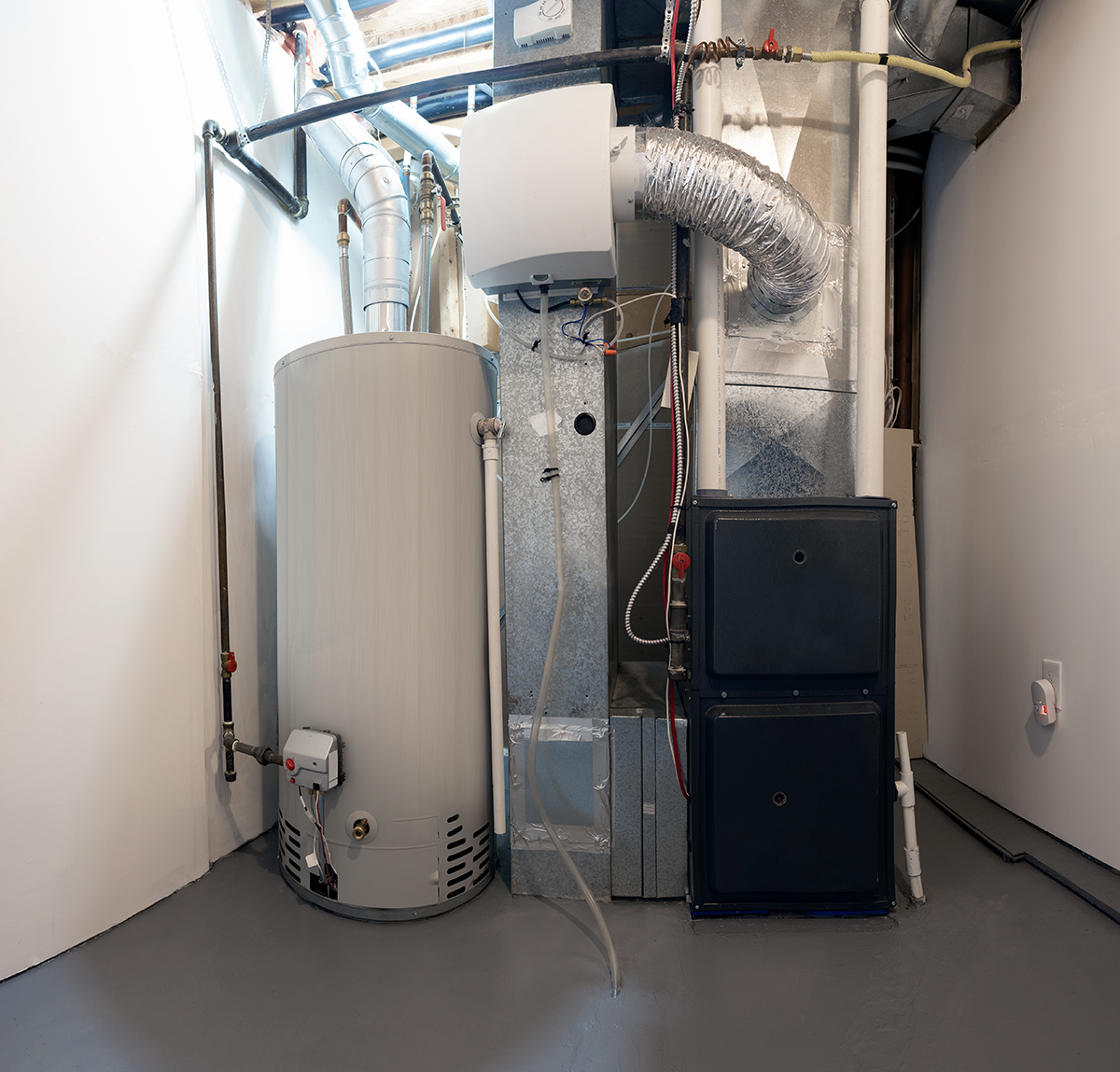
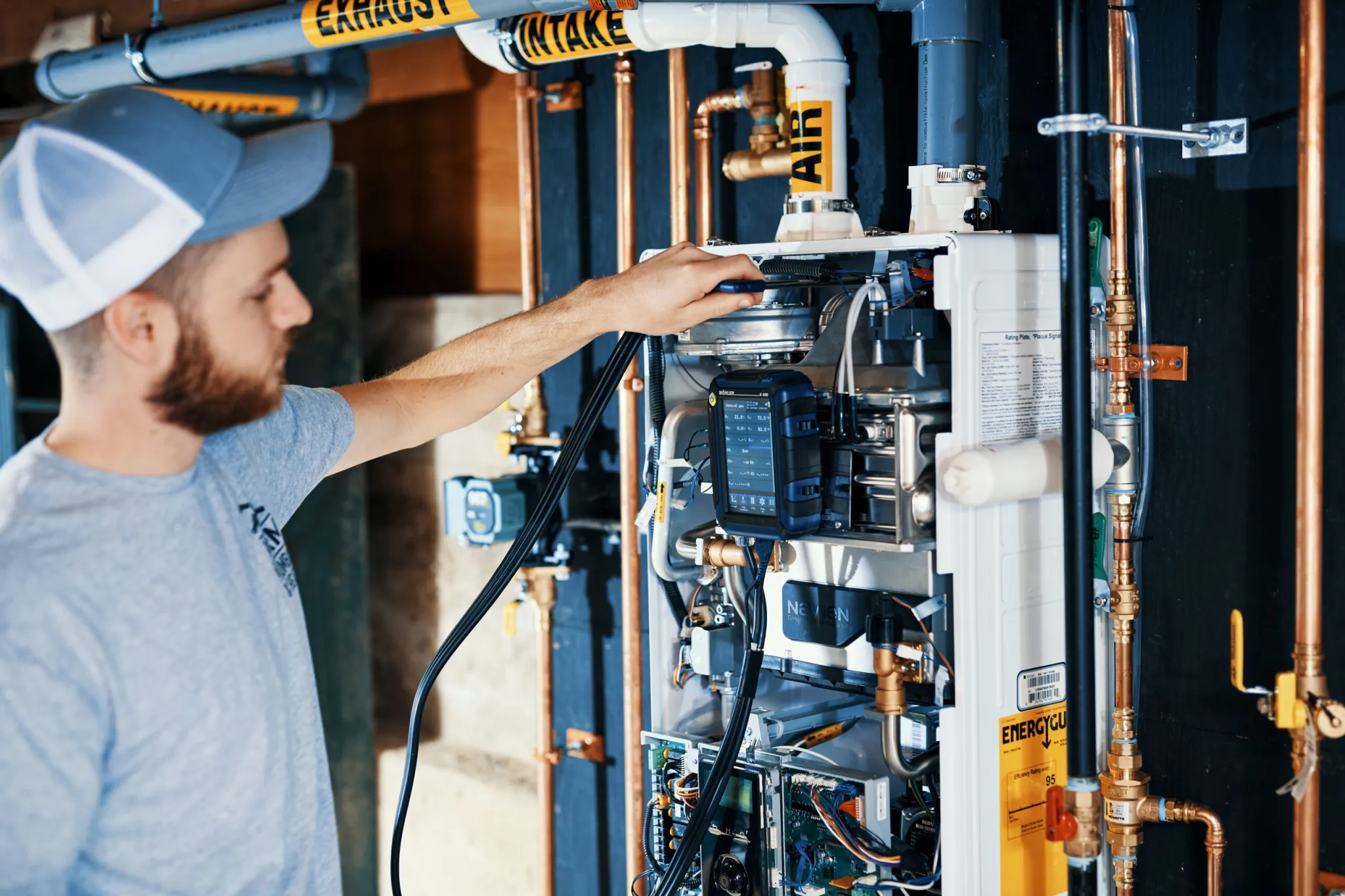
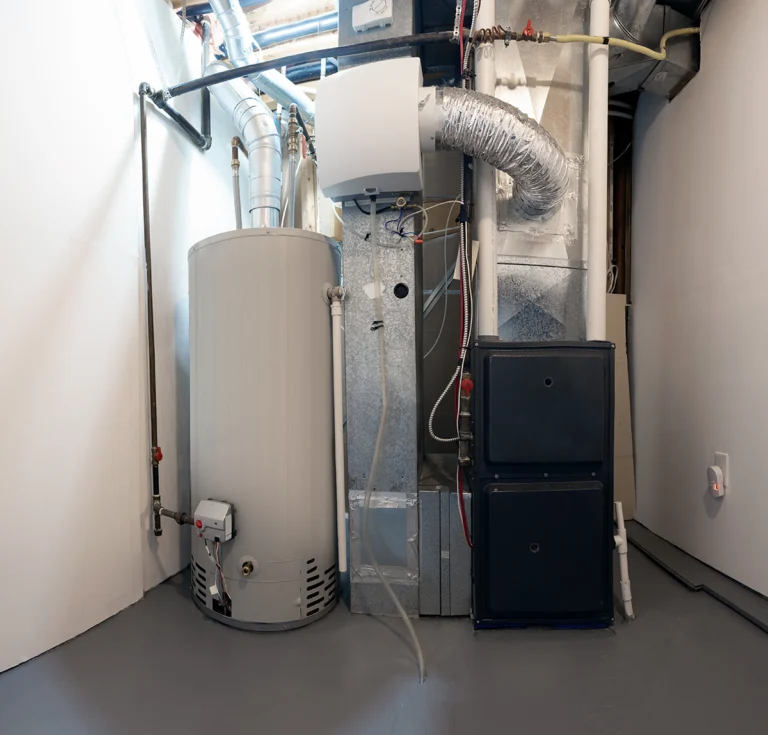
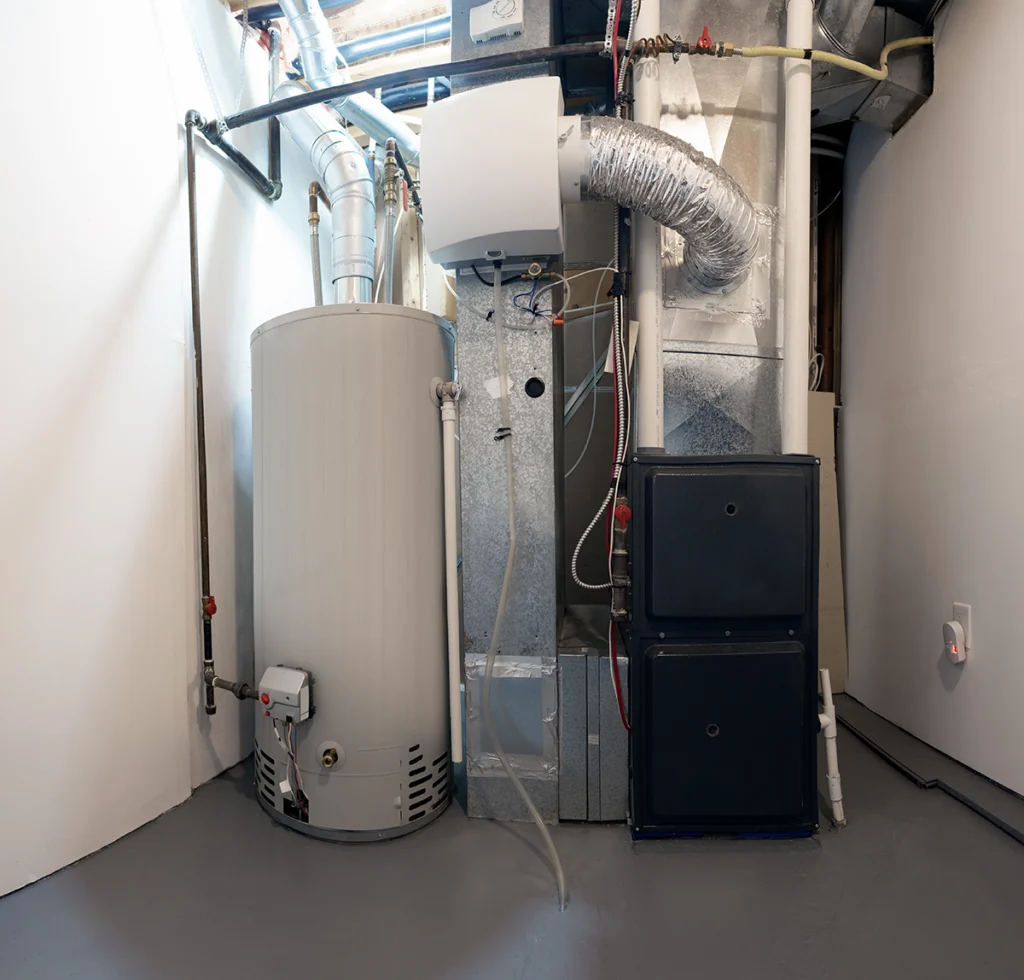
A gas water heater uses a burner beneath the tank. Natural gas or propane flows to the burner, where a pilot light or electronic ignition starts combustion. The resulting heat warms the water, while combustion gases travel through a flue and vent safely outside. Because the burner produces intense heat, gas models generally reheat a depleted tank faster.
An electric water heater uses one or two resistance heating elements inside the tank. Electricity flows from the home’s circuit panel to the thermostats, which activate the elements as needed. Electric models do not create combustion gases, so they require no flue or combustion-air supply.
This difference in heating method affects recovery speed, placement, efficiency, and installation requirements. Gas units usually recover faster, while electric units provide simpler operation without an on-site combustion system.
Gas vs Electric Water Heater Performance and Efficiency
In most cases, gas water heaters have faster recovery rates, meaning they can reduce how long a water heater takes to heat up after several showers, a dishwasher cycle, or a load of laundry. This can make gas a practical choice for larger households or homes with concentrated periods of heavy demand.
Electric resistance models usually recover more slowly. However, they transfer a larger percentage of the energy they consume directly into the water. Gas units lose some heat through the exhaust vent, which lowers their efficiency even though they often reheat the tank faster.
According to ENERGY STAR, the Uniform Energy Factor measures overall water heater efficiency, with a higher rating indicating a more efficient model. Homeowners should compare the UEF ratings of similarly sized water heaters within the same usage category.
Operating costs depend on local utility rates, household usage, tank size, and the efficiency of the selected model. Natural gas may cost less than electricity per unit of energy, but that does not automatically make every gas model less expensive to operate. High-efficiency condensing gas units and heat-pump water heaters can also change the comparison significantly.
Therefore, homeowners should compare both the efficiency rating and estimated annual operating cost instead of judging a system only by its fuel source.
Installation Requirements for Gas and Electric Water Heaters
Your home’s existing infrastructure may determine which water heater is the most practical choice.
An electric water heater generally needs a dedicated 240-volt circuit. Depending on the unit, the circuit may require approximately 30 to 50 amps. If the electrical panel lacks sufficient capacity, the installation may require a panel or circuit upgrade. Electric units do not need gas piping, combustion air, or an exhaust vent, which gives homeowners more flexibility when choosing an installation location.
A gas water heater requires an active natural gas line or propane supply. It also needs an approved venting system to carry combustion gases outdoors. Conventional models may use a vertical flue, while certain high-efficiency models use PVC venting that can run through an exterior wall.
Switching fuel types can add considerably more work. Converting from electric to gas may require new piping, venting, permits, and utility coordination. Converting from gas to electric may require a new circuit or greater electrical-panel capacity.
Before installation, the available fuel connections, electrical capacity, venting path, clearances, and local code requirements should all be evaluated. Staying with the home’s existing fuel type is often the simplest option, unless another system provides enough long-term benefit to justify the conversion.
Lifespan, Maintenance, and Long-Term Costs
A conventional electric tank water heater typically lasts about 10 to 15 years, while a gas model commonly lasts approximately 8 to 12 years. However, water quality, installation quality, household demand, and maintenance can all affect the actual service life.
Both types can develop sediment at the bottom of the tank, anode rod deterioration, corrosion, or problems with the water heater pressure relief valve. They may also experience anode rod deterioration, corrosion, valve problems, or a water heater leaking from the bottom. Periodic flushing and inspection can reduce buildup and reveal developing problems before the tank fails.
Electric models have fewer components related to combustion. Their common repair issues include failed heating elements, thermostats, high-temperature cutoff switches, and electrical connections.
Gas models require additional attention to the burner, ignition system, gas control valve, combustion-air supply, and exhaust vent. These components must operate correctly to maintain safe combustion and proper venting.
The better long-term value is not necessarily the model with the lowest purchase price. Homeowners should also consider installation requirements, expected operating expenses, maintenance needs, anticipated repairs, and how long they plan to remain in the home.
Which Water Heater Is Best for Your Home?
A gas water heater may be the better fit when the home already has natural gas service, suitable venting, and substantial hot water demand. Its faster recovery rate can help households that regularly take back-to-back showers or use several hot-water appliances during the same period.
An electric water heater may make more sense for an all-electric home, a smaller household, or a property where adding gas piping and venting would be difficult. Electric units also have fewer combustion-related components and offer greater flexibility in where they can be installed.
Household size alone should not determine the decision. Usage patterns also matter. A family that uses most of its hot water during a short morning window may need faster recovery. Another household may use the same total amount throughout the day and experience no difficulty with an electric model.
Ultimately, answering gas vs electric water heater which is best requires balancing daily demand with the infrastructure already available. Whale Worth It can inspect your North Shore home, compare installation requirements, and provide a detailed estimate for the options your property supports. Our installation work is backed by a workmanship warranty, and financing options are available.
Get Expert Help Choosing Your Water Heater
Choosing between a gas or electric water heater isn’t just about comparing two appliances—it’s about finding the right fit for your home’s infrastructure, your household’s hot water demands, and your long-term budget. Every home on the North Shore has different plumbing configurations, energy hookups, and usage patterns. We’ve seen plenty of situations where the “better” choice on paper turned into headaches down the road because it didn’t match the home’s reality. That’s why we recommend scheduling a consultation with our licensed plumbing team before making your final decision. Getting professional guidance on gas vs electric water heater which is best for your specific home can save you time, money, and future frustration.
When you call Whale Worth It, we’ll walk through your current setup and measure your household’s peak demand. We’ll inspect your utility connections and help you weigh the upfront installation factors against long-term operating costs. We’ll explain which option works with your existing venting and electrical capacity, discuss efficiency ratings that make sense for your usage, and provide a detailed estimate. This accounts for all the installation variables—no surprises, no guesswork. We also offer financing options to help spread out the investment in a quality system that will serve your family reliably for years.
Getting the water heater decision right the first time protects your investment and avoids costly retrofits. It also sets you up for lower utility bills and fewer service calls over the system’s lifespan. Our installation work is backed by our workmanship warranty, and we’re here to support you long after the job is done. Give us a call today for a professional recommendation tailored to your home.
Gas Water Heater vs Electric Water Heater: Side-by-Side Comparison
| Feature | Gas Water Heater | Electric Water Heater |
|---|---|---|
| Heating method | Uses a natural gas or propane burner | Uses electric resistance heating elements |
| Recovery speed | Generally reheats water faster | Generally reheats water more slowly |
| Installation requirements | Requires a fuel connection, combustion air, and proper venting | Requires a dedicated electrical circuit but no combustion vent |
| Upfront installation | May cost more when gas piping or venting changes are needed | Often simpler when adequate electrical service is already available |
| Energy efficiency | Loses some heat through combustion exhaust; compare individual models using UEF | Transfers most resistance heat directly to the water; compare individual models using UEF |
| Operating costs | Depend on local gas rates, efficiency, and household usage | Depend on local electricity rates, efficiency, and household usage |
| Recovery during heavy use | Often better suited to concentrated periods of high demand | May require careful sizing for households with heavy peak demand |
| Maintenance needs | Tank maintenance plus inspection of the burner, ignition system, gas controls, and venting | Tank maintenance plus inspection of heating elements, thermostats, and electrical connections |
| Installation flexibility | Limited by fuel-line and venting access | Can offer more placement flexibility because no combustion vent is required |
| Best fit | Homes with existing gas service and substantial peak hot water demand | All-electric homes or properties where gas piping and venting are impractical |
Frequently Asked Questions
Which is better for my home — a gas or electric water heater?
Gas may be better for a home with existing natural gas service and heavy hot water demand because it generally provides faster recovery. Electric may be better when the home has no gas line or when simpler installation is the priority.
Do gas water heaters cost more to run than electric models?
Not necessarily. Natural gas may cost less per unit of energy, while electric models generally convert energy into heat more efficiently. Actual operating costs depend on utility rates, household usage, tank size, and the efficiency of the specific model.
Can I switch from electric to gas or gas to electric?
Yes, but converting may require infrastructure upgrades. A gas installation may need new fuel piping and venting, while an electric installation may require a dedicated circuit or electrical-panel upgrade.
How long do gas and electric water heaters last?
Electric tank water heaters often last 10 to 15 years, while gas models commonly last 8 to 12 years. Water quality, demand, installation, and maintenance can significantly affect either system’s lifespan.