If you’re exploring more energy-efficient ways to heat water in your home, you may be wondering what is a heat pump water heater. Unlike traditional water heaters that generate heat directly, these innovative systems work more like a refrigerator in reverse. They move heat from the surrounding air into the water tank. This technology can significantly reduce your energy consumption and monthly utility bills. Plus, it still provides all the hot water your household needs. At Whale Worth It, we help North Shore homeowners understand their options and choose the best water heating solution for their comfort and budget.
How Heat Pump Water Heaters Work
When considering what is a heat pump water heater, it’s important to understand the technology behind it. A heat pump water heater uses electricity to transfer heat rather than generate it. The system pulls warm air from the space around it. Then it uses a compressor and refrigerant to intensify that heat and transfer it into the water tank. Because it’s moving existing heat instead of creating it from scratch, this process requires much less energy than conventional electric resistance heating.
The unit typically sits on top of or alongside a storage tank, much like a traditional water heater. Inside the heat pump mechanism, a fan draws in ambient air. This air passes over an evaporator coil containing refrigerant. The refrigerant absorbs the heat and evaporates into a gas. That gas then moves through a compressor, which raises its temperature even higher. Finally, the hot refrigerant passes through a condenser coil wrapped around or inside the water tank. This transfers its heat to the water.
After releasing its heat, the refrigerant returns to liquid form and cycles back through the system. Meanwhile, the cooler air that’s left over gets exhausted back into the room. In fact, this byproduct of cool, dehumidified air can be a bonus in warmer months. However, it means the unit works best in spaces that stay between 40°F and 90°F year-round.
What Makes Heat Pump Water Heaters Different?
Traditional electric water heaters use heating elements submerged in the tank that get hot and warm the water directly. Gas water heaters burn natural gas or propane to heat the water. Both methods consume significant energy because they’re creating heat from scratch. Understanding what is a heat pump water heater helps you see why it’s different—it simply relocates heat that already exists in the air rather than generating new heat.
This difference matters for your wallet. According to the Department of Energy, heat pump models can be two to three times more energy-efficient than standard electric water heaters. That’s because for every unit of electricity they consume, they can move multiple units of heat. Of course, actual savings depend on your household’s hot water usage, local electricity rates, and climate conditions.
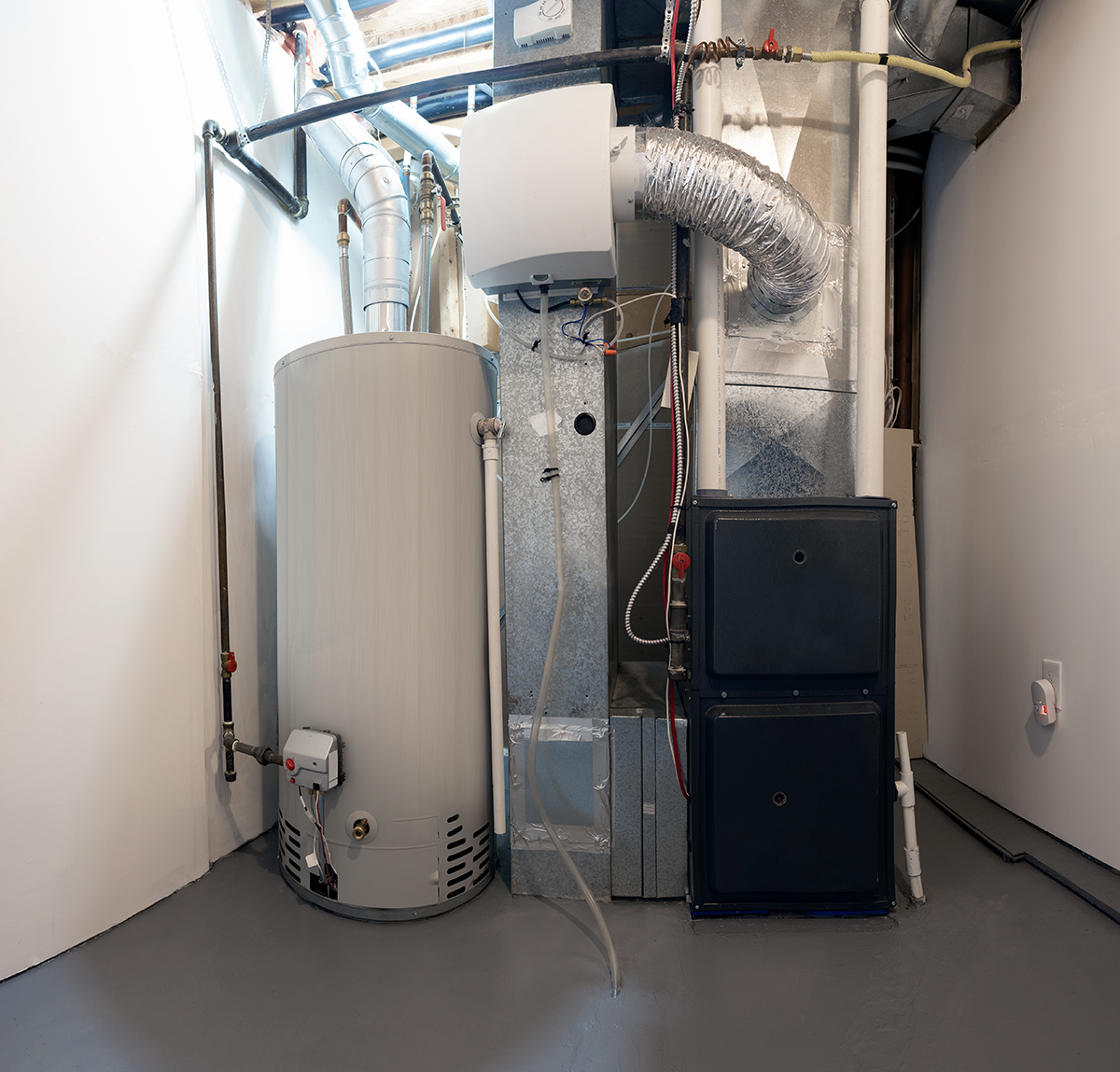
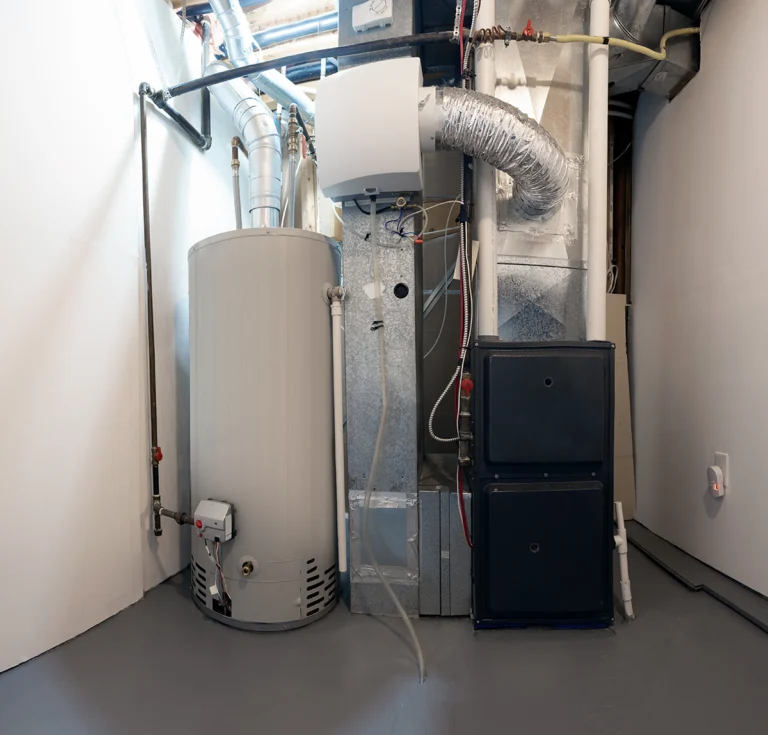
The units are also generally larger than traditional water heaters. This is because they include both the heat pump mechanism and the storage tank. You’ll need adequate vertical clearance and sufficient air space around the unit for proper operation. Basements, garages, and utility rooms often work well. However, tight closets may not provide enough room.
Energy Efficiency and Environmental Benefits
One of the biggest advantages of heat pump water heater technology is the reduced environmental impact. Because these systems use less electricity to produce the same amount of hot water, they generate fewer carbon emissions. This is especially important as more of the grid shifts toward renewable energy sources.
Many models also qualify for federal tax credits, state rebates, or utility incentives. These programs recognize the energy savings and encourage homeowners to upgrade from older, less efficient equipment. We can help you navigate available incentives in the North Shore area and determine what you might qualify for.
Keep in mind that efficiency ratings matter. Look for units with a high Uniform Energy Factor (UEF), which measures how efficiently a water heater uses fuel over a typical year. The higher the UEF, the more efficient the system.
When a Heat Pump Water Heater Makes Sense for Your Home
Not every home is an ideal candidate for this technology. Therefore, it’s worth considering your specific situation. If you currently have an electric water heater and your utility bills are high, switching to a heat pump model could deliver meaningful savings. Since heat pump systems are most effective in moderate climates, they tend to perform well in our North Shore environment. However, placement matters.
You’ll want a location that maintains a relatively stable temperature year-round. Unheated spaces that drop below 40°F in winter may cause the system to work harder. They might also switch to backup resistance heating, which reduces efficiency. On the flip side, placing the unit in an area that tends to stay warm can actually improve performance. For example, near a furnace or water heater, there’s more ambient heat to draw from.
Space requirements are another consideration when evaluating what is a heat pump water heater and whether it fits your home. The unit needs adequate clearance for airflow, typically around 1,000 cubic feet of air space. If you’re working with limited room, a traditional tank or tankless system might fit better. Our team can assess your available space and recommend the most practical option during an in-home consultation.
Installation Considerations
Installing a heat pump water heater is more complex than swapping out a traditional tank. The unit requires proper electrical connections, condensate drainage, and sufficient airflow. Some installations may also need modifications to your existing plumbing or electrical panel. This is especially true if you’re upgrading from a gas water heater.
Professional installation ensures the system operates safely and efficiently from day one. Our licensed technicians understand local building codes and manufacturer specifications. As a result, you can trust that the job is done right. We’ll also walk you through the operating modes and maintenance needs so you get the most from your investment.
Depending on your home’s layout and existing infrastructure, installation typically takes several hours to a full day. We’ll discuss timing and any necessary preparation during your estimate. This way, there are no surprises.
Maintenance and What to Expect
Like any water heating system, a heat pump water heater needs periodic maintenance to perform at its best. During regular maintenance visits, we’ll check and clean the air filter. This is important since it can collect dust and debris. A clogged filter reduces airflow and forces the system to work harder. Consequently, this cuts into those efficiency gains.
The condensate drain also requires professional attention. As the unit removes moisture from the air, that water needs somewhere to go. If the drain line gets blocked, it can cause leaks or system shutdowns. Regular inspections help catch these issues before they become problems.
You may also notice the unit makes more noise than a traditional water heater. The compressor and fan create a low hum similar to a refrigerator or dehumidifier. Most homeowners adjust quickly. However, if the unit is near living spaces, sound levels are worth considering during placement.
Operating Modes and Backup Heating
Many heat pump water heaters offer multiple operating modes. Efficiency mode maximizes energy savings by relying solely on the heat pump. Hybrid or auto mode uses the heat pump most of the time. However, it switches to electric resistance heating during periods of high demand. Electric or boost mode works like a traditional electric water heater. It heats water quickly but uses more energy.
This flexibility means you won’t run out of hot water during a busy morning. This is true even if the heat pump can’t keep up on its own. However, frequent use of backup heating reduces overall efficiency. Therefore, it’s worth sizing the system appropriately for your household’s needs from the start.
Is a Heat Pump Water Heater Right for You?
Ultimately, the decision comes down to your priorities, home setup, and budget. If long-term energy savings and environmental benefits appeal to you, and you’re still asking yourself what is a heat pump water heater and whether it’s worth the investment, the answer is often yes when you have suitable space and climate conditions. The higher upfront cost typically pays for itself over time through lower utility bills. This is particularly true if you qualify for rebates or incentives.
On the other hand, a traditional or tankless model might make more sense in certain situations. For instance, if your home has limited installation space or stays very cold in winter. Also, if you need a quick, budget-friendly replacement for a failed water heater, conventional options might work better right now.
At Whale Worth It, we don’t push one solution over another. Instead, we take the time to understand your household’s hot water needs. We evaluate your home’s layout and explain the pros and cons of each option. Our goal is to help you make an informed decision that fits your lifestyle and budget. If you’re ready to explore whether a heat pump water heater is the right choice for your North Shore home, contact us today. Our experienced team is here to answer your questions, provide a detailed estimate, and handle the installation with the care and professionalism you deserve.
Frequently Asked Questions
How much does a heat pump water heater cost to install?
Heat pump water heater installation costs vary based on the unit, home layout, and any needed plumbing or electrical updates. Federal tax credits, state rebates, and utility incentives may help lower the upfront cost.
Do heat pump water heaters work in cold climates?
Heat pump water heaters can work in cold climates, but they perform best in spaces that stay between 40°F and 90°F. In colder areas, they may use backup electric heating more often, which can reduce efficiency.
How long do heat pump water heaters last?
A heat pump water heater usually lasts 10 to 15 years with proper maintenance. Regular filter cleaning, professional inspections, and prompt repairs can help the system last longer.
Are heat pump water heaters noisy?
Heat pump water heaters make a low hum from the fan and compressor, similar to a refrigerator or dehumidifier. Most units are quiet enough for utility rooms, basements, and garages, but placement matters near bedrooms or living areas.