If you’ve ever examined your home’s plumbing, you’ve probably come across galvanized pipes. You might wonder: does galvanized steel rust? The short answer is yes—but not in the way you might expect. Galvanized steel has a protective layer of zinc. This coating shields the underlying steel from corrosion. Over time, however, that protective coating wears away. Once it does, the steel underneath can begin to rust. Here at Whale Worth It, we see this happen frequently in older North Shore homes. Understanding how and why does galvanized steel rust can help you make informed decisions about your plumbing system.
What Is Galvanized Steel and How Does It Work?
Galvanized steel is regular carbon steel with a layer of zinc coating. The zinc goes on through a process called galvanization. This zinc layer acts as a barrier that corrodes first. In other words, it protects the steel beneath it from exposure. The zinc coating shields the steel from moisture, oxygen, and other elements that cause rust. That’s why galvanized pipes were once the gold standard for home plumbing. They offered better rust resistance than plain steel.
In fact, the American Galvanizers Association explains that hot-dip galvanizing can protect steel for decades, though corrosion resistance varies based on the surrounding environment. However, the lifespan of galvanized plumbing depends heavily on several factors. These include water quality, usage, and environment. In the North Shore area, we experience cold winters and have older homes. Many still have galvanized pipes installed decades ago.
Does Galvanized Steel Rust Over Time?
Yes, galvanized steel does rust eventually. Even though the zinc coating provides excellent protection, it’s not permanent. Once the zinc layer wears away, the exposed steel underneath begins to rust. This happens from chemical reactions with water, physical wear, or simply age. That process is what we commonly call rust.
Inside your home’s plumbing system, the galvanized coating can wear away faster than you’d think. Water chemistry plays a huge role here. If your water has a low pH (acidic) or high mineral content, it speeds up the breakdown of the zinc coating. Over time, rust forms on the interior walls of the pipes. This leads to reduced water pressure, discolored water, and eventually leaks.
How Long Do Galvanized Pipes Last?
Most galvanized steel pipes last between 40 and 70 years. The actual lifespan depends on conditions. If your North Shore home was built before 1960, there’s a good chance you still have galvanized plumbing. After several decades, we often see signs of major corrosion. The zinc coating has worn thin or disappeared entirely in high-use areas. As a result, rust has begun to build up inside the pipes.
When our team inspects older plumbing systems, we look for warning signs. These include rusty water, frequent clogs, low water pressure, and visible corrosion on exposed pipes. These symptoms indicate that the protective layer is gone. Furthermore, the steel is actively deteriorating.
Why Does Galvanized Steel Eventually Corrode?
Even with its protective zinc layer, galvanized steel isn’t immune to corrosion. Several factors contribute to the eventual breakdown of these pipes. Understanding why does galvanized steel rust helps you recognize when it’s time to consider replacement.
Water Quality and pH Levels
Your water’s chemical makeup directly affects how quickly galvanized pipes corrode. Acidic water, with a pH below 7, can eat away at the zinc coating more aggressively. Similarly, water with high levels of dissolved minerals can create scale buildup. This traps moisture against the pipe walls, which speeds up rust formation. Regular water filtration maintenance can also help homeowners stay aware of water quality issues that may affect plumbing performance over time.
According to the U.S. Environmental Protection Agency’s secondary drinking water standards, drinking water pH is generally recommended to stay between 6.5 and 8.5. If your water falls outside this range, it could be shortening the lifespan of your galvanized plumbing.
Age and Material Fatigue
Like anything else, galvanized pipes simply wear out over time. Decades of constant water flow, temperature changes, and pressure changes take their toll. The zinc coating gradually thins, especially at joints, elbows, and other stress points. Once enough of the coating is gone, rust develops quickly on the exposed steel.
Contact with Other Metals
When galvanized steel comes into contact with other metals—such as copper pipes—a process called electrolysis can occur. This happens when water acts as a conductor between different metals. It creates a small electrical current that speeds up corrosion. We see this often in homes where plumbing has been partially updated with copper. However, these homes still include older galvanized sections.
Signs Your Galvanized Pipes Are Rusting
Recognizing the warning signs of corroded galvanized pipes can help you address problems before they become major headaches. Here are the most common symptoms we encounter during service calls throughout the North Shore.
Discolored or Rusty Water
If you notice brown, red, or yellow water coming from your taps, that’s a clear sign of rust inside your pipes. This is especially true first thing in the morning. While the discoloration might clear after running the water for a minute, it indicates that corrosion is actively occurring. Also, particles are breaking loose.
Reduced Water Pressure
As rust and mineral deposits build up inside galvanized pipes, they narrow the interior diameter. This restriction reduces water flow and pressure throughout your home. If you’ve noticed your showers have become weaker or your faucets don’t flow like they used to, corroded galvanized plumbing could be the culprit.
Frequent Leaks
Once rust eats through the pipe wall, leaks develop. These might start small—a damp spot on a ceiling or wall. However, they can quickly worsen. Because corrosion often affects multiple areas of the plumbing system at once, you might experience several leaks in a short period.
Visible Corrosion on Exposed Pipes
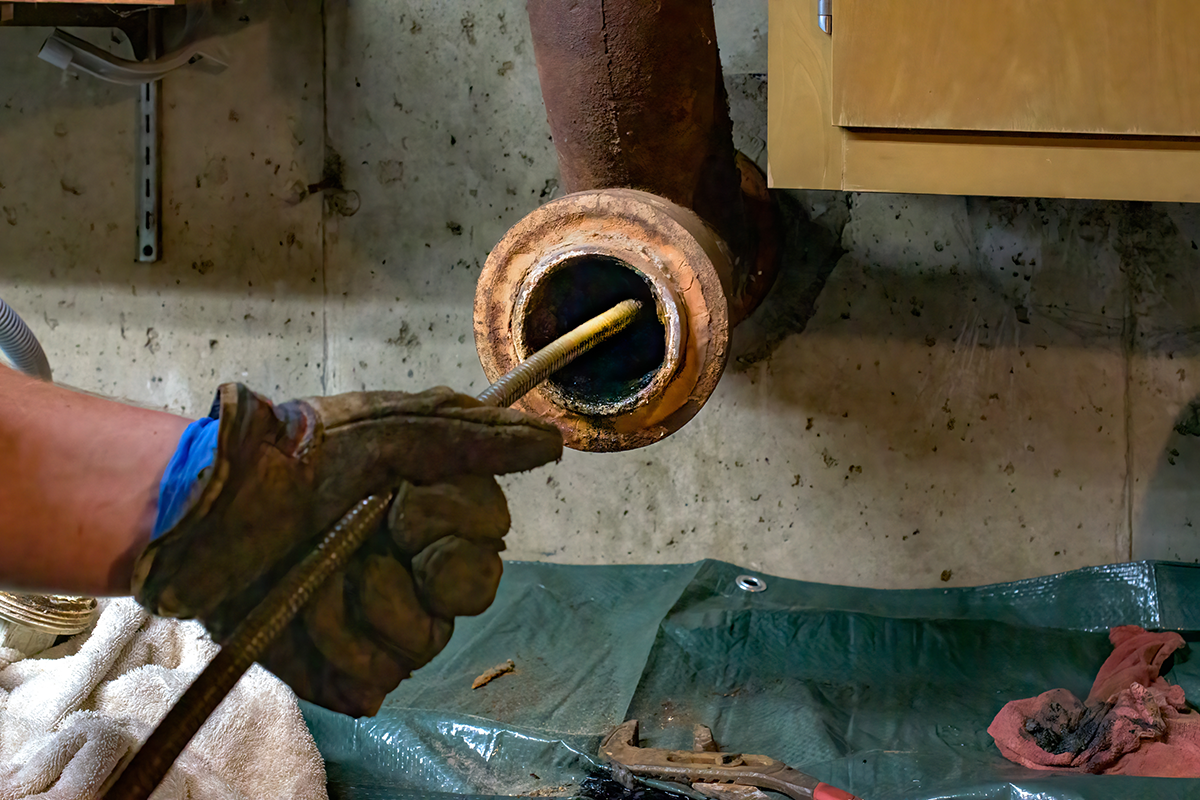
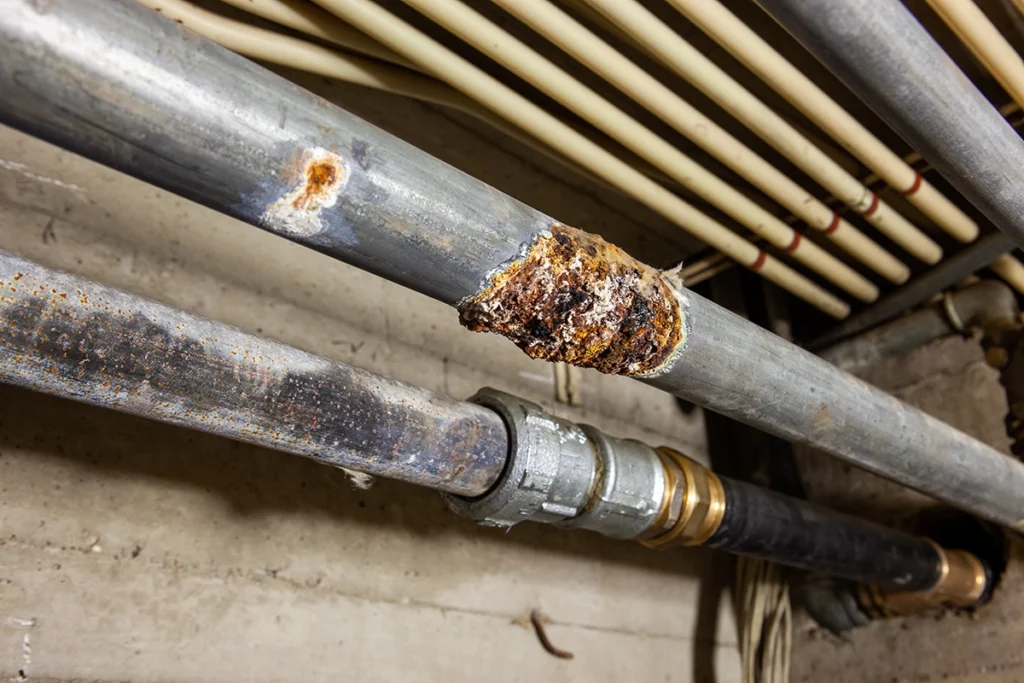
In basements, crawl spaces, or utility areas, you can sometimes see galvanized pipes directly. Look for rust-colored staining, flaking metal, or rough, pitted surfaces. These visible signs of wear on the outside usually mean the inside is even worse.
What Happens When Galvanized Steel Rusts?
Once rust takes hold in your galvanized plumbing, the problems build up quickly. Rust particles contaminate your water supply. This isn’t just unpleasant—it can stain fixtures, appliances, and laundry. More seriously, the structural integrity of the pipes weakens. When homeowners ask does galvanized steel rust, they need to understand not just if it happens, but what consequences follow when it does.
As the interior of the pipes becomes increasingly rough and narrow, water pressure drops throughout your home. Appliances that depend on adequate water pressure may not function properly. These include washing machines and dishwashers. Water heaters work harder and less efficiently when they’re constantly dealing with sediment from corroded pipes.
Eventually, the pipe walls become so thin that leaks develop. We’ve responded to emergency calls where rusted galvanized pipes have failed completely. This caused significant water damage to homes. That’s why we always recommend addressing galvanized pipe issues early rather than waiting for a major failure.
Should You Replace Galvanized Plumbing?
If your home has galvanized pipes showing signs of corrosion, replacement is usually the best long-term solution. While individual sections can sometimes be repaired, the reality is different. If one area is failing, others are likely close behind. Since galvanized pipes throughout your system are the same age, they’ve experienced similar conditions. Therefore, they typically wear out at roughly the same rate.
Modern plumbing materials like copper and PEX (cross-linked polyethylene) offer superior longevity and performance. Copper pipes can last 50 years or more. Plus, they don’t have the rust issues associated with galvanized steel. PEX is flexible and resistant to corrosion and scale buildup. It’s also often more cost-effective to install. Understanding does galvanized steel rust helps explain why newer materials have become the preferred choice for contemporary plumbing systems.
We work with North Shore homeowners every day to assess their plumbing systems. We also develop replacement plans that fit their budgets and timelines. Whether you’re dealing with immediate problems or planning ahead, we can help you understand your options. In addition, we’ll help you make the best choice for your home.
Trust Our Team for Expert Plumbing Solutions
At Whale Worth It, we’ve seen firsthand how corroded galvanized pipes affect North Shore homes. Our licensed plumbers have the expertise to accurately diagnose corrosion issues. We also explain your options clearly and perform quality replacements. These will serve your home reliably for decades to come. We believe in honest recommendations and workmanship you can trust. After all, your home deserves nothing less.
If you’re concerned about your galvanized plumbing, don’t wait for a major problem to develop. Maybe you’ve noticed any warning signs of corrosion. Either way, contact our team today to schedule an inspection. We’ll assess your plumbing system thoroughly and answer all your questions. Plus, we’ll provide straightforward solutions tailored to your specific needs and budget through our plumbing repair services.
Frequently Asked Questions
How long does it take for galvanized steel pipes to rust?
Galvanized steel pipes typically last 40 to 70 years before significant rust develops. The zinc coating protects the steel for decades. However, once it wears away—usually after 30 to 40 years—rust can form relatively quickly. Water chemistry, usage patterns, and installation quality all affect the timeline for corrosion in your specific plumbing system. Many homeowners wonder does galvanized steel rust at predictable intervals, but the timeline varies significantly based on local water conditions and usage patterns.
Can you stop galvanized pipes from rusting?
Once galvanized pipes begin rusting internally, you cannot reverse or stop the process. The zinc coating that originally protected the steel is gone. As a result, the exposed steel will continue to corrode. While water treatment systems can slow corrosion in some cases, replacement is the only permanent solution. Modern materials like copper or PEX work best for extensively corroded galvanized plumbing.
Is rust from galvanized pipes dangerous?
Rust particles from galvanized pipes are generally not dangerous to health in small amounts. Even so, they cause unpleasant discoloration and taste. However, older galvanized pipes may also contain lead in the zinc coating or at pipe joints. This can leach into water as corrosion progresses. If you have galvanized plumbing and rusty water, have your water tested. Also, consult a licensed plumber.
What’s the difference between galvanized and regular steel pipes?
Galvanized steel pipes have a protective zinc coating applied through a galvanization process. In contrast, regular steel pipes have no protective layer. The zinc coating on galvanized steel provides significant rust resistance. This allows these pipes to last decades in plumbing applications. Regular uncoated steel would rust very quickly when exposed to water. This makes it unsuitable for plumbing without the galvanized protection.