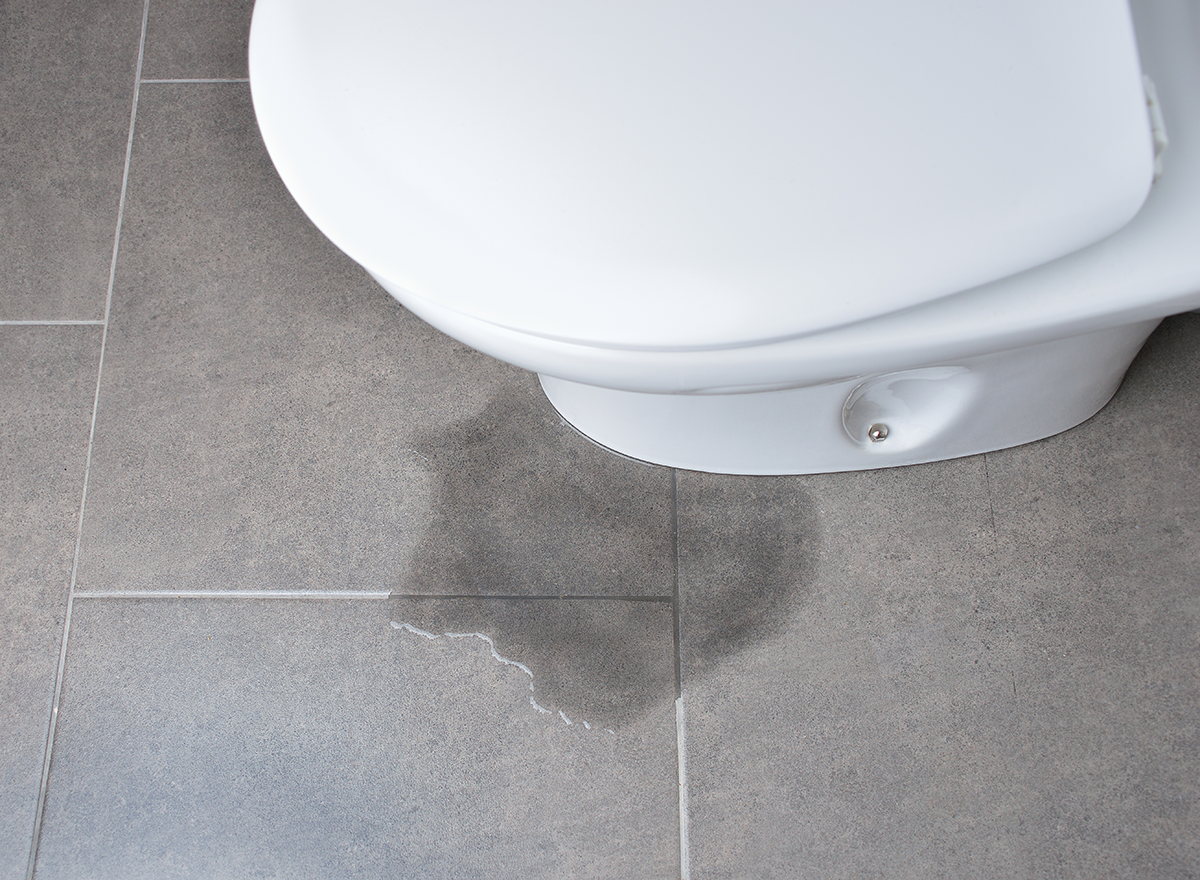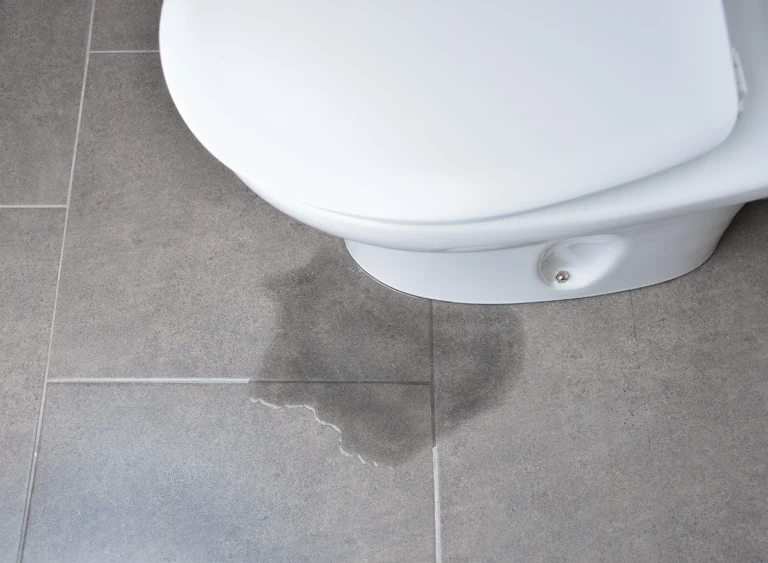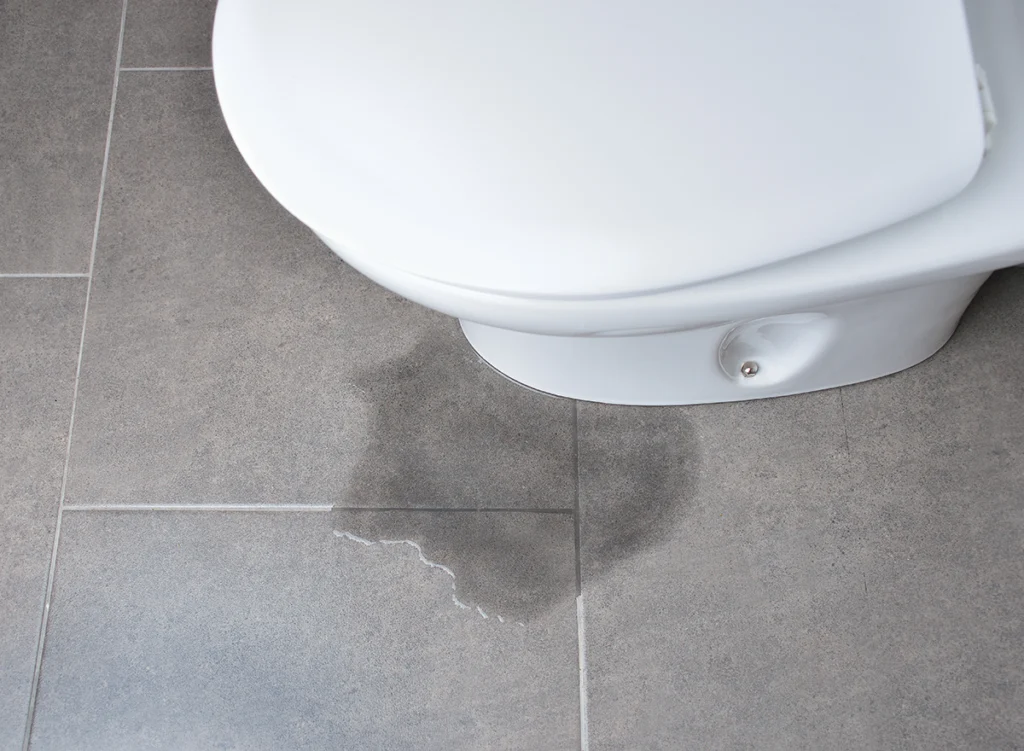
Few plumbing problems catch homeowners off guard quite like discovering a toilet leaking at base. You might notice a small puddle forming around the bottom of your toilet after each flush. Perhaps you’ve spotted water damage on the floor nearby. Either way, this isn’t something to ignore. At Whale Worth It! Plumbing, Heating & Air, we’ve helped countless North Shore homeowners understand what’s happening when their toilet starts leaking from the base. We also know why prompt attention matters so much for your bathroom and your home.
Common Causes Behind Water Pooling Around Your Toilet
When water appears around the bottom of your toilet, the most common culprit is a failed wax ring. This ring creates a watertight seal between the toilet and the drain pipe in your floor. Over time, the wax can compress, crack, or break down. As a result, water escapes during and after flushing. However, that’s not the only possible cause. Loose toilet bolts can also allow the fixture to rock slightly. This movement breaks the seal and lets water seep out. In some cases, a cracked toilet base or flange problems might be responsible.
We’ve noticed that older homes throughout the North Shore sometimes experience this issue. This happens because settling foundations shift the toilet position slightly over many years. Temperature changes and regular use both contribute to wear on the wax ring seal. The good news is that finding the source of the leak is the first step. Once we do that, we can get your bathroom back to normal. If you’re experiencing a toilet leaking at base in your home, understanding these causes helps you communicate the problem clearly to your plumber and set realistic expectations for the repair process.
Warning Signs of a Toilet Leaking at Base
Finding the early warning signs can save you from more serious water damage down the road. Keep an eye out for these telltale signs that something’s wrong:
- Visible water pooling around the toilet base after flushing
- Soft or discolored flooring near the toilet, especially on vinyl or tile
- Musty odors in the bathroom that might indicate hidden moisture
- Rocking or movement when you sit on the toilet
- Water stains on the ceiling below if you have a second-floor bathroom
Sometimes the leak only happens at certain times. For instance, it may only appear after certain flushes or during heavy use. Because water can seep beneath flooring materials, the visible damage might seem minor. Meanwhile, hidden problems grow worse. That’s why we always recommend having a professional check the situation. Call as soon as you notice any moisture around your toilet.
The Hidden Damage You Can’t See
What worries us most about a toilet leaking at base isn’t just the water you can see on the surface. Underneath your bathroom floor, moisture can rot wooden subfloors. It can also promote mold growth and even damage structural parts. We’ve responded to situations where a small, ignored leak eventually required major flooring repairs. These went far beyond simply resealing the toilet. The longer water sits beneath your floor, the more expensive and complicated the fix becomes.
Primary Issues That Create Base Leaks in Your Bathroom
Understanding why these leaks happen helps you know when you’re at higher risk. Several factors commonly contribute to toilet base leaks:
Wax Ring Failure
The wax ring between your toilet and the floor drain naturally breaks down over time. Standard wax rings typically last many years. However, certain factors can speed up this process. These include frequent temperature changes, harsh cleaning chemicals, or a toilet that rocks slightly. Once the wax no longer forms a complete seal, water finds its way out during each flush.
Loose Mounting Bolts
Two bolts secure your toilet to the floor flange. If these bolts loosen over time, the toilet can shift position. This often happens because of regular use or poor initial installation. Even slight movement breaks the wax seal and creates gaps where water escapes. You might notice the toilet wobbles when someone sits down. It may also feel unstable.
Damaged Toilet Flange
The flange is the fitting that connects your toilet to the drain pipe. It also provides anchor points for the mounting bolts. Older flanges can crack, rust, or break entirely. When the flange is damaged, properly sealing the toilet becomes impossible. This remains true no matter how many times you replace the wax ring. This situation requires more involved repairs that address the flange itself. Only then can you reinstall the toilet.
Cracked Porcelain
Although less common, cracks in the toilet base itself can cause leaking. These cracks sometimes develop from impact or over-tightened bolts. Manufacturing defects can also cause them. Since porcelain can’t be reliably repaired for watertight seals, a cracked base typically means you need toilet replacement.
Professional Repair Process for Base Leakage Issues
When you contact us about a toilet leaking from the base, our licensed plumbers follow a systematic approach. We identify and resolve the problem properly. We start by examining the toilet and surrounding area to find the leak source. This includes checking bolt tightness and looking for visible cracks. We also assess the condition of the floor.
Our team will remove the toilet completely to access the wax ring and flange. Once we lift the toilet, we can inspect the flange condition. We also check for proper drain alignment and look for any subfloor damage that needs attention. If the flange is damaged, we’ll repair or replace it before proceeding. Then we’ll install a new wax ring. Sometimes we use a more modern rubber seal instead. Either way, we ensure proper placement and compression.
Before reinstalling the toilet, we make sure it’s properly aligned and level. We’ll secure it with new mounting bolts tightened to the correct specification. They need to be tight enough to prevent movement. However, they can’t be so tight that the porcelain cracks. Finally, we test the seal thoroughly with multiple flushes. During this time, we check carefully for any signs of moisture.
Why You Should Never Ignore a Leaking Toilet Base
We understand the temptation to put off calling a plumber. This is especially true if the leak seems small. However, toilet leaks at the base rarely improve on their own. In fact, they almost always get worse over time. The water escaping with each flush continues damaging your floor. It also creates conditions where mold and mildew thrive.
Beyond the water damage, there’s also a cleanliness concern. The water leaking from your toilet base isn’t clean. It’s coming from the toilet bowl and may contain bacteria and germs. You don’t want these seeping into your flooring materials. This is particularly concerning if you have young children who play on the bathroom floor. It’s also a problem if pets spend time in that area.
The cost factor also favors prompt repairs. Having a professional address a failed wax ring is relatively straightforward when caught early. Waiting until the subfloor has rotted or mold has spread turns a simple repair into a major bathroom renovation project. We’ve seen repair costs multiply significantly simply because homeowners delayed addressing what initially seemed like a minor issue. In fact, the EPA estimates that household leaks waste nearly 1 trillion gallons annually. This makes prompt attention both environmentally and financially smart.
Protecting Your Bathroom from Future Seal Failures
While some leak causes are unavoidable due to normal wear and age, you can take steps to help. You can extend the life of your toilet seal and catch problems early. Regularly check that your toilet sits firmly without rocking. If you notice any movement, that’s your cue to call for service. Do this before a leak develops. Many homeowners don’t realize that a toilet leaking at base often starts with subtle wobbling months before water actually appears on the floor.
Avoid using too much force when cleaning around the toilet base. Harsh scrubbing or impacts can shift the position slightly. If you’re planning any bathroom renovations or major plumbing work, that’s an ideal time to have us reset your toilet. We can install fresh seals even if you’re not currently experiencing leaks.
We also recommend periodic bathroom inspections as part of your home maintenance routine. Simply checking for moisture, soft spots in the flooring, unusual odors, or a toilet that keeps running can help you catch developing problems before they cause significant damage. This way, you can catch developing problems before they cause significant damage. Our team is always happy to include a toilet inspection during any service call. It only takes a moment but can save you considerable trouble.
When to Call Whale Worth It for Your Toilet Leak
If you’ve discovered water around your toilet base, don’t wait to see if it gets worse. At Whale Worth It! Plumbing, Heating & Air, we respond quickly to toilet leak calls throughout the North Shore. We know how quickly these situations can get out of hand. Our licensed plumbers have the expertise to diagnose the exact cause of your leak. We also implement the right solution the first time.
We bring all the necessary parts and tools to handle wax ring replacement. We can also do flange repairs and toilet reinstallation in a single visit whenever possible. If recurring moisture around the toilet points to a failed seal, damaged flange, or another issue, professional plumbing repair can help protect your bathroom from further damage. Our work comes with the quality guarantee you’d expect from a locally owned company. We take pride in serving our community.
Don’t let a toilet leaking at base damage your bathroom floor. Also, don’t let it create unsanitary conditions in your home. Schedule a repair appointment with our team serving the North Shore. We’ll assess the situation thoroughly and explain exactly what’s needed. Then we’ll complete the repairs with the professionalism and care your home deserves.
Frequently Asked Questions About a Toilet Leaking from the Base
Can I just tighten the bolts if my toilet is leaking at the base?
While checking bolt tightness can help identify if that’s contributing to the problem, this is a situation where professional assessment is important. If a toilet is rocking, loose bolts might be part of the issue. However, the wax ring has likely already failed and needs professional replacement. This is necessary to properly seal the toilet. Over-tightening bolts can crack the porcelain base. That’s why our team should handle any adjustments to ensure we do the repair correctly.
How much does it cost to fix a toilet leaking from the base?
Repair costs vary based on the underlying cause and any additional damage present. A straightforward wax ring replacement is typically the most affordable option. Meanwhile, repairs involving flange replacement or subfloor damage cost more. We provide clear pricing after assessing your specific situation. We also always explain your options before beginning work.
Is water leaking from the toilet base an emergency?
While not always an immediate emergency, a toilet leaking at base requires prompt attention. If water is actively pooling or you notice significant moisture, contact a plumber within 24 hours. The leak will worsen over time and cause ongoing floor damage. Prompt repairs prevent minor issues from becoming major bathroom renovations.
How long does a wax ring last before it starts leaking?
Wax rings typically last 20-30 years under normal conditions. However, various factors affect lifespan. Toilets that rock or shift, temperature changes, and initial installation quality all impact durability. Some modern rubber seals last even longer. If your toilet hasn’t been reset in several decades, the seal may be approaching the end of its useful life.