If you’re turning outdoor faucets, hose bibs, or irrigation lines back on this spring, it’s a good time to think about your stop and waste valve. This small but mighty plumbing component helps protect your home’s exterior water lines from leaks, trapped water, and seasonal freeze damage. That matters here on the North Shore, where winter temperatures regularly drop below freezing. At Whale Worth It, we install, repair, and maintain these valves as part of our commitment to keeping your plumbing system running smoothly all year long. Understanding what this valve does and how it works can help you recognize when something isn’t functioning properly. Also, it helps you know when it’s time to call in a licensed professional.
What Is a Stop and Waste Valve?
A stop and waste valve is a specialized shut-off valve designed to control water flow to outdoor fixtures. For example, it controls flow to hose bibs, sprinkler systems, and yard hydrants. Unlike a standard shut-off valve, it includes a built-in drainage feature. This feature automatically releases any water remaining in the line once the valve is closed. This drainage capability is what makes it so valuable in climates with freezing temperatures. The valve’s name tells you exactly what it does: it stops the water flow and wastes (drains) any leftover water. Otherwise, that water could freeze and cause serious damage.
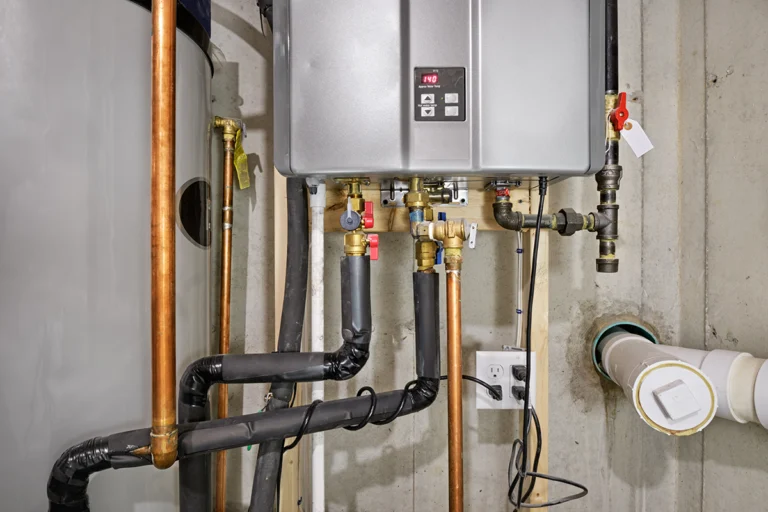
These valves are typically installed underground or in basements. They sit between your home’s main water supply and the outdoor fixtures. When you turn the valve to the closed position, a small weep hole opens. This allows trapped water to drain out into the surrounding soil. This simple but effective design prevents ice from forming inside pipes. As a result, it prevents cracks, bursts, and expensive repairs.
How Does a Stop and Waste Valve Work?
The mechanics of this valve are straightforward yet clever. When you turn the handle to shut off water flow, the valve seat closes off the water supply. At the same time, a small port or weep hole opens on the inlet side of the valve. Gravity then pulls any water remaining in the downstream piping out through this hole. Because the valve is installed below the frost line or in a protected area, the drained water simply seeps into the ground without causing problems.
For the drainage to work properly, the piping on the outlet side must slope back toward the valve. If the pipes are level or slope away from the valve, water won’t drain completely. This defeats the entire purpose. That’s why professional installation matters so much. We make sure every stop and waste valve is positioned correctly with the right pitch in the piping. This ensures complete drainage.
The Importance of Proper Installation
Installing these valves requires knowledge of local building codes, frost depths, and proper drainage techniques. In Massachusetts, we follow specific guidelines about how deep these valves must be buried. We also follow rules about how the piping should be configured. A valve installed too shallow might freeze anyway. Meanwhile, improper pipe slope will leave water trapped in the line. We’ve seen plenty of cases where a well-intentioned installation ended up causing problems. This happens because these critical details were overlooked.
Recognizing When Your Stop and Waste Valve Needs Professional Attention
Most homeowners in our area should have their outdoor water valves closed by a professional before the first hard freeze. This typically happens in late October or early November. Once temperatures consistently drop below freezing at night, any water left in outdoor pipes is at risk. A certified technician will ensure the valve is properly closed. They will also make sure that any downstream faucets or hose bibs are opened to allow air into the system. This confirms that water has drained completely. You may see water flow briefly from the outdoor fixture, then it should stop as the line empties.
In the spring, usually around late March or early April, we can safely reopen the valve for the season. Before turning it back on, we’ll make sure all outdoor faucets are closed. Then we open the valve slowly and check for any leaks at fixtures and connections. If you notice dripping, reduced pressure, or other issues on your own, that’s your signal. Something needs professional attention.
Common Problems with Stop and Waste Valves
Like any plumbing component, these valves can develop issues over time. Recognizing the warning signs early can save you from bigger problems down the road. We see several recurring issues in homes throughout the North Shore.
Weep Hole Clogs
The small drainage hole can become blocked with sediment, mineral deposits, or debris from the surrounding soil. When this happens, water can’t drain properly. This means it stays trapped in the pipes where it can freeze. You might notice that water continues to run from your outdoor faucet even after the valve should be closed. Alternatively, you might not notice anything until a pipe bursts during a cold snap. A certified technician will clear the blockage or replace the valve if necessary.
Valve Seat Deterioration
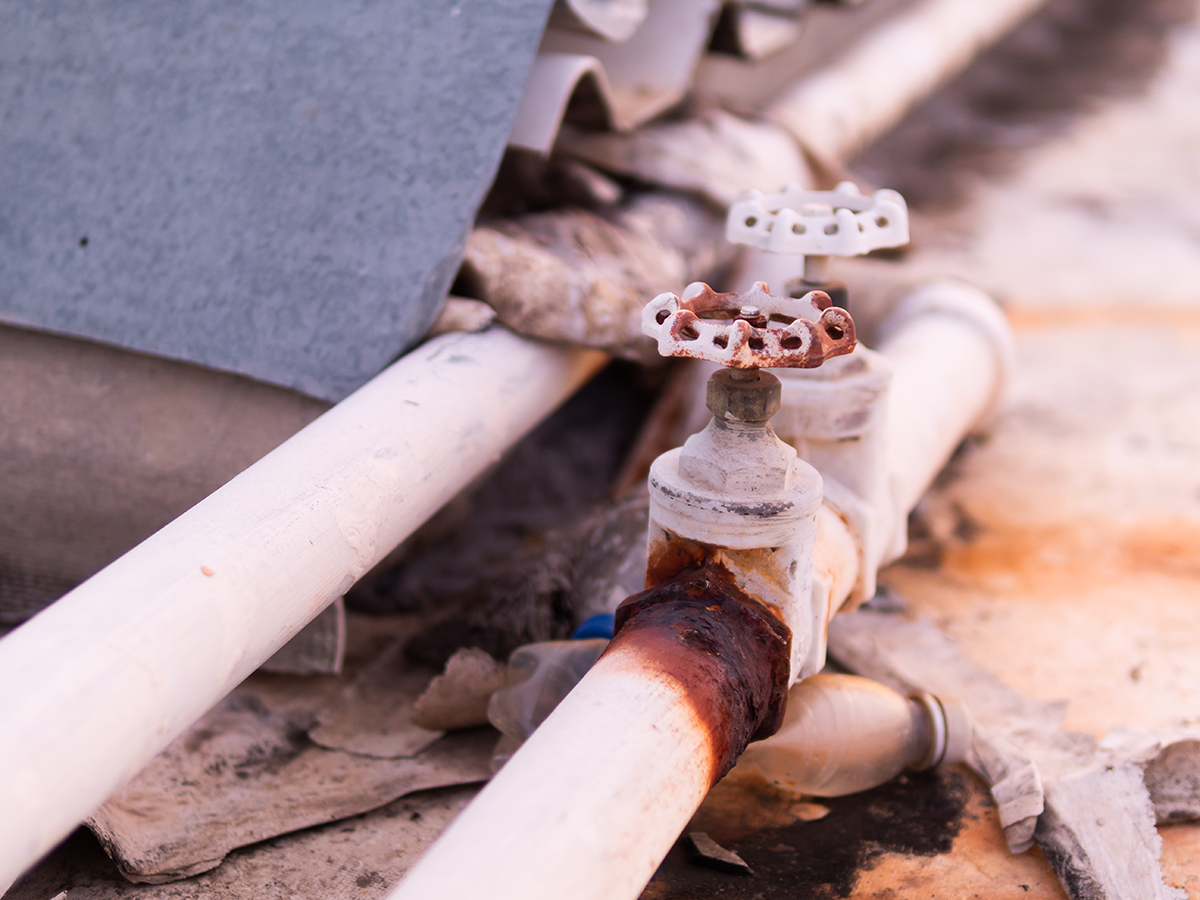
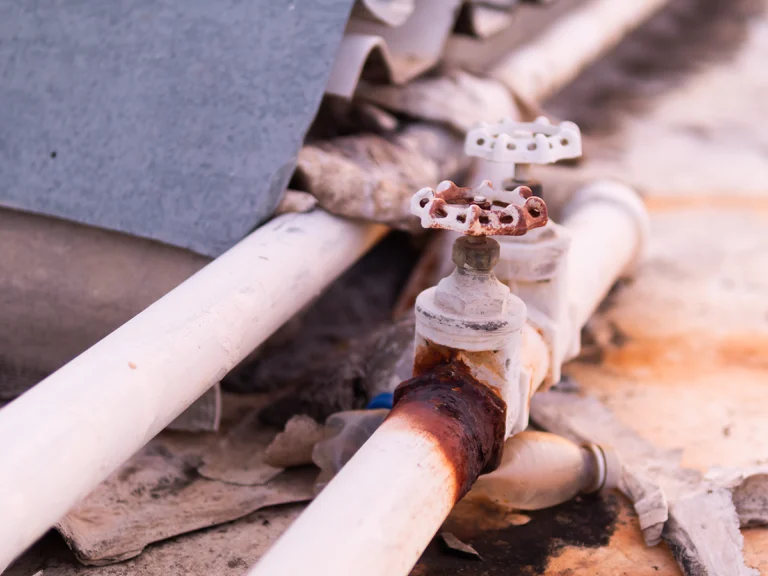
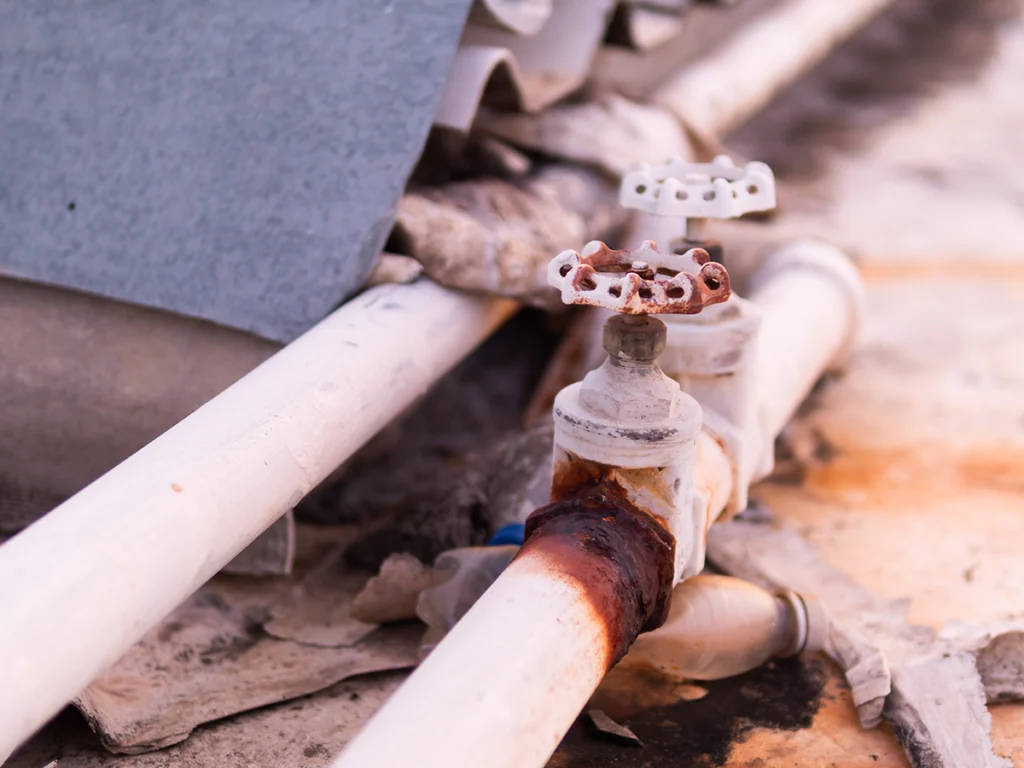
Over time, the valve seat can wear down or develop corrosion. This prevents a complete seal. This leads to water continuously flowing to outdoor fixtures even when the valve is supposedly closed. You’ll waste water and potentially see higher bills. You’ll still risk freeze damage because water remains in the line. We’ll assess whether the valve seat can be replaced or if you need a new valve entirely.
Handle or Stem Issues
The valve handle or stem mechanism can become stiff, stripped, or broken. If you notice the handle won’t turn smoothly, the internal components have likely failed. Also, if it spins without actually opening or closing the valve, the parts have failed. Never force a stuck valve handle, as this can cause additional damage. Professional repair or replacement is the safe approach.
Leaks Around the Valve Body
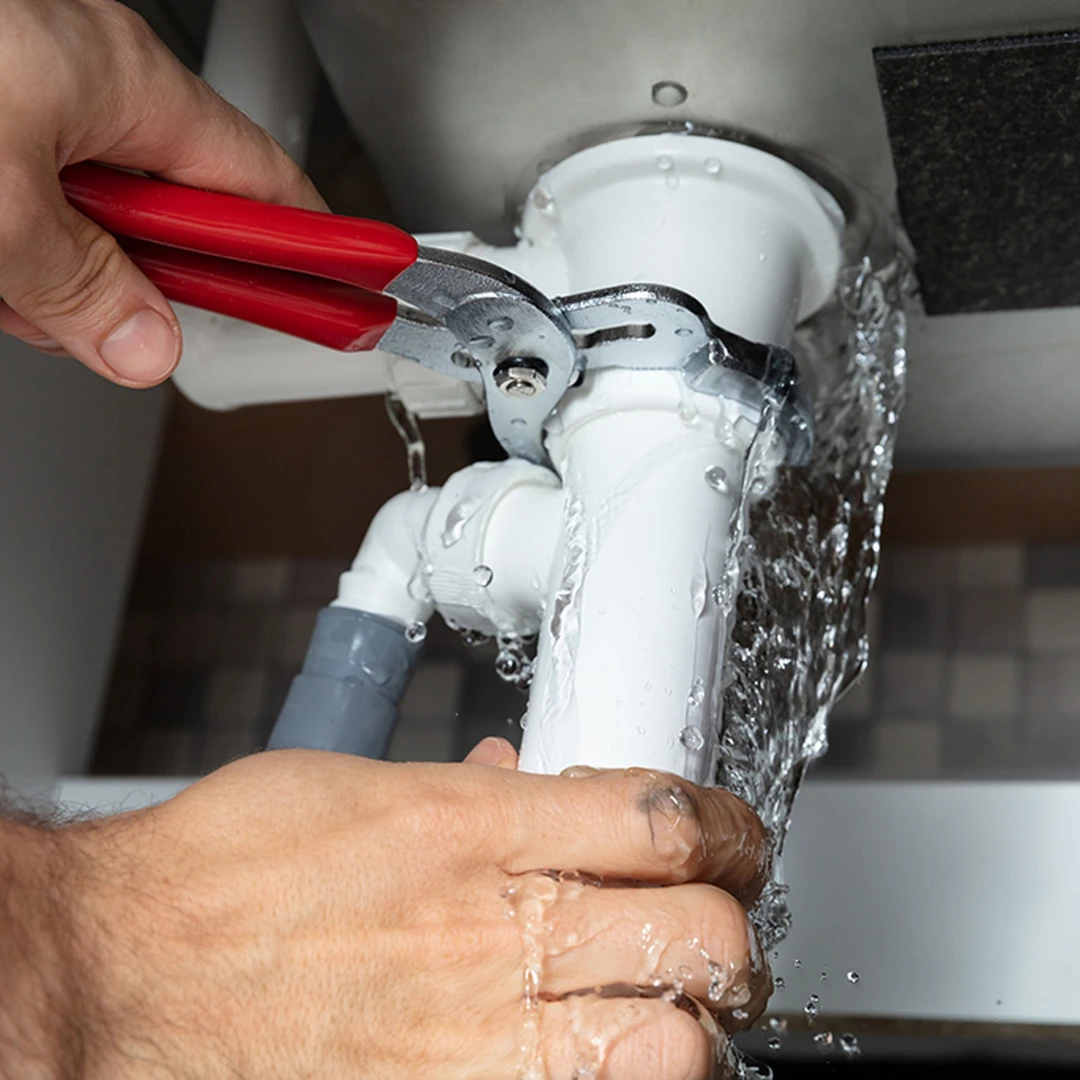
Cracks in the valve body or deteriorated packing around the stem can cause leaks. You might notice wet spots in your basement or yard near where the valve is installed. Since these valves are often underground or in crawl spaces, leaks can go undetected for a while. This wastes significant amounts of water. If you notice unexplained wet areas or a sudden increase in your water bill, call us to investigate.
Why Professional Service Matters
While you can identify problems with your stop and waste valve, licensed plumbers should always handle the actual repairs. These valves are integral to your home’s plumbing system. Improper repairs can lead to flooding, contamination risks, and code violations. Our technicians have the tools, knowledge, and experience to diagnose issues accurately. They also fix them right the first time.
We also understand the specific challenges that North Shore homes face. The soil conditions, frost depth requirements, and local water quality all affect how these valves perform. They also affect what types of failures are most common in our area. When you work with a local professional who knows the region, you get solutions tailored to your home’s actual needs.
Protecting Your Home from Freeze Damage
Your stop and waste valve is just one part of a smart outdoor plumbing maintenance plan. After winter, it’s a good idea to check exterior faucets, hose bibs, and exposed pipes for leaks or damage before regular spring and summer use. During severe cold, knowing when to drip faucets can also help protect vulnerable indoor plumbing.
We also recommend insulating exposed pipes and disconnecting garden hoses before winter. According to the U.S. Department of Energy, homeowners should take precautions to keep pipes in colder areas from freezing, especially in spaces like crawl spaces, attics, and exterior walls. For outdoor plumbing, Mass.gov recommends shutting off exterior faucets from inside the basement and leaving the outside faucets open during freezing weather.
Plus, you should know where your main water shut-off is located in case of emergencies. Regular maintenance of your outdoor plumbing components can help you avoid serious plumbing failures. These failures may lead to flooded basements, water damage, and costly repairs.
Schedule Professional Stop and Waste Valve Service
If you’re turning outdoor plumbing back on for the season or noticing signs of a valve problem, don’t wait until a small issue becomes a bigger repair. The same is true if you’ve noticed any of the warning signs we’ve discussed. Our team is here to help you keep your plumbing system in top condition through every season. We’ll inspect your valves and check for proper drainage. We’ll also make any necessary repairs to ensure your home is protected. Contact us today to schedule a service call. Enjoy the peace of mind that comes with knowing your plumbing is in expert hands.
Frequently Asked Questions About Stop and Waste Valves
Where is a stop and waste valve typically located in a home?
A stop and waste valve is usually located in a basement, crawl space, or underground between the main water supply and outdoor fixtures. If it’s installed underground, it should be below the frost line or in another protected location to reduce freeze risk.
How do I know if my stop and waste valve is draining properly?
After a certified technician closes the valve, we’ll open the downstream outdoor faucet. You should see a brief flow of water that quickly stops as the line empties. If water continues to trickle or you hear running water, the valve may not be draining correctly. This could indicate a clogged weep hole or improper pipe slope that requires professional service.
Can a stop and waste valve be repaired or does it need replacement?
Some stop and waste valve issues can be repaired by a licensed plumber, including worn valve seats, clogged weep holes, or packing leaks. However, cracked valve bodies or severe corrosion usually require replacement.
When should I winterize my outdoor plumbing using the stop and waste valve?
You should winterize outdoor plumbing before the first hard freeze. In Massachusetts, this often happens in late October or early November. Schedule service before nighttime temperatures consistently drop below 32°F.