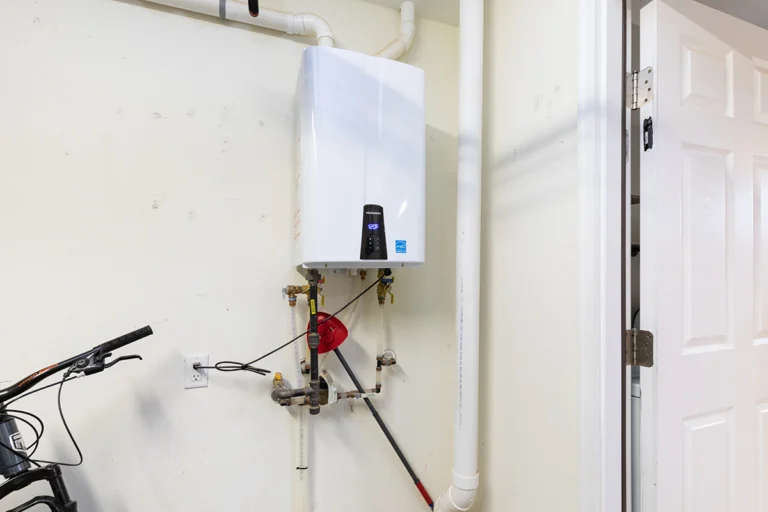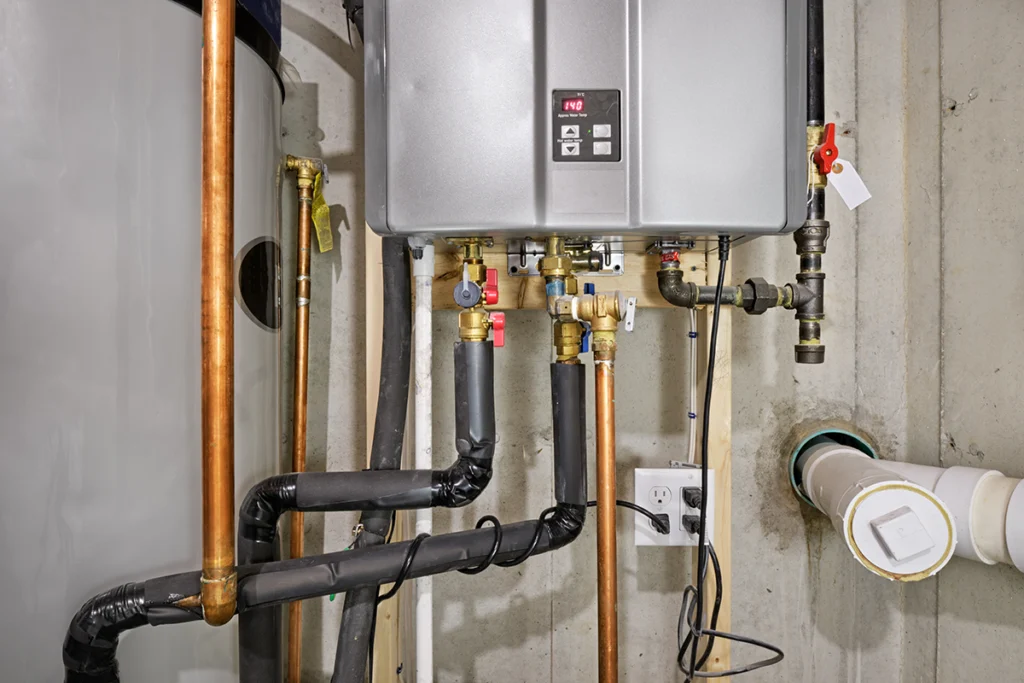
If you’re thinking about upgrading to a tankless water heater or already have one installed, you’re probably wondering how long do tankless water heaters last. It’s a smart question — especially since these systems cost more upfront than traditional tank models. The good news is that tankless water heaters are built to last much longer than their conventional counterparts. They often provide your home with reliable hot water for two decades or more when properly maintained. At Whale Worth It, we help homeowners throughout the North Shore understand what affects the lifespan of their water heating systems. Plus, we show you how to protect that investment.
How Long Do Tankless Water Heaters Last?
On average, tankless water heaters last between 15 and 20 years — sometimes even longer with careful care. That’s nearly double the lifespan of a traditional tank water heater, which typically lasts about 8 to 12 years. The difference comes down to design. According to the U.S. Department of Energy, tankless units heat water without using a storage tank. That design helps them avoid the rust and sediment buildup that slowly damages many traditional tank water heaters.
That said, longevity isn’t automatic. A tankless water heater’s lifespan depends heavily on water quality, maintenance habits, installation quality, and how hard the unit works. We’ve seen some well-maintained units still running strong after 25 years. However, neglected systems start showing problems well before their 10th birthday. The key is understanding what your system needs to reach its full potential.
What Affects Tankless Water Heater Longevity?
Several factors determine whether your tankless water heater will last 15 years or 25. Let’s break down the major influences so you know what to watch for in your own home.
Water Quality and Hardness
Hard water is the number one enemy of tankless water heaters. When your water contains high levels of calcium and magnesium — which is common throughout much of Massachusetts — those minerals build up inside the heat exchanger. Over time, this mineral scale acts like insulation. As a result, the unit works harder and eventually causes parts to fail early.
If you live in an area with hard water, annual descaling becomes essential rather than optional. A professional can also check whether a water softener would dramatically extend how long your tankless water heater lasts. This prevents mineral buildup before it starts. Either way, ignoring water quality issues will shorten your system’s lifespan significantly.
Regular Maintenance Schedule
Maintenance isn’t just a suggestion — it’s the single most important factor in longevity. Tankless water heaters need annual flushing to remove mineral deposits. They also need inspection of electrical or gas connections and cleaning of air intake filters. Skipping these tasks allows small problems to become major failures.
We recommend scheduling professional maintenance every year, ideally before the heating season when your system will work hardest. During a maintenance visit, our technicians will flush the heat exchanger, check for leaks, test safety sensors, and check proper ventilation. These steps might seem simple, but they prevent the kind of damage that leads to expensive repairs or early replacement.
Installation Quality Matters
How your tankless water heater was installed plays a huge role in its long-term performance. Wrong sizing, weak gas lines, incorrect venting, or poor electrical connections create stress that wears parts down faster. A unit that’s too small for your household will run constantly. Meanwhile, one with ventilation issues might overheat or shut down frequently.
Professional installation ensures your system is correctly sized, properly vented, and set up to operate efficiently. When we install tankless water heaters, we carefully calculate your home’s hot water demand. We also check proper gas pressure or electrical capacity, and install the unit according to manufacturer specifications. That attention to detail at installation time pays off with years of reliable service.
Usage Patterns and Demand
How often your tankless water heater runs affects its lifespan, though perhaps not as much as you’d think. These systems are designed to handle frequent on-demand heating. Still, a household that uses hot water constantly — multiple showers, laundry, dishwasher all running at the same time — will put more wear on the unit than a smaller household with lighter demand.
The good news is that tankless heaters are built for this workload. Unlike tank heaters that maintain temperature 24/7 whether you need hot water or not, tankless units only work when called upon. This design actually reduces overall wear compared to traditional systems, even in busy households.
Signs Your Tankless Water Heater Is Aging
Even the best-maintained tankless water heater will eventually show signs of age. Recognizing these symptoms early helps you plan for replacement before you’re left without hot water on a cold New England morning.
Uneven Water Temperature
If your once-reliable tankless system now delivers water that changes between scalding and lukewarm, internal parts may be wearing out. This often indicates mineral buildup on the heat exchanger or failing sensors that can’t maintain steady temperature control. While professional descaling might restore performance in some cases, ongoing temperature problems in an older unit often signal that replacement is approaching.
Strange Noises During Operation
Tankless water heaters should run fairly quietly. If yours has started making rumbling, banging, or high-pitched whistling sounds, something’s wrong. These noises usually point to severe mineral build-up, failing heating elements, or ventilation problems. Unusual sounds always need professional diagnosis — our team can determine whether the issue is fixable or if the unit has reached the end of its useful life.
Reduced Hot Water Output
When your tankless heater can’t keep up with demand like it used to — maybe you can’t run the dishwasher and shower at the same time anymore — the heat exchanger may be compromised. Mineral scale reduces efficiency, and aging parts simply can’t transfer heat as well. This slow decline in performance often becomes noticeable around the 12 to 15 year mark, even with regular maintenance.
Frequent Error Codes or Shutdowns
Modern tankless water heaters have smart diagnostic systems that display error codes when problems occur. An occasional error might just need a simple reset. However, if your unit frequently shows fault codes or shuts itself down, internal sensors or control boards may be failing. In older systems, replacing these electronic parts sometimes costs nearly as much as a new unit.
Extending Your Tankless Water Heater’s Lifespan
You can’t make a tankless water heater last forever, but professional care can certainly push it toward the upper end of its expected lifespan. Here’s what makes the difference between 15 years and 25 years of service.
Annual Professional Flushing
We can’t stress this enough: annual descaling is critical. During this service, a certified technician will circulate a descaling solution through the heat exchanger to dissolve mineral deposits. This process typically takes about an hour and costs far less than the damage mineral buildup will cause if left unchecked. Think of it like changing your car’s oil — skip it, and you’ll pay the price later.
Consider a Water Softener
If you have hard water, having a professional install a whole-house water softener is one of the best investments you can make to protect your tankless water heater. Softeners remove the calcium and magnesium that cause scale buildup. This dramatically reduces maintenance needs and extends part life. In areas with very hard water, this single upgrade can add years to how long tankless water heaters last.
Replace Parts Early
Certain parts like flow sensors, temperature sensors, and air filters wear out before the entire system does. Your technician can replace these parts during routine maintenance to prevent them from causing bigger problems. A $100 sensor replacement today beats a $2,000 heat exchanger replacement next year. Our maintenance visits include inspection of these wear items so we can catch problems before they spread.
Monitor Your System’s Performance
Pay attention to how your tankless water heater performs. Notice changes in water temperature, unusual sounds, or how long it takes for hot water to arrive. Catching problems early — when they’re still minor — means simpler, less expensive repairs that don’t hurt the unit’s overall longevity. If something seems off, don’t wait. A quick service call often prevents major damage.
When Replacement Makes More Sense Than Repair
Eventually, even the best tankless water heater will need replacement. The question is knowing when you’ve reached that point. If your unit is over 15 years old and needs a major repair — like a new heat exchanger or control board — replacement usually makes better financial sense. Newer models are more efficient, often qualify for rebates, and come with fresh warranties.
Also, consider that technology has improved a lot over the past decade. If your tankless water heater is approaching 20 years old, a new unit will likely perform better, use less energy, and provide more steady temperature control. Sometimes the right choice isn’t about squeezing every possible year from an aging system. Instead, it’s about upgrading before you experience an inconvenient failure.
At Whale Worth It, we help North Shore homeowners make informed decisions about their water heating systems. Whether your tankless unit needs maintenance, repair, or replacement, our licensed technicians provide honest assessments and quality workmanship you can trust. If you’re noticing issues like leaking from the bottom or problems with the pressure relief valve, don’t wait until you’re dealing with cold showers — contact us today to schedule a maintenance visit or discuss your water heating options.
Frequently Asked Questions
What is the average lifespan of a tankless water heater?
Tankless water heaters typically last 15 to 20 years with proper maintenance. This is nearly double the lifespan of traditional tank water heaters. Units in homes with soft water and regular professional maintenance can sometimes exceed 20 years. However, hard water and skipped maintenance reduce this lifespan significantly.
How often should I flush my tankless water heater?
A certified technician should flush your tankless water heater annually to remove mineral deposits. Homes with very hard water may benefit from flushing twice per year. This descaling process prevents scale buildup that reduces efficiency and shortens the unit’s lifespan. Always hire a licensed professional for this service.
Can I repair an old tankless water heater or should I replace it?
If your tankless water heater is under 12 years old, repairs usually make sense. For units over 15 years old requiring major part replacement, new installation often provides better value. Newer models are more efficient and come with warranties that aging systems lack.
Does hard water really affect how long tankless water heaters last?
Yes, hard water dramatically reduces tankless water heater lifespan by causing mineral scale buildup on the heat exchanger. This forces the unit to work harder and can cause early failure. Having a professional install a water softener and maintaining an annual flushing schedule are essential in hard water areas.