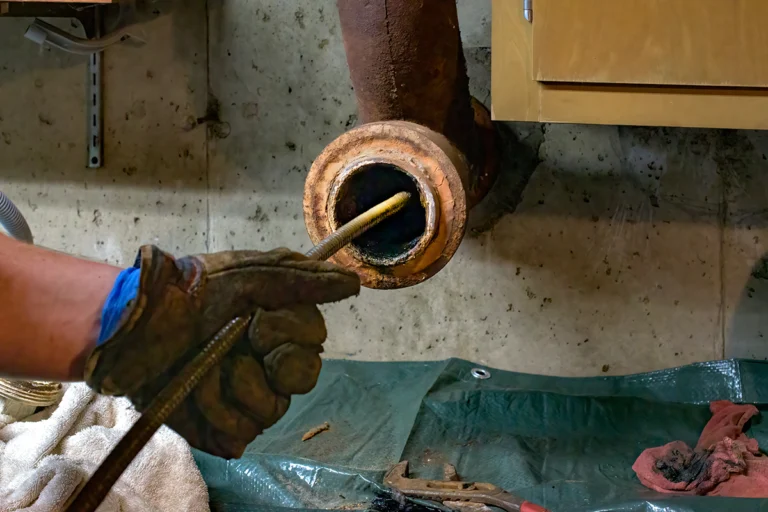
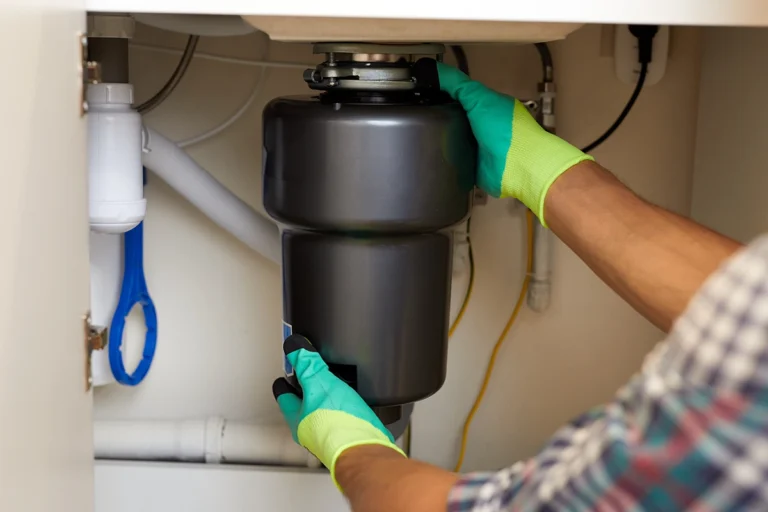
If you notice a basement drain pipe rusting through in West Newbury, the problem may be more than surface discoloration. Corrosion can weaken older metal drain lines from the inside, outside, or both. As a result, a pipe that looks rusty may also be thinning, leaking, or restricting drainage.
Basement drain pipes often sit in damp conditions for years. Additionally, some run beneath concrete or through areas that are difficult to inspect. That makes early warning signs especially important. A plumber can determine whether the damage is localized or whether a longer section of pipe needs attention.
Why a Basement Drain Pipe Rusting Through in West Newbury Happens
Older drain systems may include cast iron, steel, or galvanized metal. Over time, those materials can corrode when they remain exposed to moisture, oxygen, and wastewater.
For example, condensation can keep exposed basement piping damp. Meanwhile, buried sections may face moisture around the slab or soil. Corrosion can also develop inside the line as wastewater repeatedly passes through it.
Joints, fittings, and previously repaired areas may show deterioration first. However, rust on the outside does not always reveal the condition inside the pipe. A small corroded spot can sometimes be part of a larger weakened area.
If your home also contains older galvanized plumbing, it may show similar signs as it ages.
What Rust Can Look Like on Basement Drain Lines
Rust damage does not always begin with an obvious leak. Instead, the first sign may be a rough or discolored patch on the pipe.
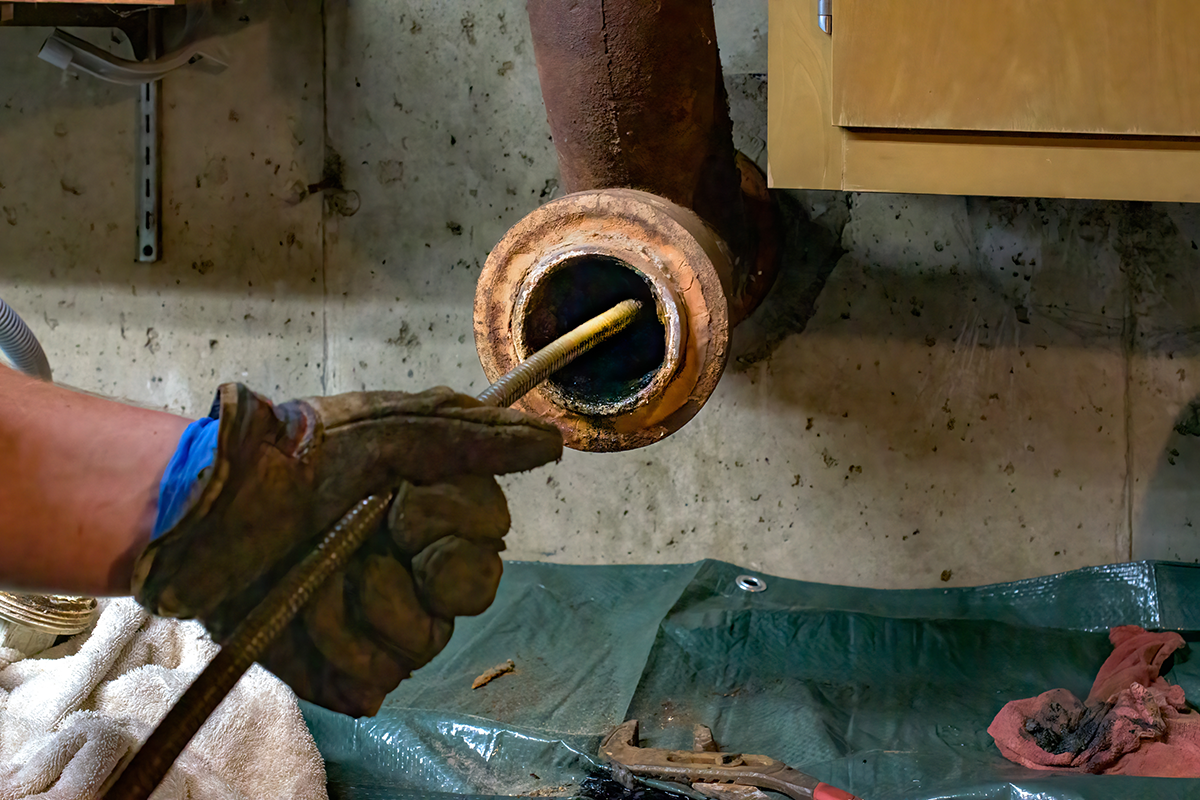
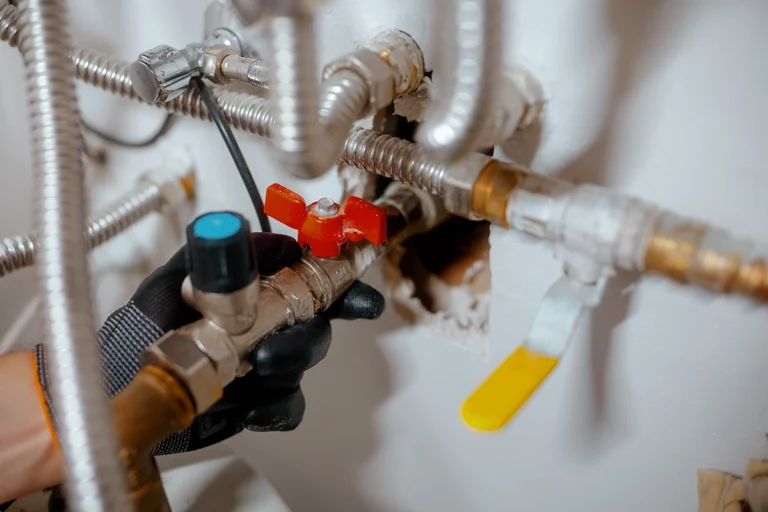
Look for reddish-brown staining, flaking metal, pitting, or crusty buildup around joints. You may also find a damp spot directly beneath an exposed section. In some cases, a tiny pinhole allows only a small amount of water to escape.
However, avoid scraping visible rust aggressively or striking the pipe with tools. A badly thinned pipe wall can be more fragile than it appears.
Also, keep an eye on the area around the floor drain. Dark staining, recurring dampness, or moisture along the slab can point to a leak that deserves closer inspection.
Signs a Basement Drain Pipe Rusting Through in West Newbury Needs Attention
Some warning signs come from the pipe itself. Others show up in the way the drainage system behaves.
Common signs include:
- Rust flakes or heavy corrosion on exposed pipe
- Dampness beneath a drain line
- Small pinhole leaks
- Slow basement drainage
- Gurgling from nearby drains
- Recurring sewer odors
- Water appearing around a floor drain
Additionally, slow drainage does not always mean corrosion is the only problem. A deeper drain blockage can create similar symptoms.
Therefore, diagnosis matters. A plumber can determine whether the problem is rust, a clog, pipe damage, or a combination of issues.
Why Corrosion Can Affect Drain Performance
A corroded drain pipe may still carry water for a long time. However, deterioration can gradually change how the system performs.
Rust and buildup can reduce the usable space inside an older metal line. As a result, wastewater may move more slowly through the pipe. Rough interior surfaces can also catch debris more easily.
Eventually, weakened sections may crack or develop openings. If the damaged pipe runs beneath the slab, leaking water may not be immediately visible.
Moisture from a plumbing leak can also create conditions that support mold growth. The EPA explains that moisture control is the key to controlling mold.
For that reason, recurring dampness around a basement drain should not be treated as only a cosmetic issue.
How Plumbers Inspect a Basement Drain Pipe Rusting Through in West Newbury
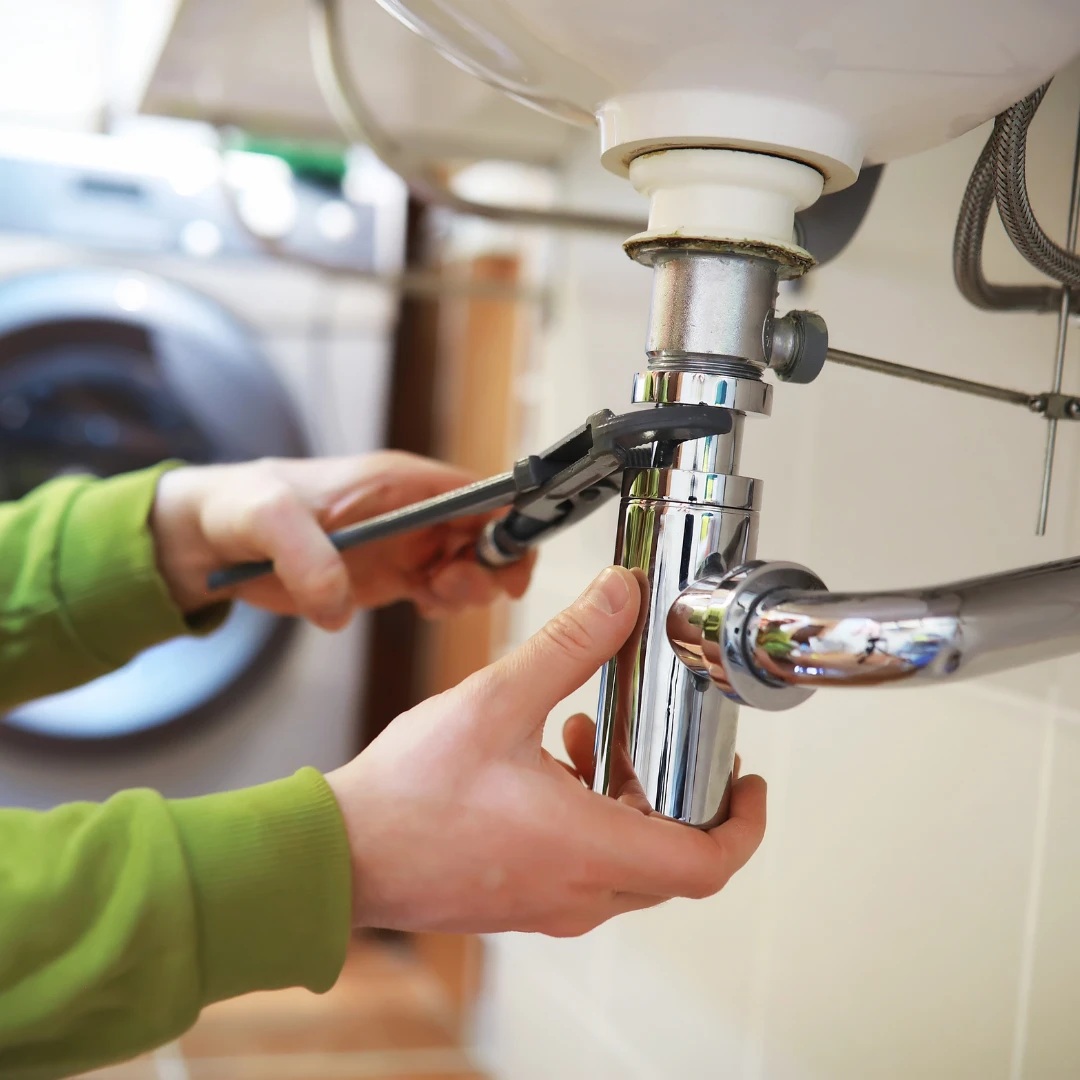
First, a plumber will usually inspect accessible pipe for corrosion, leaking joints, cracks, and weak sections. The surrounding floor and drain area may also provide useful clues.
Next, a camera inspection may be helpful when the inside of the line cannot be seen directly. It can reveal corrosion, buildup, cracks, and other damage farther down the drain.
Additionally, the plumber may access the line through a sewer cleanout when one is available. A cleanout provides a convenient access point for inspection and drain equipment.
The goal is to learn how much pipe is actually affected. Therefore, the repair recommendation should be based on the line’s overall condition, not just one rusty spot.
Repair or Replacement: What Determines the Right Fix?
Not every rusted pipe needs the same repair. In some cases, the damaged area is limited to one fitting or a short section.
A plumber may recommend replacing only that affected portion. However, a longer replacement can make more sense when corrosion appears in several places. Extensive thinning, repeated leaks, or deteriorated joints can also change the recommendation.
Accessibility matters as well. For example, an exposed basement line is generally easier to reach than piping buried beneath concrete.
The existing material, pipe layout, and condition of nearby sections also influence the repair plan. Therefore, an inspection is the best way to compare your options before opening walls or flooring.
What to Do If the Pipe Starts Leaking
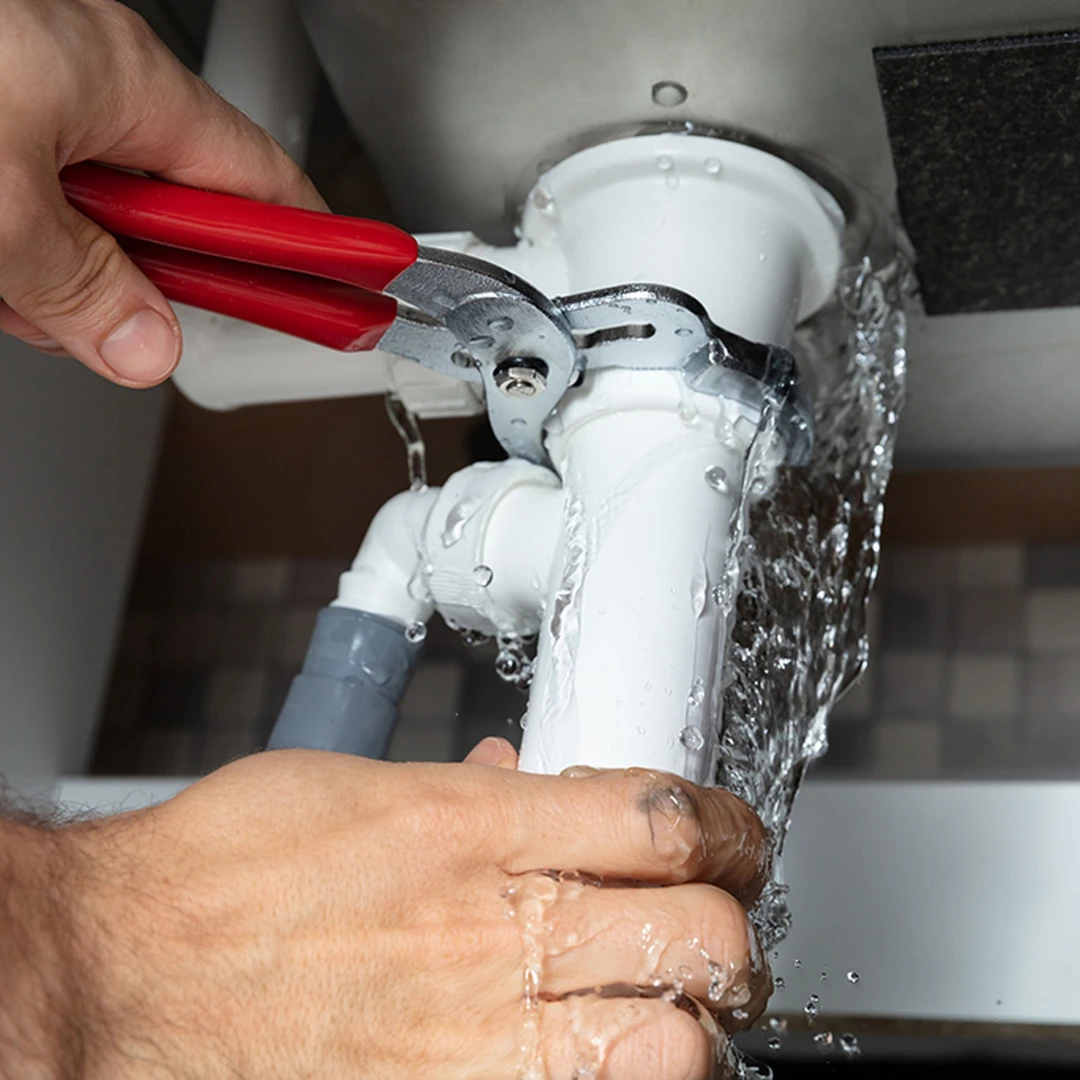
If water begins leaking from the pipe, limit water use in the home until the source is identified. This can reduce the amount of wastewater entering the damaged line.
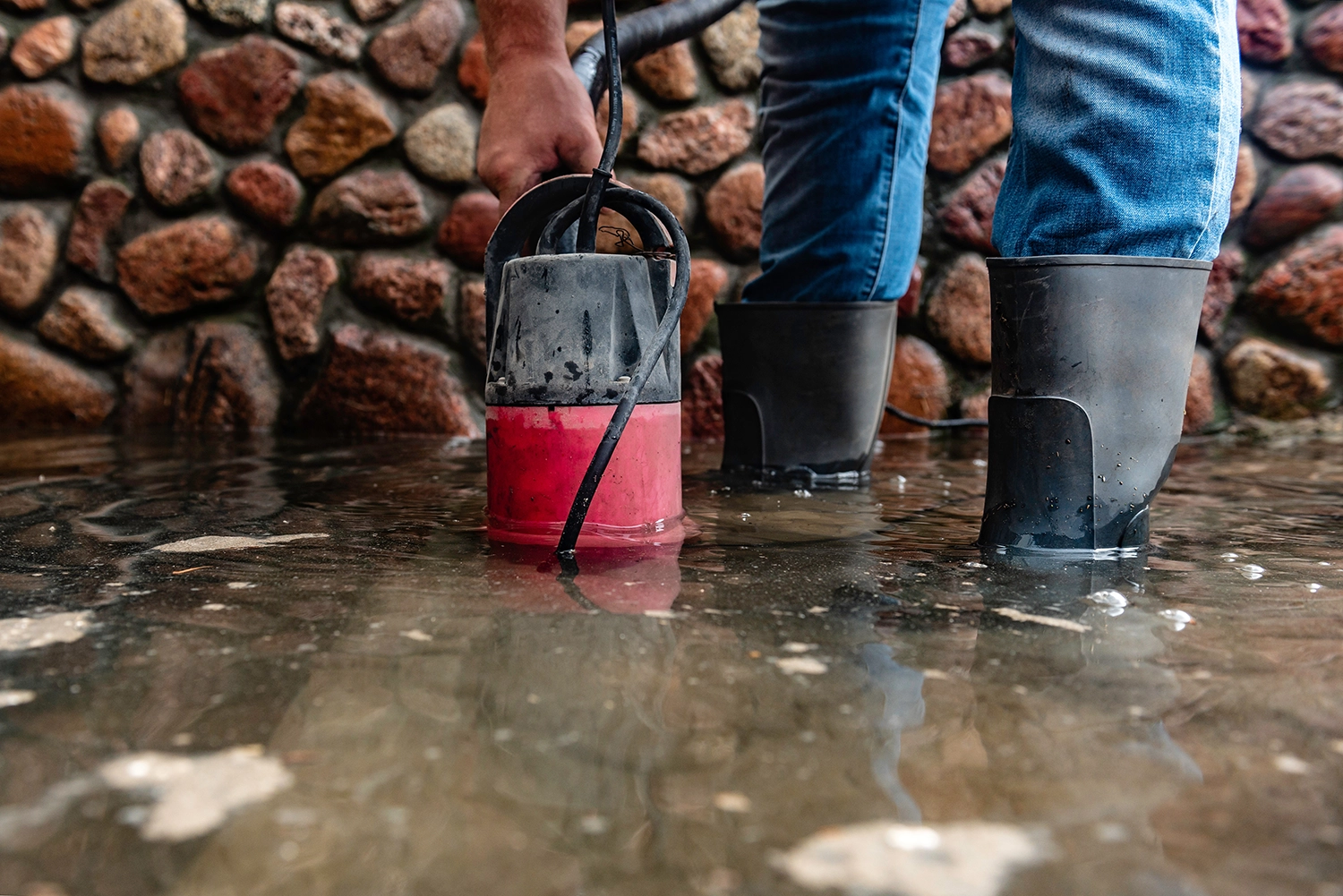
However, avoid direct contact if the leaking water contains sewage. The CDC recommends wearing protective gear, including rubber gloves, boots, and goggles, when handling contaminated water. For more information, review the CDC’s guidance for safely cleaning up after sewage exposure.
Also, move stored belongings away from the wet area when you can do so safely. Porous materials can absorb contaminated water quickly.
Then, arrange for a plumbing inspection. A temporary container may catch a minor drip from an exposed line. However, it does not repair the corroded pipe.
Schedule Service for a Basement Drain Pipe Rusting Through in West Newbury
A basement drain pipe rusting through in West Newbury can range from surface corrosion to a badly weakened drain line. Therefore, the most useful next step is finding out how much of the pipe is affected.
At Whale Worth It! Plumbing, Heating & Air, we can inspect the drainage system and explain what we find. Then, we can recommend a repair or replacement based on the pipe’s actual condition.
If you have noticed rust, leaking, slow drainage, or recurring dampness, contact us to schedule service. Addressing the source of the problem can help you avoid dealing with a larger leak later.
Frequently Asked Questions
How do I know if my basement drain pipe is rusting through in West Newbury?
Look for reddish-brown corrosion, flaking metal, pitting, damp spots, or pinhole leaks. Slow drainage and recurring odors can also occur. However, a camera inspection may be needed to determine how much damage exists inside the pipe.
Can a rusted basement drain pipe be repaired?
Yes, some rusted drain pipes can be repaired by replacing the damaged section. However, widespread corrosion may require a longer section of pipe to be replaced. The right option depends on the pipe’s condition and accessibility.
Why is my basement drain pipe rusting?
Metal drain pipes can corrode after long-term exposure to moisture, oxygen, wastewater, and damp surrounding conditions. Additionally, aging joints and fittings may deteriorate faster than other areas of the line.
Should I use my drains if a basement pipe is leaking?
It is best to reduce water use until the leaking line is inspected. Using sinks, showers, toilets, or appliances may send more wastewater through the damaged section, depending on how your plumbing system is arranged.