Corrosion does not always mean a pipe needs immediate replacement. However, it should never be ignored. When comparing corroded pipe replacement cost vs repair, the right choice depends on the damage, pipe material, location, and overall plumbing condition. At Whale Worth It! Plumbing, Heating & Air, we help North Shore homeowners determine whether a targeted repair makes sense or replacement offers better long-term value.
What Causes Pipes to Corrode?
Metal plumbing naturally changes as it ages. Water chemistry, moisture, oxygen, and pipe material can all contribute to corrosion.
Galvanized steel is especially prone to rust as its protective zinc coating wears away. Older galvanized lines may corrode internally even when the outside appears relatively solid. If your home has aging metal plumbing, understanding how galvanized pipe compares with copper pipe can help explain why certain materials deteriorate differently.
Copper does not rust like steel. Still, it can experience corrosion, pitting, and pinhole leaks under certain conditions.
According to the U.S. Environmental Protection Agency, corrosion can cause metals from plumbing materials to enter drinking water. Water chemistry, temperature, and the condition of the plumbing can all influence that process.
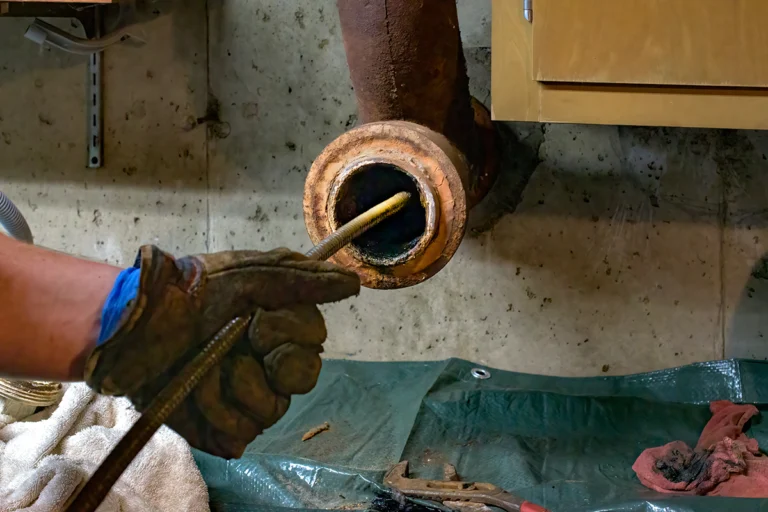
External moisture can also create problems. For example, exposed basement piping may remain damp from condensation or surrounding humidity. Eventually, that moisture can contribute to deterioration.
Corroded Pipe Replacement Cost vs Repair: What Affects Price?
There is no single price for repairing or replacing a corroded pipe. Instead, several factors determine how much work is required.
The location of the damage is one of the biggest considerations. An exposed basement pipe is usually easier to reach. A pipe behind drywall, beneath flooring, or under concrete may require additional labor.
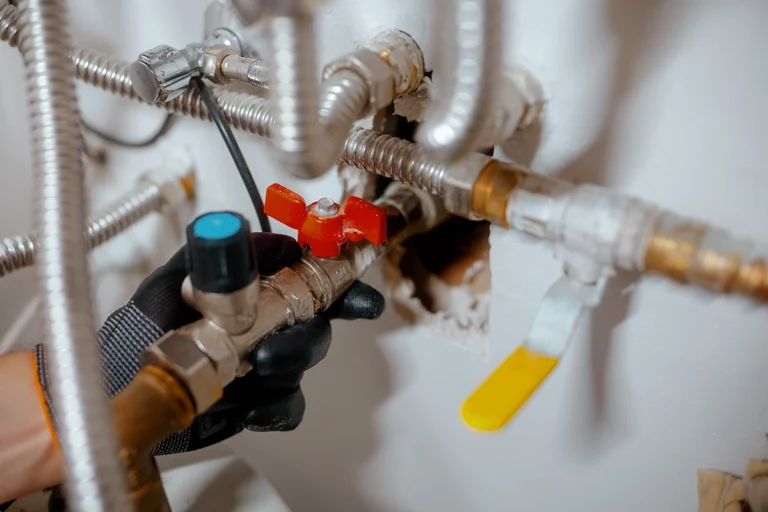
Pipe material also matters. Copper, galvanized steel, cast iron, and other materials require different fittings and installation methods.
The length of damaged pipe matters as well. Replacing one short section is very different from repiping several branches throughout a house.
Other cost factors can include:
- Pipe diameter and material
- Number of damaged sections
- Accessibility
- Required wall or floor openings
- Plumbing layout
- Condition of nearby fittings
- Labor needed to remove older piping
- Whether additional corrosion is discovered
For that reason, comparing corroded pipe replacement cost vs repair starts with determining how much pipe is actually damaged.
When Can a Corroded Pipe Be Repaired?
A localized repair may make sense when corrosion affects only a small, accessible area.
For example, one fitting may have deteriorated while the surrounding pipe remains in good condition. A short section could also develop a pinhole leak without widespread damage elsewhere.
In those situations, replacing the affected fitting or section may solve the immediate problem.
However, we also look at the surrounding plumbing. Fixing one weak area does little good if several nearby sections are approaching failure.
The age of the system matters too. A relatively isolated problem in otherwise dependable plumbing may justify repair. Repeated failures across older piping tell a different story.
Visible rust should not automatically be scraped or disturbed. A heavily corroded pipe wall can be thinner than it appears.
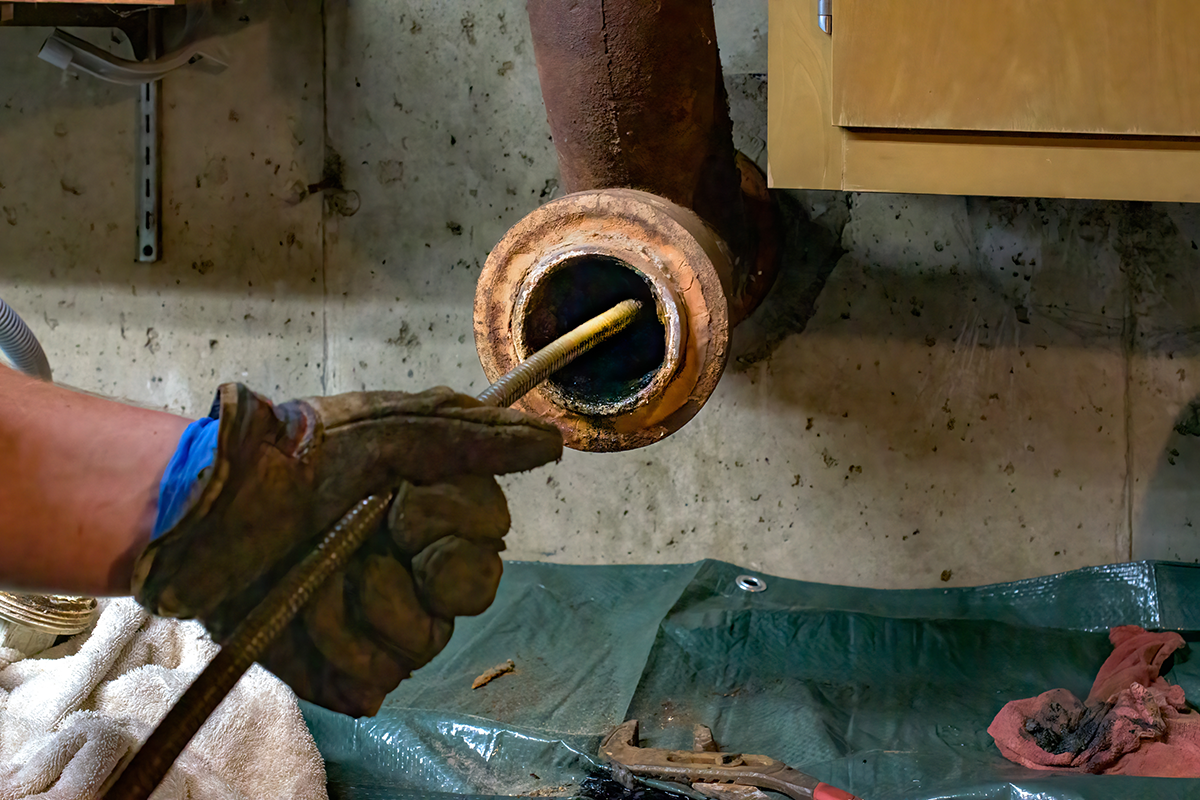
We see this especially with older drainage systems. A rusting basement drain pipe can develop thinning, pinhole leaks, and deteriorated joints long before complete failure occurs.
Corroded Pipe Replacement Cost vs Repair: When Replacement Wins
Replacement often becomes the better option when corrosion extends beyond one isolated area.
Multiple leaks are an important warning sign. If you have repaired several sections within a short period, the remaining pipes may be aging at a similar rate.
Heavy internal buildup can also support replacement. Galvanized pipes, for example, may develop corrosion that narrows the opening inside. Water flow can gradually decrease as that buildup worsens.
Replacement may also make more sense when we find:
- Several corroded joints
- Extensive rust or pitting
- Repeated pinhole leaks
- Significant pipe-wall thinning
- Rust-colored water
- Recurring pressure problems
- Multiple previous repairs
- Older piping throughout the home
At that point, continuing to repair individual failures can become frustrating and expensive.
Replacement costs more upfront in many cases. However, it can address the deteriorated piping instead of repeatedly fixing its weakest spots.
Why the Condition of Nearby Pipes Matters
One damaged section rarely tells the entire story.
When we inspect corrosion, we also consider the material and condition of nearby piping. If one galvanized section is badly rusted, other lines installed at the same time may have similar deterioration.
That does not automatically mean whole-home repiping is necessary. Instead, the inspection helps establish how widespread the problem is.
The replacement material can also affect the project. Some North Shore homeowners choose copper, while others may consider PEX for certain applications. Comparing copper pipe and PEX pipe can help show why accessibility, layout, and existing plumbing influence that decision.
A professional assessment can also identify mixed plumbing materials. Older homes often contain sections added during different renovations.
As a result, one part of the system may be much older than another.
Corroded Pipe Replacement Cost vs Repair in Older Homes
Older North Shore homes can make the repair-versus-replacement decision more complicated.
Some properties contain galvanized steel, copper, cast iron, or combinations of several materials. Renovations completed over decades may also create different ages within the same system.
Older plumbing deserves additional attention when drinking-water concerns are involved.
According to the Massachusetts Department of Environmental Protection, lead can enter drinking water through certain older plumbing materials and service lines. Corrosive water can increase leaching from these materials. The state also recommends evaluating and, when appropriate, replacing lead-containing plumbing.
This does not mean visible corrosion automatically indicates lead contamination. However, older plumbing materials may justify further investigation.
If there is a water-quality concern, testing can provide more useful information than appearance alone.
Signs You Should Have Corroded Pipes Inspected
Corrosion can progress slowly, so early warning signs are easy to overlook.
Visible rust is an obvious clue. However, changes in plumbing performance may appear before a major leak.
Watch for:
- Green, blue, white, or reddish discoloration on pipes
- Flaking or rough metal
- Small pinhole leaks
- Rust-colored water
- Metallic-tasting water
- Reduced water pressure
- Damp walls, ceilings, or floors
- Recurring leaks in different locations
- Corrosion around fittings and valves
A single symptom does not always confirm widespread pipe failure. For example, low water pressure can have several possible causes.
Still, recurring symptoms deserve professional attention. Finding the source early can give you more options before a larger leak develops.
How We Compare Corroded Pipe Replacement Cost vs Repair
At Whale Worth It!, we do not base the recommendation on one rusty spot alone.
First, we identify the pipe material and inspect the visible damage. We also look for leaks, weakened fittings, previous repairs, and signs of deterioration nearby.
Next, we consider accessibility and the amount of pipe involved.
A repair can be practical when the damage is isolated and the surrounding plumbing is sound. However, replacement may provide better value when deterioration appears throughout an older system.
Our goal is to explain what we find clearly. That way, you can understand the condition of your plumbing before deciding how to move forward.
If you notice rust, leaking, pressure changes, or aging pipes, contact Whale Worth It! Plumbing, Heating & Air to schedule service in North Shore, MA. We can inspect the problem and help you compare repair and replacement options for your home.
Frequently Asked Questions
Is it lower-cost to repair or replace a corroded pipe?
Repair is usually less expensive upfront when corrosion affects one small section. However, replacement may offer better value when damage is widespread or leaks keep returning.
Can a corroded pipe be repaired instead of replaced?
Yes. A plumber may replace one damaged fitting or short pipe section when nearby plumbing remains sound. Extensive corrosion usually requires a broader solution.
How do I know if pipe corrosion is serious?
Heavy rust, pitting, repeated leaks, discoloration, reduced pressure, and thinning pipe walls can indicate significant deterioration. A plumbing inspection can determine the extent.
Should I replace all my pipes if one pipe is corroded?
Not necessarily. One isolated problem may only require a sectional repair. However, widespread corrosion or repeated failures can make partial or complete repiping more practical.