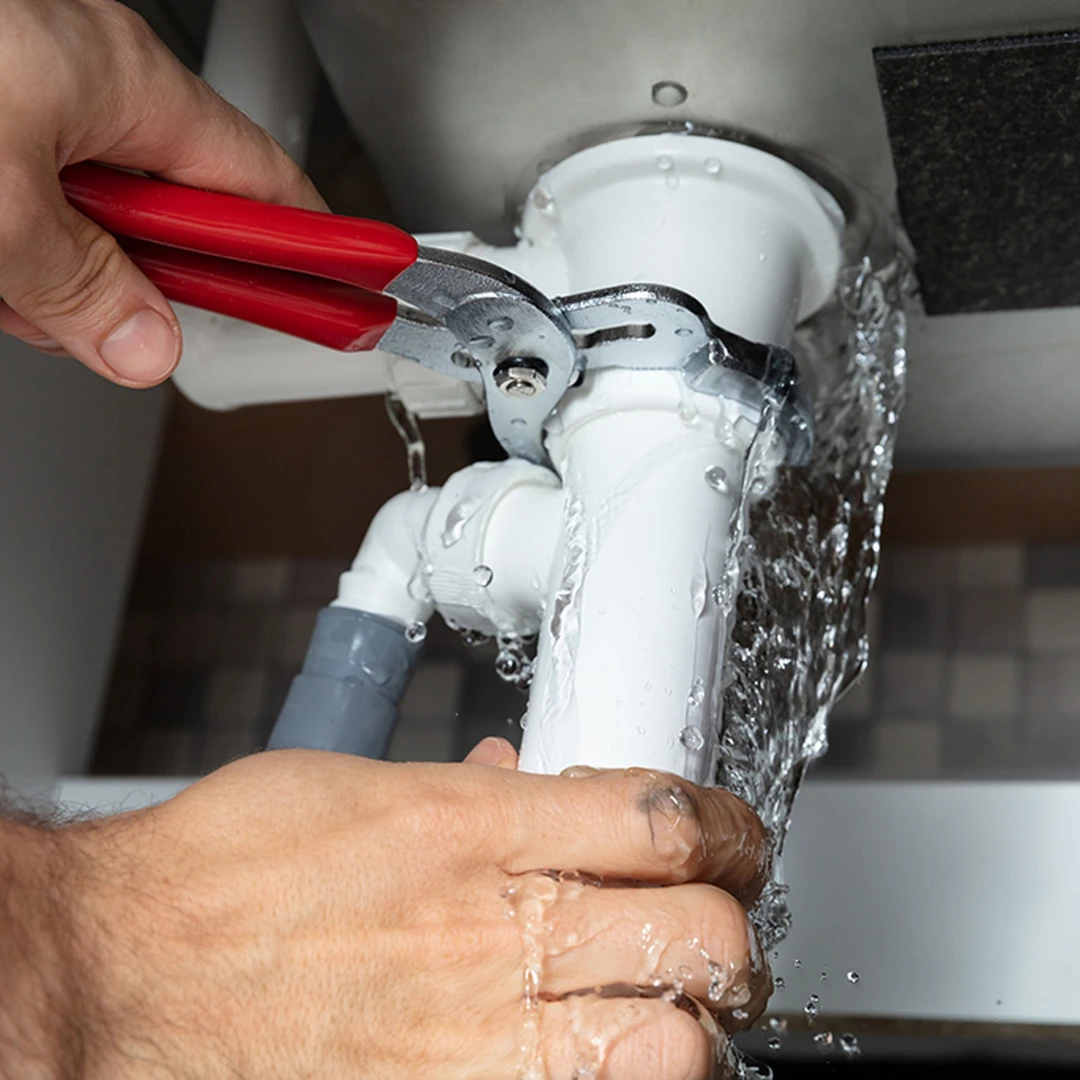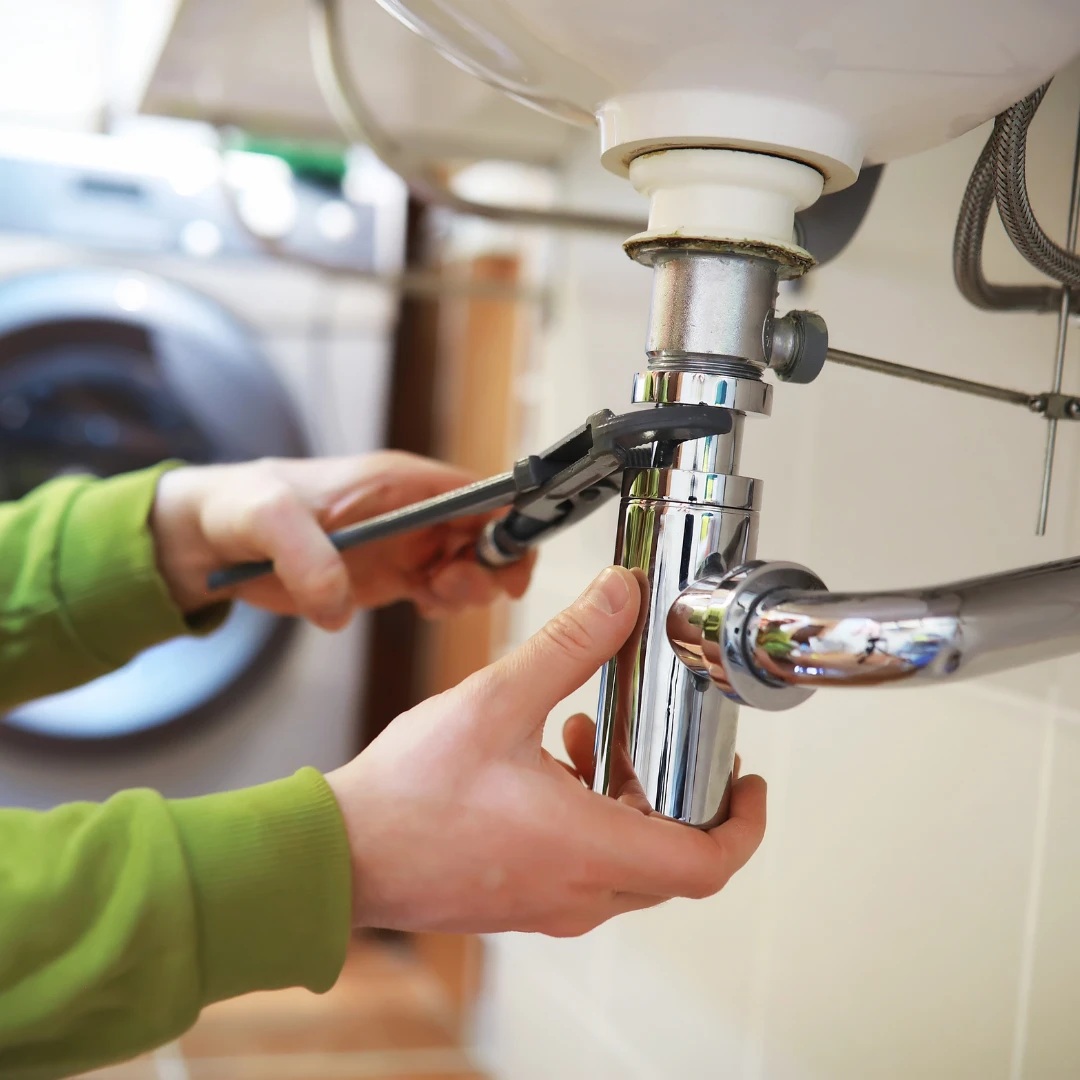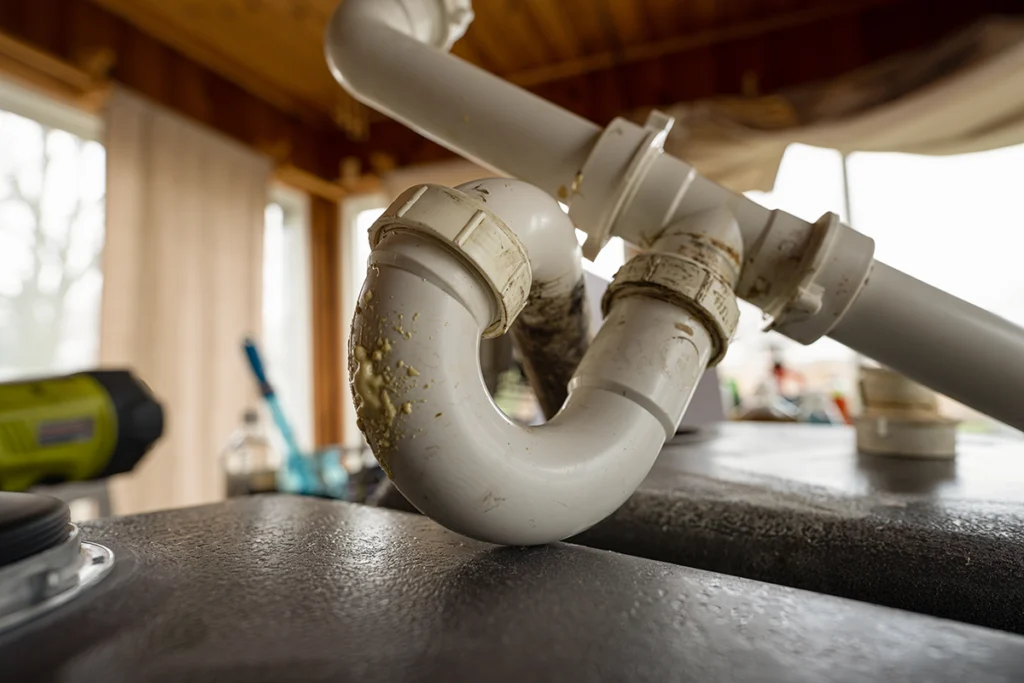
What Are S Traps and P Traps?
Both S traps and P traps are plumbing fixtures designed to prevent sewer gases from entering your home through drain openings. They accomplish this critical job by holding a standing pool of water—called a water seal—that blocks foul odors and harmful gases from rising back up through your sink, toilet, or shower drain. 24 CFR § 3280.606 specifies that each P-trap must maintain a water seal between 2 and 4 inches deep to function properly.
The key difference lies in their shape. A P trap curves horizontally after the downward U-bend, then connects to a drainpipe that runs through your wall. An S trap, by contrast, curves back downward after the U-bend and connects to a drain pipe that exits through the floor. While both designs create that essential water barrier, the S trap configuration creates pressure and siphoning problems. These issues can pull water out of the trap completely—leaving your home vulnerable to sewer gas intrusion and unpleasant odors.
If you’re noticing gurgling sounds or foul smells near your drains, we can help. We’ll inspect your plumbing system and explain what’s happening beneath those fixtures.
S Trap vs P Trap: Key Differences Explained
When we inspect drain fixtures throughout homes in North Shore, MA, we often find homeowners confused about which trap design sits beneath their sinks. Understanding the difference between an S trap and a P trap matters because it directly affects whether your drainage system functions safely and meets modern plumbing standards.
The core distinction lies in how each trap connects to your drainage system. A P-trap features a horizontal outlet pipe that extends through the wall, incorporating a vented pipe that prevents suction. This venting mechanism, as Oatey explains, ensures the water seal remains intact. This ventilation is crucial—it equalizes air pressure so water stays in the trap bend where it belongs.
An S-trap, by contrast, routes wastewater vertically straight down through the floor. It has no proper venting mechanism. This design creates a siphoning effect during drainage that can pull water completely out of the trap, eliminating the protective seal that blocks sewer gases from entering your home.
If you notice gurgling sounds, slow drainage, or unexplained sewer odors near your fixtures, the trap configuration may be the culprit. We can inspect your drainage system and identify whether an outdated S-trap is causing problems. Then we’ll recommend the safest solution to protect your indoor air quality and comply with current code requirements.
Code Compliance and Installation Requirements
Modern plumbing codes in Massachusetts and across North America have effectively banned S traps in new construction and renovation work for decades. The International Plumbing Code and Uniform Plumbing Code—which inform many local plumbing standards—prohibit trap designs that are prone to siphoning and losing their water seal. When we inspect older homes on the North Shore, we still encounter these outdated fixtures. However, any new installation or replacement must meet current code requirements by using a properly vented P trap system.
The distinction matters because using an S trap where code requires a P trap can result in failed inspections. It can also create complications during home sales and potential liability issues if plumbing problems arise. A certified plumbing professional understands not just the physical differences between these traps, but also the venting requirements, fixture unit loads, and inspection standards that govern compliant installations. We ensure every replacement meets current Massachusetts plumbing codes and passes inspection.
If you’re planning any plumbing updates or suspect your drainage system isn’t up to code, we can evaluate your existing configuration. We’ll recommend compliant solutions that protect your home’s value and your family’s health.
Performance: Which Trap Works Better?
When we compare an S trap vs P trap in real-world performance, the P trap consistently outperforms its outdated counterpart. The key difference comes down to venting and water seal stability. S traps are notorious for self-siphoning—when water drains quickly through the curved pipe, it can create a vacuum that pulls all the water out of the trap itself. Once that seal is gone, sewer gases flow freely into your home. This creates persistent odor problems and potential health concerns.
P traps, by contrast, connect to a proper vent system that equalizes pressure during drainage. This design prevents the siphoning effect and keeps that protective water barrier intact flush after flush. If you’re noticing gurgling sounds, slow drainage, or unexplained sewer smells near a sink or fixture, the trap configuration may be the culprit. We’ve diagnosed countless odor complaints in North Shore homes that traced back to compromised S traps losing their seal.
We can inspect your existing drain configuration and identify whether a problematic S trap is causing your issues. Then we’ll recommend the safest solution. Modern plumbing depends on P traps for good reason—they simply work better and protect your indoor air quality reliably.
When to Replace an S Trap with a P Trap
If you’re living with an older S trap under your sink, several warning signs tell you it’s time to call us for a professional replacement. Persistent sewer odors in your kitchen or bathroom—especially after running water—indicate that the trap is losing its seal and allowing gases to escape into your home. You might also notice gurgling sounds from the drain. These sounds signal the vacuum effect we mentioned earlier is actively pulling water from the trap. Slow drainage combined with these symptoms often means the issue goes beyond a basic clog and needs a professional inspection.
Here on the North Shore, many homes built before local plumbing codes were updated still have S traps in place. While they may have functioned for years, aging S traps become increasingly unreliable. They may fail inspection if you’re selling your home or completing a renovation.
When you contact us, we’ll assess your current drain configuration and verify local code requirements. Then we’ll handle the P trap replacement from start to finish. We’ll ensure proper venting is installed alongside the new trap, eliminating odor problems and bringing your plumbing up to current standards. Don’t wait until a failed trap creates unsanitary conditions—reach out to us today for an inspection.
Get Expert Help with Trap Replacement
Whether you’re dealing with an outdated S-trap configuration or simply need to upgrade to a code-compliant P-trap, our team brings the expertise to get it done right the first time. Trap replacement isn’t just about swapping one component for another—it requires understanding your home’s drainage system, local code requirements, and the specific constraints of your plumbing layout. We assess the entire drain assembly, verify proper venting, ensure correct slope and alignment, and test for leaks before we consider the job complete.
Choosing to work with our specialists protects your investment in ways that go far beyond the immediate repair. A properly installed trap prevents sewer gas intrusion and eliminates the risk of costly water damage from leaks. It also ensures your plumbing system operates efficiently for years to come. When drainage issues are handled correctly from the start, you avoid repeated service calls, premature fixture failure, and the expense of fixing problems that stem from substandard work.
Ready to move forward with confidence? Schedule a visit with our plumbing specialists, and let us point you in the right direction. We’ll evaluate your current setup, explain your options clearly, and deliver a trap installation that meets today’s standards while protecting your home’s long-term value.
S Trap vs P Trap: Side-by-Side Comparison
| Feature | S Trap | P Trap |
|---|---|---|
| Upfront Cost | $15-$40 for parts | $20-$50 for parts |
| Installation Time | 30-60 minutes | 45-90 minutes |
| Efficiency / SEER | Poor seal, allows sewer gas leaks | Excellent seal, prevents sewer gas |
| Best For | Older homes (now code-prohibited) | All modern plumbing installations |
| Lifespan | 20-30 years if functional | 30-50 years with proper use |
| Maintenance | Frequent refilling, prone to drying out | Minimal, stable water seal retention |
Frequently Asked Questions
How can you tell if you have an S trap or P trap under your sink?
A P trap has a horizontal outlet extending into the wall, while an S trap curves downward and connects to a pipe through the floor. If you see a distinctive S-shaped curve with no visible vent pipe, or experience persistent sewer odors and gurgling sounds, you likely have an S trap. We can inspect your configuration and identify which type of trap is installed.
Why are S traps no longer allowed in modern plumbing installations?
S traps create a siphoning effect that pulls water out of the trap, eliminating the seal that blocks sewer gases. Without proper venting, the vacuum during drainage empties the water barrier completely. This allows harmful gases and odors into your home. P traps connect to vent systems that prevent this issue.
What problems does an S trap cause in older homes?
S traps lose their water seal through self-siphoning, allowing sewer gases into your living space. You’ll notice gurgling drains, slow drainage despite no visible clogs, and unexplained foul smells near fixtures—especially after running water. These problems worsen over time and complicate home sales or renovations.
Should I replace an S trap with a P trap?
Professional trap replacement is always recommended because the work involves more than swapping fixtures. A certified plumber must install proper venting, ensure correct drainage slope, and meet local code requirements. We can assess your drain assembly and complete installation in compliance with Massachusetts plumbing standards.