Finding a pipe leaking under your sink can turn a normal day into a scramble for towels. Sometimes, the cause is a loose fitting that needs a simple adjustment. In other cases, corrosion, worn seals, or damaged drain components may be involved. At Whale Worth It! Plumbing, Heating & Air, we help North Shore homeowners identify where under-sink water is coming from and determine the right repair.
A small leak should not be ignored. Moisture can damage cabinet materials, flooring, and stored items. It can also point to a plumbing connection that is getting worse. The EPA’s WaterSense program recommends checking pipe fittings and faucet connections for exterior moisture when looking for household leaks.
1. Loose Connections Can Leave a Pipe Leaking Under the Sink
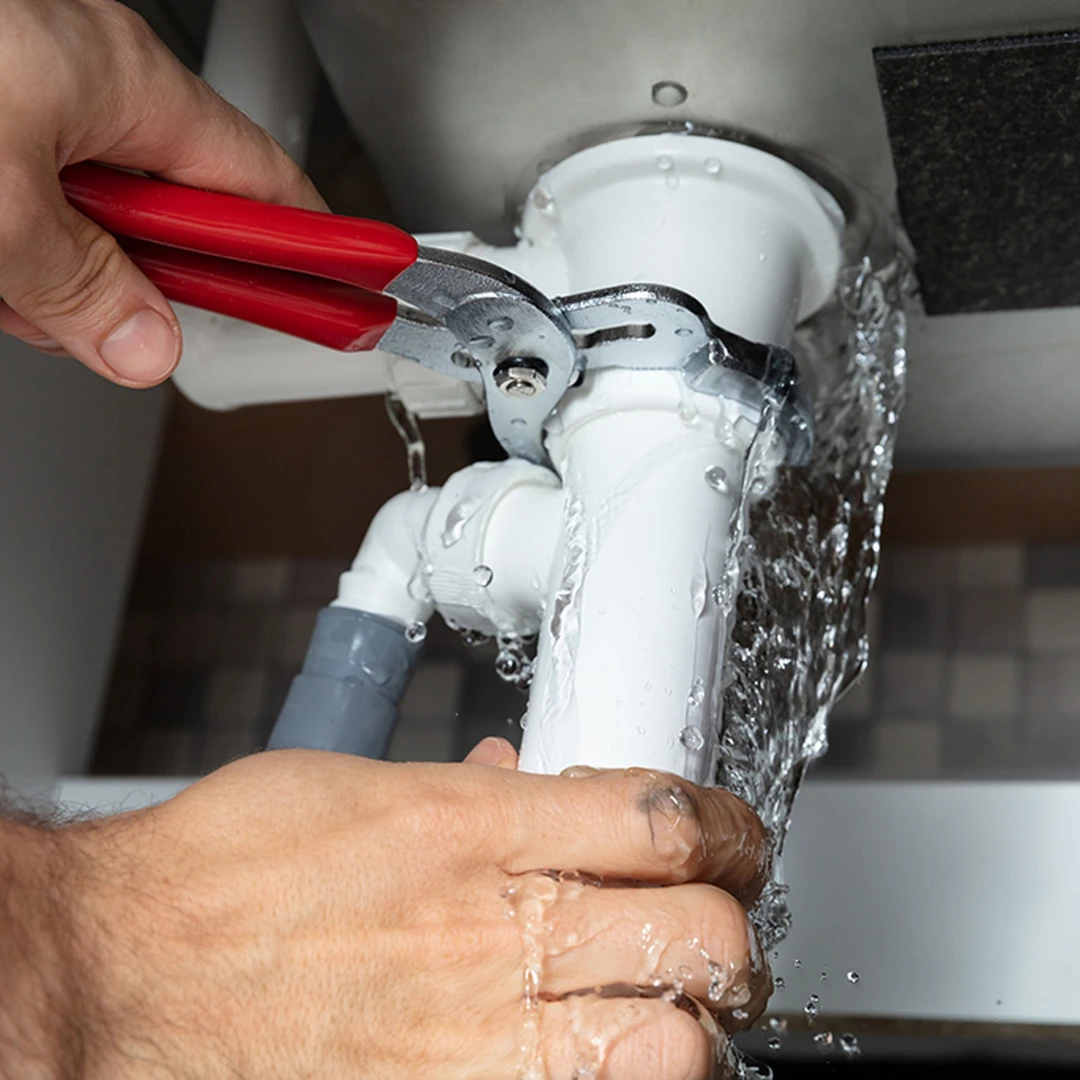
Under-sink plumbing includes several threaded and slip-joint connections. Over time, one of those connections can loosen slightly.
When that happens, water may appear only while the sink is draining. You might notice droplets forming around a nut, joint, or curved section of drainpipe. Sometimes, the cabinet stays dry until someone runs a full sink or dishwasher.
A loose connection may seem minor. However, tightening the wrong fitting too aggressively can crack plastic parts or damage a washer. We first identify the exact source before deciding whether adjustment or replacement makes sense.
2. Worn Washers Can Cause a Leaking Pipe Under the Sink
Slip-joint washers help create watertight seals between sections of drainpipe. As they age, they can flatten, crack, shift, or become brittle.
A worn washer often causes a slow drip around a connection. The leak may become more noticeable when a large amount of water drains at once.
Sometimes, the washer is the only damaged part. However, the fitting and pipe alignment also need to be checked. If sections are pulled out of position, a new washer may not seal correctly for long.
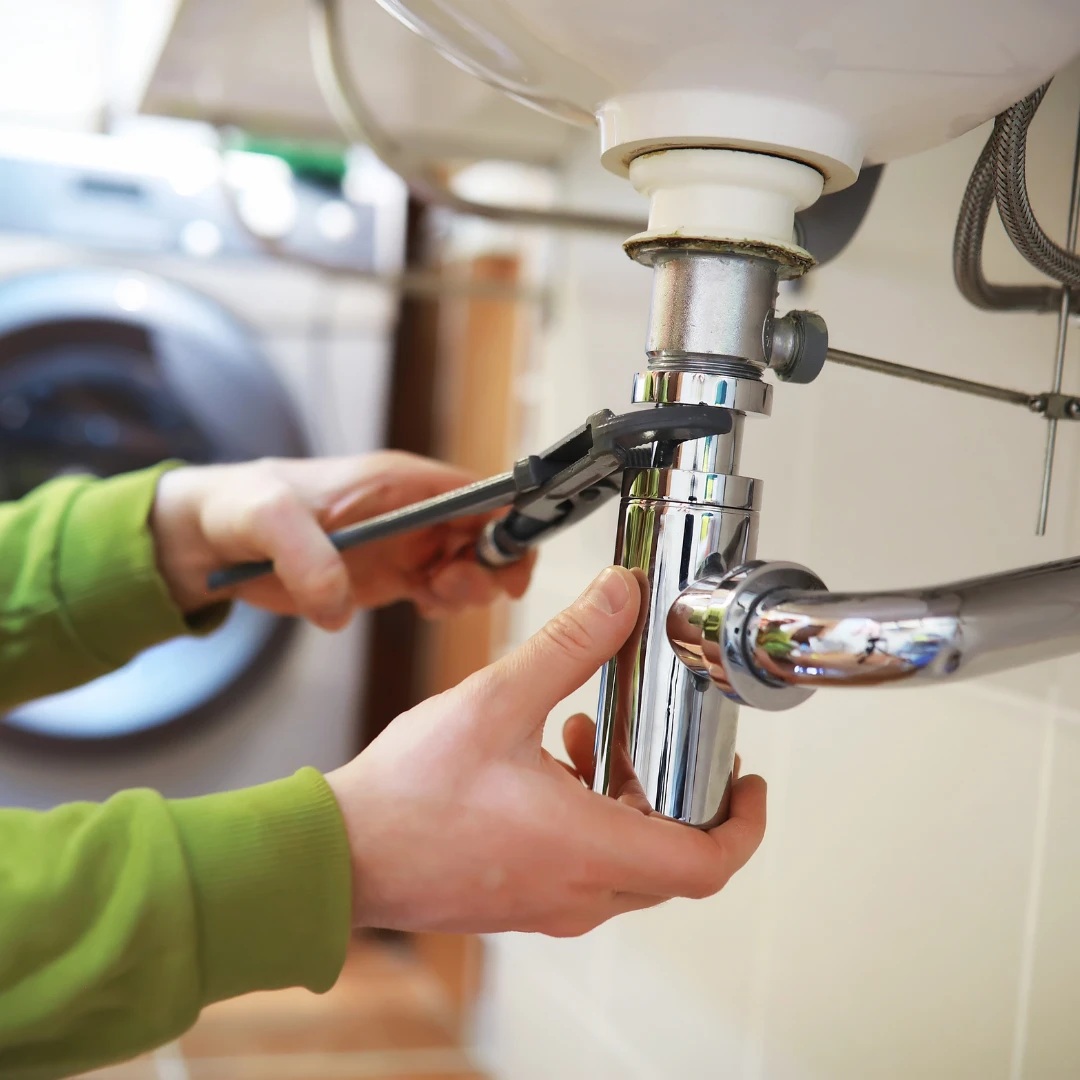
3. A Damaged P-Trap Can Leak Beneath the Sink
The P-trap is the curved section of pipe below the drain. It holds water that helps block sewer gases from entering your home.
Because the trap is removable, it contains joints that can loosen or wear. Plastic traps can also crack, especially if they were overtightened or bumped by stored items.
Metal traps may corrode over time. If you see rust, flaking, or thinning metal, the condition of the surrounding plumbing matters too. Understanding when corroded pipe repair or replacement makes more sense can help explain why one damaged section sometimes points to a larger issue.
If the drain setup itself looks unusual, an S trap and P trap also function differently. Older configurations may create drainage or venting problems that deserve professional attention.
4. Corrosion Can Create a Leaking Pipe Under the Sink
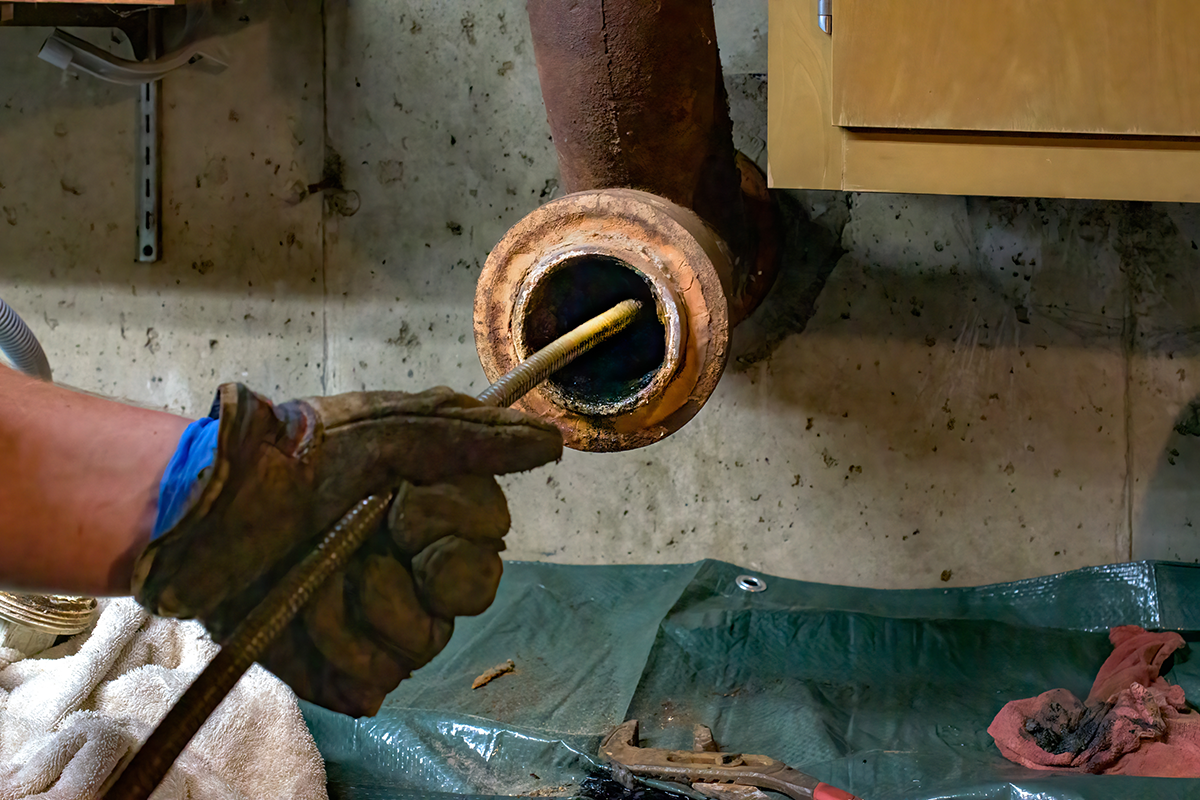
Older metal drainpipes and supply lines can develop corrosion around joints or along the pipe wall.
At first, you may see discoloration, mineral buildup, or a small damp spot. Eventually, a pinhole or weakened fitting can begin dripping.
Corrosion should not be treated as a cosmetic problem. The visible area may only show part of the deterioration. We also inspect nearby fittings and pipe sections for thinning, pitting, and previous repairs.
This is especially important in older North Shore homes where plumbing materials may have been installed during different renovations.
5. Supply Lines Can Leak at the Sink
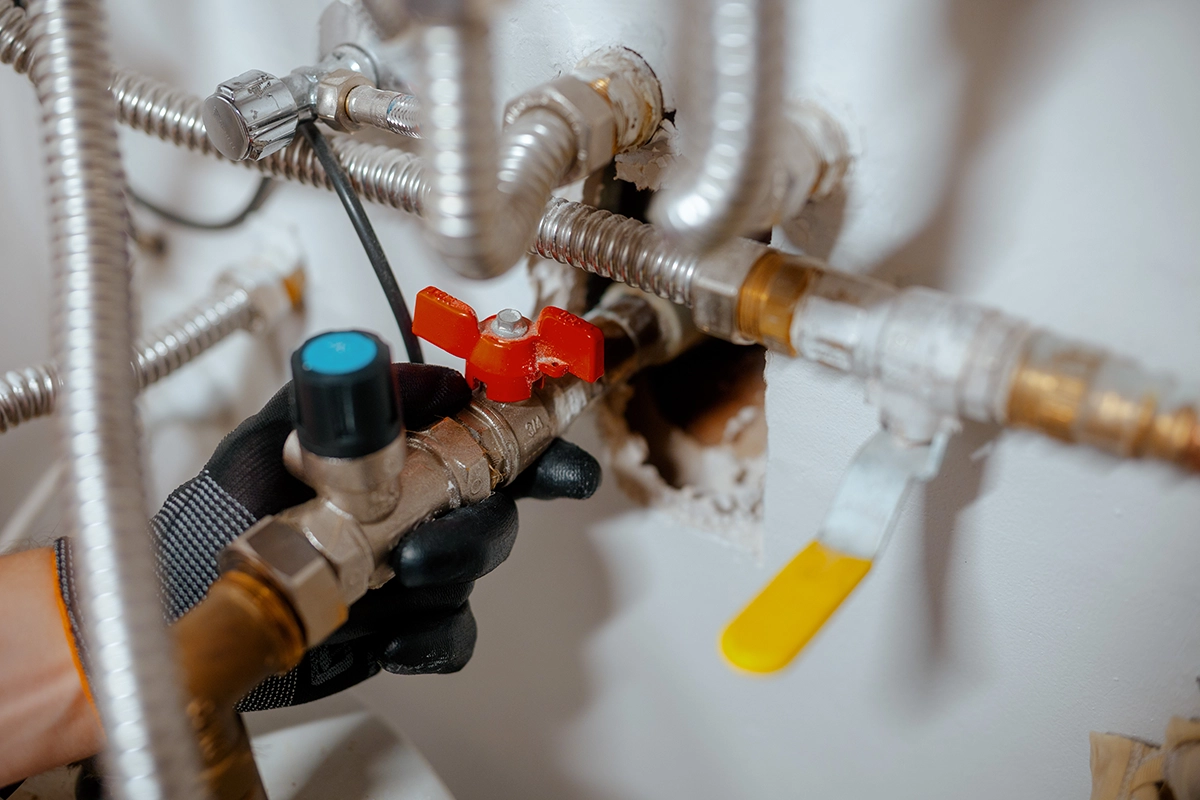
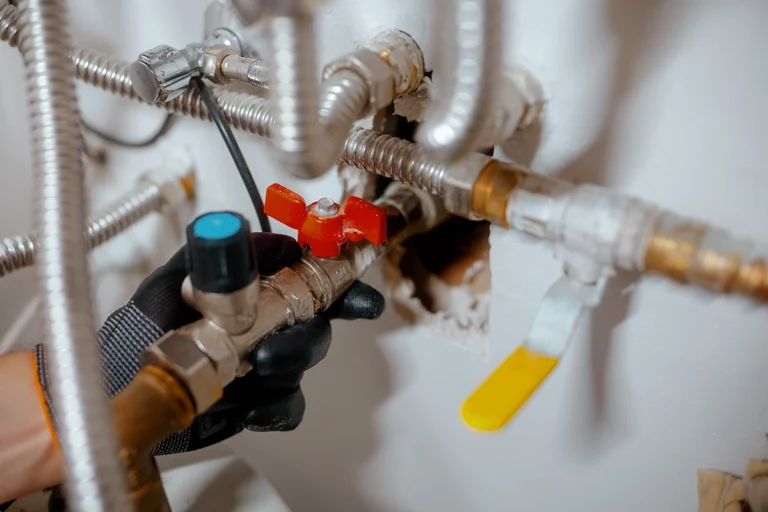
Not every under-sink leak comes from the drain. Flexible water supply lines connect the faucet to the hot and cold shutoff valves.
These lines can leak at threaded connections, around shutoff valves, or through damaged tubing. Unlike a drain leak, a supply leak can continue even when the sink is not being used.
If a pipe is leaking under the sink even when no water is draining, the supply side is one of the first places to check.
Check whether moisture is forming near the valve or faucet connection. However, avoid forcing an old shutoff valve if it looks corroded or fragile.
Massachusetts water-conservation guidance recommends checking the water meter when no fixtures or appliances are using water. Continued meter movement can indicate a leak somewhere in the home.
6. Garbage Disposal Connections Can Be the Real Source
Water under a kitchen sink can travel before it drips. Therefore, the pipe may look guilty even when the garbage disposal is the actual source.
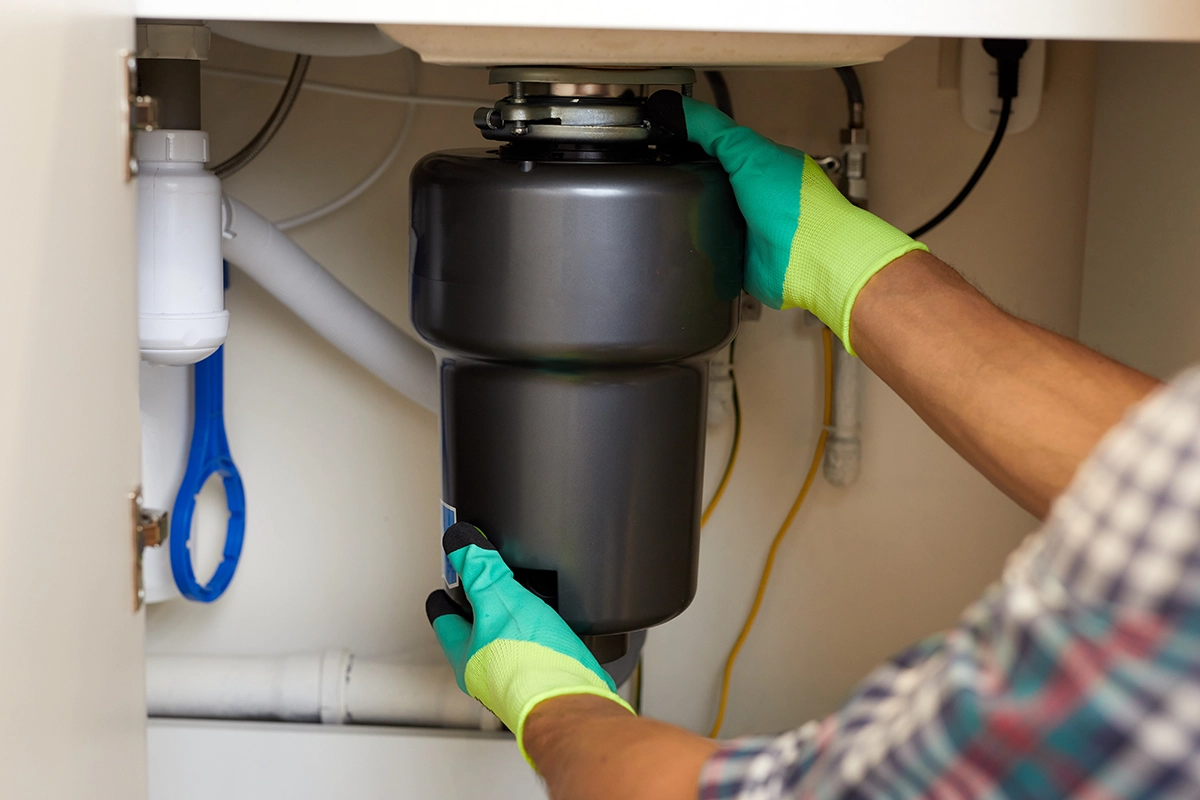
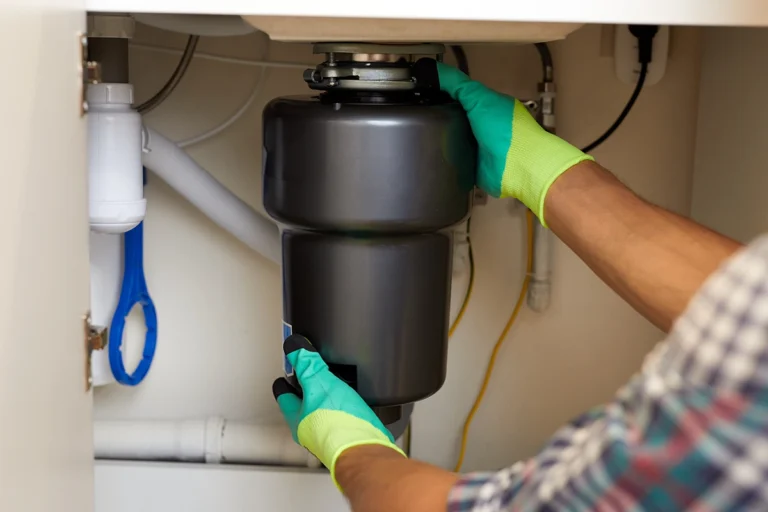
Common leak points include the sink flange, dishwasher connection, drain outlet, and disposal body. Water can run down the unit and collect on nearby pipes.
If the garbage disposal is leaking from the bottom, internal seals may be failing. In that situation, replacing the disposal may make more sense than repairing an exterior connection.
We trace the water back to its highest wet point before recommending a repair. That helps avoid replacing a pipe that was never leaking.
7. High Water Pressure Can Stress Sink Plumbing
Excessive water pressure can place added stress on supply lines, valves, fittings, and fixtures throughout the home.
You may notice banging pipes, frequent faucet problems, or recurring leaks at connections. A pipe leaking under your sink may be one symptom rather than the only problem.
Pressure should be tested instead of guessed. If the home also has unexplained water use, a rising water bill may provide another clue that a hidden or recurring leak is present.
Once we know the pressure and locate the leak, we can determine whether the repair is limited to the sink area.
What to Do When a Pipe Is Leaking Under the Sink
First, remove stored items from the cabinet and dry the area. This makes it easier to see where fresh water appears.
Next, watch the plumbing while the faucet runs. Then, fill and drain the sink while checking each connection. For a kitchen sink, also observe the disposal and dishwasher connections.
If water is coming from a supply line, shut off the fixture valve if it operates safely. A fast leak may require shutting off the home’s main water supply.
Avoid covering the problem with tape or sealant without identifying the source. Temporary patches can hide deterioration while water continues escaping.
If the drain is also slow, buildup or a partial blockage may be involved. However, forcing harsh chemicals through questionable plumbing can create additional problems.
When a Leaking Pipe Under the Sink Needs a Plumber
Some under-sink leaks are easy to spot. Others become complicated because several connections sit close together.
We recommend professional help when the leak keeps returning, the pipe is corroded, or the source is unclear. You should also call when a shutoff valve is leaking or the cabinet has significant water damage.
At Whale Worth It!, we inspect the complete under-sink assembly before making a recommendation. That includes the drain, trap, supply lines, valves, faucet connections, and disposal when present.
Our goal is to fix the actual source instead of guessing. If you have a pipe leaking under your sink in North Shore, MA, contact Whale Worth It! Plumbing, Heating & Air to schedule service.
FAQs About Sink Pipe Leaks
Why is there water under my sink but I cannot find a leak?
Water can travel along pipes before dripping into the cabinet. Check the faucet, supply lines, drain joints, P-trap, disposal, and dishwasher connection.
Can I still use the sink if a pipe is leaking?
It is better to limit use until the source is identified. Continued use can increase water damage and may make a small leak worse.
Why does the pipe under my sink only leak when water drains?
A leak that appears only during draining often involves a loose drain connection, worn washer, damaged P-trap, or cracked drainpipe.
Is a leaking pipe under the sink an emergency?
A slow drain leak may not be an emergency, but active supply leaks can release water continuously. Shut off the water and call for help if the leak is fast or uncontrolled.