A toilet tank leaking can quickly turn from a minor annoyance into a costly water waste problem. In fact, it’s more common than most homeowners realize. Whether you’ve noticed a constant trickle into the bowl, a puddle forming around the base, or dampness on the floor near your toilet, these are all signs that something inside or around your tank isn’t sealing properly. Left unchecked, even a small leak can inflate your water bill. It can also damage your bathroom floor and encourage mold growth. The good news is that most toilet tank leaks have identifiable causes. We’ve seen — and solved — just about every variation. In this post, we’ll help you understand what’s likely happening and where these leaks typically start. Plus, we’ll explain why getting a professional repair sooner rather than later protects both your home and your wallet.
What Causes a Toilet Tank to Leak?
When homeowners notice water pooling around the base of their toilet or hear that telltale drip in the middle of the night, the source is often hiding inside the tank itself. A toilet tank leaking typically points to one of several worn-out or misaligned components. Understanding what’s failing helps you recognize when it’s time to call us at Whale Worth It for a professional inspection.
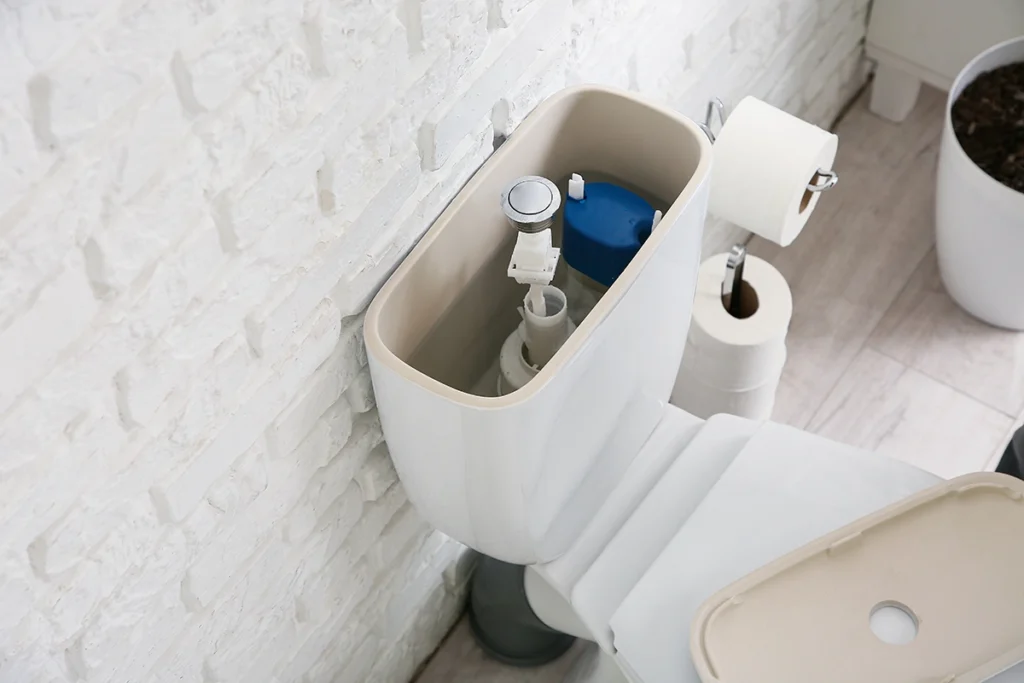
The most common culprit is a deteriorated flapper. This is the rubber seal at the bottom of the tank that controls water flow into the bowl. Over time, mineral deposits, chlorine, and simple age cause the flapper to crack, warp, or lose its seal. When that happens, water continuously seeps from the tank into the bowl. Often, it silently wastes hundreds of gallons each month.
Beyond the flapper, we frequently find faulty fill valves that don’t shut off properly. We also discover corroded bolts connecting the tank to the bowl or cracked overflow tubes. Each of these issues creates a different leak pattern. Understanding the toilet parts involved helps homeowners recognize when professional attention is needed. A certified plumber can quickly diagnose which component is responsible and recommend the appropriate repair to restore your toilet’s efficiency.
Warning Signs Your Toilet Tank Is Leaking
Most instances of a toilet tank leaking don’t announce themselves with dramatic floods. Instead, they reveal themselves through subtle but persistent symptoms. We often find puddles or dampness around the base of the toilet, especially after a flush. You might notice water stains on the floor, warped vinyl, or even discoloration on the ceiling below if you have a second-story bathroom. Another telltale sign is the sound of running water when no one has used the toilet recently. This indicates water is continuously escaping from the tank into the bowl.
Your water bill can also signal a hidden leak. Even a slow drip wastes gallons per day. Homeowners across the North Shore often call us after noticing unexplained spikes in their monthly usage. Inside the tank itself, you might see rust stains, mineral buildup, or cracks in the porcelain.
Worn-out flappers should be replaced every few years to prevent leaks. We frequently discover deteriorated rubber components during our inspections. If you’re experiencing any of these warning signs, we can diagnose the source quickly. We’ll then recommend the right repair to stop water waste and prevent further damage to your bathroom.
Where Toilet Tank Leaks Usually Occur
When we diagnose a toilet tank leaking in North Shore homes, we typically find the problem originates from one of four key areas. The most common culprit is the tank-to-bowl connection. Here, worn rubber gaskets, loose bolts, or cracked washers allow water to seep between the tank and bowl. You’ll often notice water pooling at the base or dripping steadily when this seal fails.
The fill valve assembly is another frequent source. When internal seals deteriorate or the valve loosens, water can escape around the threads or through compromised connections. Similarly, the flush valve gasket (sometimes called a flapper seal or flush valve cone washer) can crack or warp over time. This creates pathways for water to leak into the bowl or underneath the tank. Finally, hairline cracks in the porcelain tank itself can develop from impact, age, or temperature stress. Though less common, these cause slow but persistent leaking that worsens over time.
Each of these leak points can cause different types of damage. Water stains on ceilings below, flooring deterioration, mold growth, and wasted water all drive up your utility bills. We inspect all these vulnerable areas systematically to pinpoint exactly where your leak originates. Then we recommend the most effective repair solution.
Why a Leaking Toilet Tank Needs Professional Attention
What begins as a small puddle or damp spot can quickly escalate into serious structural damage. A toilet tank leaking sends water directly onto your bathroom floor. There, it seeps into subflooring, weakens joists, and creates the perfect environment for mold growth. Many North Shore homeowners don’t realize that even slow, steady leaks can saturate the flooring beneath tile or vinyl. This compromises the integrity of the entire bathroom structure before visible damage appears.
Beyond structural concerns, a toilet tank leaking wastes significant amounts of water. Often, this means hundreds of gallons per month depending on the severity. That translates to inflated water bills and unnecessary strain on your home’s plumbing system. According to the EPA WaterSense program, household leaks can waste nearly 10,000 gallons of water annually. This makes timely repairs both environmentally responsible and financially smart. Additionally, persistent moisture attracts pests and can cause bathroom fixtures to deteriorate prematurely.
Our licensed plumbers at Whale Worth It can quickly diagnose whether your leak stems from a faulty gasket, cracked porcelain, loose bolts, or deteriorated seals. We assess not just the visible leak but also any hidden water damage that may have already occurred. Addressing the problem now with professional repair prevents costly remediation down the line and restores your bathroom to safe, efficient operation. When you notice water around your toilet base or tank, don’t wait. Give us a call for a thorough inspection.
How We Fix Toilet Tank Leaks
When you call Whale Worth It for a toilet tank leaking, our licensed plumbers start with a complete diagnostic inspection. We examine every component inside the tank. This includes the flush valve, fill valve, tank bolts, and gaskets to pinpoint the exact source of the leak. We also check the tank-to-bowl connection and the water supply line. Sometimes what looks like a tank problem actually originates elsewhere. We use proven testing methods to identify hidden cracks or hairline fractures that aren’t always visible to the untrained eye.
Once we’ve diagnosed the issue, we explain what we found and recommend the most cost-effective repair. Depending on the cause, we’ll address worn gaskets or secure tank connections with new hardware. We might service the flush valve assembly or replace a compromised tank entirely. We always use quality replacement parts designed for long-term reliability. Plus, we test everything thoroughly before we leave to ensure the leak is completely resolved. Our goal is to restore your toilet to proper working order quickly while preventing future problems. This way, you can have confidence the repair will last.
Get Your Toilet Tank Leak Repaired Fast
A toilet tank leaking won’t fix itself. The longer water runs unchecked, the more you’ll pay in wasted water and potential damage to your bathroom floor, subfloor, or ceiling below. Whether you’ve spotted puddles around the base, heard continuous running, or noticed a spike in your water bill, it’s time to stop the leak before it becomes a bigger problem.
We’ve helped countless homeowners across the North Shore resolve toilet tank leaks quickly and affordably. Our licensed plumbers arrive equipped to diagnose the exact cause. This might be a deteriorated flapper, cracked tank, loose supply line, or faulty fill valve. We provide a professional repair that lasts. We know how frustrating plumbing emergencies can be. That’s why we prioritize fast response times and transparent communication throughout the process.
Don’t let a small leak turn into water damage, mold growth, or an emergency midnight flood. Schedule an estimate for reliable toilet repair service. We’ll restore your peace of mind and get your bathroom back to normal. It’s fast, done right, and backed by our commitment to quality workmanship.
Frequently Asked Questions
How do I know if my toilet tank is leaking?
Common signs include puddles or dampness around the base of your toilet, water stains on the floor or ceiling below, and the sound of running water when no one has flushed. You might also notice an unexplained spike in your water bill. If you spot any of these symptoms, we can perform a thorough inspection to locate the exact source. Then we’ll recommend the right repair.
Can a leaking toilet tank cause damage to my floor?
Yes, even small leaks send water onto your bathroom floor where it seeps into subflooring. This weakens structural supports and creates conditions for mold growth. Many homeowners don’t realize damage is occurring until flooring warps or stains appear on the ceiling below. That’s why we recommend addressing any toilet tank leaking issue quickly. It protects both your bathroom structure and your wallet from costly repairs down the line.
Why does my toilet keep running after I flush?
A toilet that runs continuously usually has a faulty flapper that isn’t sealing properly. This allows water to leak from the tank into the bowl. It could also indicate a malfunctioning fill valve that doesn’t shut off when the tank refills. Both issues waste significant water and drive up your utility bill. Our licensed plumbers can diagnose which component has failed and restore proper function with quality parts.
How much does it cost to fix a leaking toilet tank?
Repair costs vary depending on the source of the leak. This depends on whether it involves gasket service, valve work, or tank replacement. We provide transparent communication after diagnosing the problem during our inspection. Most repairs are far less expensive than the water waste and potential damage caused by ignoring the issue. Contact us for an accurate assessment tailored to your specific situation.