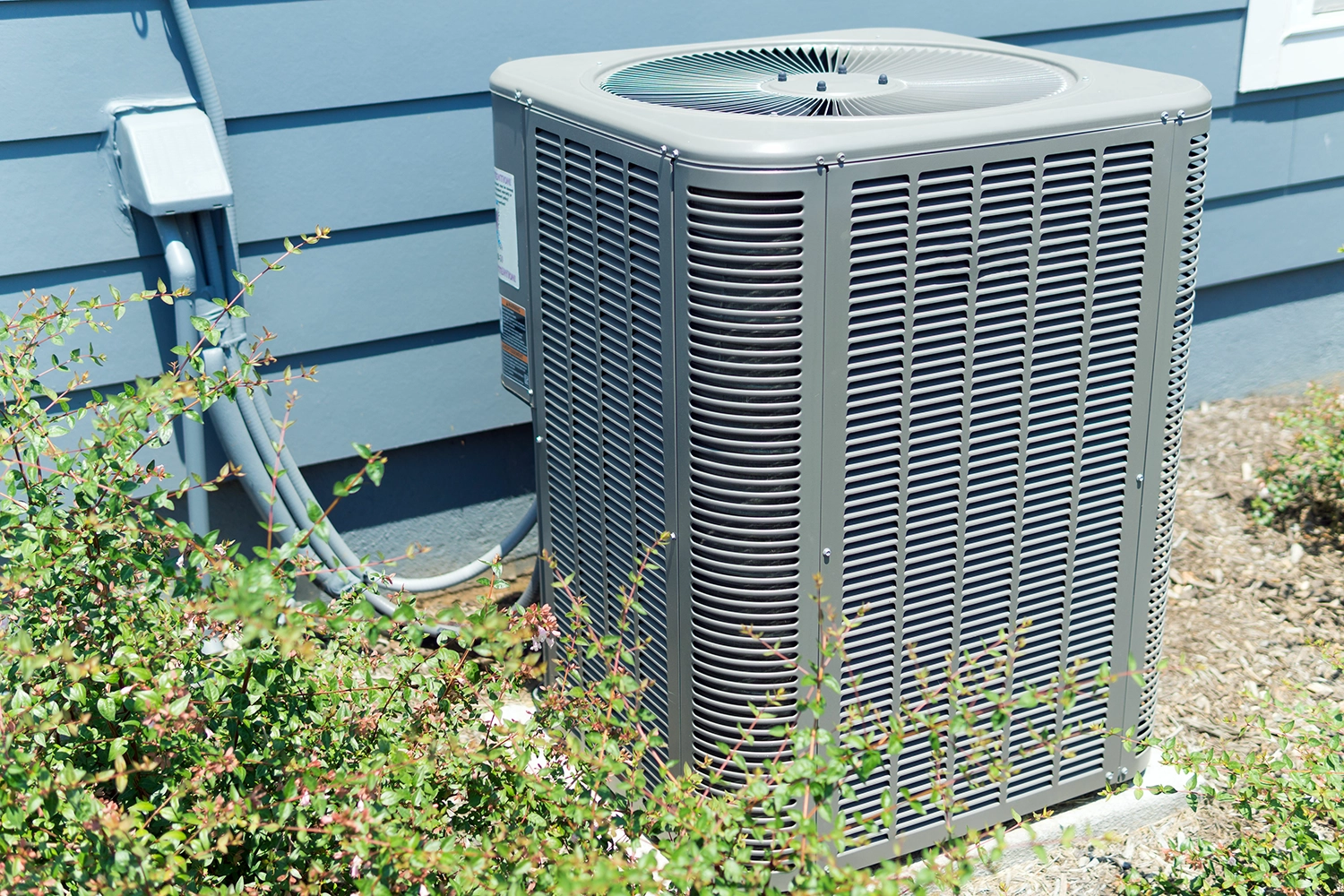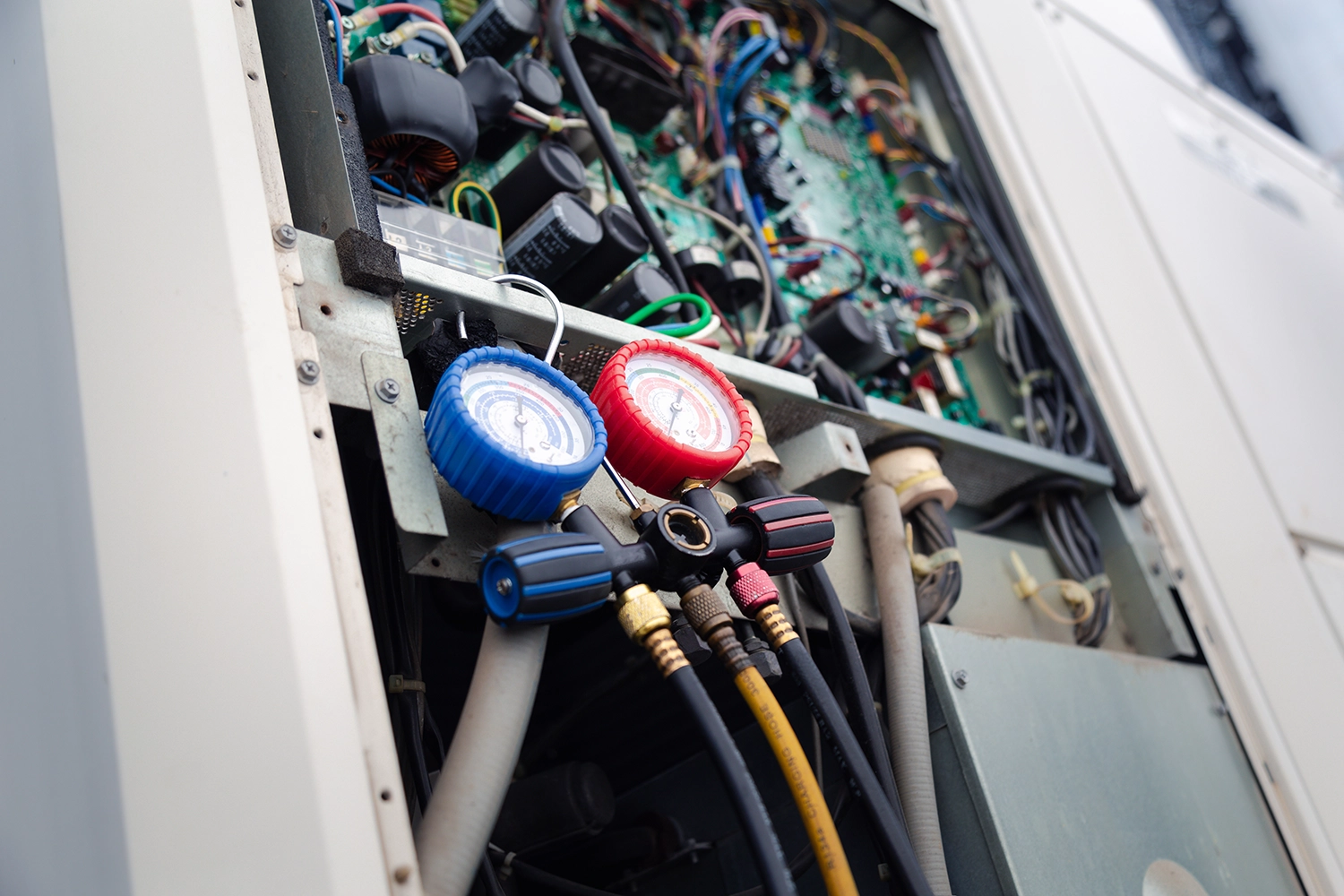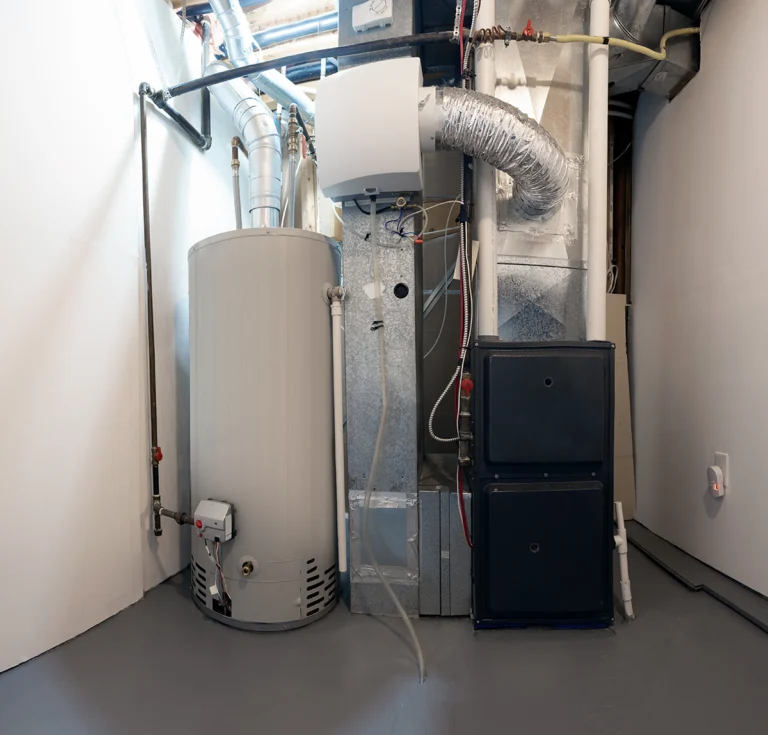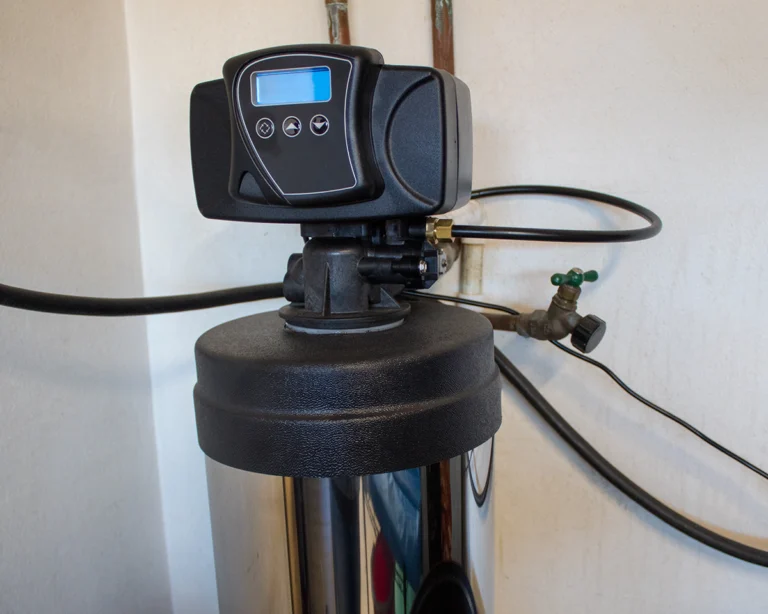
Summer on the North Shore is short, busy, and hard on a home’s plumbing in ways that catch people off guard. The season fills up fast with beach days, cookouts, and a house full of family, and all that activity leans on parts of your plumbing that sit quiet the rest of the year. Between the outdoor showers rinsing off salt and sand, the irrigation running every evening, the guests doubling your water use, and the sudden coastal storms that test every sump pump from Swampscott to Newburyport, a lot can go wrong in a hurry. A handful of practical summer plumbing tips will keep small seasonal problems from turning into a flooded basement or a cold shower during a full house. At Whale Worth It, we spend our summers helping homeowners across the North Shore stay ahead of these headaches, and most of them are avoidable.
This guide covers the parts of your plumbing system that work hardest once the weather warms up: your outdoor spigots, showers, and irrigation, your water heater, the kitchen during entertaining season, your sump pump when the storms roll in off the water, your sewer line, and the extra demand that comes with guests and back-to-back laundry. We will also cover the warning signs worth a phone call, plus a few tips specific to the older homes and hard water common across our coastal towns.
Why Summer Plumbing Tips Matter on the North Shore
Homeowners here brace for winter, when a hard freeze can burst a pipe, and rightly so. But summer is quieter about the damage it does, not gentler. Warm, wet weather is prime growing season for tree roots reaching toward the moisture in your sewer line. Coastal storms and heavy summer rain saturate the ground and drive water toward your foundation. Longer days mean more cooking, more showers, more laundry, and far more water running through outdoor faucets and irrigation. Add a stretch of summer guests and your system is suddenly handling double its usual load.
The upside is that summer gives you daylight and dry spells to do a little maintenance in comfortable weather. A slow morning spent checking your outdoor faucets, flushing your water heater, and testing your sump pump goes a long way. Those small habits are the backbone of good summer plumbing tips, and they cost nothing but an hour of attention.
Summer Plumbing Tips for Outdoor Spigots and Irrigation
Your outdoor plumbing does most of its work in summer, and along the coast, it takes extra abuse from salt air and sand. These summer plumbing tips start with checking the fixtures and water lines that may have gone unused during the colder months.
Check Faucets and Outdoor Showers Early
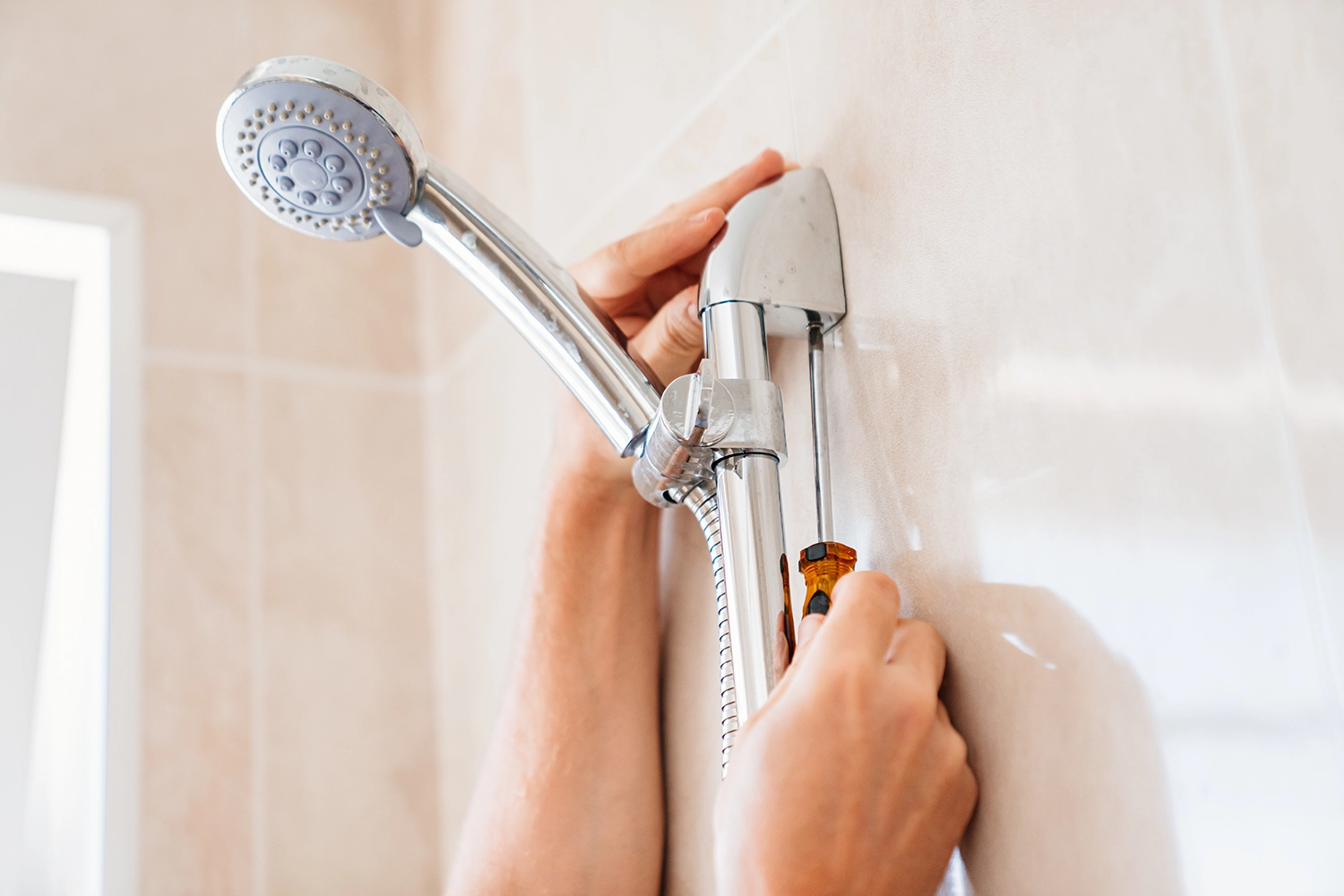
If an outdoor faucet or shower was not properly drained last fall, a hard winter freeze can crack the pipe behind the wall without any sign until you turn the water back on. The first warm day, disconnect the hose, put your hand on the pipe just inside the wall, and turn the water on. If you feel water inside the wall, hear spraying, or see water at the foundation, shut it off and call us. Outdoor beach showers deserve special attention here, since salt and sand wear on the valves and drains, and a shower that drains slowly into the ground can undermine a patio or foundation over time.
Irrigation and High Summer Water Bills
Summer is when a stuck irrigation valve or cracked underground line quietly wastes water and softens a patch of lawn. A soggy, unusually green spot in an otherwise dry yard is a classic sign of an underground leak. The same symptom can also point to a leak in your main supply line.
EPA WaterSense offers guidance for finding and fixing household leaks, including leaks around irrigation systems, outdoor faucets, and other fixtures.
Summer Plumbing Tips for Your Water Heater
Your water heater does not get a vacation just because it is warm outside, but summer is the ideal time to give it some care. Ground water is warmer now, so the heater does not work as hard, which makes it a low-stress window for maintenance you might put off in winter.
Flush Out the Sediment
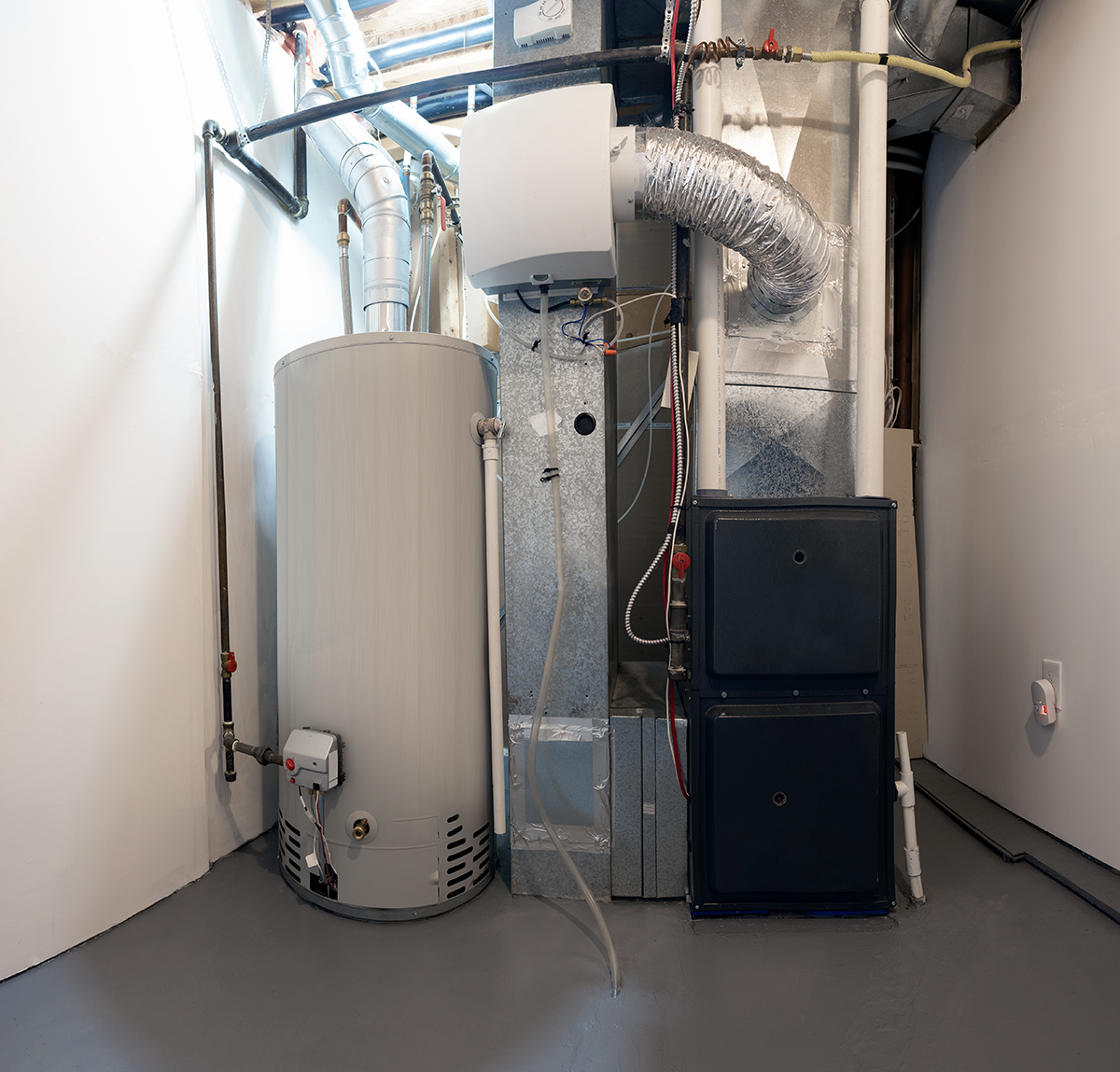
Over time, minerals settle to the bottom of the tank and build a layer of sediment, and with the hard water common across the North Shore that happens faster than most people expect. Sediment makes a heater rumble or pop, cuts how much hot water you get, and shortens the life of the tank, which is a real problem when the house is full and everyone wants a shower after the beach. Draining and flushing the tank once a year clears it out. If you have a tankless unit, summer is the right time for its descaling service, since our hard water is especially tough on tankless heaters, and staying current with tankless water heater service keeps it running efficiently for years.
Before You Head to the Cape or Away for the Week
Leaving town for a stretch, or closing up a seasonal home? Most water heaters have a vacation setting that keeps the tank from fully heating while you are gone. For a longer absence, shut off the main water supply entirely so a failure in an empty house does not become days of flooding, which is a genuine risk in the seasonal and second homes common in our towns. Show a trusted neighbor where the main shutoff is.
Summer Plumbing Tips for Kitchens and Garbage Disposals
Summer is peak entertaining season, and your kitchen sink feels every bit of it. Cookouts, big family dinners, and clambakes send a lot of unusual waste down the drain, and the garbage disposal takes the brunt.
What Should Never Go Down the Disposal
The disposal is not a trash can, and treating it like one is the fastest route to a summer clog. Keep these out of it:
- Grease, oil, and fat, which cool and harden into a blockage down the line
- Corn husks, celery, and other stringy vegetables that wrap around the blades
- Potato peels, which turn into a starchy paste
- Coffee grounds and eggshells, which collect into a gritty sludge
- Fruit pits, bones, and shells from a seafood dinner
Run cold water before, during, and for a few seconds after you use the disposal so fats stay solid and get flushed instead of coating the pipe. If your kitchen sink starts draining slowly during a gathering, skip the caustic drain chemicals, which can damage older pipes and rarely clear a grease clog completely. A recurring slow drain usually means grease has built up over months, and that calls for a professional cleaning rather than a bottle from the store.
Summer Plumbing Tips for Sump Pumps and Coastal Storms
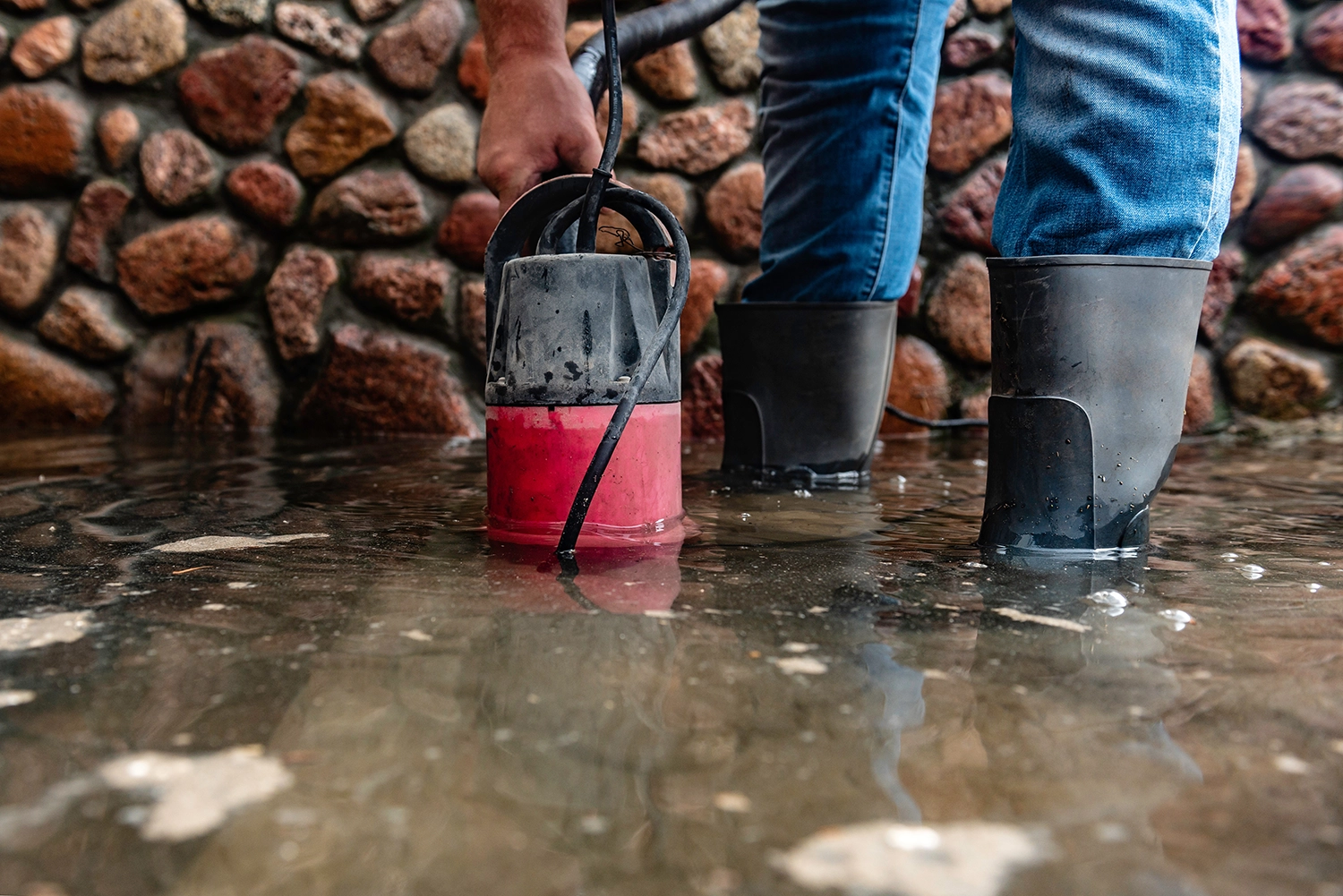
North Shore summers bring fast-moving storms and the occasional tropical system off the water, any of which can drop a lot of rain in a short period. Your sump pump may be the only equipment removing that water before it reaches your basement. Testing it before storm season is one of the most important summer plumbing tips for coastal homeowners.
Test It Before the Storms Arrive
Testing a sump pump is simple. Slowly pour a bucket of water into the pit until the float rises. The pump should switch on, pump the water out, and shut off on its own. If it hums without pumping, runs without stopping, or does nothing at all, it needs attention. Check that the discharge line outside is clear and carries water well away from the foundation, not right back against it.
Battery Backup for Storm Outages
Here is the catch with coastal storms: the same weather that fills your sump pit often knocks out the power. A pump without electricity cannot remove rising water. Ready.gov’s guidance for preparing your home for flooding recommends considering a sump pump with a battery backup.
Summer Plumbing Tips for Sewer Lines and Tree Roots
Many North Shore homes are older, with mature trees and sewer lines that have been in the ground a long time, and that combination shows itself in summer. Roots reach for the moisture in the line during the growing season, working into tiny gaps at the joints until they form a mesh that catches waste and clogs the line.
Signs of Trouble in the Line
Watch for these warning signs, which tend to build gradually:
- Several drains that are slow at the same time, especially the lowest ones in the house
- Gurgling from a toilet or tub when you run the washing machine or another fixture
- A sewer or damp-earth smell near floor drains
- Backups that appear or worsen right after heavy rain
If wastewater is backing up into a tub or floor drain, stop running water in the house and call us. A camera inspection through the sewer cleanout shows exactly where the problem is, so the fix is targeted instead of guesswork, and professional drain cleaning service on the North Shore clears the line the right way rather than just pushing the clog down the road.
Summer Plumbing Tips for Homes with Summer Guests
A house that comfortably serves two people can strain when it is suddenly serving six. Summer visitors mean back-to-back showers, extra loads of towels and swimsuits, and toilets getting far more use than usual. Some of the easiest summer plumbing tips involve reducing this sudden demand before weak spots in the system have a chance to surface.
Get Ahead of Guest-Season Trouble
Before company arrives, run through a quick check. Make sure each toilet flushes strongly and refills cleanly, since a running toilet is only more frustrating with a line for the bathroom, and it quietly wastes a surprising amount of water. A toilet that keeps running or trickles between flushes often has a worn part in the tank, and our guide on a leaking toilet tank explains what is usually behind it. Space out laundry and dishwasher runs rather than stacking them, which eases the load on your drains and your water heater during the busiest stretch.
Warning Signs It Is Time to Call a Plumber
Plenty of summer plumbing tips are about prevention, but part of being a smart homeowner is knowing when a problem is past a do-it-yourself fix. Call a professional when you notice any of these:
- Water where it should not be: at the base of a wall, on a ceiling, around the foundation, or in the basement
- A steady drop in water pressure across the whole house, which can signal a hidden supply leak
- Sewage odors indoors or repeated backups from the lowest drains
- A water heater that leaks from the tank, bangs loudly, or delivers rusty or lukewarm water
- A sump pump that will not turn on, or that runs nonstop
- Any drain that keeps clogging no matter how often you clear it
A single slow drain is usually a homeowner fix. Several drains acting up together, water appearing where it should not, or the smell of sewage are signs the trouble is in the main line or a supply line, and those get worse fast. When water is actively coming into your home and you cannot stop it, that is exactly when to call us right away.
Summer Plumbing Tips for Hard Water and Older Homes
Plumbing advice is only as good as the place it is written for, and our coastal corner of Massachusetts has a few specific quirks worth knowing.
Hard Water Across the Region
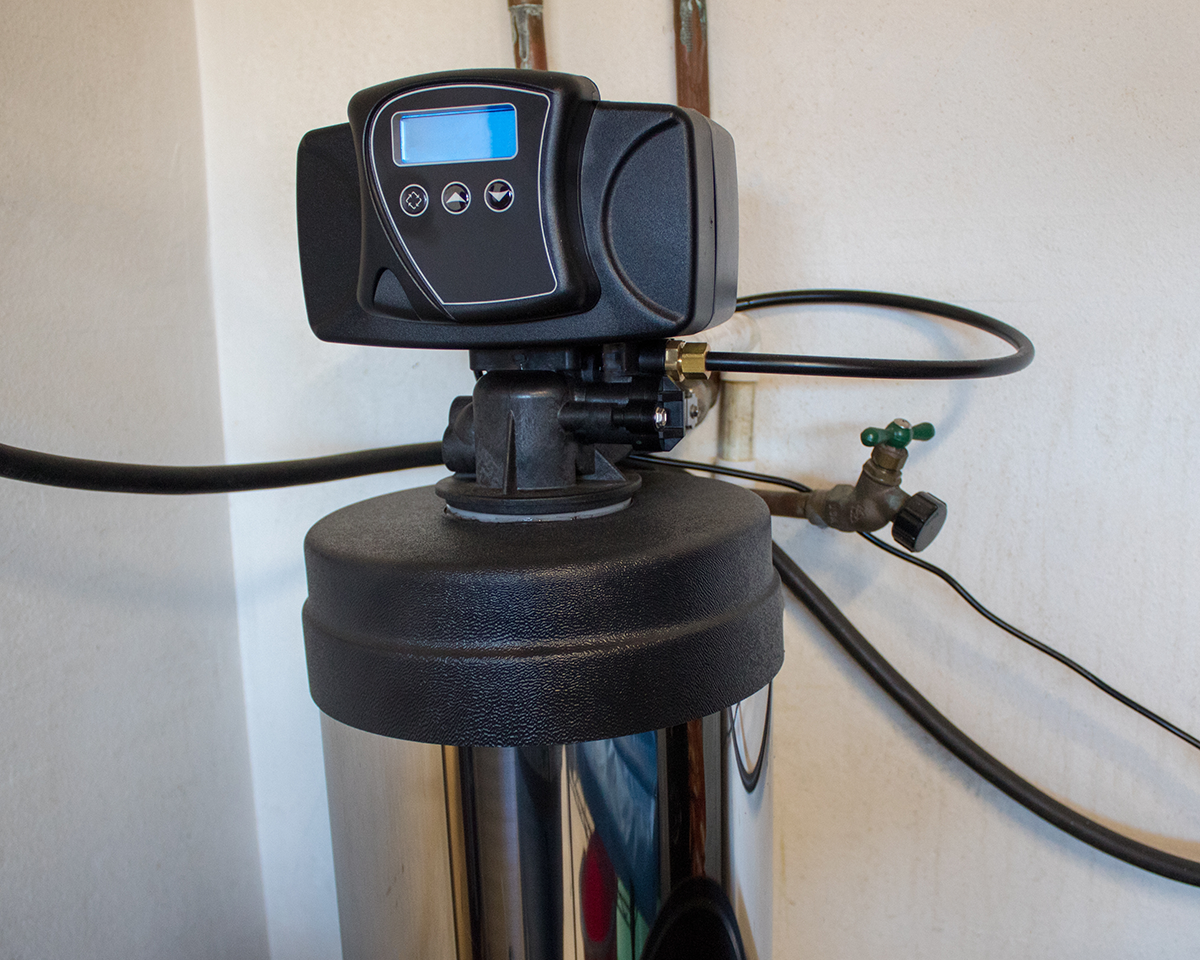
Hard water is a fact of life across much of the North Shore, and it takes a steady toll on your plumbing. It speeds up sediment in your water heater, leaves scale in fixtures and pipes, and shortens the life of water-using appliances. If you are constantly fighting scale, low flow at the faucets, or spotty dishes, a whole house water softener protects the entire system and pays for itself over time in longer-lasting appliances and better flow.
Drain Flies, Humidity, and Seasonal Homes
The summer humidity that settles into older basements can bring drain flies, those small pests that breed in the film inside a drain that has not been used in a while, which is common in guest baths and seasonal homes. They are a sign of buildup in the drain rather than a passing nuisance, and getting rid of them usually starts with clearing the buildup where they breed. If you open a seasonal home for the summer, run every fixture and check for slow drains and stale traps before the season gets busy, so a small problem does not surface with a full house.
Let Whale Worth It Help You Enjoy Your Summer
Summer on the North Shore should be about the beach, cookouts, and a house full of family, not standing water in the basement or a cold shower with a full house. A little seasonal attention to your outdoor faucets, water heater, disposal, sump pump, and sewer line keeps small problems from turning into big ones. These summer plumbing tips are the same ones we share with our neighbors across the North Shore every year.
When something is beyond a quick fix, or you just want a trusted set of eyes on your system before the storms and the company arrive, the team at Whale Worth It is ready to help. We know the homes, the hard water, and the coastal weather here because we live and work on the North Shore too. Reach out to Whale Worth It and we will make sure your plumbing is ready for whatever the summer brings.
Summer Plumbing Tips: Frequently Asked Questions
Do I really need to flush my water heater in the summer?
Flushing once a year is the goal, and summer is an ideal time because ground water is warmer and the heater is under less strain. It matters even more with North Shore hard water, which builds sediment quickly. If your tank rumbles, pops, or gives less hot water than it used to, sediment is likely the cause. Tankless units need a descaling service on a similar schedule to stay efficient.
Why is my water bill so high in the summer?
Some increase is normal with irrigation and guests, but a sharp jump often points to a hidden leak: a stuck irrigation valve, a cracked underground line, a running toilet, or a leak on the main supply. A soggy patch of lawn, a toilet that never stops filling, or a meter that moves with everything off are all clues. If the bill does not match your usage, it is worth having the system checked.
How can I tell if my outdoor faucet or beach shower was damaged over the winter?
On the first warm day, disconnect the hose, put your hand on the pipe just inside the wall, and turn the water on. If you feel or hear water inside the wall, or see water at the foundation while the spout barely flows, the pipe likely cracked from a winter freeze. Shut it off and call a plumber before the hidden leak damages framing or your foundation.
My sump pump has never given me trouble. Do I still need to test it?
Yes. A sump pump only proves itself during a storm, which is the worst time to learn it has failed. Pour a bucket of water into the pit to confirm it turns on, pumps out, and shuts off. Because coastal summer storms often knock out power, a battery backup is one of the smartest protections for a home in our area.
Why do I have small flies around my basement drain in summer?
Those are drain flies, and they breed in the organic film that builds up inside a drain that has not been used much, which is common in guest baths and seasonal homes during humid weather. They point to buildup in the drain rather than a passing nuisance. Clearing what they are breeding in is the real fix, and a professional drain cleaning removes the source when a surface clean does not.