A toilet should sit securely, seal tightly, and line up correctly with the drain below it. However, bathroom layouts do not always cooperate. An offset toilet flange can help when the drain pipe and toilet location are slightly misaligned. At Whale Worth It! Plumbing, Heating & Air, we sometimes encounter this situation during toilet replacements, bathroom renovations, or repairs to older plumbing. The offset design provides some flexibility without automatically requiring the drain line to be relocated.
Still, an offset flange is not the right answer for every alignment problem. The condition of the existing plumbing, available space, and amount of offset all matter.
What Is an Offset Toilet Flange?
A toilet flange connects the toilet to the drainpipe beneath the floor. It also provides mounting points that help secure the toilet.
A standard flange places the toilet directly over the center of the drain. An offset toilet flange shifts that connection slightly to one side.
Depending on the flange design, this can provide roughly one to two inches of adjustment. For example, some manufactured offset flanges provide a two-inch shift for drain-to-toilet alignment.
That small amount can make a meaningful difference during certain installations.
The flange still needs to create a stable connection between the fixture and drainage system. Therefore, offsetting the toilet does not eliminate the need for proper support and sealing.
The wax ring or other approved toilet seal sits between the toilet outlet and flange. Meanwhile, closet bolts secure the toilet to the flange.
If any part of that connection fails, water may eventually appear around the base. A damaged flange is one possible reason for a toilet leaking at the base.
Why Toilet Drain Alignment Matters
The most common reason is simple: the drain is not located exactly where the toilet needs it.
This sometimes becomes apparent during remodeling. A wall may move, flooring may change, or a different toilet may have different clearance requirements.
Older homes can also present unusual rough-in dimensions. Additionally, previous plumbing modifications may have left the drain slightly out of position.
Common situations include:
- The toilet sits too close to the wall.
- The drain opening is slightly off-center.
- A new toilet has different clearance requirements.
- A remodel changes the desired toilet position.
- Existing framing limits where the fixture can sit.
However, an offset flange only corrects a relatively small alignment difference.
If the drain needs to move significantly, modifying the drainage piping may be a better solution.
How an Offset Toilet Flange Works
An offset toilet flange changes the position of the toilet connection without moving the entire drainpipe the same distance.
Instead of dropping straight down into the drain, the fitting transitions from the toilet opening toward the existing pipe.
The amount of movement depends on the specific flange.
For example, some PVC models offer up to a two-inch offset. Others provide less adjustment. Therefore, plumbers must choose a fitting that matches the existing pipe and required position.
The flange must also be oriented correctly. Otherwise, the toilet may still sit too close to a wall or another fixture.
Proper height matters as well. A flange that sits too high or too low can interfere with the toilet seal.
Because several measurements affect the installation, simply buying an offset fitting does not guarantee a proper result.
When an Offset Toilet Flange May Be the Right Solution
An offset flange can make sense when the plumbing is generally in good condition but slightly misaligned.
For instance, replacing an older toilet may reveal that the current drain position does not work well with the new fixture.
A bathroom renovation can create the same issue. The new layout may only require a small adjustment instead of a complete drain relocation.
In these cases, an offset toilet flange can sometimes simplify the work.
However, we first need to inspect the existing pipe, flange area, subfloor, and toilet measurements.
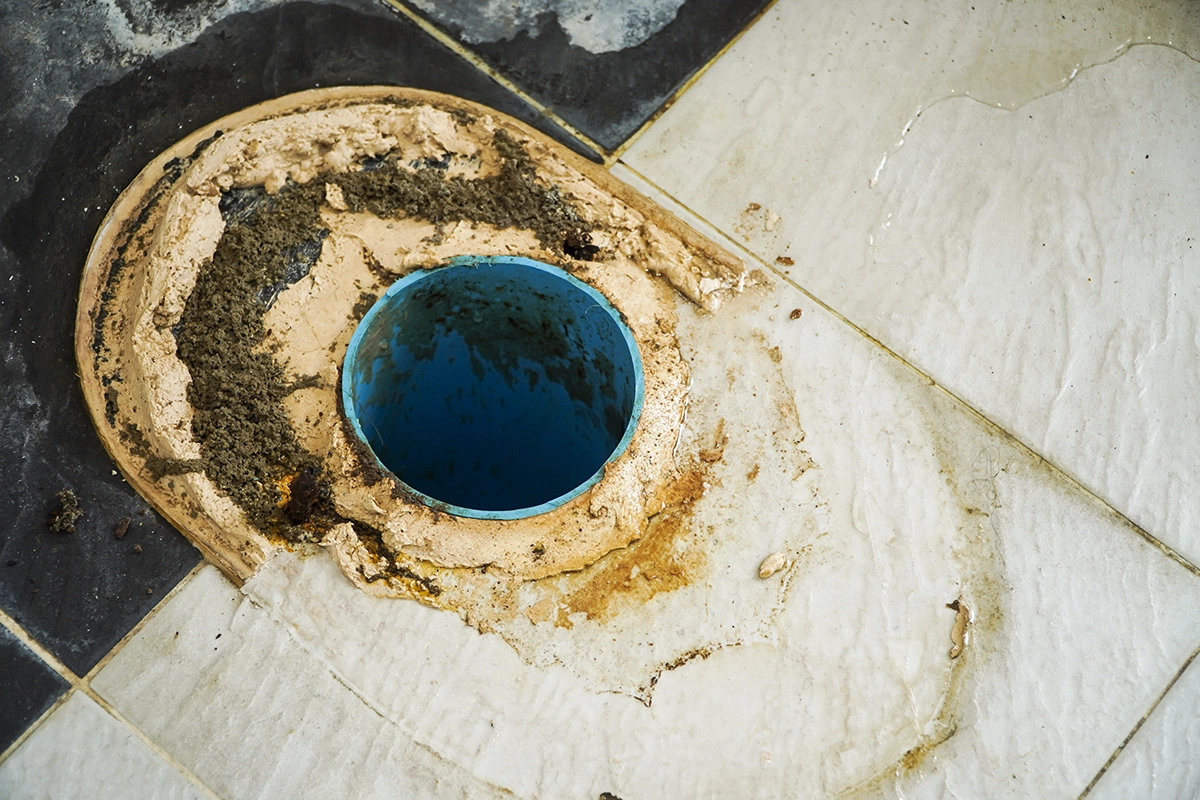
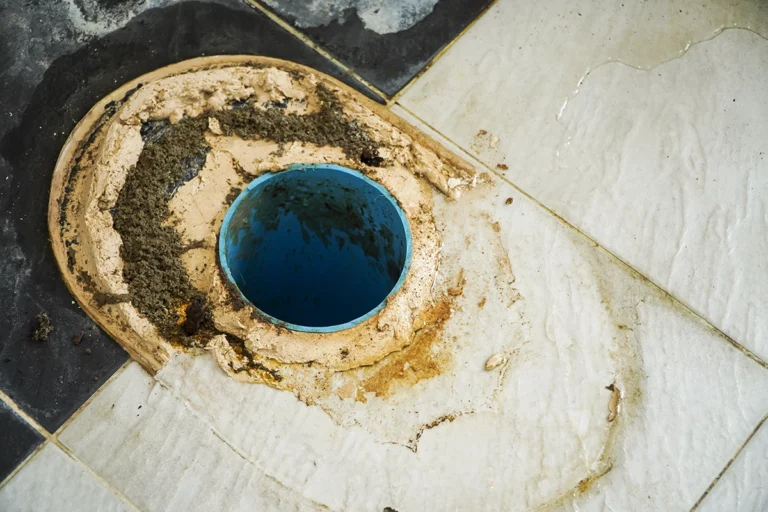
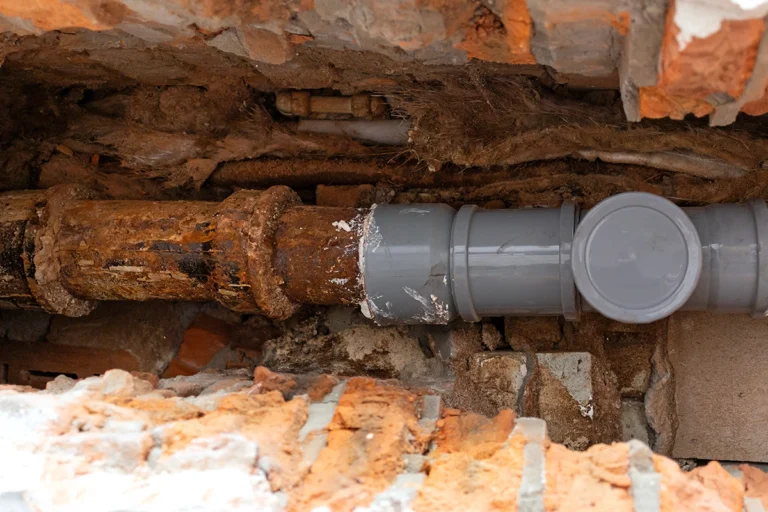
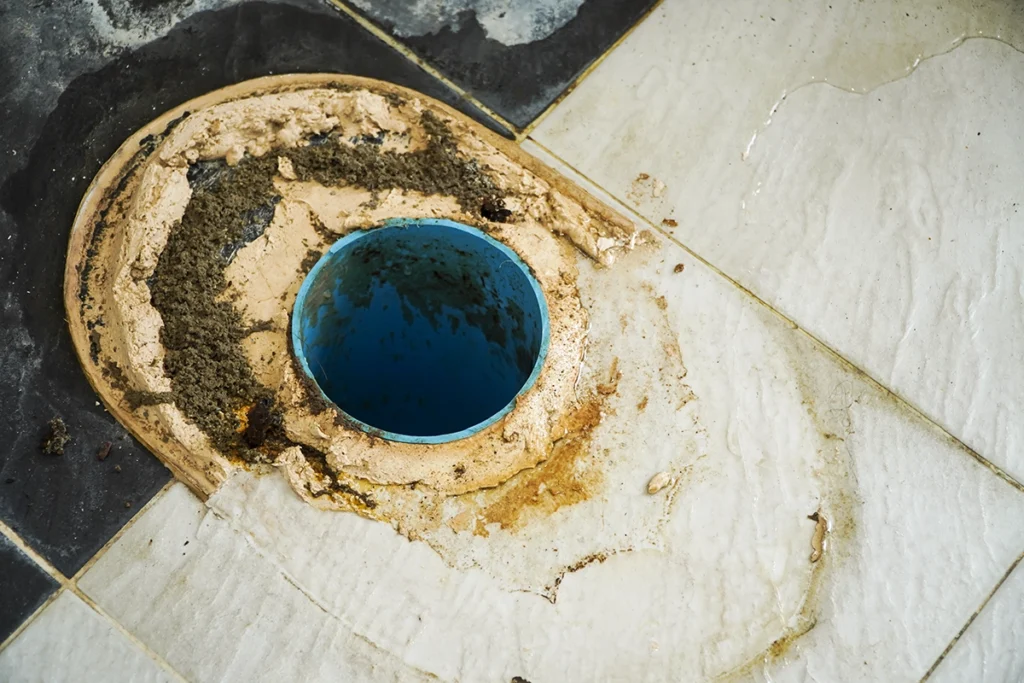
The condition of the old flange matters too. Rust, cracking, broken mounting slots, or previous repairs can change the appropriate solution.
Understanding the surrounding toilet parts can also make it easier to understand why the flange is so important. Although it sits mostly out of sight, it supports the fixture and its connection to the drain.
Potential Problems With Offset Flanges
Offset flanges are useful, but they need to be installed for the correct situation.
One concern is drainage restriction. Because the waste path changes direction within the fitting, the transition is different from a straight flange.
That makes correct positioning especially important.
Additionally, an offset flange cannot compensate for every rough-in error. Trying to force too much movement into a small fitting can create new installation problems.
A flange also needs firm support. If the surrounding flooring or subfloor is damaged, replacing only the flange may not correct toilet movement.
For example, a toilet that rocks can weaken its seal over time. As a result, moisture may eventually appear around the base.
Repeated toilet problems can also indicate something beyond flange alignment. A toilet that repeatedly clogs or won’t flush properly may have a drainage problem that requires separate diagnosis.
Therefore, we look at the entire installation rather than assuming the flange is the only issue.
Why Proper Toilet Installation Matters
A toilet must do more than look level.
It needs a secure mechanical connection, an effective seal, and a properly aligned drain path.
In Massachusetts, plumbing installation, alteration, replacement, and repair must follow the state’s 248 CMR 10.00 Uniform State Plumbing Code. These requirements help ensure toilet and drainage connections are installed correctly and safely.
Correct installation also helps protect the flooring around the fixture.
If the toilet moves, the seal underneath can become compromised. Consequently, wastewater may leak beneath the fixture instead of appearing immediately on the bathroom floor.
Flooring changes deserve attention too. Adding tile or another finished surface can change the relationship between the flange and finished floor.
Therefore, we check flange height and condition whenever a toilet is removed.
If the toilet itself also needs replacement, efficiency may be worth considering. The U.S. Environmental Protection Agency states that WaterSense-labeled toilets use 1.28 gallons per flush or less while meeting performance requirements. Homeowners can compare options through the EPA WaterSense residential toilet information.
Do You Need an Offset Toilet Flange or a Different Repair?
Seeing a flange that looks slightly off-center does not automatically mean you need an offset model.
First, the toilet rough-in should be measured accurately.
We also look at the condition and location of the drainpipe. Then, we inspect the existing flange and surrounding floor.
If the mismatch is small, an offset toilet flange may provide enough adjustment.
However, a broken standard flange may only need flange repair or replacement. A severely misplaced drain could require changes below the floor instead.
The toilet itself may also be part of the issue.
Different toilet models can have different dimensions. Therefore, changing the fixture can sometimes affect wall clearance without changing the drain.
The goal is not simply to make the toilet fit. Instead, we want a stable installation with a reliable drainage connection and seal.
Get Help With Toilet Flange Problems
A toilet that rocks, leaks, or does not line up correctly should be inspected before the problem damages the surrounding floor.
At Whale Worth It! Plumbing, Heating & Air, we can evaluate the toilet, flange, drain alignment, and surrounding plumbing. Then, we can determine whether an offset flange, standard flange repair, or another solution makes sense.
If you’re dealing with a toilet installation or flange problem on the North Shore, contact Whale Worth It! Plumbing, Heating & Air to schedule plumbing service.
Frequently Asked Questions
What is an offset toilet flange?
An offset toilet flange connects a toilet to a drainpipe while shifting the toilet slightly away from the drain's centerline. It is commonly used when the existing drain and desired toilet position do not align exactly.
How far can an offset toilet flange move a toilet?
The amount depends on the flange design. Many offset flanges provide roughly one to two inches of adjustment. The correct fitting depends on the drain size and required toilet position.
When should you use an offset toilet flange?
An offset toilet flange may be useful when the drainpipe is slightly misaligned with the toilet. It can be especially helpful during remodels, toilet replacements, or installations with unusual rough-in dimensions.
Can an offset toilet flange cause toilet problems?
An incorrectly selected or installed flange can contribute to drainage, sealing, or stability problems. Proper measurements, flange height, pipe compatibility, and secure mounting are important for reliable performance.