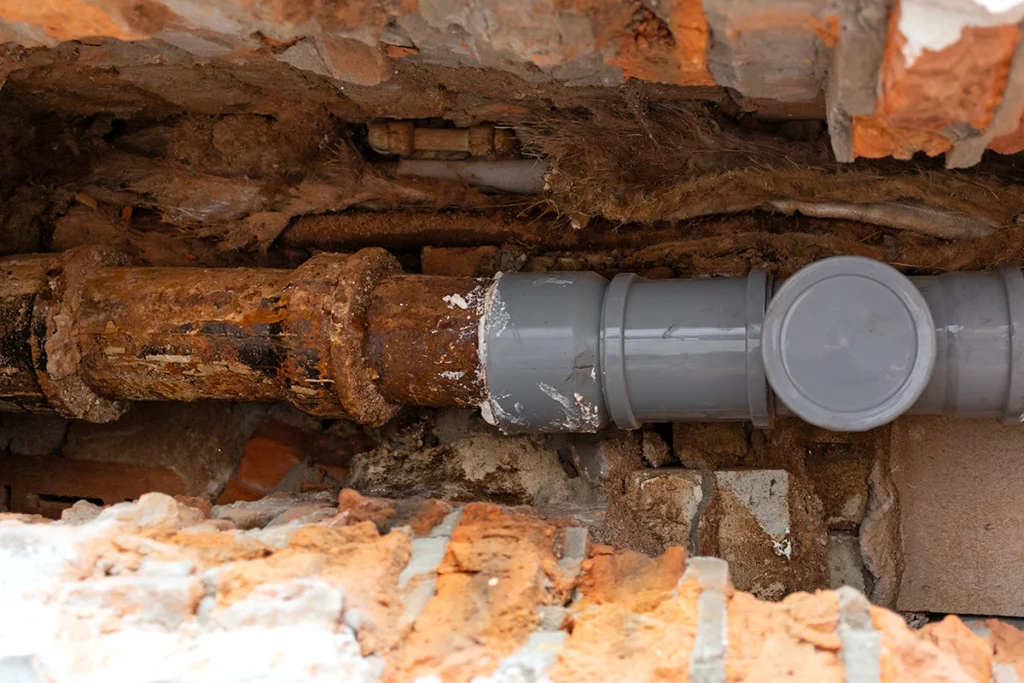
If you are replacing older drain lines, the cast iron pipe vs PVC pipe comparison can help you understand your options. Both materials can work well for drainage systems, but they differ in cost, weight, noise, and resistance to corrosion. At Whale Worth It! Plumbing, Heating & Air, we help North Shore homeowners evaluate existing pipes and determine which material makes sense for the project.
Cast iron is common in many older homes. Meanwhile, PVC has become widely used in newer residential drainage systems. Neither material is automatically right for every situation. The existing plumbing, pipe location, condition, and installation requirements all matter.
What Is Cast Iron Drain Pipe?
Cast iron has been used in residential drainage systems for generations. The material is heavy, rigid, and extremely sturdy.
One of its biggest advantages is sound control. Its dense construction helps absorb the sound of wastewater moving through drain lines. Therefore, cast iron can be useful where plumbing noise is a concern.
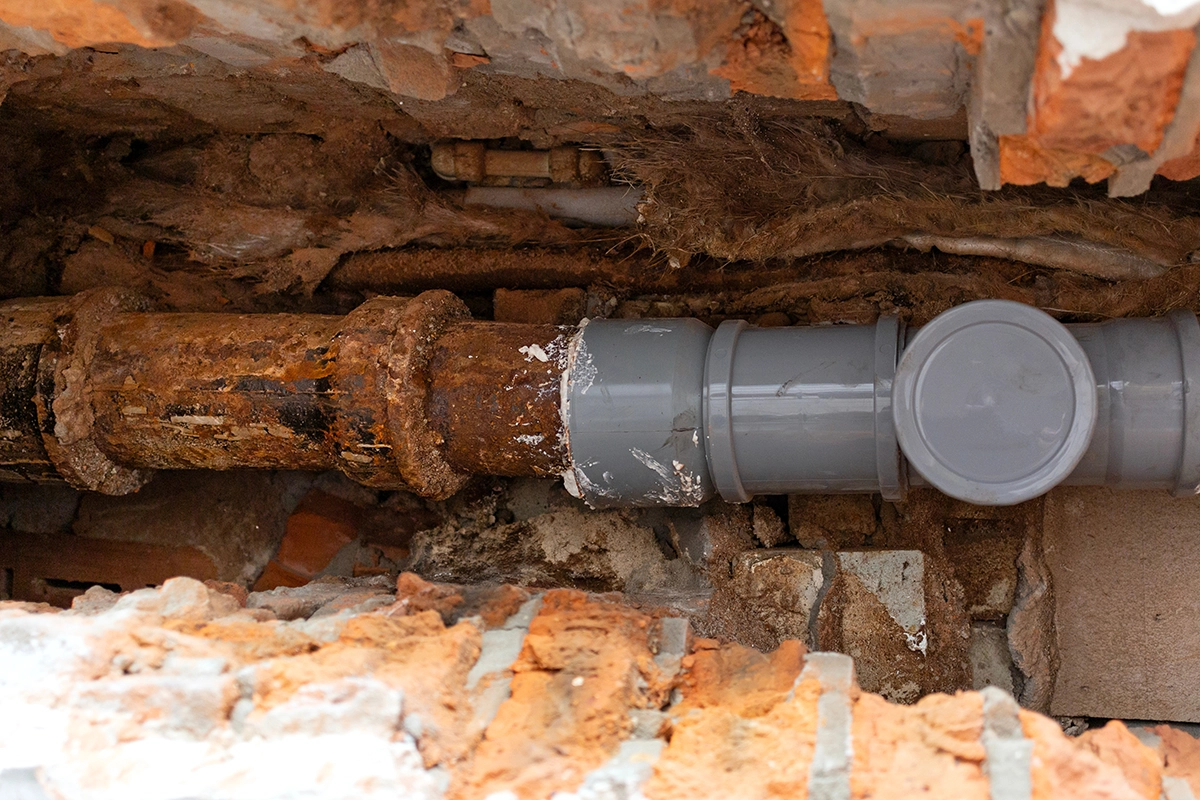
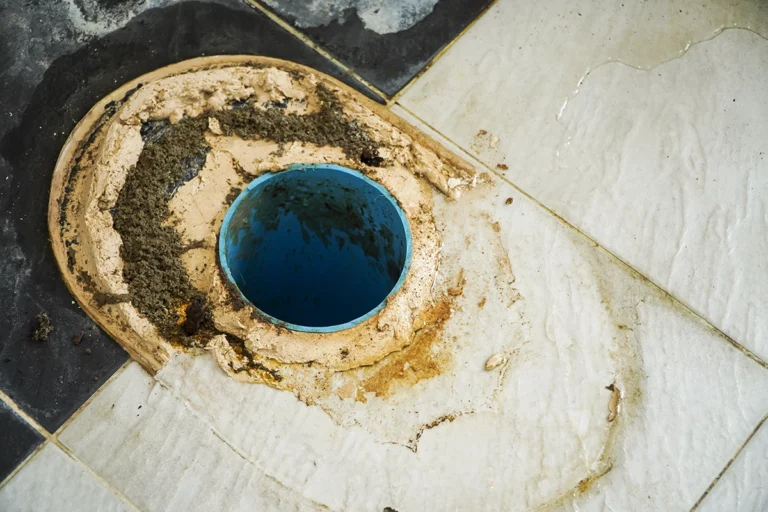
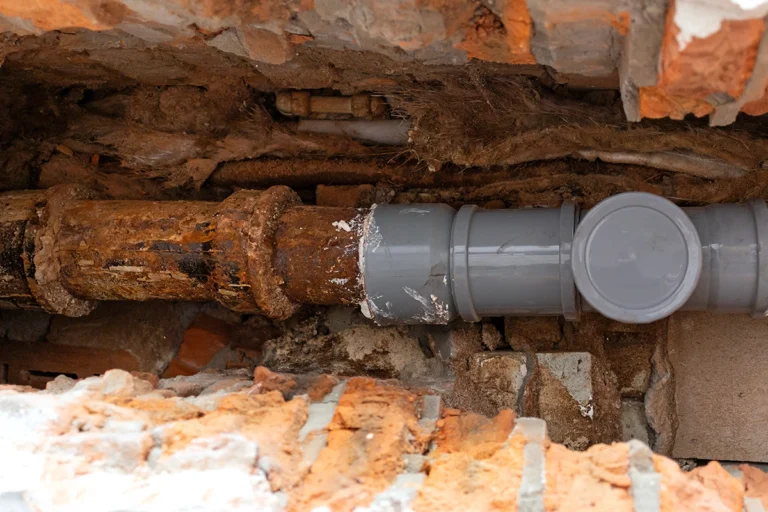
However, cast iron can corrode as it ages. Rust may develop on the outside, inside, or around fittings and joints. Eventually, severe corrosion can thin the pipe wall and cause leaks.
Older cast iron may also develop rough interior surfaces. As a result, debris may catch more easily than it would on a smoother pipe.
If you notice visible rust on an exposed drain line, a basement drain pipe rusting through may need more than a cosmetic repair.
What Is PVC Drain Pipe?
PVC stands for polyvinyl chloride. It is a lightweight plastic commonly used for residential drain, waste, and vent piping.
Unlike cast iron, PVC does not rust. Its smooth interior also allows wastewater to move through the pipe with relatively little resistance.
PVC is much lighter than cast iron. Therefore, moving, cutting, and installing sections is generally less labor-intensive.
However, PVC does not absorb sound as effectively as cast iron. Water moving through walls or ceilings may be easier to hear.
Installation quality still matters. Proper support, slope, fittings, and connections are essential for reliable drainage.
Cast Iron Pipe vs PVC Pipe: Durability
Durability is one of the biggest considerations when comparing cast iron pipe vs PVC pipe.
Cast iron is physically strong. It can handle substantial weight and remains rigid once properly installed. However, corrosion becomes a concern as the material ages.
A pipe may look solid from the outside while deterioration develops internally. Additionally, joints and fittings can weaken over time.
PVC does not corrode like metal. Therefore, rust is not a concern with the pipe itself. It can still crack, separate, sag, or become damaged when improperly supported.
Both materials can remain in service for many years when properly installed and maintained. However, existing condition matters more than age alone.
If corrosion is already widespread, comparing corroded pipe replacement cost versus repair can help explain why replacing a longer section sometimes makes more sense.
Cast Iron Pipe vs PVC Pipe: Noise Differences
Noise is one area where cast iron has a clear physical advantage.
Because cast iron is thick and dense, it naturally dampens sound. Wastewater traveling through the pipe is usually less noticeable.
PVC is lighter and thinner. Consequently, homeowners may hear water moving through a PVC drain stack, particularly inside quiet living areas.
That difference may matter when pipes run near bedrooms, offices, or finished living spaces.
In some projects, material choices can even be combined where plumbing rules allow it. Massachusetts plumbing regulations specifically address allowable piping materials and installation requirements.
The state’s Uniform State Plumbing Code, 248 CMR 10.00 governs plumbing installation, alteration, repair, and replacement. It also includes requirements involving materials and connections.
Therefore, replacing old cast iron with PVC is not always as simple as cutting out one material and installing another.
Cast Iron Pipe vs PVC Pipe: Cost
Cost is another major difference in the cast iron pipe vs PVC pipe comparison.
PVC material is generally less expensive than cast iron. Additionally, its lighter weight can make installation less labor-intensive.
Cast iron is heavier and requires different cutting, handling, and joining methods. Therefore, labor can become a larger part of the project.
Accessibility matters too.
Replacing an exposed basement drain line is very different from opening a finished wall or floor. Likewise, replacing several feet of pipe costs less than replacing an entire stack.
The condition of nearby plumbing can also change the scope. Once an old section is exposed, additional deterioration may become visible.
For these reasons, there is no single cost that applies to every cast iron-to-PVC replacement.
Installation and Repair Differences
PVC is relatively easy to cut and fit during installation. However, the system still needs proper pitch and support.
Improperly supported PVC can move or sag. Poor alignment can also create areas where waste collects.
Cast iron requires heavier-duty handling because individual sections weigh much more. Working with existing cast iron can also become difficult when corrosion has weakened the material.
Connections between different pipe materials require proper transition fittings and approved joining methods.
That detail is especially important in older homes. A drainage system may contain cast iron, PVC, copper, and other materials from different renovations.
Therefore, we look at the entire affected area before recommending a repair.
When Should Old Cast Iron Be Replaced?
Cast iron does not need replacement simply because it is old.
If the pipe remains solid and performs properly, replacement may not be necessary. However, recurring problems can indicate that deterioration is progressing.
Heavy flaking rust deserves attention. So do pinhole leaks, damp areas, cracked sections, or failing joints. Depending on the extent of the damage, plumbing repair may involve replacing one damaged section or addressing a larger portion of the system.
Repeated blockages can also justify further investigation. Internal corrosion can leave a rough surface that catches debris.
However, a blockage does not automatically mean the pipe has failed. A clogged drain deep in the pipe can develop for several reasons.
A camera inspection may help determine whether the issue is buildup, corrosion, damage, or another obstruction.
Once we know the condition of the pipe, we can discuss whether a local repair or longer replacement makes sense.
Which Material Makes Sense for Your Home?
The right material depends on the plumbing system and the goals of the project.
PVC is attractive because it is lightweight, corrosion-resistant, and generally economical. Meanwhile, cast iron offers excellent strength and better sound dampening.
The existing material can also affect what is practical. Local plumbing requirements must be considered before making changes.
Therefore, we do not recommend replacing pipe based on material alone.
At Whale Worth It!, we inspect the condition of the existing drainage system first. Then, we consider accessibility, previous repairs, surrounding plumbing, and the extent of deterioration.
That approach helps avoid replacing sound piping unnecessarily while still addressing sections that are beginning to fail.
Cast Iron Pipe vs PVC Pipe: Which Should You Choose?
When comparing cast iron pipe vs PVC pipe, there is no universal answer for every home.
PVC is usually lighter and easier to install. It also avoids the rust problems associated with aging iron.
Cast iron, however, remains strong and offers better sound reduction. Existing cast iron that is still in good condition may not need immediate replacement.
Cost, accessibility, pipe condition, and local requirements should all be part of the decision.
If you have an older drainage system, we can inspect the pipes and explain what we find. Whale Worth It! Plumbing, Heating & Air serves homeowners throughout the North Shore with plumbing repair and replacement services.
Contact us to schedule an inspection or discuss your pipe replacement options.
FAQs About Cast Iron Pipe vs PVC Pipe
Is PVC better than cast iron pipe?
PVC is lighter, does not rust, and is generally less expensive to install. Cast iron is heavier but offers excellent durability and better sound reduction. The better option depends on the existing plumbing and project requirements.
Can you replace cast iron pipe with PVC?
Cast iron can sometimes be replaced with PVC using approved transition methods. However, Massachusetts plumbing requirements affect allowable materials and connections. A licensed plumber should evaluate the existing system before replacement.
Does cast iron pipe last longer than PVC?
Both materials can last for many years. Cast iron can eventually deteriorate from corrosion, while PVC does not rust. Installation quality, pipe location, damage, and overall system conditions also affect service life.
Is cast iron pipe more expensive than PVC?
Cast iron generally costs more for both materials and installation. Its weight also makes it more labor-intensive to handle. However, actual replacement cost depends on accessibility, pipe size, project length, and the surrounding plumbing.